Raja Ampat (Batanta & Dampier Strait) (Sorong - Sorong)
Coralia · Indonesia · 7 nights
About this route
This liveaboard journey explores the renowned Raja Ampat archipelago, a heartland of marine biodiversity and a true coral triangle. Guests will experience a diverse array of dive sites, from vibrant reefs teeming with macro life to thrilling encounters with pelagic species. The itinerary promises breathtaking underwater landscapes, opportunities for stunning photography, and cultural immersion in this pristine Indonesian paradise, ensuring an unforgettable adventure.
Regions on this route
Highlights
Batanta
Batanta is one of the four main islands of Raja Ampat, renowned for its incredible macro life and unique critter diving opportunities. The island's eastern side is especially celebrated for its black sand dive sites, where elusive species such as ghost pipefish and pygmy seahorses can be found. It also features beautiful reef formations and is a known area for manta ray cleaning stations.
- Exceptional macro diving
- Critter hunting
- Black sand dive sites
- Manta ray encounters
Dampier Strait
The Dampier Strait, located between Waigeo and Batanta, is famous for its nutrient-rich currents that attract large schools of fish and various pelagic species. It offers exhilarating drift dives along vibrant walls and pinnacles. Key sites within the strait are known for consistent shark sightings and a high density of marine biodiversity, making it a highlight for adrenaline-pumping dives.
- Strong currents
- Pelagic fish schools
- Shark encounters
- Vibrant walls and pinnacles
Fam Islands
The Fam Islands, also known as Penemu, are celebrated for their iconic viewpoints and spectacular dive sites, particularly Melissa's Garden. This area boasts exceptional coral health, vibrant fish diversity, and unique reef structures. Shallow reefs abound with colorful anthias and damselfish, while deeper areas offer rich encounters with marine life in healthy ecosystems. The scenery both above and below water is breathtaking.
- Iconic viewpoints
- Exceptional coral health
- Rich fish diversity
- Stunning reef formations
Misool
Misool is celebrated for its stunning soft coral gardens, pristine lagoons, and an abundance of marine life. Its protected waters are part of a no-take zone, contributing to the area's exceptional health and biodiversity. The region is famous for its intricate reef systems, schooling fish, and unique rock formations.
- Pristine soft corals
- Protected marine park
- Abundant fish schools
Raja Ampat
Raja Ampat, meaning 'Four Kings,' is the heart of the Coral Triangle and boasts over 1,500 islands. Scientists recognize it as the most coral and fish diverse region on Earth. The main islands, Waigeo, Batanta, Salawati, and Misool, form a vast expanse of pristine marine ecosystems.
- Coral Triangle epicenter
- High marine biodiversity
- Pristine island landscapes
Salawati
Salawati is another of Raja Ampat's four main islands, contributing to the region's overall biodiversity. While less frequently visited than its counterparts, it offers unique dive experiences, particularly known for its macro life and pristine reef environments. Its waters often feature healthy corals and a variety of smaller marine creatures.
- Unique macro opportunities
- Pristine reef environments
- Healthy coral systems
Waigeo
Waigeo is the largest of the four Raja Ampat islands, characterized by its dramatic limestone karst landscapes both above and below the water. The surrounding reefs are incredibly vibrant, supporting an immense array of coral species and fish life. It is a key region for diverse reef topography and pelagic encounters.
- Limestone karst scenery
- Vibrant coral reefs
- Diverse topography
Yangeffo
Yangeffo is a sheltered island within Raja Ampat, home to beautiful coral bommies and pristine white-sand bottoms. The area is known for its macro-rich dive sites and the opportunity to observe juvenile reef fish in its clear, calm waters. Mangrove forests provide unique snorkeling experiences, showcasing the transitional ecosystems between land and sea. Divers often find excellent opportunities for macro photography here.
- Macro photography focus
- Juvenile reef fish
- Mangrove snorkeling
- Sheltered dive sites
Requirements
- CertificationOpen Water
- Minimum logged dives5
- Experience5 minimum logged dives required.
Shore excursions
- Visit to a traditional Papuan village to experience local culture.
- Sunset viewing from a secluded beach.
- Excursion to a bat cave to witness thousands of bats taking flight at dusk.
Good to know
- A minimum of 5 logged dives and Open Water certification are required for this trip.
- A 24-hour no-fly period is recommended after the last dive of the trip.
Day-by-day plan
Day 1: Embarkation – Sorong, Indonesia
The crew awaits guest arrival at Sorong Airport, providing transfer to Sorong Harbour for boarding Coralia. Guests settle into their cabins and receive a welcome briefing. The evening offers a chance to explore the harbor area or relax onboard, with the possibility of spotting fruit bats flying at sunset.
Day 2: Dampier Strait – Diverse Reefs & Pelagics
Today's diving focuses on the Dampier Strait, offering a variety of world-class and adrenaline-packed dive sites. The area is known for its incredible coral formations and rich pelagic life, including large schools of jacks, barracuda, and snappers. Sites often feature strong currents, attracting a wide range of marine life from reef sharks to various tuna species. Expect vibrant reef ecosystems and potential encounters with larger fish.
Dive sites: Cape Kri, Chicken Reef, Sardine Reef, Mioskon, Blue Magic
Day 3: Fam Islands – Pristine Reefs & Overhangs
Spend the day exploring the Fam Islands, renowned for their spectacular, healthy reef systems and abundant marine life. Famous Melissa's Garden, a vibrant coral labyrinth, is a highlight, known for its pristine hard and soft corals and diverse fish populations. The area often features stunning overhangs and swim-throughs, with opportunities for macro photography and observing various reef creatures. An afternoon dive at Batu Rufus might conclude with a relaxing cocktail as the sun sets.
Dive sites: Melissa's Garden, Batu Rufus
Day 4: Batanta – Macro & Manta Encounters
The day's journey takes the vessel to the eastern side of Batanta, an area celebrated for its rich macro life and diverse benthic creatures. Guests expect to find ghost pipefish, pygmy seahorses, and various nudibranchs in the black sand areas. The region is also known for potential manta ray sightings at cleaning stations. Later in the day, a night dive might reveal different nocturnal species, adding to the day's varied encounters.
Day 5: Batanta – Critter-Rich Black Sand
Continuing the exploration of Batanta, the vessel delves into more critter-rich sites known for their black sand and unique inhabitants. The area often features soft corals and diverse reef fish, with a reputation for excellent macro opportunities. Guests look out for rare and unusual species, making each dive a treasure hunt. The afternoon might bring a visit to a local village, offering a glimpse into the traditional way of life in Raja Ampat.
Day 6: Batanta – Mangrove Forests & Bioluminescence
Today's dives in Batanta might include areas near the mangrove forests, which are known for their unique ecosystems and transitional marine life. These sites often feature vibrant reef fish and smaller invertebrates adapted to the mangrove environment. In the evening, a special stop at a bat cave offers a chance to witness thousands of bats emerging, followed by a potential night dive under a starry sky, where bioluminescence might be visible, creating a magical underwater experience.
Day 7: Dampier Strait – Final Dives & Farewell Dinner
The last full diving day brings the vessel back to the Dampier Strait for two more action-packed dives. This region is known for its strong currents and rich biodiversity, providing opportunities for exhilarating drift dives and encounters with large pelagics. Following the dives, the vessel begins its journey back to Sorong Harbour, where a memorable farewell dinner awaits, celebrating the week's incredible adventures.
Day 8: Disembarkation – Sorong, Indonesia
On the final day, guests will enjoy a leisurely breakfast before check-out and transfer to Sorong Airport to catch their flights. Divers are advised to observe the 24-hour no-fly period after their last dive.
Upcoming departures
- 2027-01-17 – 2027-01-24from 4,725 USDBook
All routes of this liveaboard
- Raja Ampat | Misool & Dampier Strait (Sorong - Sorong) · 8 nights
- Komodo (Labuan Bajo - Labuan Bajo) · 10 nights
- Raja Ampat: Misool, Dampier Strait & Wayag (Sorong - Sorong) · 11 nights
- Cenderawasih Bay (Sorong - Manokwari) · 12 nights
- Raja Ampat: Dampier Strait & Wayag (Sorong - Sorong) · 10 nights
- Cendrawasih Bay (Sorong - Manokwari) · 11 nights
- Raja Ampat: Misool, Dampier Strait & Wayag (Sorong - Sorong) · 12 nights
- Cenderawasih Bay (Manokwari - Sorong) · 12 nights
- Raja Ampat Dampier Strait & Wayag (Sorong - Sorong) · 7 nights
- Komodo & Sumbawa (Bali - Labuan Bajo) · 10 nights
- Cendrawasih Bay (Manokwari - Manokwari) · 10 nights
- Komodo & Sumbawa (Labuan Bajo - Bali) · 13 nights
- Raja Ampat: Misool & Dampier Strait (Sorong - Sorong) · 10 nights
- Raja Ampat: Dampier Strait & Wayag (Sorong - Sorong) · 8 nights
- Raja Ampat: Batanta, Kawe & Dampier Strait (Sorong - Sorong) · 9 nights
- Raja Ampat: Dampier Strait, Batanta & Kawe (Sorong - Sorong) · 10 nights
- Raja Ampat (Misool & Dampier Strait) · 10 nights
- Raja Ampat (Batanta & Dampier Strait) · 10 nights
- Raja Ampat (Misool & Dampier Strait) · 9 nights
- Raja Ampat (Misool, Dampier Strait & Wayag) · 12 nights
- Raja Ampat (Dampier Strait & Wayag) · 7 nights
- Raja Ampat (Misool & Dampier Strait) · 8 nights
- Komodo & Sumbawa (starts in Bali) · 10 nights
- Raja Ampat, Banda Islands, Ambon · 12 nights
- Ambon, Banda & Forgotten Islands · 11 nights
- Forgotten Islands, Banda & Ambon · 11 nights
- Raja Ampat (Misool, Dampier Strait & Wayag) · 11 nights
- Cenderawasih Bay (start in Sorong) · 12 nights
- Cenderawasih Bay · 10 nights
About the vessel
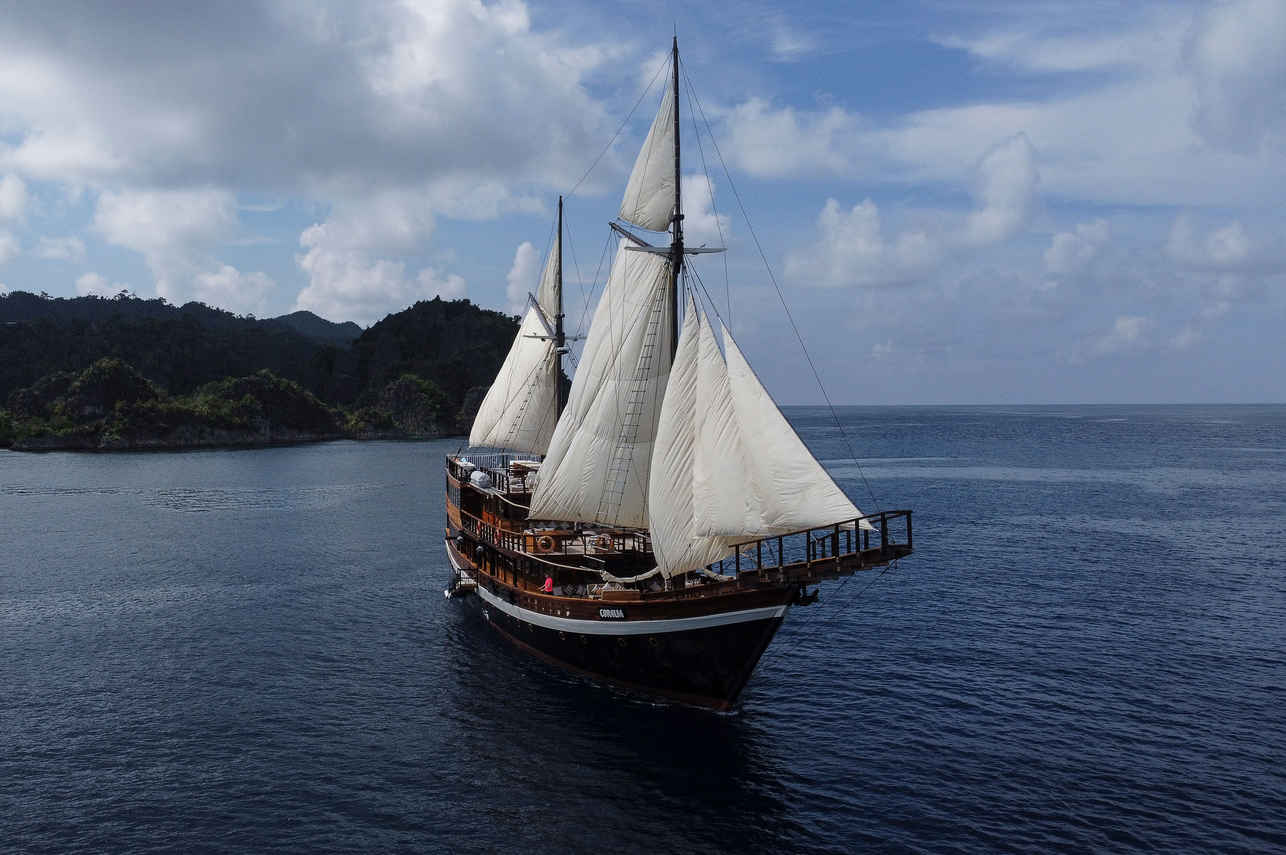 CoraliaIndonesia