
Northern versus central-southern itineraries
The Galápagos archipelago spans a vast marine reserve, divided broadly between the central and southern islands and the isolated northern sector. Itineraries in the central and southern regions navigate between islands such as Santa Cruz, Isabela, San Cristóbal and Fernandina. These journeys focus on sheltered bays, endemic bird colonies, volcanic landscapes and coastal waters where divers encounter sea lions, marine iguanas, turtles and reef sharks.
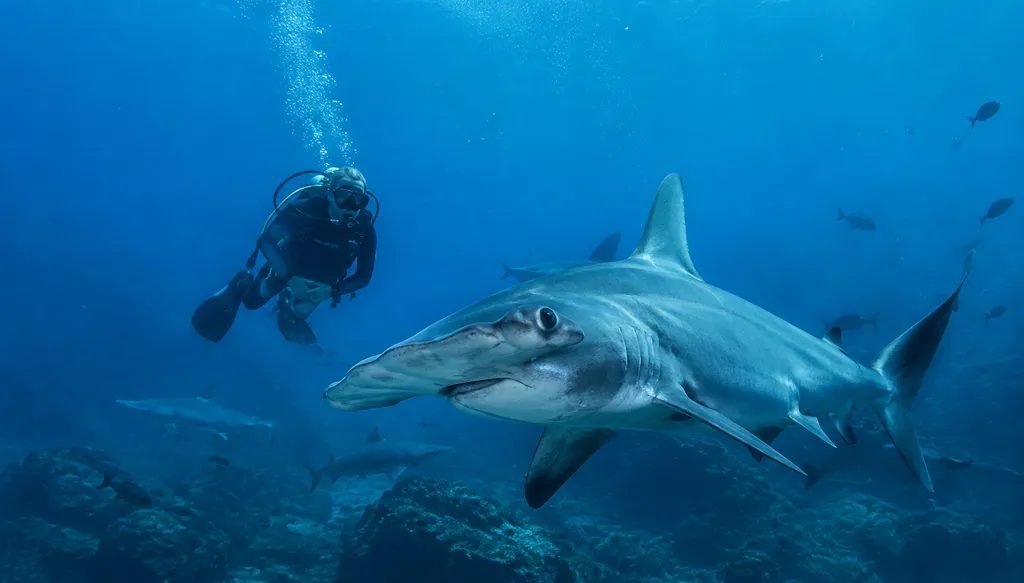
Northern itineraries follow a markedly different profile. Boats leave the central islands behind to undertake overnight open-ocean crossings toward the isolated volcanic peaks of Wolf and Darwin. These northern waters are strictly pelagic territories, fully exposed to open Pacific currents. There are no shore landings permitted in the far north; instead, itineraries centre completely on world-class diving amidst enormous schools of scalloped hammerhead sharks, pelagic rays and oceanic visitors.
Choosing between these routes depends entirely on your travel priorities. The national park service strictly regulates every vessel route to minimise visitor congestion and environmental impact on delicate ecosystems. While central itineraries allow guests to walk alongside giant tortoises and blue-footed boobies on land, northern routes dedicate nearly all daylight hours to sub-surface exploration, making them the preferred choice for committed divers seeking large pelagic action.
- Northern routes focus entirely on pelagic diving at remote islands
- Central and southern routes combine land excursions with coastal marine life
- Outer islands require long overnight passages across open ocean
- National park regulations fix boat routes and passenger capacities
Diving liveaboards versus naturalist cruises
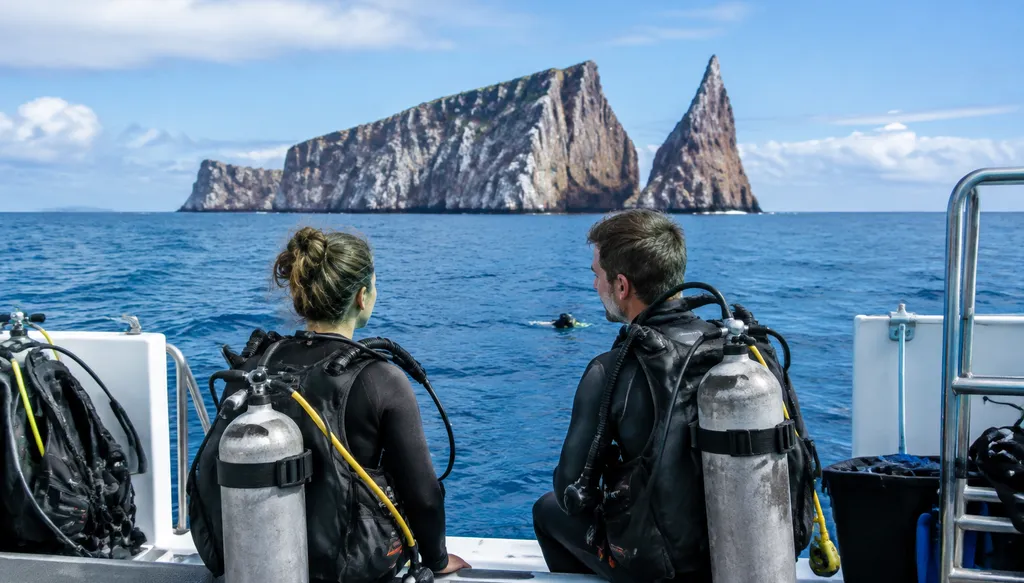
A fundamental distinction exists between Galápagos naturalist cruises and dedicated dive liveaboards. Naturalist vessels are tailored for wildlife observation on land and casual snorkelling from pangas. Certified naturalist guides lead passengers ashore on structured walking trails across volcanic fields and nesting grounds. Because national park regulations maintain strict vessel classifications, naturalist vessels rarely offer serious scuba diving, and deep pelagic sites remain completely off-limits to them.
Dedicated liveaboards are purpose-built or modified for intensive scuba operations. These vessels feature spacious dive decks, nitrox membrane systems, camera wash basins and sturdy tender inflatables designed to handle choppy conditions. The schedule on a dive boat revolves around three or four dives a day, led by experienced dive guides who understand the challenging local currents, drop-offs and open-water safety protocols required in these remote waters.
Travellers must choose their cruise type carefully, as combining land expeditions and offshore diving on a single vessel is not permitted under park rules. Divers wishing to experience both land wildlife and offshore pelagics often book a week on a dive liveaboard followed by hotel-based day excursions or a shorter naturalist cruise. This combination delivers the best of both worlds without compromising diving depth or land encounters.
- Naturalist cruises prioritise guided walks and shore excursions on land
- Dedicated dive liveaboards focus on multiple deep dives daily
- Park rules prohibit mixed naturalist and deep diving itineraries
- Liveaboards carry specialized dive skiffs and professional dive guides
Exploring Darwin and Wolf
Darwin and Wolf represent the pinnacle of Galápagos diving and are consistently ranked among the world premier marine destinations. Located over one hundred miles north of the main archipelago, these uninhabited volcanic outcrops sit directly in the path of nutrient-rich oceanic currents. Their sheer isolation creates a unique underwater environment where schooling hammerhead sharks, Galapagos sharks, silky sharks, bottlenose dolphins and eagle rays gather in remarkable densities.
Reaching these remote outposts requires an extended voyage, and liveaboards typically dedicate several days of their itinerary to the northern sector. At Darwin Island, dives take place along submerged rocky platforms such as the legendary Darwin Arch site, where divers hold position against surging currents to watch pelagic life sweep past. Wolf Island offers drift dives along dramatic vertical walls where eagle rays and sharks cruise through the blue.
The diving at Darwin and Wolf is demanding and strictly unsuited to novices. Divers regularly encounter brisk currents, heavy swells, poor surface visibility and rapid changes in conditions. Operators require guests to hold advanced certifications and significant logged experience before joining. Negative entries, rapid descents and strict buddy awareness are mandatory skills, ensuring everyone safely navigates the open-water drift diving that characterises these iconic islands.
- Accessible only via dedicated multi-day scuba liveaboard cruises
- Massive aggregations of schooling hammerhead sharks throughout the year
- Strong currents and surges demand advanced open-water experience
- No land landings are permitted on either remote island
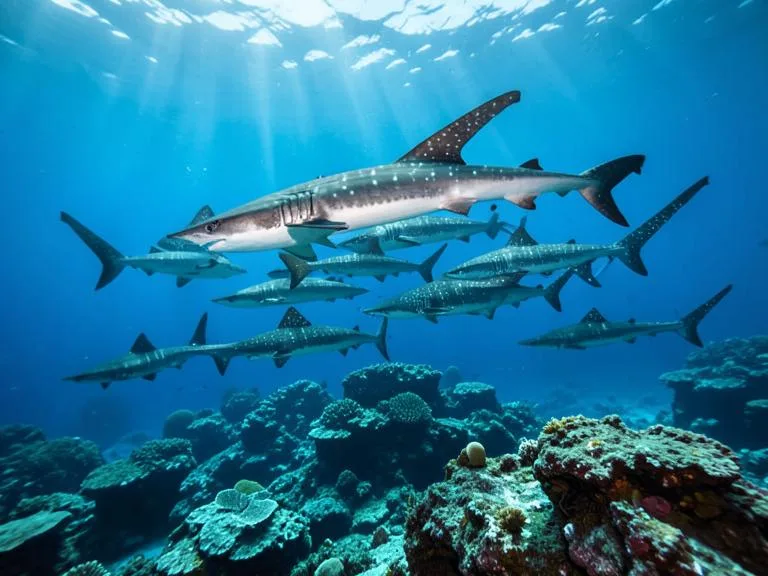
Northern route, Darwin & Wolf
7–8 nights · diving only
The classic dive itinerary: scalloped hammerhead schools, whale sharks in season (June–November), Galápagos sharks and strong current. Advanced divers with 50–100 logged dives only.
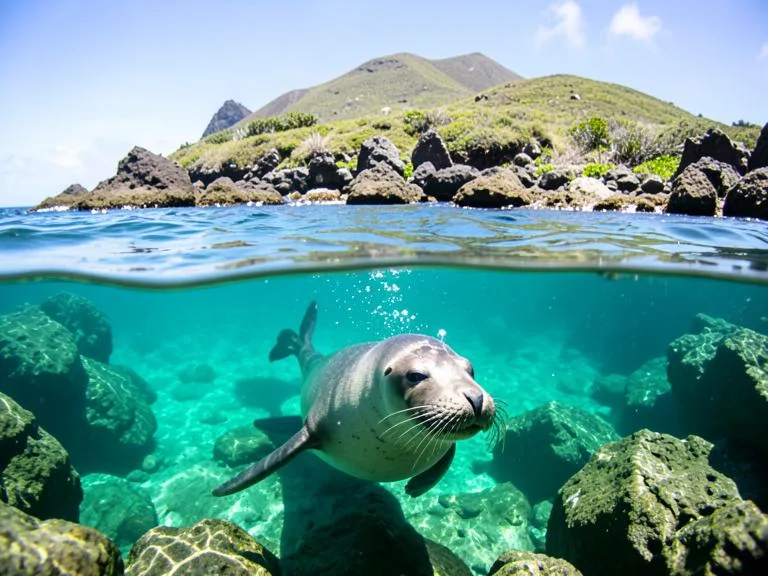
Central & southern islands
4–8 nights · naturalist
Santa Cruz, Floreana, Española and Santa Fé: boobies, the waved albatross, sea-lion colonies and calmer water. The route most naturalist cruises and families choose.
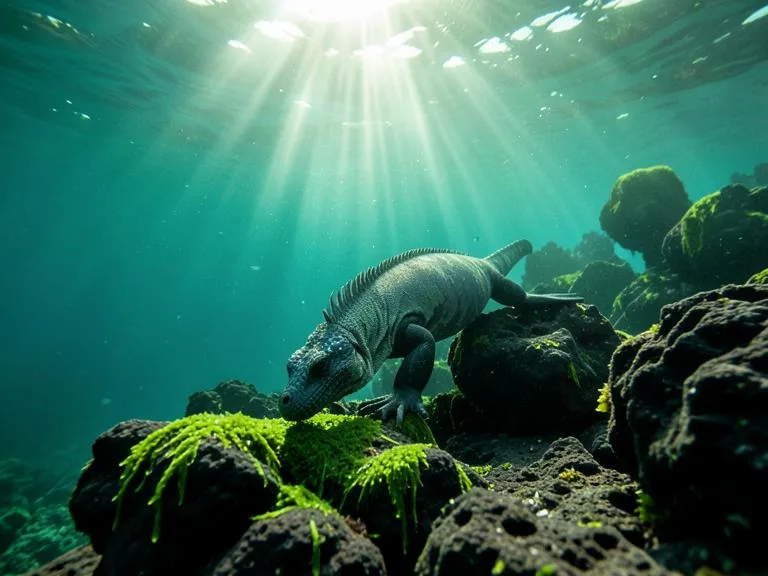
Western route, Isabela & Fernandina
6–8 nights · naturalist
Marine iguanas feeding underwater, Galápagos penguins and flightless cormorants on the youngest, most volcanic islands. Cooler, nutrient-rich water.
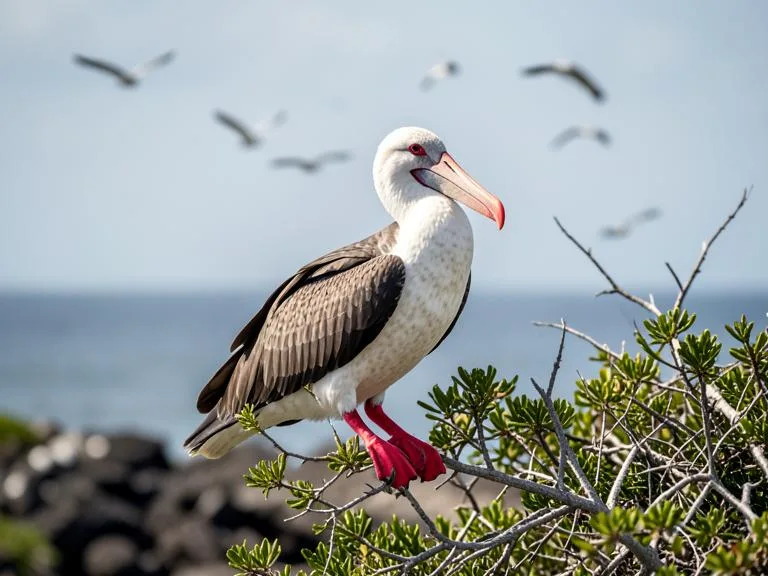
Northeast, Genovesa
usually combined · naturalist
‘Bird island’: enormous frigatebird and red-footed booby colonies, plus fur seals and dense schools of reef fish. Reached on the longer 8-night loops.
Best seasons and marine conditions
The Galápagos climate is governed by competing ocean currents, resulting in two distinct seasons each offering unique underwater advantages. The warm, wet season runs roughly from the end of the year through spring. During these months, the Panama Current brings warmer surface waters, calmer sea conditions and superior underwater visibility. Divers enjoy comfortable conditions, with schools of hammerhead sharks, manta rays and mobula rays active around the islands.
The cool, dry season develops through the middle and latter half of the year, driven by the powerful Humboldt Current. This influx of cold, nutrient-rich water stimulates exceptional marine productivity. Although surface conditions can become choppy and underwater visibility often drops, this is the prime period for encountering colossal whale sharks around Darwin Island. Divers also witness intense feeding activity among sea lions, penguins and pelagic fish species.
Water temperatures vary dramatically across the archipelago depending on local upwellings. A diver may experience tropical warmth at Darwin and Wolf, followed by chilly conditions around western Isabela and Fernandina. Strong thermoclines are common on deep dives, making a thick wetsuit with a hood and gloves essential year-round. Understanding these seasonal and geographical variations helps divers pack properly and align their itinerary with their wildlife goals.
- Warm season offers calmer seas and clearer underwater visibility
- Cool season brings nutrient-rich currents and peak whale shark sightings
- Water temperatures fluctuate significantly across different island regions
- Thermoclines require proper exposure protection throughout the year
Dec–Feb
23–26 °CWarm season begins: calm seas, sea-turtle nesting and the best snorkeling visibility of the year.
Mar–May
24–27 °CWarmest and calmest quarter, sea-lion pups, mating albatross on Española, easy crossings.
Jun–Aug
18–22 °CHumboldt current arrives: whale sharks return to Darwin, hammerhead schools grow, crossings get rougher.
Sep–Nov
18–23 °CWhale-shark peak and the biggest hammerhead schools at Darwin & Wolf; cool water, 5–7 mm suit.
Cruise costs, park fees and practical planning
Planning a Galápagos cruise involves balancing boat categories, park charges and expedition expenses. Vessel prices vary widely based on boat size, comfort class and itinerary length. Higher costs reflect the immense logistical challenges of operating luxury liveaboards in remote, protected waters. High-end vessels provide spacious cabins, individual air conditioning and dedicated camera facilities, while standard boats offer simpler twin bunk accommodations for budget-conscious travellers.
In addition to the cruise fare, visitors must prepare for mandatory government entry fees. Every traveller must obtain a transit control card at the mainland airport in Quito or Guayaquil prior to boarding flights to the islands. Upon arrival at the local Galápagos airport, guests pay the national park entrance fee in cash. These revenues directly support conservation, park surveillance and community sustainability throughout the archipelago.
Liveaboard packages typically include cabin accommodation, all onboard meals, tank rentals, weights and guided diving transfers. Extra expenses to factor into your trip budget include domestic flights from mainland Ecuador, crew gratuities, rental equipment, hyperbaric chamber contributions and nitrox packages. Because vessel capacity across the islands is strictly limited by conservation quotas, securing your cabin well in advance is essential for securing preferred seasonal dates.
- Galápagos National Park entry fees are payable upon arrival
- Mandatory transit control card required before mainland airport departure
- Liveaboard rates include full board, guided diving and skiff transfers
- Nitrox and chamber support fees are commonly billed separately
