About Jardines Reef
Jardines Reef, translating to 'gardens,' is a favorite dive site located directly in front of Playa del Carmen's center, close to the Cozumel ferry pier. It lives up to its name with vibrant, colorful corals and sponges, offering a picturesque underwater landscape. This shallow reef, with a maximum depth of 15 meters, is perfect for Open Water divers and serves as an excellent entry-level training site. The site typically features a slow current, allowing for a comfortable drift dive along the coral gardens. Divers often encounter rays along the sandy edges and observe large schools of French grunts and Atlantic spadefish at a spot known as the 'fish point.' The reef's numerous cracks and overhanging rocks provide ideal habitats for moray eels, lobsters, and king crabs. Occasional sightings of turtles and bull sharks (seasonally) add to the excitement. It is a highly photogenic site, rich in marine life and color, offering an enjoyable and relaxing diving experience.
Highlights
Vibrant coral gardensSchools of French gruntsMoray eels in cracksOccasional turtle sightingsGood for macro life
Season calendar
Best months to dive here
Jan
Feb
Mar
Apr
May
Jun
Jul
Aug
Sep
Oct
Nov
Dec
Excellent
Good
Nov – Apr (Peak)
Socorro season open (Nov–May) for giant mantas and hammerheads. Cozumel bull sharks Dec–Mar. Cenotes excellent year-round. Best overall conditions.
May – Oct (Transition & Sea of Cortez)
Socorro closing, Cozumel still good. Whale sharks arrive at Isla Mujeres Jun–Sep. From August, the Sea of Cortez comes alive: Midriff Islands offer massive sea lion colonies and schooling mobulas. September and October bring world-class diving around La Paz and Cabo Pulmo with whale sharks, hammerheads, and bull sharks on the Explore Baja route.
Dive site facts: Jardines Reef
- Depth
- 12–15 m
- Current
- Mild
- Entry
- Liveaboard or dayboat
- Level
- Beginner
- Dive type
- Reef, Drift
- Region / port
- Mexico
- Coordinates
- 20.3341° N, 87.1856° W
Conditions & Currents
Currents are usually mild, which makes this a relaxed dive suitable for most certified divers. Dive profiles here run between roughly 12 and 15 metres, so plan your gas and no-decompression limits around the deeper part of the site. It is usually briefed as a dive for beginner divers. It can be dived from a liveaboard or a day boat, depending on where you start the trip. Tide, wind and season all shift the picture from day to day, so the crew's briefing on the boat always overrides any general description.
Why dive Jardines Reef from a liveaboard?
Jardines Reef is one of Mexico's signature dive sites. A liveaboard sleeps you on the water and puts you in the water for three to four guided dives per day, including dawn and night dives that day-boat operators rarely offer. You skip the daily commute back to port and reach quieter, less-crowded sites in the same region on a single trip.
Below are the liveaboards that include Jardines Reef on their Mexico itineraries.
Liveaboards diving Jardines Reef
These liveaboards may visit Jardines Reef on selected itineraries — the exact dive sites depend on departure, weather and conditions.
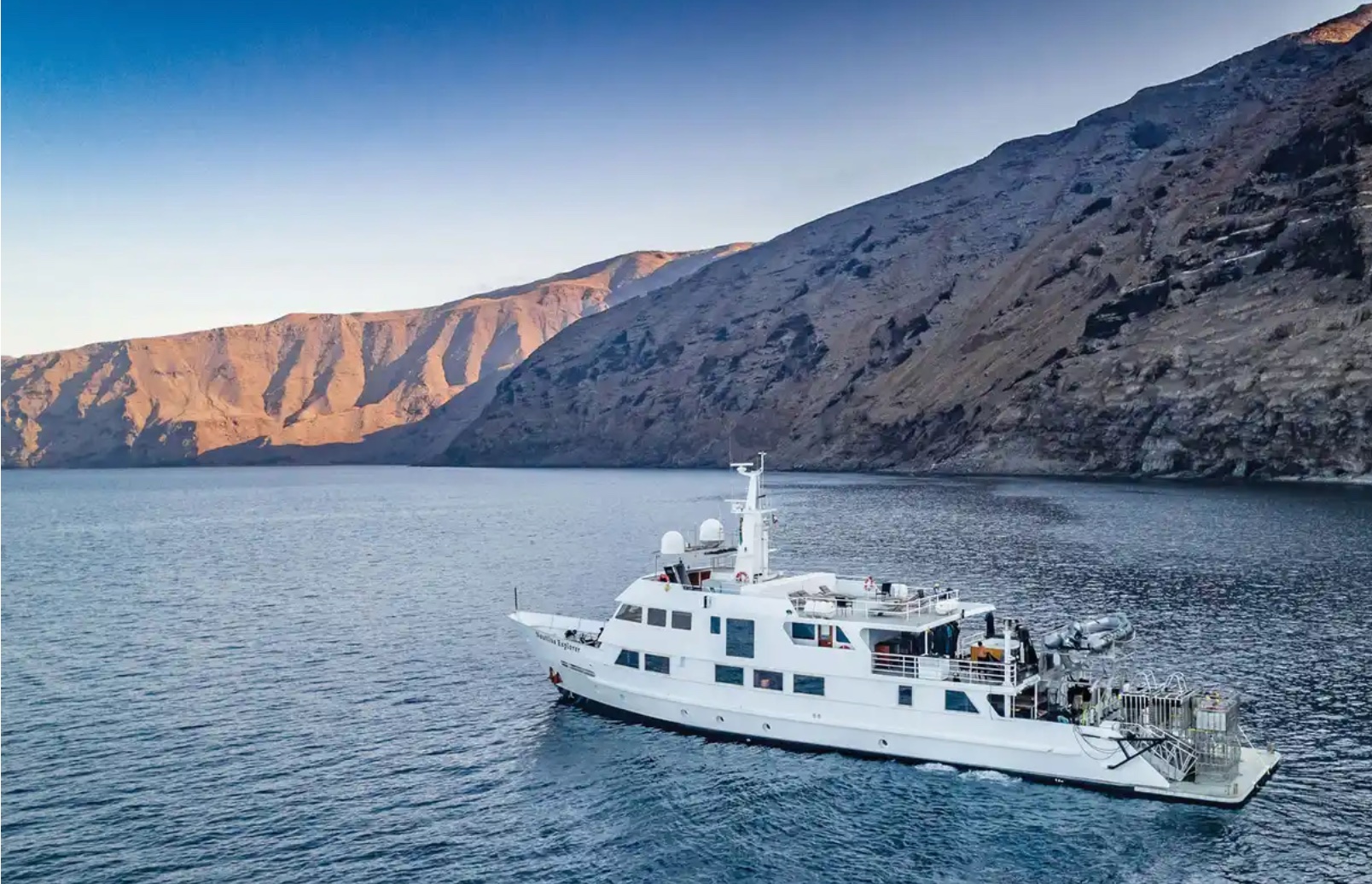
Nautilus Explorer
Mexico
25 guests45 m
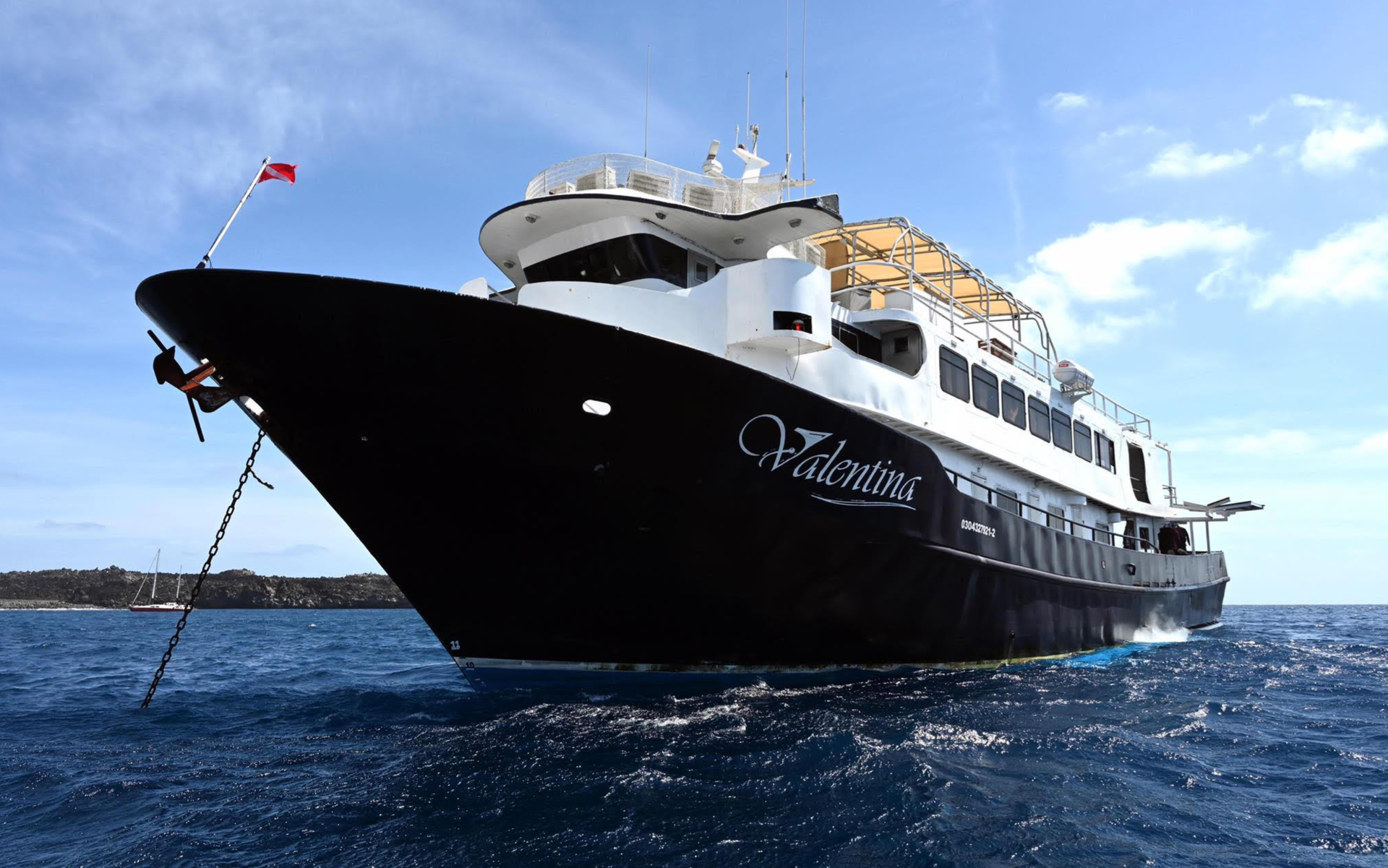
Valentina
Mexico
20 guests38 m
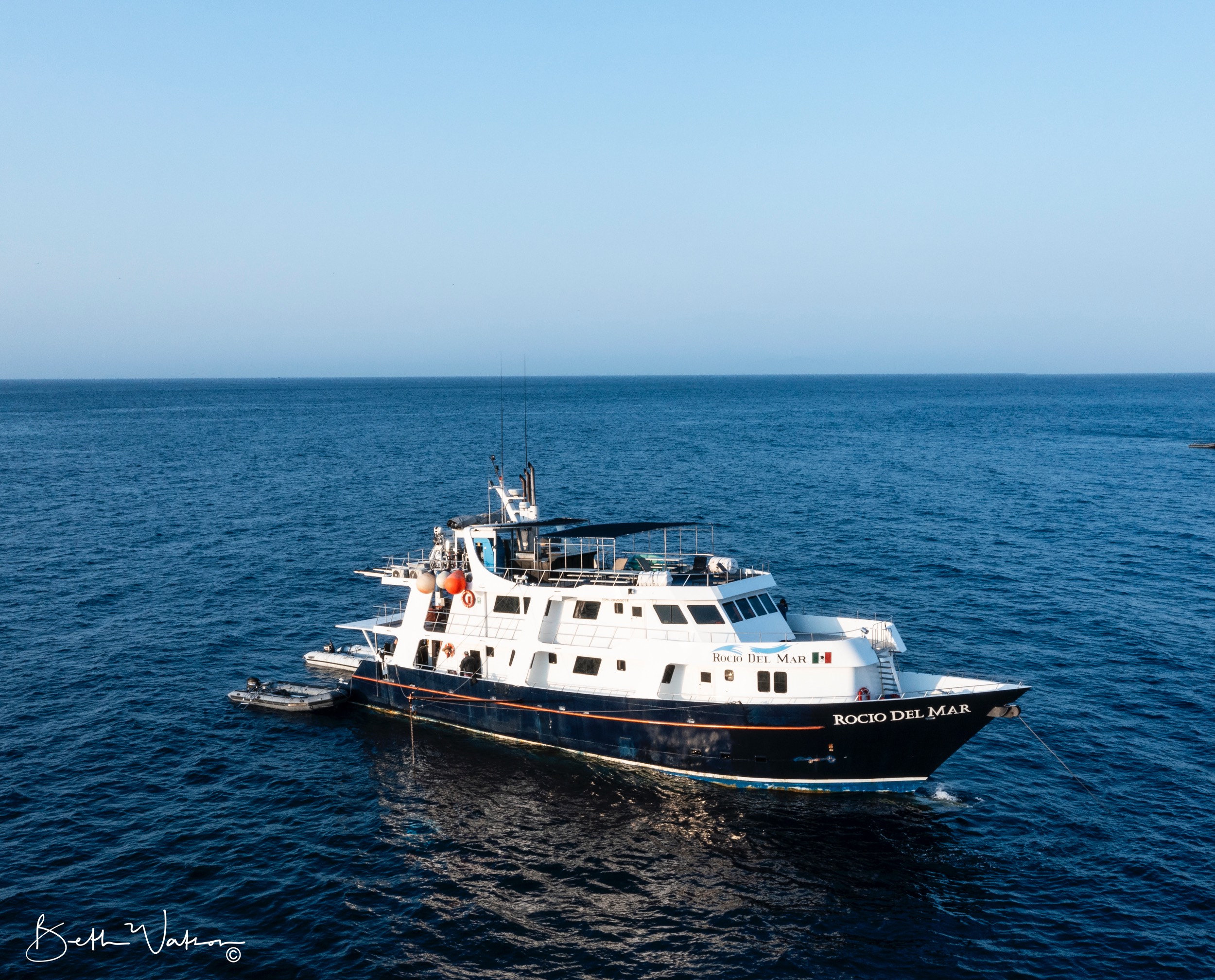
Rocio del Mar
Mexico
20 guests34 m
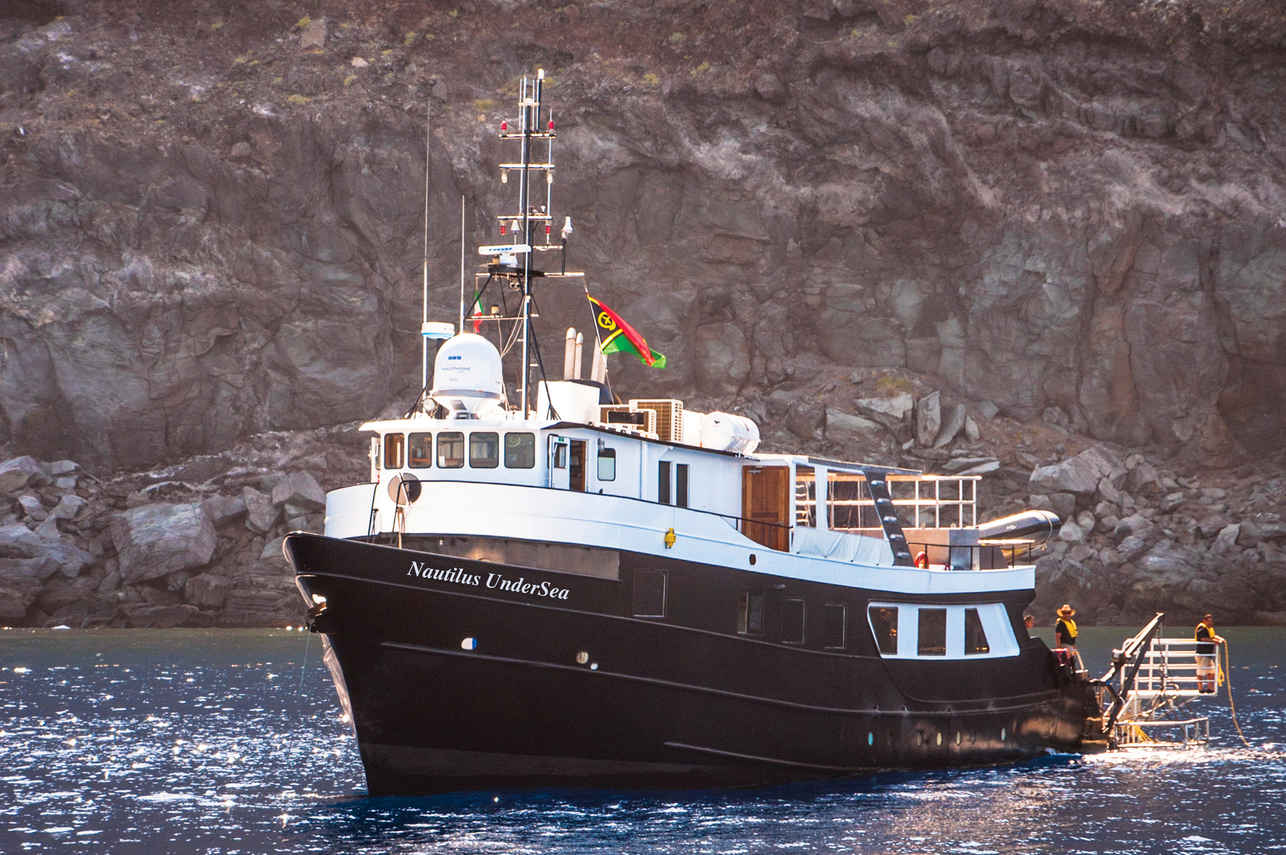
Nautilus Under Sea
Mexico
19 guests32 m
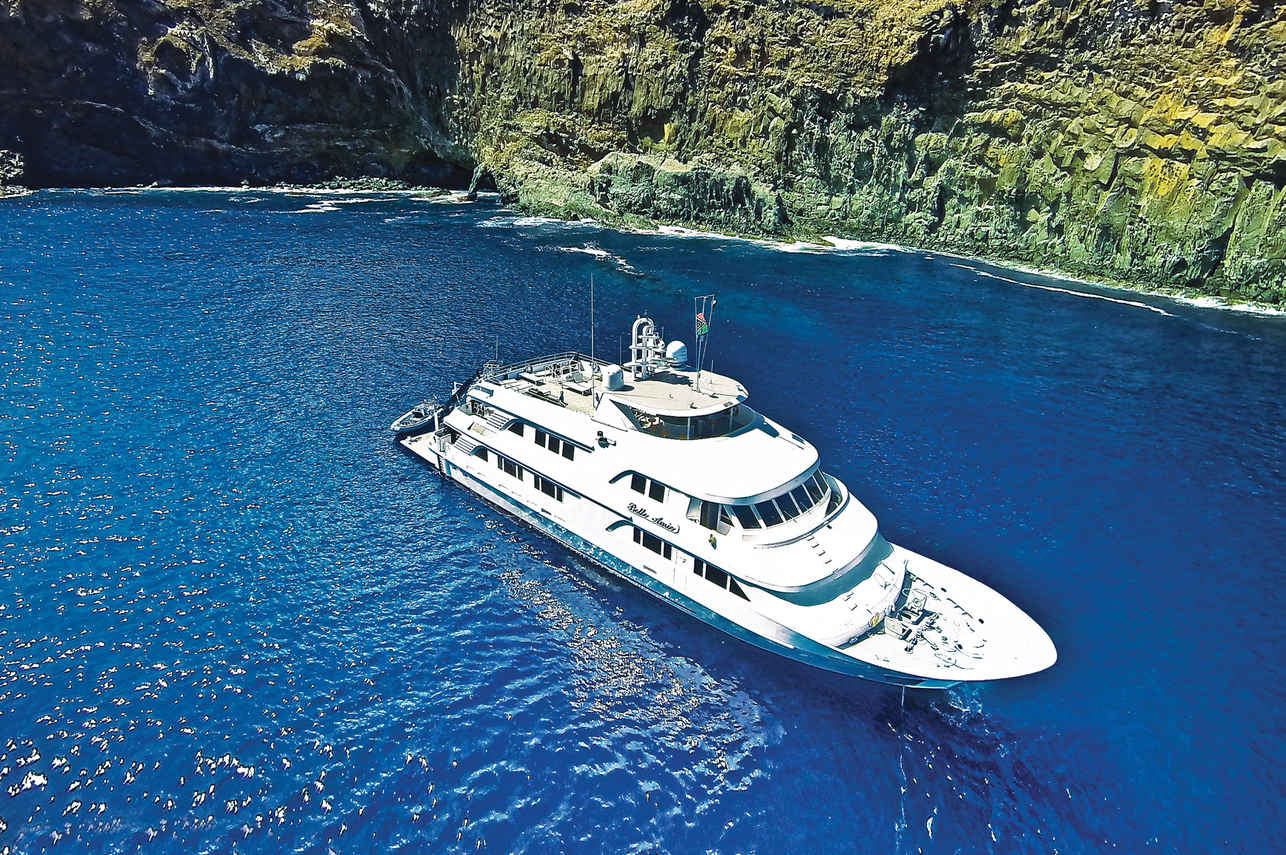
Nautilus Belle Amie
Mexico
32 guests45 m
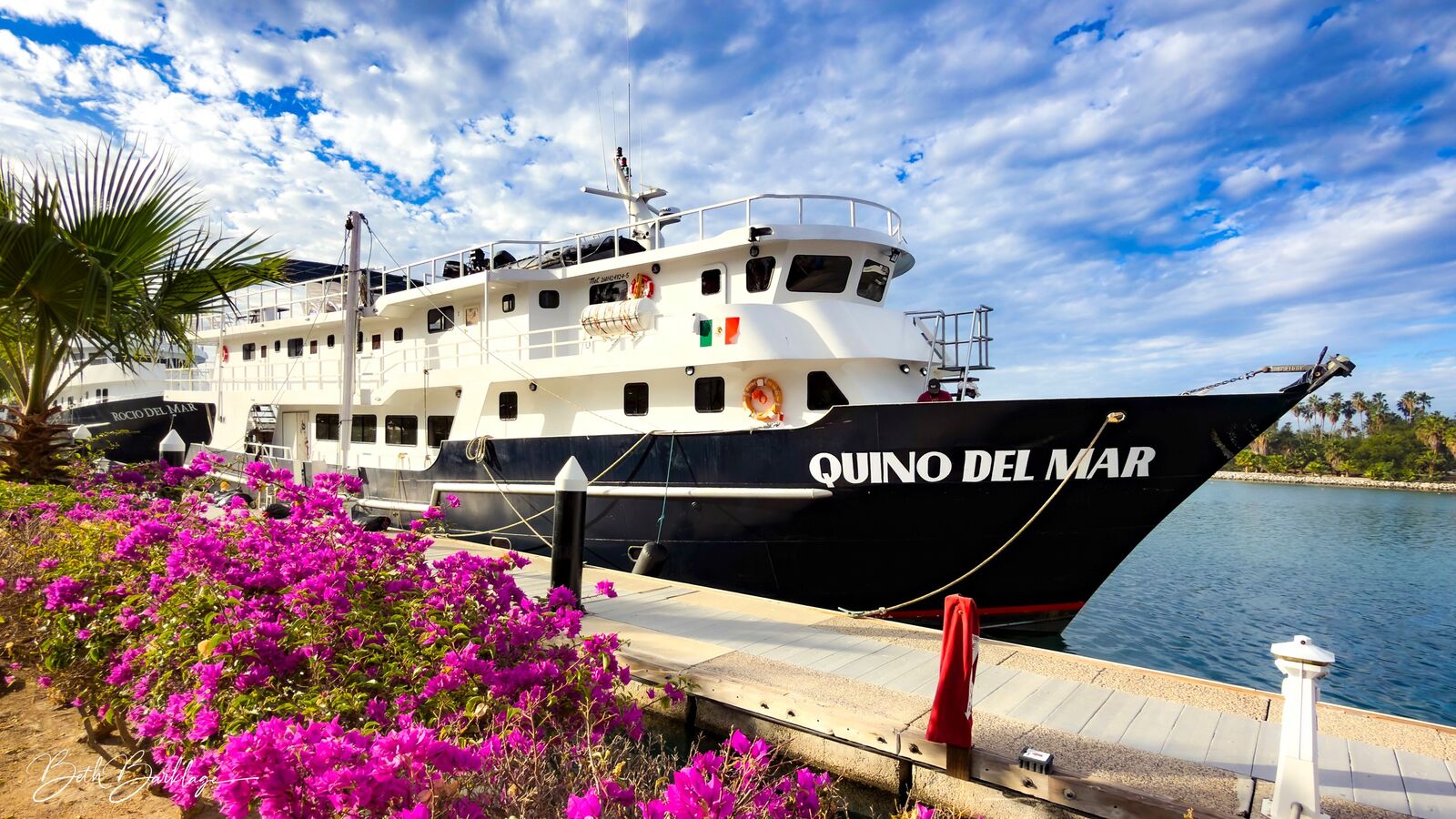
Quino del Mar
Mexico
20 guests36 m
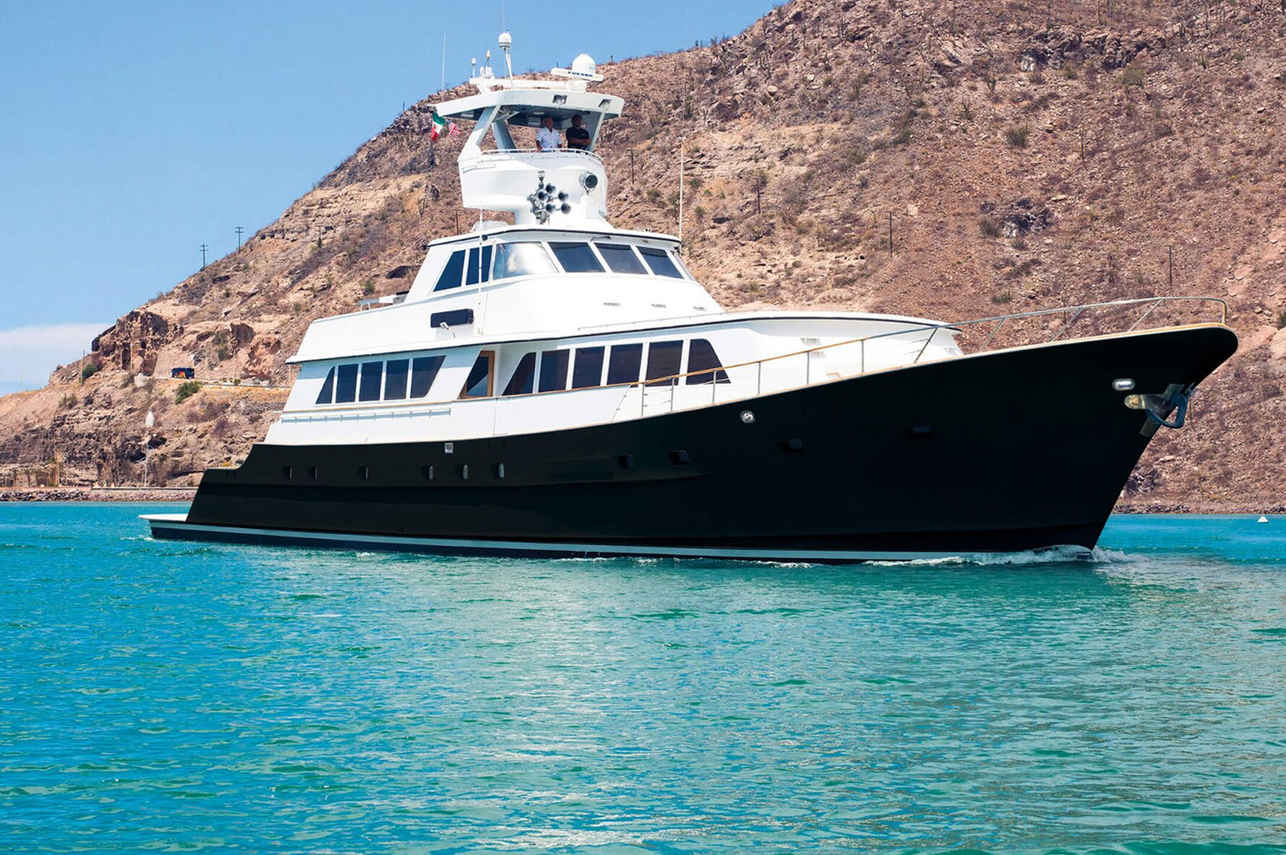
Nautilus Gallant Lady
Mexico
12 guests35 m
Dive sites similar to Jardines Reef
Same character, same waters — six more sites divers love for the exact same reasons.Compare seasons, access and liveaboard routes — then pick the site that fits your trip best.
© Esri — Maxar, Earthstar, GIS
3 Fathom Wall
Cayman Islands
3 Fathom Wall is an exciting and fish-filled dive site located in the Cayman Islands, specifically at the intersection of the renowned Bloody Bay Wall.
- Suitable for
- Intermediate
- Current
- Mild
- Access
- Liveaboard only
- Depth
- ≤ 3000 m
- Theme
- Reef
While specific details for a dive site named "3 Riff" are not present in the provided sources, general diving conditions and characteristics for the Dominican Republic…
- Suitable for
- Advanced
- Current
- Mild
- Access
- Dayboat
- Depth
- 30–55 m
- Theme
- Reef
The dive site known as 3 Rocks is located off the coast of Sosúa in Puerto Plata, Dominican Republic, offering an accessible and lively underwater experience.
- Suitable for
- Beginner
- Current
- Mild
- Access
- Dayboat
- Depth
- 2–8 m
- Theme
- Reef
4 Amigos is a notable dive site located in the Bay Islands of Honduras, an area renowned for its extensive Mesoamerican Barrier Reef System, which is the world's second-longest.
- Suitable for
- Intermediate
- Current
- Moderate
- Access
- Liveaboard or dayboat
- Depth
- 9–40 m
- Theme
- Reef
© Esri — Maxar, Earthstar, GIS
6 Toed Cat
Mexico
The dive site known as "6 Toed Cat" is not a recognized dive location in Mexico; rather, it refers to the polydactyl felines, many with six toes, that inhabit the Ernest Hemingway Home and Museum in Key West, Florida.
- Suitable for
- Beginner
- Current
- Mild
- Access
- Liveaboard or dayboat
- Depth
- —
- Theme
- Reef
© Esri — Maxar, Earthstar, GIS
Aaron's Backyard
Honduras
Aaron's Backyard is a noted dive site within the Roatan Marine Park in Honduras, part of the extensive Mesoamerican Barrier Reef System.
- Suitable for
- Intermediate
- Current
- Moderate
- Access
- Liveaboard or dayboat
- Depth
- 9–40 m
- Theme
- Reef