Ultimate Combo - Mobulas, Orcas and Whale Sharks (Cabo - La Paz)
Nautilus Under Sea · Mexico · 10 nights
About this route
Embark on a remarkable journey through the Sea of Cortez, a region celebrated for its extraordinary marine diversity and seasonal mega-fauna. This expedition focuses on locating massive schools of mobula rays and the elusive orcas that often follow them through these nutrient-rich waters. Guests can expect a mix of diving and surface encounters, utilizing spotter aircraft to maximize chances of seeing whale sharks, various whale species, and playful sea lions. It is a dynamic itinerary designed for those who appreciate the raw beauty and unpredictable nature of pelagic marine life.
Regions on this route
Highlights
Cabo San Lucas
A bustling hub at the tip of the peninsula, offering access to deep water canyons and rich marine life right at the start of the trip.
- Deep water canyons
- California sea lions
- Pelagic passage
La Paz
The gateway to the central Sea of Cortez, famous for its calm bays and resident populations of whale sharks and sea lion colonies.
- Whale shark sightings
- Sea lion interactions
- Calm bay waters
Mobulas & Orcas
The primary focus of this route involves tracking massive schools of rays, which in turn attract the ocean's top predator, the orca.
- Massive ray schools
- Orca tracking
- Predator-prey dynamics
Requirements
- CertificationOpen-Water
- Minimum logged dives30
- ExperienceMinimum 30 logged dives required for this experience level.
Shore excursions
- Complimentary photo and video workshop at SeeCreatures Cabo San Lucas on day one.
- Optional evening presentations on marine life and expedition strategy.
Good to know
- A 24-hour surface interval is recommended after the final dive before flying.
- Spotter aircraft are utilized to assist in locating mega-fauna like orcas and whales.
- Itinerary is subject to change based on local regulations and weather conditions.
Day-by-day plan
Day 1: Embarkation – Cabo San Lucas Arrival
Upon arrival in Cabo San Lucas, guests are invited to participate in a complimentary photo and video workshop. Boarding the expedition vessel begins in the late afternoon, followed by a welcome orientation and dinner as the ship prepares to depart.
Day 2: Sea of Cortez – Pelagic Encounters
The expedition begins in earnest by searching for the region's famous aggregations of rays and dolphins. The area is known for its deep blue waters and varying currents that draw in large marine mammals, often providing excellent visibility for surface and underwater sightings. Marine life commonly sighted here includes vast schools of mobula rays and energetic pods of bottlenose dolphins.
Day 3: Sea of Cortez – Pelagic Encounters
The expedition begins in earnest by searching for the region's famous aggregations of rays and dolphins. The area is known for its deep blue waters and varying currents that draw in large marine mammals, often providing excellent visibility for surface and underwater sightings. Marine life commonly sighted here includes vast schools of mobula rays and energetic pods of bottlenose dolphins.
Day 4: Sea of Cortez – Pelagic Encounters
The expedition begins in earnest by searching for the region's famous aggregations of rays and dolphins. The area is known for its deep blue waters and varying currents that draw in large marine mammals, often providing excellent visibility for surface and underwater sightings. Marine life commonly sighted here includes vast schools of mobula rays and energetic pods of bottlenose dolphins.
Day 5: Sea of Cortez – Pelagic Encounters
The expedition begins in earnest by searching for the region's famous aggregations of rays and dolphins. The area is known for its deep blue waters and varying currents that draw in large marine mammals, often providing excellent visibility for surface and underwater sightings. Marine life commonly sighted here includes vast schools of mobula rays and energetic pods of bottlenose dolphins.
Day 6: Sea of Cortez – Pelagic Encounters
The expedition begins in earnest by searching for the region's famous aggregations of rays and dolphins. The area is known for its deep blue waters and varying currents that draw in large marine mammals, often providing excellent visibility for surface and underwater sightings. Marine life commonly sighted here includes vast schools of mobula rays and energetic pods of bottlenose dolphins.
Day 7: Sea of Cortez – Pelagic Encounters
The expedition begins in earnest by searching for the region's famous aggregations of rays and dolphins. The area is known for its deep blue waters and varying currents that draw in large marine mammals, often providing excellent visibility for surface and underwater sightings. Marine life commonly sighted here includes vast schools of mobula rays and energetic pods of bottlenose dolphins.
Day 8: Sea of Cortez – Pelagic Encounters
The expedition begins in earnest by searching for the region's famous aggregations of rays and dolphins. The area is known for its deep blue waters and varying currents that draw in large marine mammals, often providing excellent visibility for surface and underwater sightings. Marine life commonly sighted here includes vast schools of mobula rays and energetic pods of bottlenose dolphins.
Day 9: Sea of Cortez – Pelagic Encounters
The expedition begins in earnest by searching for the region's famous aggregations of rays and dolphins. The area is known for its deep blue waters and varying currents that draw in large marine mammals, often providing excellent visibility for surface and underwater sightings. Marine life commonly sighted here includes vast schools of mobula rays and energetic pods of bottlenose dolphins.
Day 10: Sea of Cortez – Pelagic Encounters
The expedition begins in earnest by searching for the region's famous aggregations of rays and dolphins. The area is known for its deep blue waters and varying currents that draw in large marine mammals, often providing excellent visibility for surface and underwater sightings. Marine life commonly sighted here includes vast schools of mobula rays and energetic pods of bottlenose dolphins.
Day 11: Disembarkation – La Paz Arrival
After enjoying a final breakfast on board, guests will disembark the vessel in La Paz around 08:30. A complimentary shuttle transfer is available for those returning to San Jose del Cabo (SJD).
Upcoming departures
- 2027-07-05 – 2027-07-15from 3,735.4 USDBook
- 2027-07-15 – 2027-07-25from 3,735.4 USDBook
- 2027-07-25 – 2027-08-04from 3,735.4 USDBook
- 2028-06-30 – 2028-07-10from 3,835.15 USDBook
- 2028-07-10 – 2028-07-20from 3,835.15 USDBook
- 2029-07-06 – 2029-07-16from 3,934.9 USDBook
- 2029-07-16 – 2029-07-26from 3,934.9 USDBook
- 2030-07-05 – 2030-07-15from 4,034.65 USDBook
All routes of this liveaboard
- Sea of Cortez Get-Aways (Cabo San Lucas - La Paz) · 6 nights
- Sea of Cortez Diving La Paz - Loreto Great Circle (Cabo San Lucas - Cabo San Lucas) · 7 nights
- Sea of Cortez Get-Aways (Cabo - Cabo) · 5 nights
- Sea of Cortez Get-Aways (Cabo - Cabo) · 5 nights
- Sea of Cortez Expeditions (San Jose Del Cabo - San Jose Del Cabo) · 7 nights
- Sea of Cortez Expeditions (San Jose del Cabo - San Jose del Cabo) · 7 nights
- Ocean Safari: Mobulas, Whales, and even Orcas (Cabo San Lucas - La Paz) · 7N
- Mexico Sardine Run / Magdalena Bay (Cabo - Cabo) · 8 nights
- Ultimate Combo - Mobulas, Orcas and Whale Sharks (Cabo - La Paz) · 10 nights
- Socorro - Giant Mantas, Sharks and Dolphins · 9 Days / 8 Nights
- Ultimate Whale Sharks in the Sea of Cortez (Cabo San Lucas - La Paz) · 7 nights
- La Paz - Loreto great circle = Sea of Cortez · 7 nights
- Sea of Cortez Get-Aways (Cabo - Cabo) · 5 nights
- Sea of Cortez Expeditions (San Jose del Cabo - San Jose del Cabo) · 7 nights
- Sea of Cortez Expeditions (San Jose del Cabo - San Jose del Cabo) · 6 nights
- Unique Combo - Socorro, and Orcas, and Giant Schools of Mobula Rays (Cabo San Lucas - Cabo San Lucas) · 11 nights
- Sea of Cortez – La Paz North to Loreto (Cabo San Lucas - La Paz) · 7 nights
About the vessel
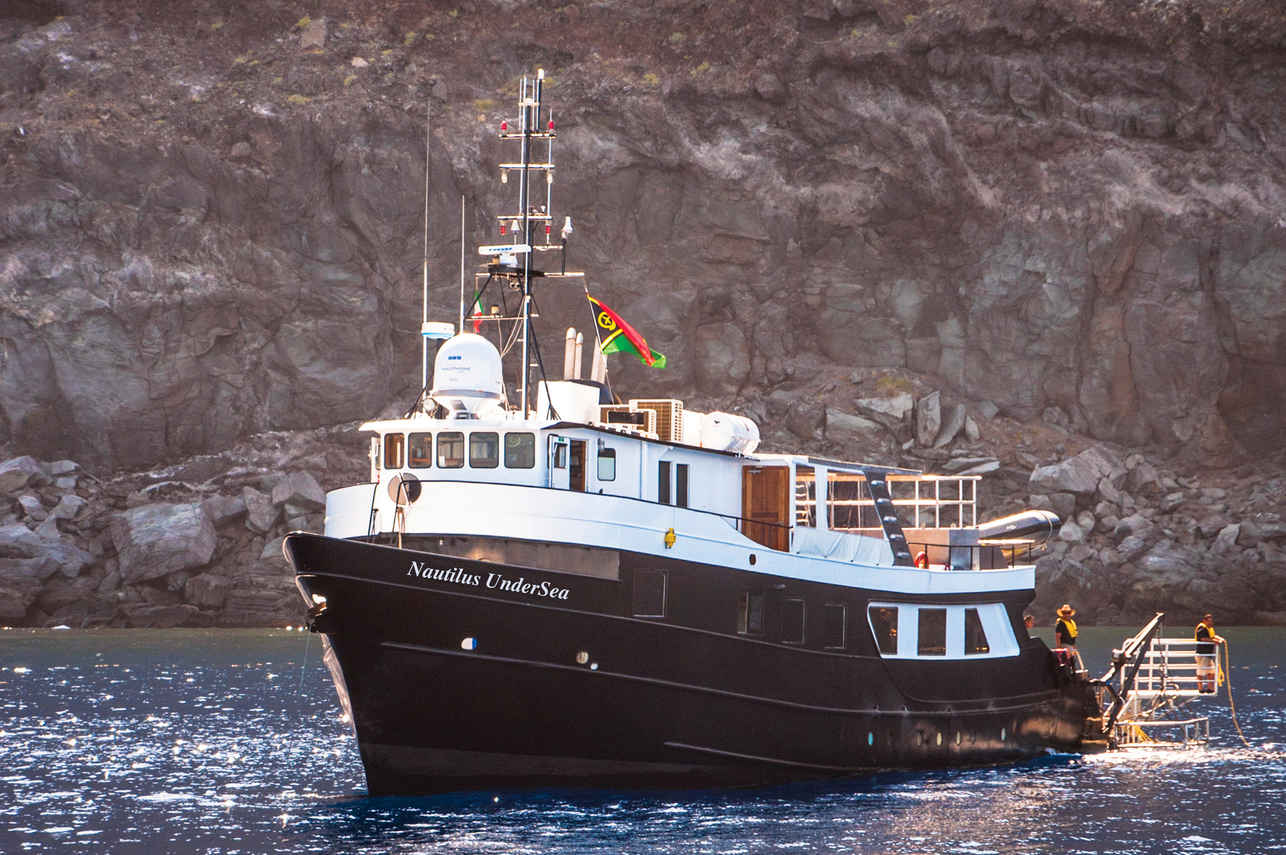 Nautilus Under SeaMexico