Unique Combo - Socorro, and Orcas, and Giant Schools of Mobula Rays (Cabo San Lucas - Cabo San Lucas)
Nautilus Belle Amie · Mexico · 11N
About this route
This unique liveaboard journey from Cabo San Lucas offers an unparalleled opportunity to encounter diverse marine megafauna in the Pacific Ocean. Guests can anticipate thrilling interactions with giant schools of mobula rays, orcas, and various shark species. The itinerary combines the vibrant Sea of Cortez with the remote wonders of Socorro Island, providing a rich tapestry of underwater experiences. Known for its rich biodiversity, the region promises unforgettable encounters with a wide array of pelagic life.
Regions on this route
Highlights
Cabo
The Cabo region, including Cabo San Lucas, represents the southern tip of the Baja California Peninsula and is a significant hub for liveaboard departures. Its unique geographical position where the Pacific Ocean meets the Sea of Cortez creates a dynamic marine environment. The area is known for its beautiful coastline and vibrant underwater landscapes.
- Southern Baja Peninsula
- Pacific Ocean convergence
- Vibrant underwater scenes
- Liveaboard departure point
Cabo San Lucas
Cabo San Lucas is a popular tourist destination at the southern tip of the Baja California Peninsula. Beyond its scenic beauty, it serves as a primary embarkation and disembarkation point for liveaboard trips exploring the Sea of Cortez and Socorro Island. The surrounding waters provide opportunities for observing varied marine life, including sea lions and occasionally larger pelagics.
- Liveaboard hub
- Baja California tip
- Sea lion colonies
- Scenic coastal diving
La Paz
La Paz serves as a gateway to the rich marine biodiversity of the Sea of Cortez. This region is renowned for its diverse ecosystems and is a prime location for encountering large pelagic species. The waters around La Paz are often calm, making it suitable for various diving activities, from observing macro life to seeking out larger animals.
- Gateway to Sea of Cortez
- Rich biodiversity
- Calm waters
- Diverse marine life
Sea Of Cortez
The Sea of Cortez is a UNESCO World Heritage site, often referred to as 'the aquarium of the world' due to its incredible marine diversity. It is a vital breeding and feeding ground for numerous species, including various types of whales, dolphins, sharks, and schooling fish. The underwater topography ranges from rocky reefs and kelp forests to deep canyons, supporting a wide array of marine life.
- UNESCO World Heritage
- High marine biodiversity
- Whales, dolphins, sharks
- Varied underwater topography
Socorro Island
Socorro Island is the largest of the Revillagigedo Islands, a remote volcanic archipelago in the Pacific Ocean, often called 'the Galapagos of Mexico'. It is a world-class destination for encounters with giant pelagic animals, particularly its famous oceanic manta rays that interact closely with divers. The island's remote location and deep offshore waters attract a significant population of sharks, dolphins, and humpback whales during specific seasons.
- Giant oceanic manta rays
- Shark encounters
- Dolphin interactions
- Humpback whale sightings
Requirements
- CertificationAdvanced Open Water
- Minimum logged dives50
- ExperienceDivers should have at least 50 logged dives to participate in this trip.
Good to know
- A minimum of 24 hours is recommended before flying after the last dive.
- Socorro Island Park fees are USD 172 per person per day.
Day-by-day plan
Day 1: Embarkation – Cabo San Lucas
Upon arrival in Cabo San Lucas, guests will transfer to the Nautilus Belle Amie for check-in. There will be an optional complimentary photo and video workshop at SeeCreatures Cabo San Lucas before an afternoon transfer to La Paz. Guests will settle into their cabins and receive a comprehensive safety briefing from the crew as the vessel prepares for departure.
Day 2: Sea of Cortez – Mobula Ray Encounters
Today marks the beginning of the dive program, focusing on the incredible mobula ray aggregations within the Sea of Cortez. Divers will engage in multiple dives, aiming for close encounters with these schooling rays, which are known for their acrobatic displays. The area often features strong currents, making for exciting drift dives amidst vibrant marine activity. The dive program continues in the Sea of Cortez, offering further opportunities to witness the mesmerizing giant schools of mobula rays. Divers will participate in multiple dives, with the crew actively searching for the best interactions. The region's diverse underwater terrain often features a mix of rocky reefs and open water, providing varied habitats for marine life and potential for dynamic currents.
Day 3: Sea of Cortez – Mobula Ray Encounters
Today marks the beginning of the dive program, focusing on the incredible mobula ray aggregations within the Sea of Cortez. Divers will engage in multiple dives, aiming for close encounters with these schooling rays, which are known for their acrobatic displays. The area often features strong currents, making for exciting drift dives amidst vibrant marine activity. The dive program continues in the Sea of Cortez, offering further opportunities to witness the mesmerizing giant schools of mobula rays. Divers will participate in multiple dives, with the crew actively searching for the best interactions. The region's diverse underwater terrain often features a mix of rocky reefs and open water, providing varied habitats for marine life and potential for dynamic currents.
Day 4: Sea of Cortez – Mobula Ray Encounters
Today marks the beginning of the dive program, focusing on the incredible mobula ray aggregations within the Sea of Cortez. Divers will engage in multiple dives, aiming for close encounters with these schooling rays, which are known for their acrobatic displays. The area often features strong currents, making for exciting drift dives amidst vibrant marine activity. The dive program continues in the Sea of Cortez, offering further opportunities to witness the mesmerizing giant schools of mobula rays. Divers will participate in multiple dives, with the crew actively searching for the best interactions. The region's diverse underwater terrain often features a mix of rocky reefs and open water, providing varied habitats for marine life and potential for dynamic currents.
Day 5: Sea of Cortez – Mobula Ray Encounters
Today marks the beginning of the dive program, focusing on the incredible mobula ray aggregations within the Sea of Cortez. Divers will engage in multiple dives, aiming for close encounters with these schooling rays, which are known for their acrobatic displays. The area often features strong currents, making for exciting drift dives amidst vibrant marine activity. The dive program continues in the Sea of Cortez, offering further opportunities to witness the mesmerizing giant schools of mobula rays. Divers will participate in multiple dives, with the crew actively searching for the best interactions. The region's diverse underwater terrain often features a mix of rocky reefs and open water, providing varied habitats for marine life and potential for dynamic currents.
Day 6: Sea of Cortez – Orca Encounters
Today's focus shifts towards seeking out orcas, which are occasionally sighted in the nutrient-rich waters of the Sea of Cortez. The crew will be actively searching for these magnificent marine mammals, offering unique interaction opportunities. Diving in this area often presents diverse conditions, from calm bays to areas with stronger currents, providing a dynamic experience. The hunt for orcas continues in the Sea of Cortez, leveraging the vessel's mobility to explore different areas known for their movements. In addition to orcas, divers can expect to encounter other large pelagic fish and sharks. The ocean floor here features a mix of sandy flats, rocky outcrops, and some deeper trenches, which attract a variety of species.
Day 7: Sea of Cortez – Orca Encounters
Today's focus shifts towards seeking out orcas, which are occasionally sighted in the nutrient-rich waters of the Sea of Cortez. The crew will be actively searching for these magnificent marine mammals, offering unique interaction opportunities. Diving in this area often presents diverse conditions, from calm bays to areas with stronger currents, providing a dynamic experience. The hunt for orcas continues in the Sea of Cortez, leveraging the vessel's mobility to explore different areas known for their movements. In addition to orcas, divers can expect to encounter other large pelagic fish and sharks. The ocean floor here features a mix of sandy flats, rocky outcrops, and some deeper trenches, which attract a variety of species.
Day 8: Socorro Island – Remote Pacific Diving
The expedition reaches Socorro Island, a remote volcanic outpost in the Pacific Ocean renowned for its big animal encounters. Dives here typically involve strong currents and open-ocean conditions, attracting large pelagics. This day will feature multiple dives around the island, famous for its resident populations of oceanic manta rays and several shark species.
Day 9: Socorro Island – Big Animal Encounters
Diving around Socorro Island continues, offering further opportunities for incredible encounters with large marine life. The volcanic topography features dramatic pinnacles and deep walls, where pelagic species often congregate. Current strength can vary, providing thrilling drift dives and excellent chances to spot schooling hammerheads or curious dolphins. Another full day dedicated to exploring the dive sites of Socorro Island, recognized for its consistent big animal action. Divers will experience the unique thrill of interacting with oceanic manta rays that often approach divers closely. The clear Pacific waters often provide excellent visibility, enhancing the chances of spotting various shark species patrolling the deeper waters.
Day 10: Socorro Island – Big Animal Encounters
Diving around Socorro Island continues, offering further opportunities for incredible encounters with large marine life. The volcanic topography features dramatic pinnacles and deep walls, where pelagic species often congregate. Current strength can vary, providing thrilling drift dives and excellent chances to spot schooling hammerheads or curious dolphins. Another full day dedicated to exploring the dive sites of Socorro Island, recognized for its consistent big animal action. Divers will experience the unique thrill of interacting with oceanic manta rays that often approach divers closely. The clear Pacific waters often provide excellent visibility, enhancing the chances of spotting various shark species patrolling the deeper waters.
Day 11: Socorro Island – Big Animal Encounters and Transit
The final day of diving around Socorro Island provides last opportunities to engage with its iconic marine inhabitants, including oceanic mantas and various sharks. After the morning dives, the vessel will begin its transit back towards Cabo San Lucas. This evening offers a chance to relax on deck under the starry sky, reflecting on the week's incredible encounters.
Day 12: Disembarkation – Cabo San Lucas
Guests will enjoy breakfast on board before disembarking the Nautilus Belle Amie around 8:30 am in Cabo San Lucas. A complimentary coach transfer to SJD airport is available for those departing from La Paz. This concludes the unique dive adventure.
Upcoming departures
No departures scheduled for this route right now.
All routes of this liveaboard
- Sea of Cortez Diving La Paz - Loreto Great Circle (Cabo San Lucas - Cabo San Lucas) · 8 nights
- Sea of Cortez Get-Aways (Cabo - Cabo) · 5 nights
- Sea of Cortez Diving La Paz - Loreto Great Circle (Cabo San Lucas - Cabo San Lucas) · 7 nights
- Ocean Safari: Mobulas, Whales, and even Orcas (Cabo San Lucas - La Paz) · 7 nights
- Mexico Sardine Run / Magdalena Bay (Cabo - Cabo) · 8 nights
- Sea of Cortez Classic (La Paz - La Paz) · 7 nights
- Sea of Cortez Diving La Paz - Loreto Great Circle (Cabo San Lucas - Cabo San Lucas) · 7 nights
- Sea of Cortez Get-Aways (Cabo - Cabo) · 5 nights
- Ultimate Combo - Mobulas, Orcas and Whale Sharks (Cabo - La Paz) · 10 nights
- Sea of Cortez Classic (La Paz - La Paz) · 7 nights
- Socorro - Giant Mantas, Sharks and Dolphins (Cabo San Lucas - Cabo San Lucas) · 8 nights
- Sea of Cortez Diving La Paz - Loreto Great Circle (Cabo San Lucas - Cabo San Lucas) · 7 nights
- Sea of Cortez Get-Aways (Cabo - Cabo) · 5 nights
- Ocean Safari: Mobulas, Whales, and even Orcas (Cabo San Lucas - La Paz) · 7 nights
- Socorro - Giant Mantas, Sharks and Dolphins · 9 Days / 8 Nights
- Ultimate Whale Sharks in the Sea of Cortez (Cabo San Lucas - La Paz) · 7 nights
- SUPER COMBO: Socorro and the Bait Balls plus Amazing Action around the Mexico Sardine Run (Cabo San Lucas - Cabo San Lucas) · 12 nights
- Sea of Cortez Get-Aways (Cabo - Cabo) · 5 nights
- Ocean Safari; Mobulas, Whales and even Orcas · 7 nights
- Sea of Cortez – La Paz North to Loreto (Cabo San Lucas - La Paz) · 7 nights
- Sea of Cortez – La Paz North to Loreto (Cabo San Lucas - La Paz) · 7 nights
- Ocean Safari: Whales, Mobulas, Orcas, and more! (Cabo San Lucas - La Paz) · 7 nights
- Sea of Cortez Diving La Paz - Loreto Great Circle (Cabo San Lucas - Cabo San Lucas) · 7 nights
- Sea of Cortez Get-Aways (Cabo - Cabo) · 5 nights
- Sea of Cortez Diving La Paz - Loreto Great Circle (Cabo San Lucas - Cabo San Lucas) · 7 nights
- Family Fun in the Sun and Adventure in the Sea of Cortez (Cabo San Lucas - La Paz) · 7 nights
- Ultimate Whale Sharks: Sea of Cortez (La Paz - Cabo) · 7 nights
- Unique Combo - Socorro, and orcas, and giant schools of mobula rays · 11 nights
About the vessel
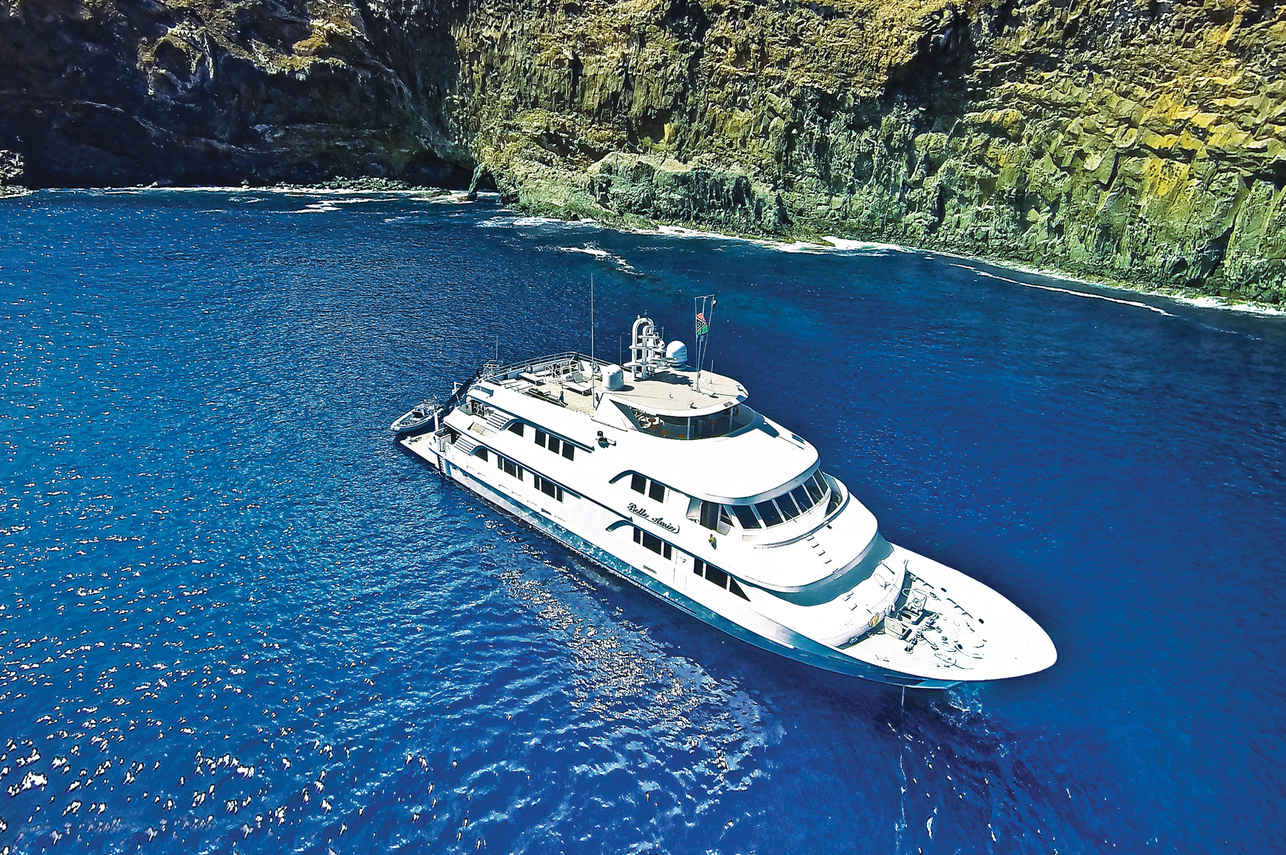 Nautilus Belle AmieMexico