Ocean Safari: Whales, Mobulas, Orcas, and more! (Cabo San Lucas - La Paz)
Nautilus Belle Amie · Mexico · 7 nights
About this route
This ocean safari explores the vibrant Sea of Cortez, specifically targeting encounters with large pelagic life such as orcas and mobula rays. The itinerary focuses on snorkeling and freediving to maximize interactions with seasonal visitors in their natural habitat. While diving is offered, the primary goal is experiencing the massive ray schools and apex predators from the surface or at shallow depths. Guests can expect a flexible adventure that follows the movements of marine wildlife between Cabo and La Paz.
Regions on this route
Highlights
Cabo
The starting point for southern Baja expeditions, this region serves as a gateway to the Pacific and the Sea of Cortez, where nutrient-rich waters meet.
- Gateway to Sea of Cortez
- Deep water scouting
Cabo San Lucas
A hub for marine activities where the expedition check-in occurs, offering proximity to diverse local dive sites and coastal scenery.
- Expedition base
- Local dive sites
Cortez-See
Known as the aquarium of the world, this body of water hosts an incredible diversity of life including seasonal whales and massive ray aggregations.
- High biodiversity
- Pelagic nursery
La Paz
The northern terminus of the route, famous for its calm bays and frequent sightings of whale sharks and sea lion colonies.
- Whale shark territory
- Sheltered bays
Mobula Ray Aggregations
From late March through early July, massive schools of Mobula rays gather in the Sea of Cortez. Observing thousands of these rays, which can jump significantly above the water surface, creates a spectacular natural display for snorkelers and freedivers.
- Massive ray schools
- Breaching behavior
- Surface interactions
Orcas in the Sea of Cortez
Killer whales are present year-round in these waters, but sightings peak in July and August. The crew monitors specific hotspots like Cerralvo Island and Isla San Jose where these apex predators are frequently encountered interacting with other marine life.
- Apex predator sightings
- Cerralvo Island hotspot
- July/August peak
Requirements
- CertificationOpen-Water
- Minimum logged dives30
- ExperiencePrimarily a snorkeling and freediving focused trip with few dives.
Shore excursions
- Kayaking and stand-up paddleboarding available from the vessel.
- Complimentary photography coaching and equipment support at the center.
- Shuttle transfer between Cabo San Lucas and La Paz.
Good to know
- Trip is primarily for snorkeling and freediving.
- Total of 3-4 scuba dives offered, including one night dive.
- Divers must wait 24 hours after their last dive before flying.
- Rental gear is available but must be arranged before boarding.
Day-by-day plan
Day 1: Embarkation – Cabo San Lucas
Guests gather at the SeeCreatures center in downtown Cabo San Lucas for check-in and a complimentary photography workshop. A shuttle transfer departs in the late afternoon for the vessel, where the crew welcomes everyone with refreshments before setting sail.
Day 2: Sea of Cortez – Pelagic Encounters
The expedition begins its search for marine megafauna using high-speed RHIBs to cover significant ground. The area is known for deep blue waters and varying visibility where large schools of rays often congregate near the surface. Interactions are guided by expert naturalists to ensure respectful and rewarding wildlife sightings. Mornings often feature scouting missions while afternoons allow for extended time in the water as conditions permit.
Dive sites: Espiritu Santo, Carpenter Rock, Las Ventanas, Cerralvo Island, Isla San Jose
Day 3: Sea of Cortez – Pelagic Encounters
The expedition begins its search for marine megafauna using high-speed RHIBs to cover significant ground. The area is known for deep blue waters and varying visibility where large schools of rays often congregate near the surface. Interactions are guided by expert naturalists to ensure respectful and rewarding wildlife sightings. Mornings often feature scouting missions while afternoons allow for extended time in the water as conditions permit.
Dive sites: Espiritu Santo, Carpenter Rock, Las Ventanas, Cerralvo Island, Isla San Jose
Day 4: Sea of Cortez – Pelagic Encounters
The expedition begins its search for marine megafauna using high-speed RHIBs to cover significant ground. The area is known for deep blue waters and varying visibility where large schools of rays often congregate near the surface. Interactions are guided by expert naturalists to ensure respectful and rewarding wildlife sightings. Mornings often feature scouting missions while afternoons allow for extended time in the water as conditions permit.
Dive sites: Espiritu Santo, Carpenter Rock, Las Ventanas, Cerralvo Island, Isla San Jose
Day 5: Sea of Cortez – Pelagic Encounters
The expedition begins its search for marine megafauna using high-speed RHIBs to cover significant ground. The area is known for deep blue waters and varying visibility where large schools of rays often congregate near the surface. Interactions are guided by expert naturalists to ensure respectful and rewarding wildlife sightings. Mornings often feature scouting missions while afternoons allow for extended time in the water as conditions permit.
Dive sites: Espiritu Santo, Carpenter Rock, Las Ventanas, Cerralvo Island, Isla San Jose
Day 6: Sea of Cortez – Pelagic Encounters
The expedition begins its search for marine megafauna using high-speed RHIBs to cover significant ground. The area is known for deep blue waters and varying visibility where large schools of rays often congregate near the surface. Interactions are guided by expert naturalists to ensure respectful and rewarding wildlife sightings. Mornings often feature scouting missions while afternoons allow for extended time in the water as conditions permit.
Dive sites: Espiritu Santo, Carpenter Rock, Las Ventanas, Cerralvo Island, Isla San Jose
Day 7: Sea of Cortez – Pelagic Encounters
The expedition begins its search for marine megafauna using high-speed RHIBs to cover significant ground. The area is known for deep blue waters and varying visibility where large schools of rays often congregate near the surface. Interactions are guided by expert naturalists to ensure respectful and rewarding wildlife sightings. Mornings often feature scouting missions while afternoons allow for extended time in the water as conditions permit.
Dive sites: Espiritu Santo, Carpenter Rock, Las Ventanas, Cerralvo Island, Isla San Jose
Day 8: Disembarkation – La Paz
After breakfast on board, guests disembark in La Paz. A complimentary shuttle service is provided to return travelers to Cabo San Lucas or the SJD airport.
Upcoming departures
- 2027-07-02 – 2027-07-09from 2,737.9 USDBook
All routes of this liveaboard
- Sea of Cortez Diving La Paz - Loreto Great Circle (Cabo San Lucas - Cabo San Lucas) · 8 nights
- Sea of Cortez Get-Aways (Cabo - Cabo) · 5 nights
- Sea of Cortez Diving La Paz - Loreto Great Circle (Cabo San Lucas - Cabo San Lucas) · 7 nights
- Ocean Safari: Mobulas, Whales, and even Orcas (Cabo San Lucas - La Paz) · 7 nights
- Mexico Sardine Run / Magdalena Bay (Cabo - Cabo) · 8 nights
- Sea of Cortez Classic (La Paz - La Paz) · 7 nights
- Unique Combo - Socorro, and Orcas, and Giant Schools of Mobula Rays (Cabo San Lucas - Cabo San Lucas) · 11N
- Sea of Cortez Diving La Paz - Loreto Great Circle (Cabo San Lucas - Cabo San Lucas) · 7 nights
- Sea of Cortez Get-Aways (Cabo - Cabo) · 5 nights
- Ultimate Combo - Mobulas, Orcas and Whale Sharks (Cabo - La Paz) · 10 nights
- Sea of Cortez Classic (La Paz - La Paz) · 7 nights
- Socorro - Giant Mantas, Sharks and Dolphins (Cabo San Lucas - Cabo San Lucas) · 8 nights
- Sea of Cortez Diving La Paz - Loreto Great Circle (Cabo San Lucas - Cabo San Lucas) · 7 nights
- Sea of Cortez Get-Aways (Cabo - Cabo) · 5 nights
- Ocean Safari: Mobulas, Whales, and even Orcas (Cabo San Lucas - La Paz) · 7 nights
- Socorro - Giant Mantas, Sharks and Dolphins · 9 Days / 8 Nights
- Ultimate Whale Sharks in the Sea of Cortez (Cabo San Lucas - La Paz) · 7 nights
- SUPER COMBO: Socorro and the Bait Balls plus Amazing Action around the Mexico Sardine Run (Cabo San Lucas - Cabo San Lucas) · 12 nights
- Sea of Cortez Get-Aways (Cabo - Cabo) · 5 nights
- Ocean Safari; Mobulas, Whales and even Orcas · 7 nights
- Sea of Cortez – La Paz North to Loreto (Cabo San Lucas - La Paz) · 7 nights
- Sea of Cortez – La Paz North to Loreto (Cabo San Lucas - La Paz) · 7 nights
- Sea of Cortez Diving La Paz - Loreto Great Circle (Cabo San Lucas - Cabo San Lucas) · 7 nights
- Sea of Cortez Get-Aways (Cabo - Cabo) · 5 nights
- Sea of Cortez Diving La Paz - Loreto Great Circle (Cabo San Lucas - Cabo San Lucas) · 7 nights
- Family Fun in the Sun and Adventure in the Sea of Cortez (Cabo San Lucas - La Paz) · 7 nights
- Ultimate Whale Sharks: Sea of Cortez (La Paz - Cabo) · 7 nights
- Unique Combo - Socorro, and orcas, and giant schools of mobula rays · 11 nights
About the vessel
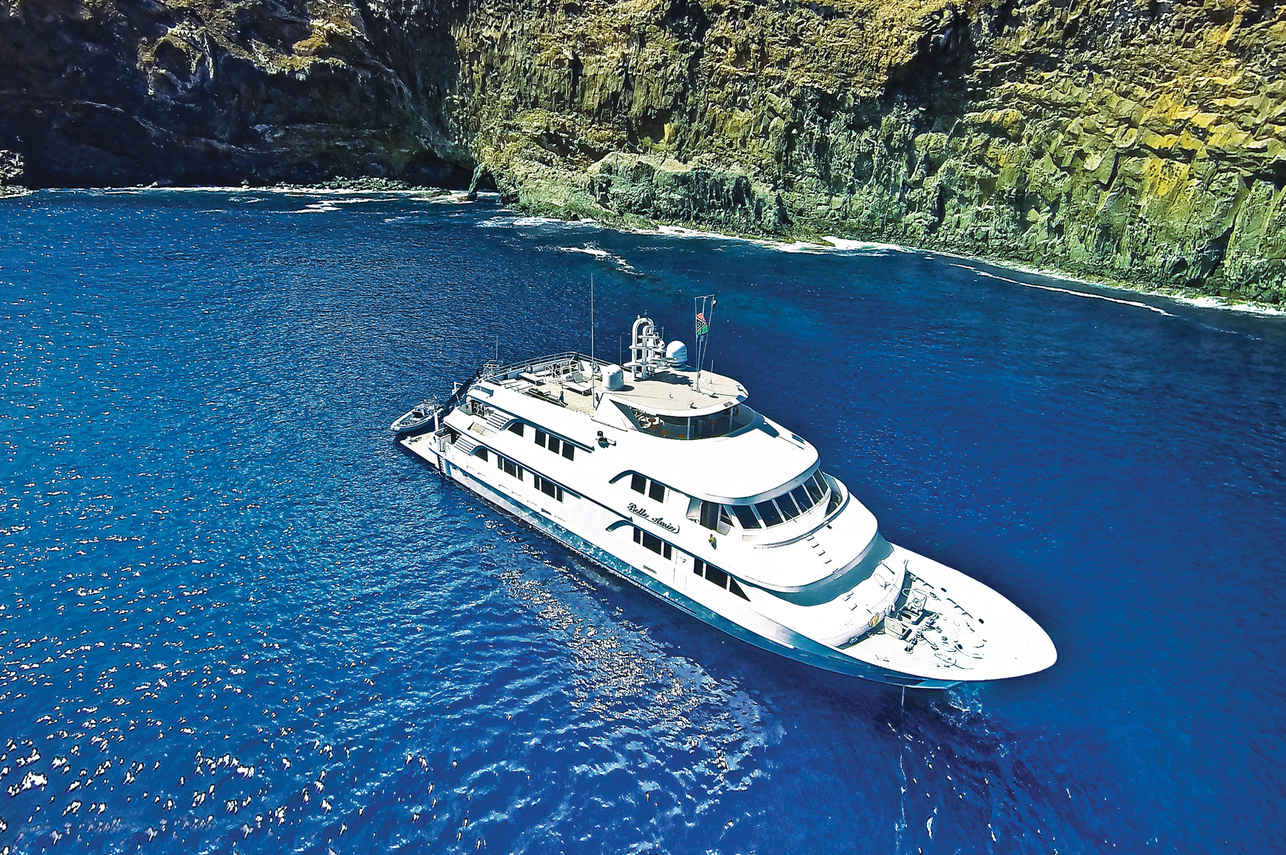 Nautilus Belle AmieMexico