Komodo / Alor (Labuan Bajo - Kupang)
Damai II · Komodo, Indonesia · 11 nights
About this route
This liveaboard trip offers an action-packed diving adventure through the diverse waters of Komodo and Alor, regions renowned for their spectacular marine biodiversity. Guests will explore vibrant coral reefs, dramatic pinnacles, and dynamic currents, encountering a wide array of marine life from tiny critters to large pelagics. The itinerary promises a journey through some of Indonesia's most captivating dive sites, including the chance to observe unique land-based wildlife in Komodo National Park.
Regions on this route
Highlights
Alor
Alor is a lesser-known but incredibly rewarding diving destination, characterized by dramatic underwater topography and strong, nutrient-rich currents. Its dive sites often feature healthy coral gardens, wall dives, and diverse critter populations. The area is also known for potential sightings of larger pelagics and unique macro subjects, offering a varied diving experience.
- Dramatic topography
- Strong currents
- Healthy coral gardens
- Diverse marine life
Gili Lawa Laut
Gili Lawa Laut is a picturesque island in the northern Komodo region offering fantastic diving. Its sites are known for strong currents and abundant marine life, including large schools of fish and various pelagic species. The area is popular for both exhilarating drift dives and vibrant reef exploration, often featuring healthy coral gardens.
- Strong currents
- Abundant marine life
- Drift dives
- Healthy coral gardens
Komodo
The Komodo National Park is a UNESCO World Heritage Site in Indonesia, famed for its ancient dragons and spectacular biodiversity. This region features a unique mix of Indian and Pacific Ocean currents, creating nutrient-rich waters that support an incredible array of marine life. Divers can expect vibrant reef ecosystems, strong drift dives, and encounters with both macro and pelagic species.
- Nutrient-rich waters
- Spectacular biodiversity
- Komodo dragons
- Rich reef ecosystems
Kupang
Kupang serves as a key disembarkation point for this itinerary. While not a primary diving destination itself, the waters around Kupang and the nearby Alor region are known for their healthy reefs and diverse marine ecosystems, offering a rich closing experience to the trip.
- Healthy reefs
- Diverse ecosystems
- Gateway to Alor
- Relaxed diving
Manta Alley
Manta Alley is a globally renowned site for consistent manta ray sightings. Located in the nutrient-rich southern waters of Komodo, this area features strong currents that attract large numbers of reef manta rays. It offers thrilling encounters with these majestic creatures, often seen feeding or visiting cleaning stations.
- Manta ray encounters
- Cleaning stations
- Strong currents
- Pelagic action
Padar
Padar is an iconic island in Komodo known for its stunning landscapes above and below water. The diving around Padar features dramatic underwater topography, including walls, pinnacles, and swim-throughs. The currents here can be robust, attracting a diverse range of marine life, from colorful reef fish to passing pelagics.
- Dramatic topography
- Wall dives
- Swim-throughs
- Scenic landscapes
Rinca
Rinca is another island within the Komodo National Park, famous for its Komodo dragon population. While primarily a land excursion destination, the surrounding waters offer excellent diving opportunities with healthy reefs and a chance to see a variety of marine species. It provides a blend of terrestrial wildlife encounters and vibrant underwater exploration.
- Komodo dragons
- Healthy reefs
- Diverse marine life
- Terrestrial excursions
Requirements
- CertificationAdvanced Open Water
- Minimum logged dives50
- ExperienceDivers should have a sufficient number of logged dives to demonstrate their experience.
Shore excursions
- Enjoy a short walk on the island of Wainilu for panoramic scenic views.
- Observe Komodo dragons and other wildlife during a planned land excursion.
Good to know
- Divers are recommended to wait for 24 hours before flying after the last dive.
- A minimum of 50 logged dives is required for this trip.
Day-by-day plan
Day 1: Embarkation – Labuan Bajo
Guests arrive in Labuan Bajo and are transferred to the liveaboard. After settling in, there will be a welcome briefing to discuss the upcoming itinerary. Optionally, a check-out dive is planned at Sebuan Kecil in the afternoon or evening, providing an initial taste of the local underwater environment.
Dive sites: Sebuan Kecil
Day 2: Central Komodo – Wainilu & Batu Bolong
Today's diving focuses on the central Komodo area, with sites like Wainilu and Batu Bolong. Wainilu is known for its excellent critter hunting opportunities and some unusual nudibranchs, making it a macro photographer's delight. Batu Bolong, often called 'Rock with the Hole,' is a beautiful reef dive with abundant fish life and passing pelagics, typically featuring strong currents. After diving, a short walk on the island of Wainilu offers panoramic views of the area.
Dive sites: Wainilu, Batu Bolong
Day 3: East Komodo – Horseshoe Bay
Horseshoe Bay offers a variety of signature sites, including the world-famous pinnacle of Cannibal Rock, known for its incredible biodiversity. The area is also popular for macro subjects, with special interest in the white sand slopes of Torpedo Alley. Yellow Wall is a vibrant vertical wall covered in soft corals and yellow crinoids. This region is also known for dragon encounters and schooling eagle rays.
Dive sites: Cannibal Rock, Torpedo Alley, Yellow Wall
Day 4: South Komodo – Langkoi & Padar
Today's dives explore the southern tip of Komodo, with sites like Langkoi and Padar. Langkoi, a site within the Manta Alley system, is known for its schooling fish and frequent sightings of sharks, Napoleon wrasse, humphead parrotfish, and turtles. The island of Padar offers dramatic seascapes and swim-throughs around its vertical walls, with pinnacles at 2 Sisters Rise featuring beautiful white sand bottom and colorful reef fish. This area often has strong currents.
Dive sites: Langkoi, Manta Alley, Padar, 2 Sisters Rise
Day 5: Gili Lawa Laut – North Komodo
The Gili Lawa Laut area in Northern Komodo features exceptional diving at sites like Castle Rock and Crystal Rock. These sites are renowned for strong currents, which attract schooling sharks and other pelagic species. Divers can expect dynamic drift dives with abundant fish life and the chance to observe larger marine visitors.
Dive sites: Castle Rock, Crystal Rock
Day 6: Sebolong Kecil & North Komodo – Flores
After a long cruise along the northern shore of Flores, the vessel will arrive at the boundaries of Komodo National Park. Easy, nice slopes, and healthy corals are found here. The area features encounters with schooling eagle rays that tend to hover close to the reef. Two dives are planned before moving towards the northern area of Komodo for more adrenaline dives, such as Lava Lei and The Passage, known for their strong currents and rich marine life.
Dive sites: Lava Lei, The Passage
Day 7: Batu Boga – World Class Diving
Batu Boga offers a world-class diving experience today. This site is known for its great corals and large fans, alongside schools of grunts and snappers. Divers commonly encounter turtles and various blacktip sharks, making it a vibrant and diverse underwater environment. This area often features excellent visibility and rich reef ecosystems.
Dive sites: Batu Boga
Day 8: Tanjung Bacatan & Komba – Dynamic Currents
In the northern part of Kawula Island, Tanjung Bacatan offers a classic dive with gentle slopes that transition into a wall. The area is known for passing tunas, wahoos, and other pelagic species. After two dives, the vessel will sail towards Komba, an active underwater volcano. The region is excellent for whale sightings, depending on the season.
Dive sites: Tanjung Bacatan, Komba
Day 9: Pantar Straits (West) – Macro & Wide-Angle
The western Pantar Straits offer a combination of macro and wide-angle subjects. The area is known for its clean walls and abundant marine life, providing beautiful underwater photography opportunities. Divers can expect to see a healthy and diverse ecosystem in the local community, especially during the day.
Day 10: Rusa – Cold Water Currents
This day explores the Rusa area, a collection of three small islands located in the middle of cold water currents. The strong currents in this region create spectacular rock formations and are typically covered with corals, hard and soft. Divers commonly encounter crinoids, anemones, and a variety of small to medium-sized reef fish, including anthias, larger groupers, sweetlips, and snappers.
Day 11: Pantar Straits (East) – Macro Critter Hunting
The eastern Pantar Straits offer beautiful rock formations and abundant life, with opportunities to spot shy Mola Mola and schooling dolphins in the deeper open waters. On the south-east of Pantar, Beangabang Bay is a key site for night dives. It's an excellent location for hunting critters such as octopus, ghost pipefish, unusual shrimp, Bobbitt worms, colorful nudibranchs, and various juvenile fish.
Dive sites: Beangabang Bay
Day 12: Disembarkation – Kupang
Guests will be transferred to the airport in Kupang for their onward journeys, completing a memorable dive adventure. Check-out procedures typically follow breakfast.
Upcoming departures
All routes of this liveaboard
- Halmahera / Raja Ampat (Ternate → Sorong, 12D11N) · 12D11N
- Raja Ampat (Sorong - Sorong) · 10 nights
- Gorontalo (Gorontalo - Gorontalo) · 8 nights
- Triton Bay / Raja Ampat (Kaimana - Sorong) · 11 nights
- Sulawesi 11 Nights (Bitung – Bitung) · 12 Days / 11 Nights
- Raja Ampat (Sorong - Sorong) · 14 nights
- Raja Ampat, Halmahera (Sorong → Ternate) · 12D11N
- Alor / Komodo (Kalabahi → Labuan Bajo, 12D11N) · 12D11N
- Sulawesi & Gorontalo 11 Nights (Bitung – Gorontalo) · 12 Days / 11 Nights
- Raja Ampat (Sorong - Sorong) · 7 nights
- Komodo / Alor (Labuan Bajo - Maumere) · 9 nights
- Halmahera / Gorontalo (Ternate → Gorontalo, 12D11N) · 12D11N
- Raja Ampat – Triton Bay - Asmats (Sorong - Timika) · 14 nights
- Raja Ampat - Triton Bay Cruise (Sorong - Kaimana) · 11 nights
- Alor Round-Trip (Kupang – Kupang) — 11 Nights · 12 Days / 11 Nights
- Alor Round-Trip (Kupang – Kupang) — 7 Nights · 8 Days / 7 Nights
- Kalimantan 7 Nights (Tarakan – Tarakan) · 8 Days / 7 Nights
- Alor Round-Trip (Kalabahi – Kalabahi) — 7 Nights · 8 Days / 7 Nights
- Komodo / Bali (Labuan Bajo - Benoa) · 10 nights
- Bali / Komodo (Benoa → Labuan Bajo, 10D9N) · 10D9N
- Komodo (Labuan Bajo, 8D7N) · 8D7N
- Komodo (Labuan Bajo → Maumere, 10D9N) · 10D9N
- Alor (Maumere → Kupang, 9D8N) · 9D8N
- Triton Bay / Forgotten Islands / Banda Sea (Kaimana - Ambon) · 12 Days / 11 Nights
- Gorontalo - Halmahera - Raja Ampat (Gorontalo - Sorong) · 12 Days / 11 Nights
- Alor / Forgotten Islands / Triton Bay (Kupang - Kaimana) · 14 Days / 13 Nights
About the vessel
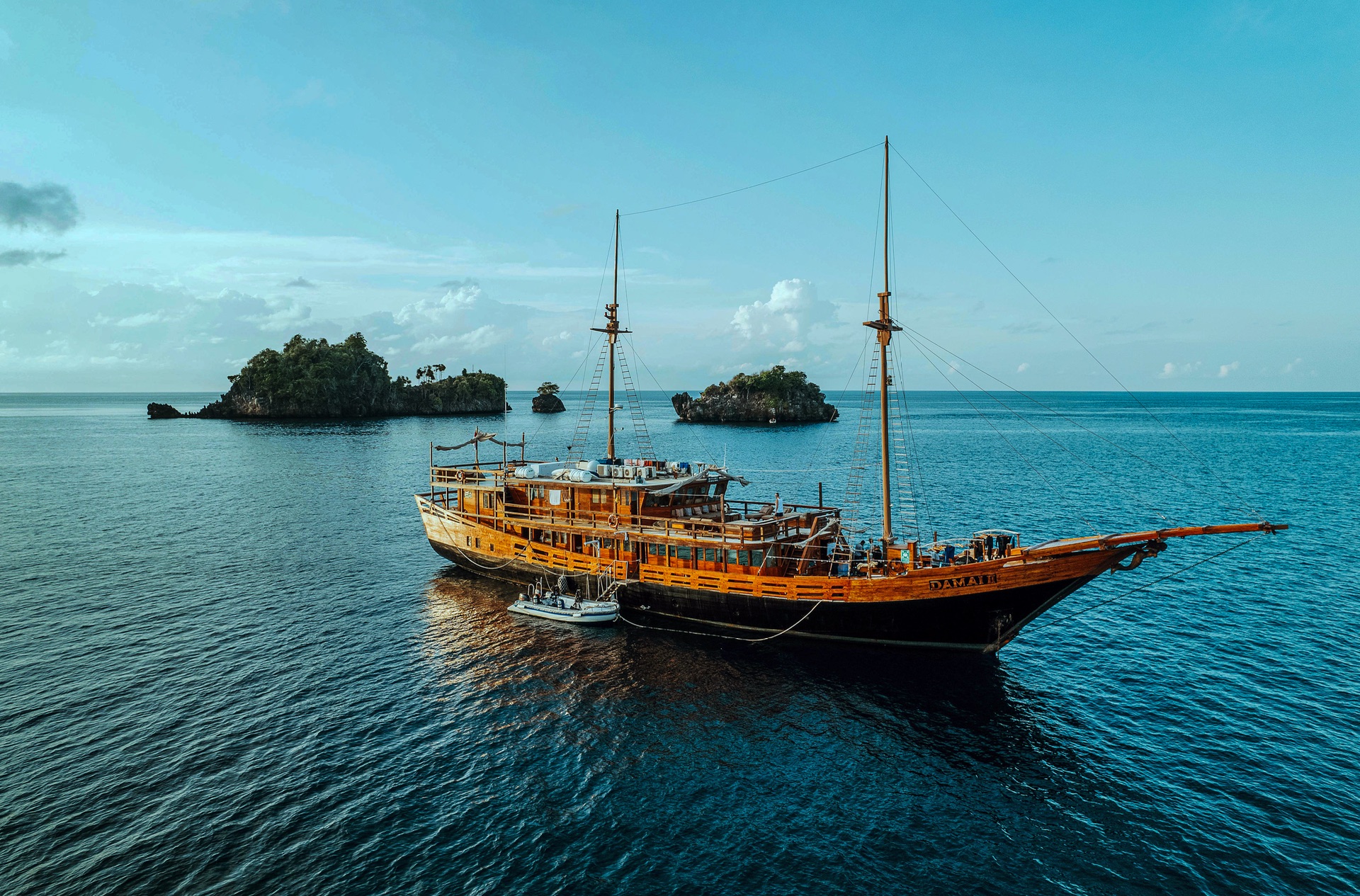 Damai IIKomodo, Indonesia