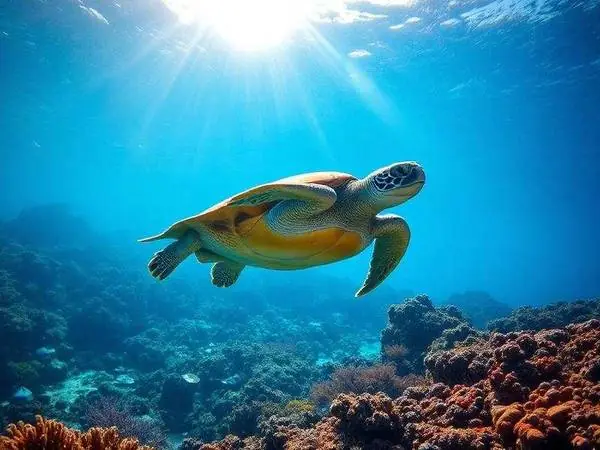
Don't chase animals, don't crowd another photographer's subject, keep off the reef, respect the guide's time limits, and never move critters for a better shot.
On a boat with 20 divers and half of them holding cameras, etiquette is what keeps the diving enjoyable and the reef intact.
With marine life: never chase, corner or block an animal's escape route. Do not touch, move or manipulate critters — moving a pygmy seahorse or a nudibranch for a cleaner background is both harmful and, in many marine parks, illegal. Keep strobes off the eyes of nocturnal species and limit repeated flashes on a single small subject.
With the reef: perfect buoyancy is a photographer's obligation, not an aspiration. Use a single finger on dead rock or a muck stick on sand if you need to stabilise, never on coral, and watch where your fins, arms, gauges and octopus are — most reef damage is caused by trailing equipment, not hands.
With other divers: do not swim over someone already shooting a subject
Wait your turn, take your frames, and move on so others get theirs. Tell your guide what you are hunting for so they can space the group. Do not stack three photographers on one goby.
With the schedule: the boat runs to a plan
Coming up 15 minutes late every dive because you were composing one more frame delays four other divers' surface interval, and it will get you a quiet word from the cruise director.
