The Coral Triangle (Indonesia, Philippines, Solomon Islands) holds the densest coral biodiversity on Earth, over 75% of all known hard coral species in a single region.
If healthy, biodiverse coral reefs are your main interest, four destinations stand out globally — three in the Coral Triangle (the Indo-Pacific epicenter of marine biodiversity) and one slightly outside it.
Raja Ampat, Indonesia. The undisputed king. Located at the geographic center of the Coral Triangle, Raja Ampat has documented over 600 species of hard coral (more than 75% of all known species worldwide) plus 1,700+ species of reef fish. Sites like Cape Kri (the world record holder for most fish species seen on a single dive — 374), Sardine Reef, Mioskon and Boo Window combine pristine coral coverage with massive schooling fish, mantas, sharks and macro life. The far north (Wayag, Aljui Bay) is even more remote and pristine. Best months: October to April. Liveaboards from Sorong are the only practical access.
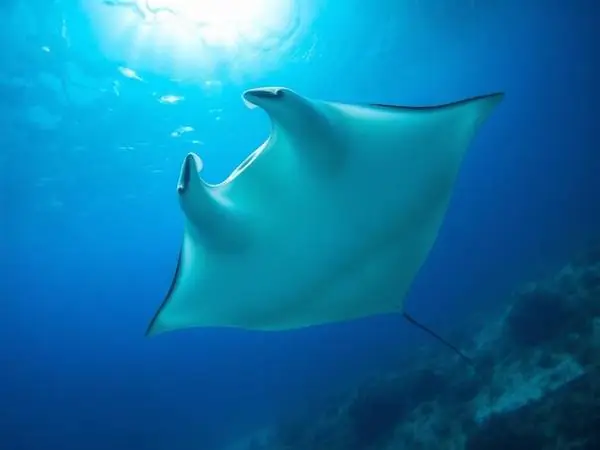
Tubbataha, Philippines. A UNESCO World Heritage site and the Philippines' most spectacular reef. Two atolls (north and south Tubbataha) plus Jessie Beazley Reef in the middle of the Sulu Sea. Pristine reef walls drop to 2,000m, with massive schools of jacks, hammerheads patrolling the corners, manta rays at Shark Airport, and turtles everywhere. Strict access — only March to June, only by liveaboard from Puerto Princesa, only ~14 weeks of operating season per year. Premium pricing reflects the controlled access.
Solomon Islands
Untouched, lightly dived, and home to some of the most pristine reef ecosystems on Earth. Russell Islands, Florida Islands and Marovo Lagoon offer wall diving, reef diving and WWII wreck diving with very few other divers around. Liveaboards from Honiara run 7–10 night trips. Less famous than Indonesia and the Maldives but a favorite of seasoned divers who've seen everything else.
Ningaloo Reef, Western Australia. Often called 'the world's largest fringing reef,' Ningaloo runs along Australia's west coast with whale shark and humpback whale aggregations during specific seasons (March–July for whale sharks, July–October for humpbacks). Less coral diversity than Indonesia but a unique combination of healthy reef plus massive megafauna.
Honorable mentions
Maldives southern atolls (Ari, Vaavu, Meemu) have excellent coral health on outer reef passes. Egyptian Red Sea offshore (Daedalus, Elphinstone) has dramatic coral pinnacles dropping into the blue. Komodo (Indonesia) southern sites have extreme current-fed coral richness. Wakatobi (Indonesia) has small-area but extremely healthy reef coverage.
Coral health depends heavily on bleaching events
The 2016 and 2020 mass bleaching events damaged reefs in many destinations. Raja Ampat, Tubbataha and the Solomon Islands have shown the strongest resilience.
