About Ojo de Agua
Ojo de Agua is a distinctive shore diving location found in Puerto Morelos, Mexico, positioned between Cancun and Playa del Carmen. This site is particularly notable for a captivating halocline, an optical phenomenon where cool freshwater, filtering from inland cenotes, converges with the warmer, denser saltwater of the Caribbean Sea, creating a surreal shimmering boundary underwater. It offers an exceptionally accessible entry directly from the coastline, making it a unique geological feature and a significant draw for divers in the region. The dive site is consistently shallow, reaching a maximum depth of only 7 meters (23 feet). Divers can easily transition from the beach into the water. The halocline is a primary topographical feature, offering a visual spectacle as waters of different densities interact. The gentle profile and shallow depths allow for extended bottom times and relaxed exploration. During daylight hours, the reef structures support a variety of common marine life, including barracudas, parrotfish, and sergeant majors, frequently observed navigating the corals. As evening approaches, the environment transforms, revealing nocturnal creatures. Night dives frequently encounter octopuses hunting across the seabed and basket starfish unfurling their delicate arms, offering a different spectrum of marine inhabitants. This site accommodates divers of all experience levels, from beginners seeking to refine skills to seasoned divers looking for a tranquil environment with unique features. Its accessible shore entry and shallow depth contribute to a straightforward dive experience, making it suitable for multiple visits to fully appreciate its blend of geological wonder and marine encounters.
Highlights
Underwater halocline phenomenonShore entry accessibilityNocturnal marine life encountersExtended shallow bottom timesReef fish varietyBasket starfish at nightHunting octopuses
Season calendar
Best months to dive here
Jan
Feb
Mar
Apr
May
Jun
Jul
Aug
Sep
Oct
Nov
Dec
Excellent
Good
Nov – Apr (Peak)
Socorro season open (Nov–May) for giant mantas and hammerheads. Cozumel bull sharks Dec–Mar. Cenotes excellent year-round. Best overall conditions.
May – Oct (Transition & Sea of Cortez)
Socorro closing, Cozumel still good. Whale sharks arrive at Isla Mujeres Jun–Sep. From August, the Sea of Cortez comes alive: Midriff Islands offer massive sea lion colonies and schooling mobulas. September and October bring world-class diving around La Paz and Cabo Pulmo with whale sharks, hammerheads, and bull sharks on the Explore Baja route.
Dive site facts: Ojo de Agua
- Depth
- 5–7 m
- Current
- Mild
- Entry
- Shore / dayboat
- Level
- Beginner
- Dive type
- Reef, Reef
- Region / port
- Mexico
- Coordinates
- 20.8255° N, 86.8741° W
Conditions & Currents
Currents at Ojo de Agua are typically very mild, making it a comfortable dive for all skill levels. The site's protected location and shallow depth minimize strong water movement, contributing to its reputation as a tranquil dive. Entry is a straightforward shore entry, allowing divers to easily walk into the water from the beach. Visibility is generally clear, often enhancing opportunities for marine life observation, and is not significantly impacted by currents or weather. Given its calm conditions and shallow profile, this site is ideal for skill refinement and offers relaxed, extended bottom times without demanding advanced gas planning or specialized entry techniques.
Why dive Ojo de Agua from a liveaboard?
Ojo de Agua is one of Mexico's signature dive sites. A liveaboard sleeps you on the water and puts you in the water for three to four guided dives per day, including dawn and night dives that day-boat operators rarely offer. You skip the daily commute back to port and reach quieter, less-crowded sites in the same region on a single trip.
Below are the liveaboards that include Ojo de Agua on their Mexico itineraries.
Liveaboards diving Ojo de Agua
These liveaboards may visit Ojo de Agua on selected itineraries — the exact dive sites depend on departure, weather and conditions.
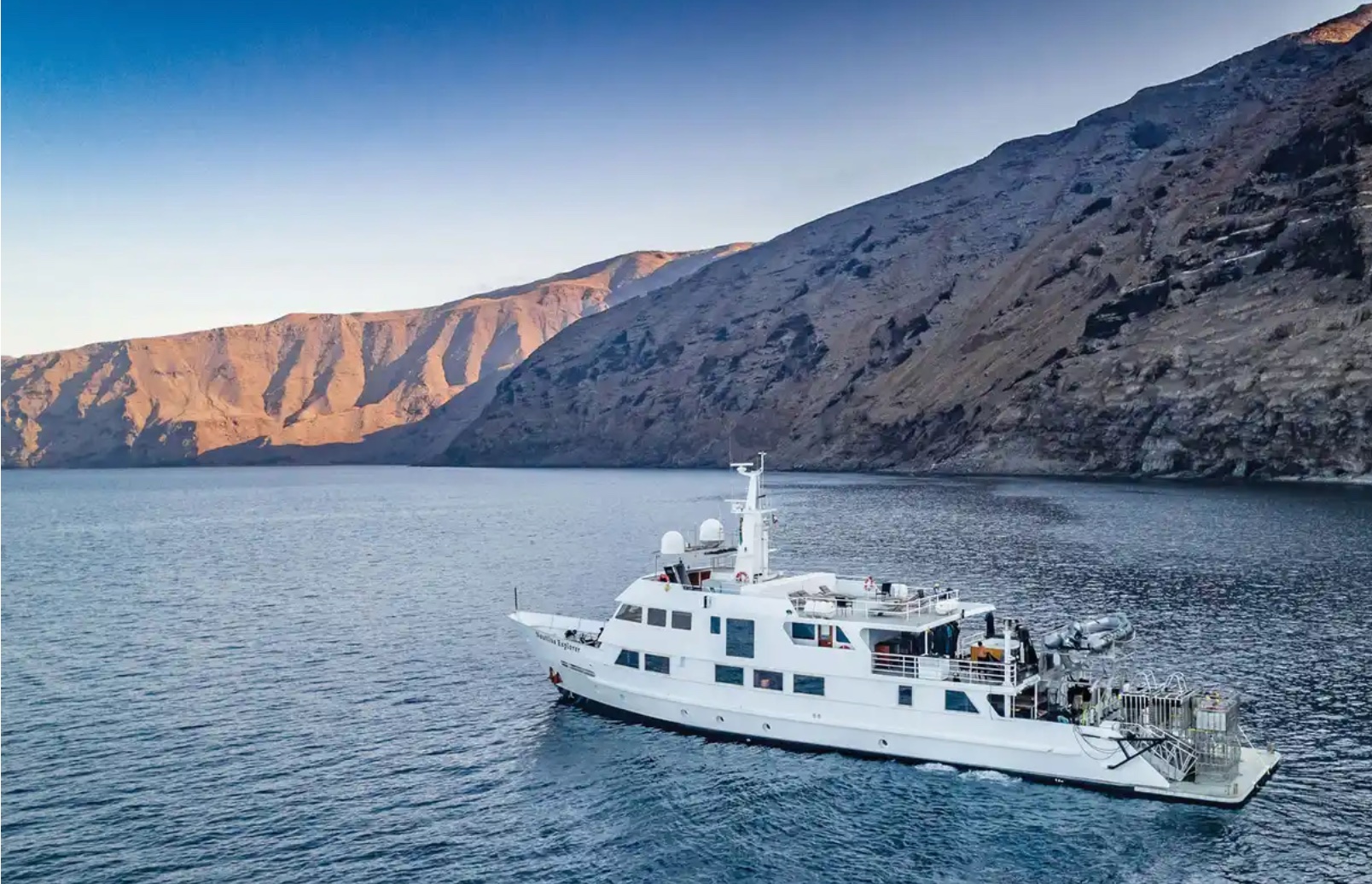
Nautilus Explorer
Mexico
25 guests45 m
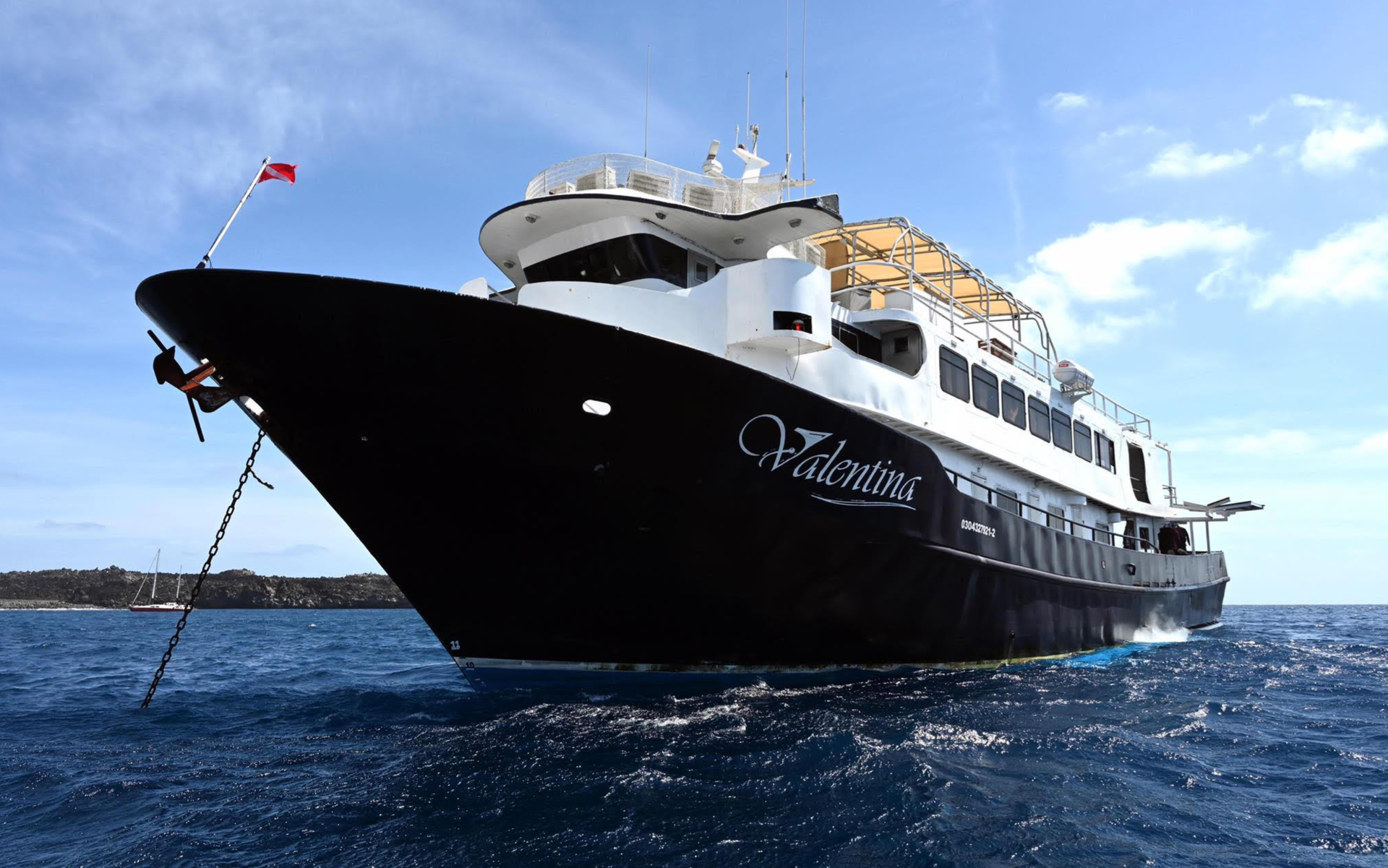
Valentina
Mexico
20 guests38 m
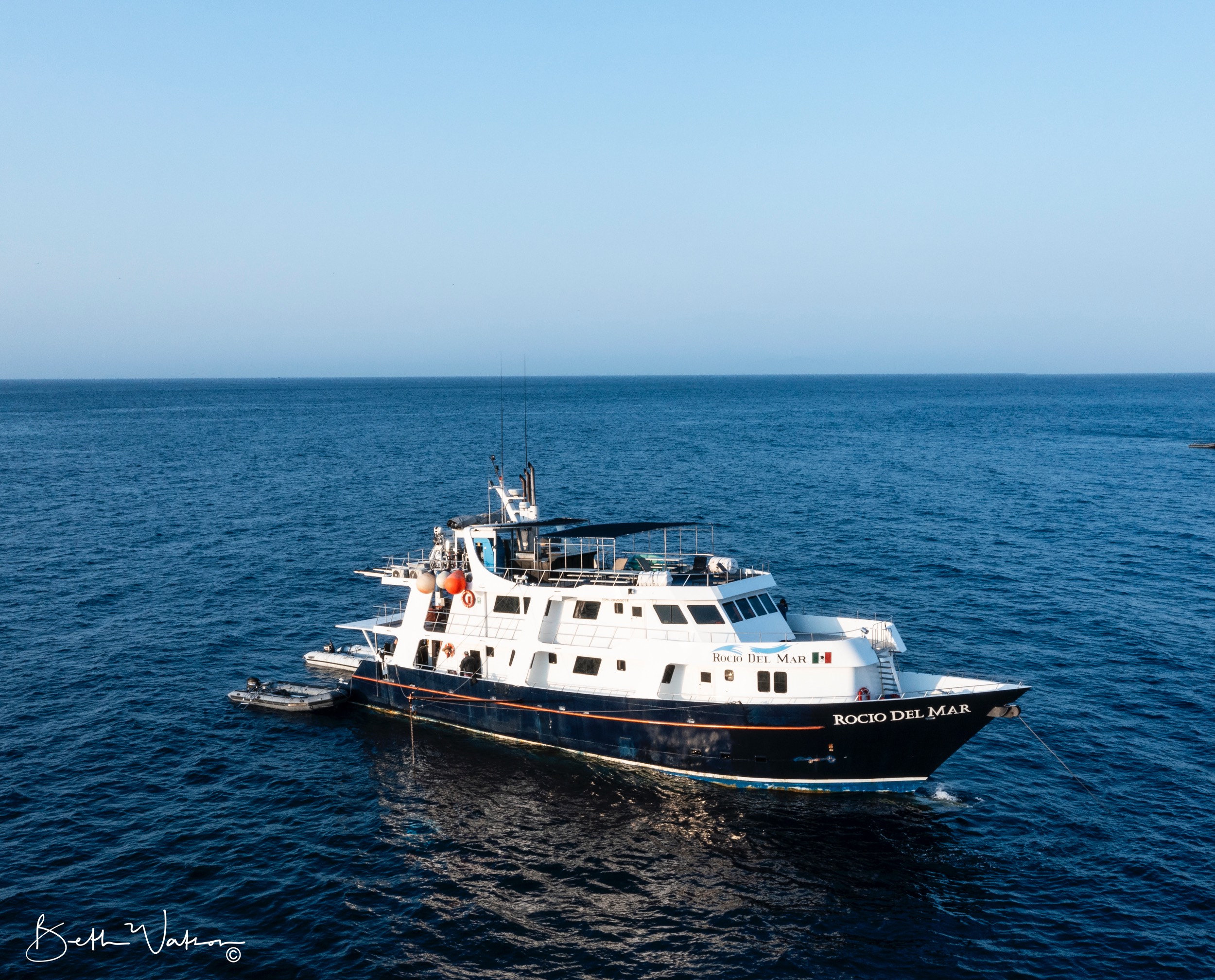
Rocio del Mar
Mexico
20 guests34 m
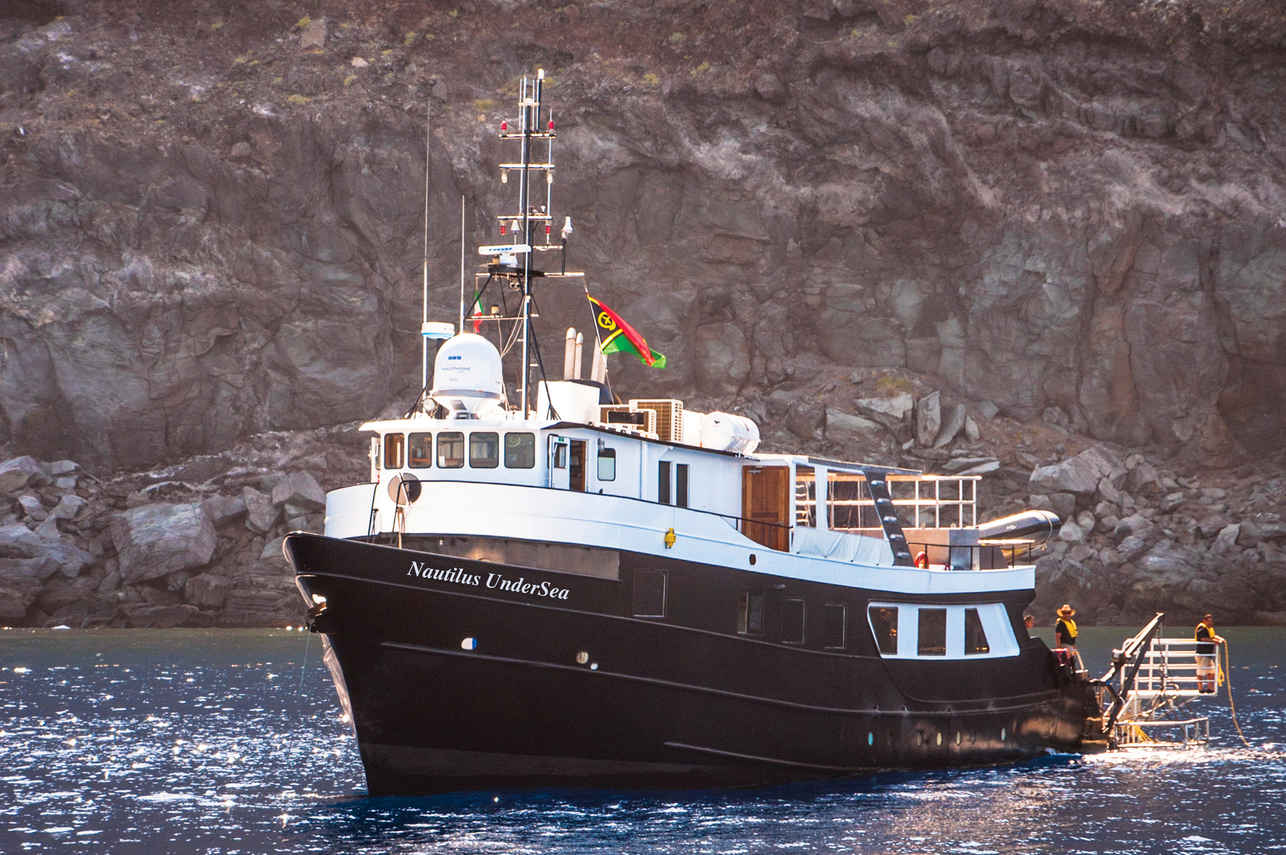
Nautilus Under Sea
Mexico
19 guests32 m
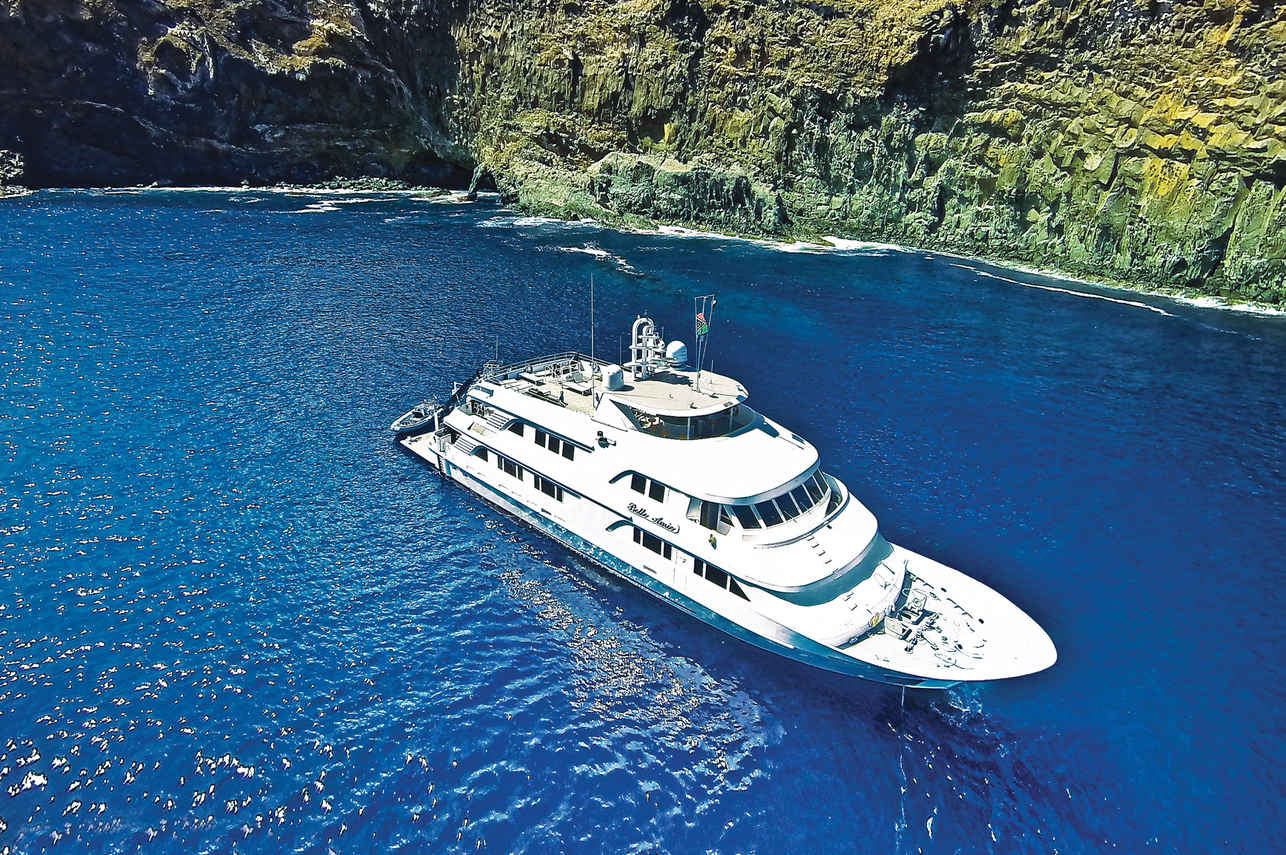
Nautilus Belle Amie
Mexico
32 guests45 m
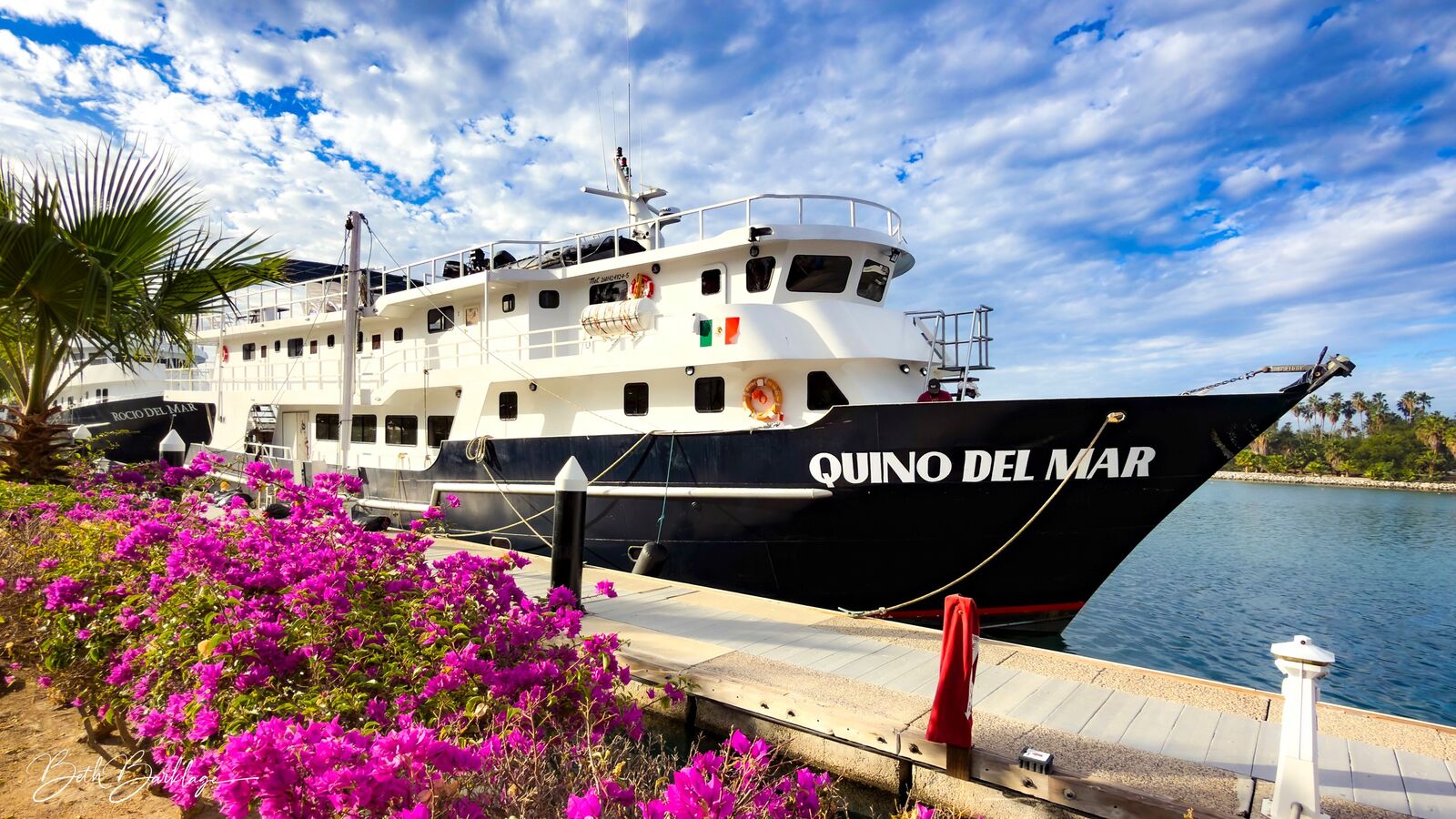
Quino del Mar
Mexico
20 guests36 m
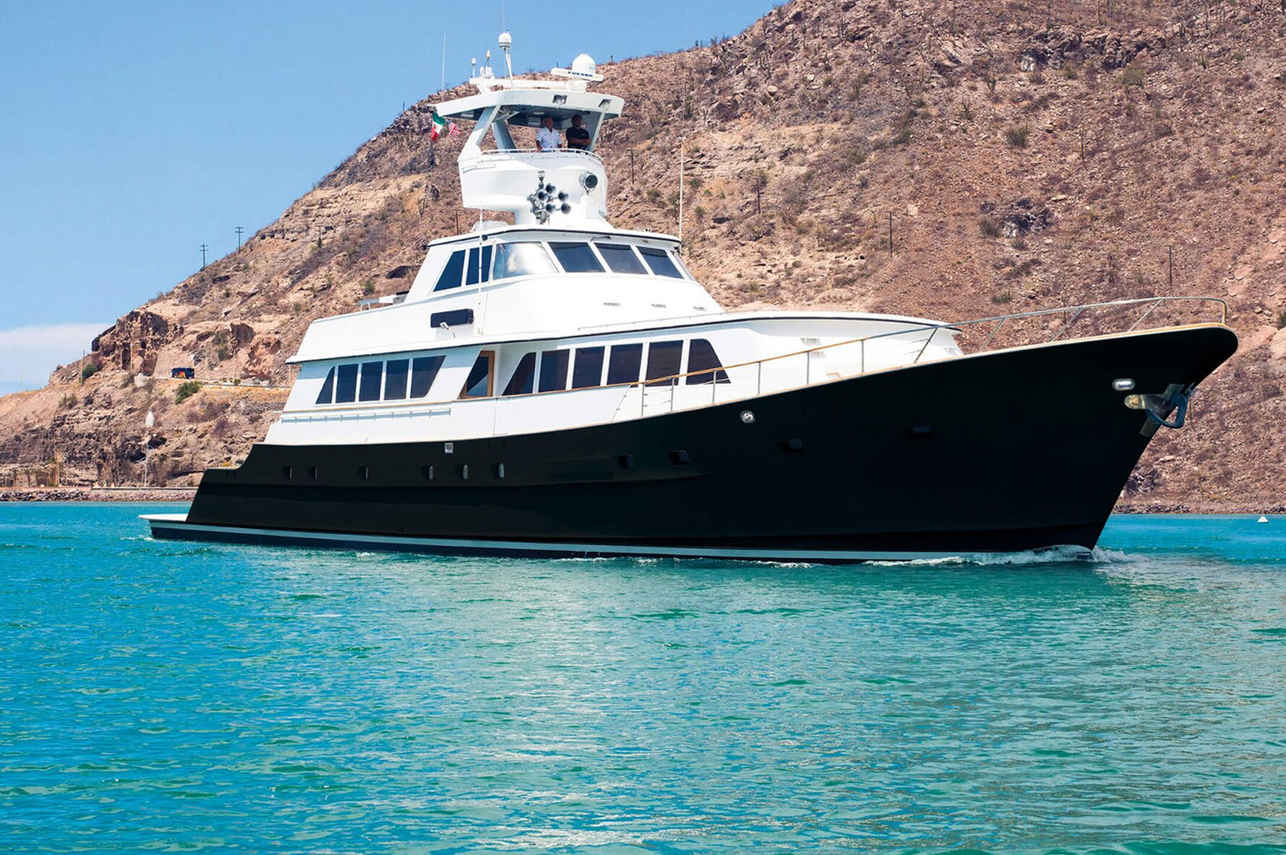
Nautilus Gallant Lady
Mexico
12 guests35 m
Dive sites similar to Ojo de Agua
Same character, same waters — six more sites divers love for the exact same reasons.Compare seasons, access and liveaboard routes — then pick the site that fits your trip best.
© Esri — Maxar, Earthstar, GIS
3 Fathom Wall
Cayman Islands
3 Fathom Wall is an exciting and fish-filled dive site located in the Cayman Islands, specifically at the intersection of the renowned Bloody Bay Wall.
- Suitable for
- Intermediate
- Current
- Mild
- Access
- Liveaboard only
- Depth
- ≤ 3000 m
- Theme
- Reef
While specific details for a dive site named "3 Riff" are not present in the provided sources, general diving conditions and characteristics for the Dominican Republic…
- Suitable for
- Advanced
- Current
- Mild
- Access
- Dayboat
- Depth
- 30–55 m
- Theme
- Reef
The dive site known as 3 Rocks is located off the coast of Sosúa in Puerto Plata, Dominican Republic, offering an accessible and lively underwater experience.
- Suitable for
- Beginner
- Current
- Mild
- Access
- Dayboat
- Depth
- 2–8 m
- Theme
- Reef
4 Amigos is a notable dive site located in the Bay Islands of Honduras, an area renowned for its extensive Mesoamerican Barrier Reef System, which is the world's second-longest.
- Suitable for
- Intermediate
- Current
- Moderate
- Access
- Liveaboard or dayboat
- Depth
- 9–40 m
- Theme
- Reef
© Esri — Maxar, Earthstar, GIS
6 Toed Cat
Mexico
The dive site known as "6 Toed Cat" is not a recognized dive location in Mexico; rather, it refers to the polydactyl felines, many with six toes, that inhabit the Ernest Hemingway Home and Museum in Key West, Florida.
- Suitable for
- Beginner
- Current
- Mild
- Access
- Liveaboard or dayboat
- Depth
- —
- Theme
- Reef
© Esri — Maxar, Earthstar, GIS
Aaron's Backyard
Honduras
Aaron's Backyard is a noted dive site within the Roatan Marine Park in Honduras, part of the extensive Mesoamerican Barrier Reef System.
- Suitable for
- Intermediate
- Current
- Moderate
- Access
- Liveaboard or dayboat
- Depth
- 9–40 m
- Theme
- Reef