About Nohoch Nah Chich
Nohoch Nah Chich, meaning "Giant Birdhouse" in Mayan, is a significant cenote within the Tulum Municipality of Quintana Roo, Mexico. It forms a crucial part of the Sistema Sac Actun, which holds the title of the world's longest surveyed underwater cave system, a connection confirmed in 2018 when it linked with Sistema Dos Ojos. Nohoch Nah Chich itself was once recognized as the world's longest underwater cave, having been extensively explored since its discovery in 1987 and growing annually until 2010 through dedicated exploration teams. This site is known for its anchialine nature, connecting to naturally intruding marine water and exhibiting tidal influence, with evidence of large volumes of groundwater flowing towards the nearby Caleta Xel-Ha coastal lagoon. The dive site offers diverse underwater topography, including a cavern line newly installed in November 2024 for recreational divers, intended to be the world's longest. Certified cave divers can explore the intricate cave sections, navigating through a subterranean world filled with impressive speleothems like stalactites and columns. While caverns provide clear views of natural light, the true cave environments immerse divers in darkness, revealing unique geological formations and ancient fossils preserved for millennia. The maximum recorded depth within the Nohoch Nah Chich historical section is 71.6 meters, found at a point known as "The Blue Abyss." Though not explicitly detailing specific marine life species unique to Nohoch Nah Chich itself, cenotes in the region are generally known for life forms adapted to lightless environments. User sightings within cenotes can include catfish, freshwater shrimps, perch, turtles, and freshwater crayfish, though the frequency and presence at this specific site are not detailed beyond general cenote wildlife. The cenote also features a snorkeling trail with air pockets and domes for surface exploration. Diving here typically involves either guided cavern dives accessible to open water divers or advanced cave dives for certified technical divers. Entry is facilitated by ladders for safe water access. Divers are advised to swim right upon entry towards a large overhang, where a surface swim of about 30 meters leads to the descent point. The new cavern line offers a structured path for exploration, while cave diving requires specialized training and equipment, differing significantly from cavern diving by venturing beyond natural light zones and allowing for greater depths and no-decompression limits.
Highlights
World's second-largest underwater cave systemMassive stalactites and columnsAncient fossils and speleothemsHalocline and hydrogen sulfide cloudsNew cavern line for recreational divingSnorkeling trail with air pockets
Season calendar
Best months to dive here
Jan
Feb
Mar
Apr
May
Jun
Jul
Aug
Sep
Oct
Nov
Dec
Excellent
Good
Nov – Apr (Peak)
Socorro season open (Nov–May) for giant mantas and hammerheads. Cozumel bull sharks Dec–Mar. Cenotes excellent year-round. Best overall conditions.
May – Oct (Transition & Sea of Cortez)
Socorro closing, Cozumel still good. Whale sharks arrive at Isla Mujeres Jun–Sep. From August, the Sea of Cortez comes alive: Midriff Islands offer massive sea lion colonies and schooling mobulas. September and October bring world-class diving around La Paz and Cabo Pulmo with whale sharks, hammerheads, and bull sharks on the Explore Baja route.
Dive site facts: Nohoch Nah Chich
- Depth
- 0–72 m
- Current
- No current
- Entry
- Shore / dayboat
- Level
- Advanced
- Dive type
- Cave & cavern, Reef
- Region / port
- Mexico
- Coordinates
- 20.3055° N, 87.3192° W
Conditions & Currents
The cenote environment generally presents minimal to no current, making for a serene diving experience within its confines. However, as an anchialine system, Nohoch Nah Chich does connect to marine water and experiences tidal influence, which could introduce subtle water movement, particularly in deeper cave sections. Visibility within the cenote is typically crystal-clear, allowing for excellent viewing of the geological formations. Thermoclines and haloclines are common features in cenotes; haloclines occur where fresh and saltwater meet, creating a visually distorted, blurry layer, while thermoclines mark distinct temperature changes. These conditions mean divers must be prepared for varying water densities and temperatures. Entry into the cenote is made safe and easy with available ladders, leading to a designated surface swim area before descent. Due to the overhead environment, even cavern dives require adherence to strict safety rules, maintaining sight of natural light and a clear exit. Cave diving mandates specialized training, equipment, and meticulous gas planning to navigate entirely dark, enclosed spaces, making it suitable for advanced certified cave divers.
Why dive Nohoch Nah Chich from a liveaboard?
Nohoch Nah Chich is one of Mexico's signature dive sites. A liveaboard sleeps you on the water and puts you in the water for three to four guided dives per day, including dawn and night dives that day-boat operators rarely offer. You skip the daily commute back to port and reach quieter, less-crowded sites in the same region on a single trip.
Below are the liveaboards that include Nohoch Nah Chich on their Mexico itineraries.
Liveaboards diving Nohoch Nah Chich
These liveaboards may visit Nohoch Nah Chich on selected itineraries — the exact dive sites depend on departure, weather and conditions.
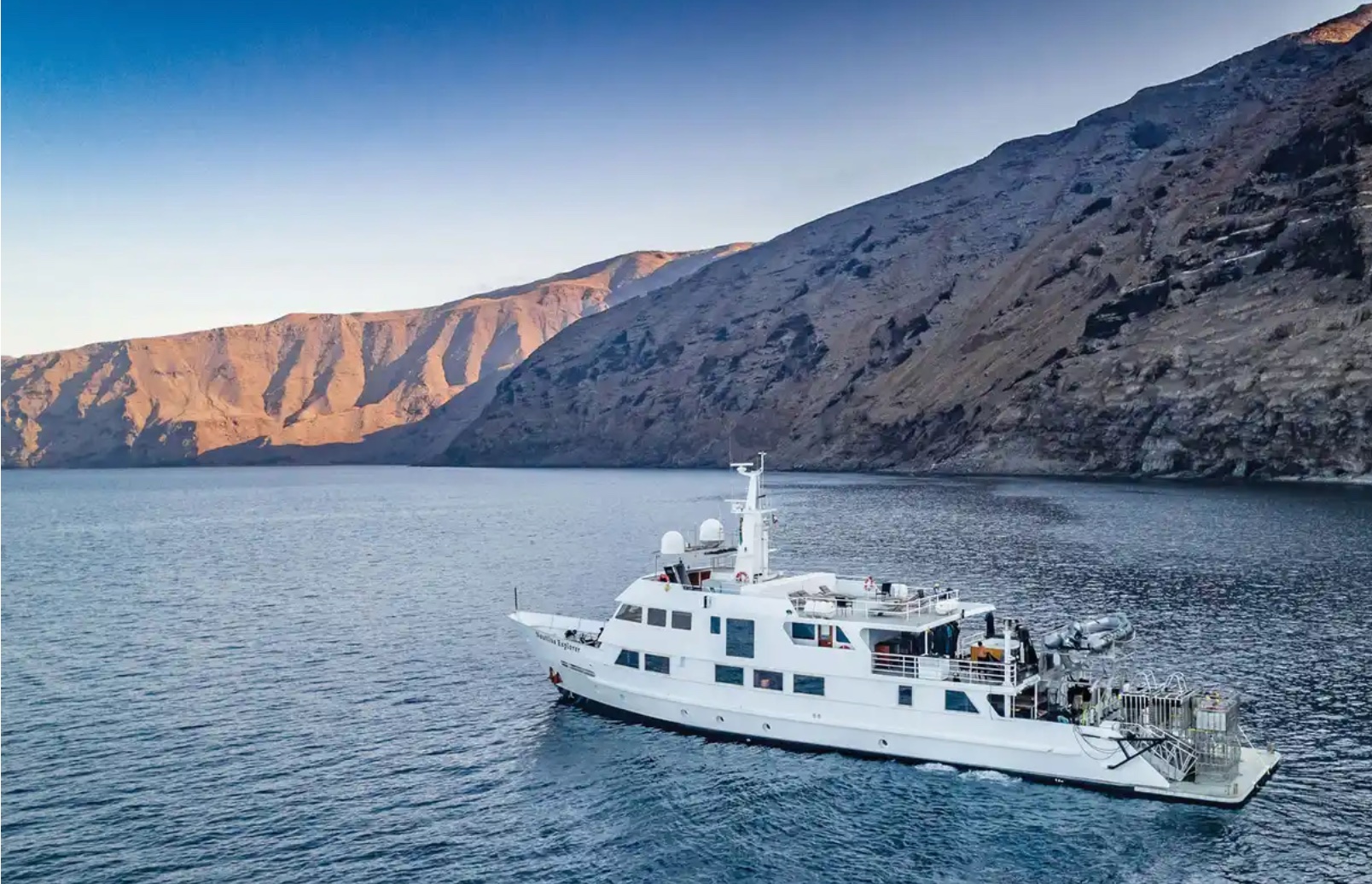
Nautilus Explorer
Mexico
25 guests45 m
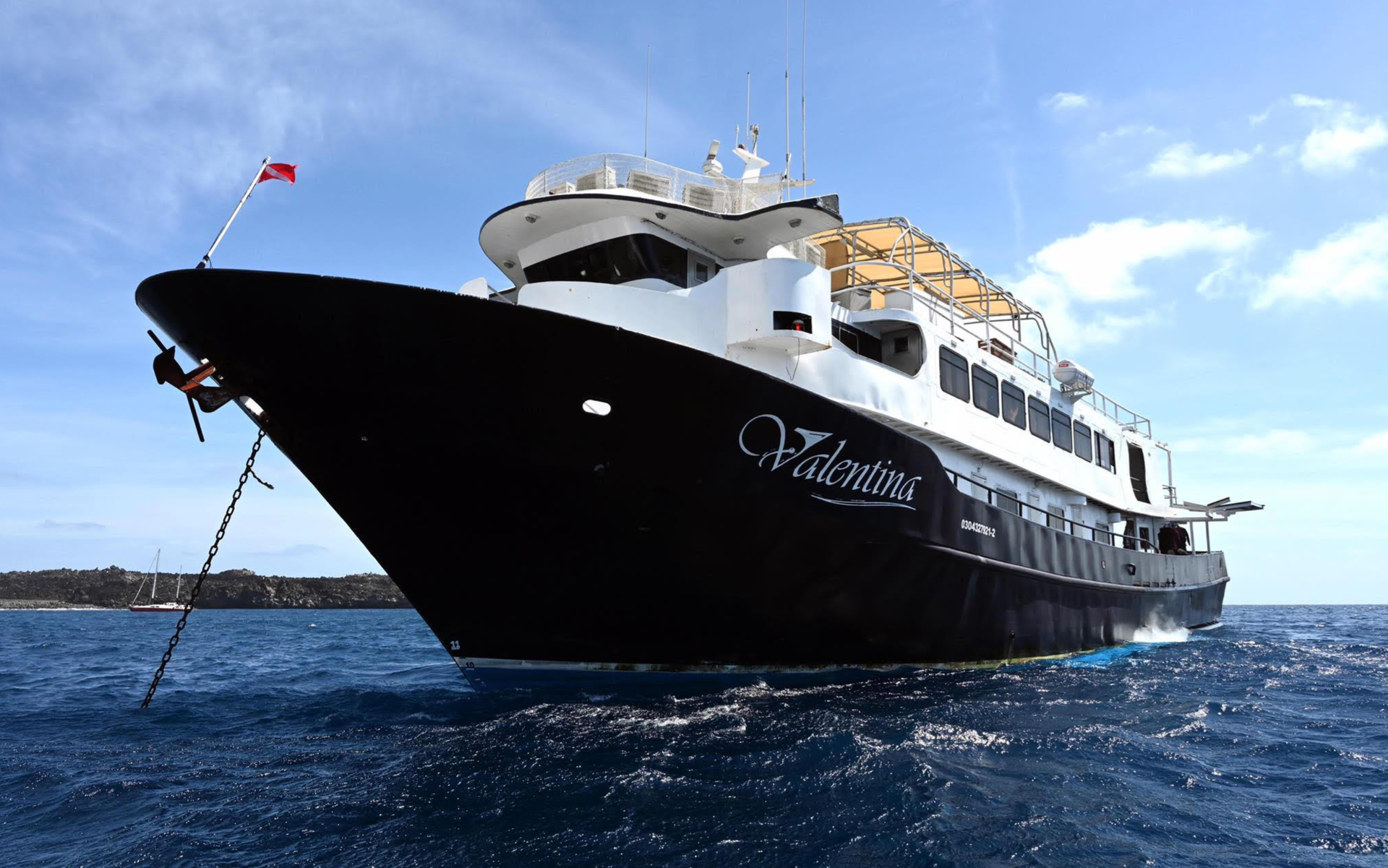
Valentina
Mexico
20 guests38 m
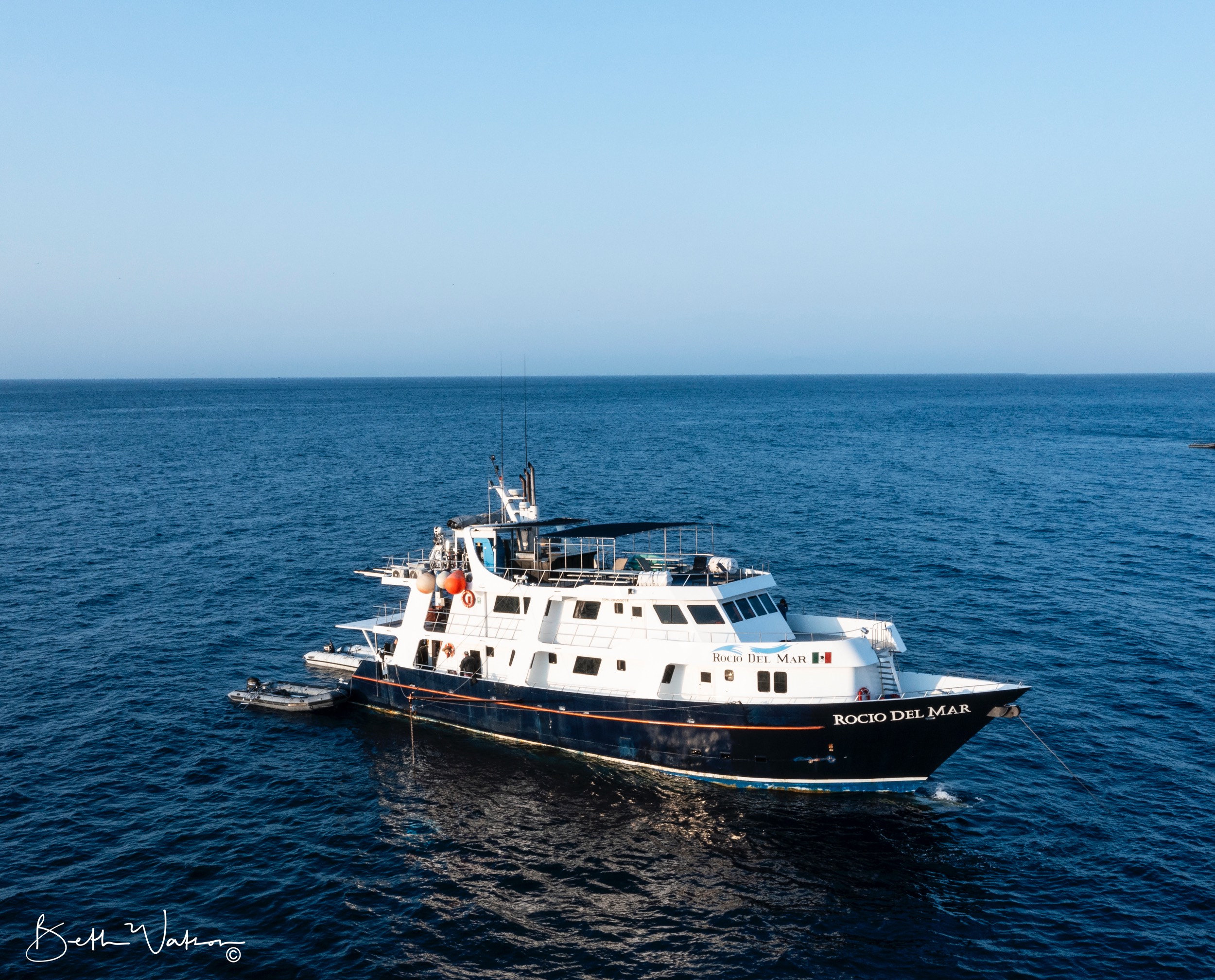
Rocio del Mar
Mexico
20 guests34 m
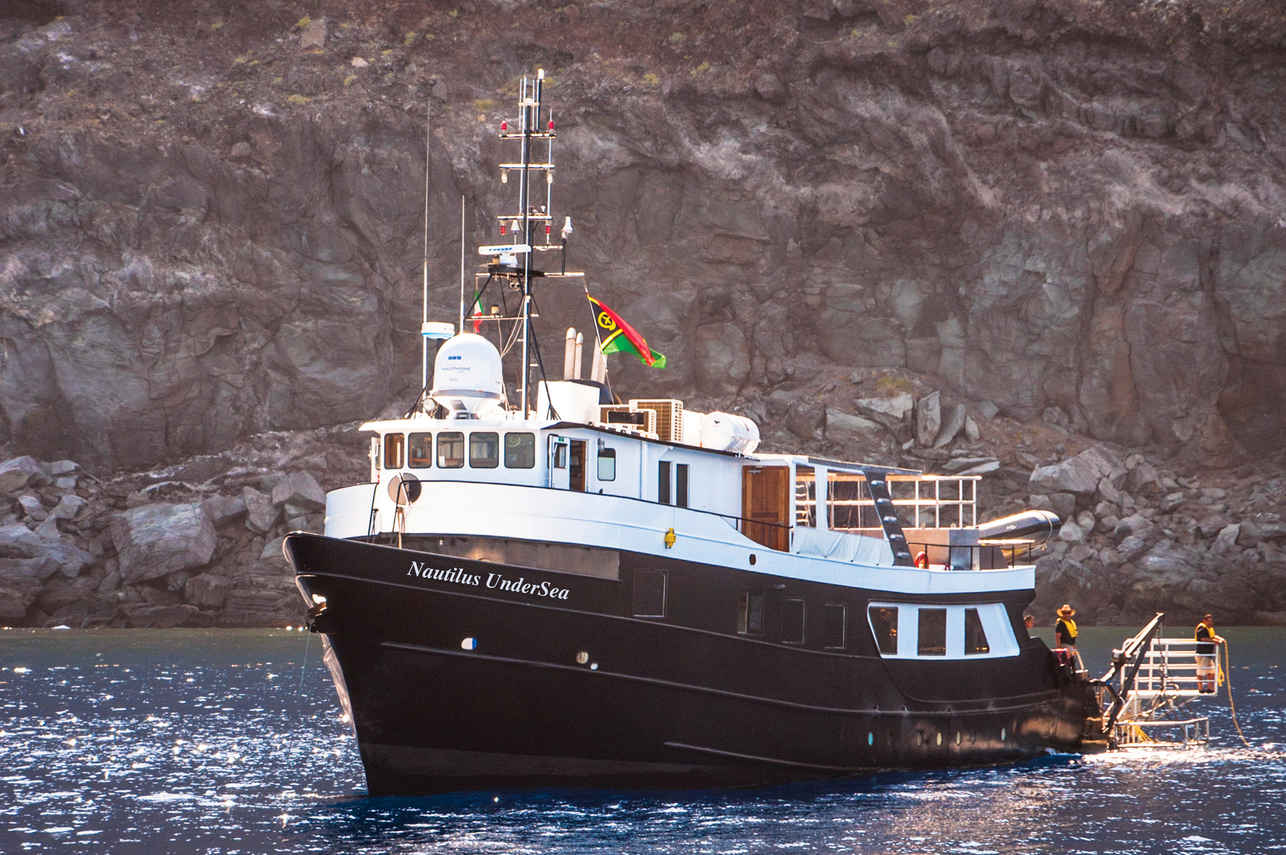
Nautilus Under Sea
Mexico
19 guests32 m
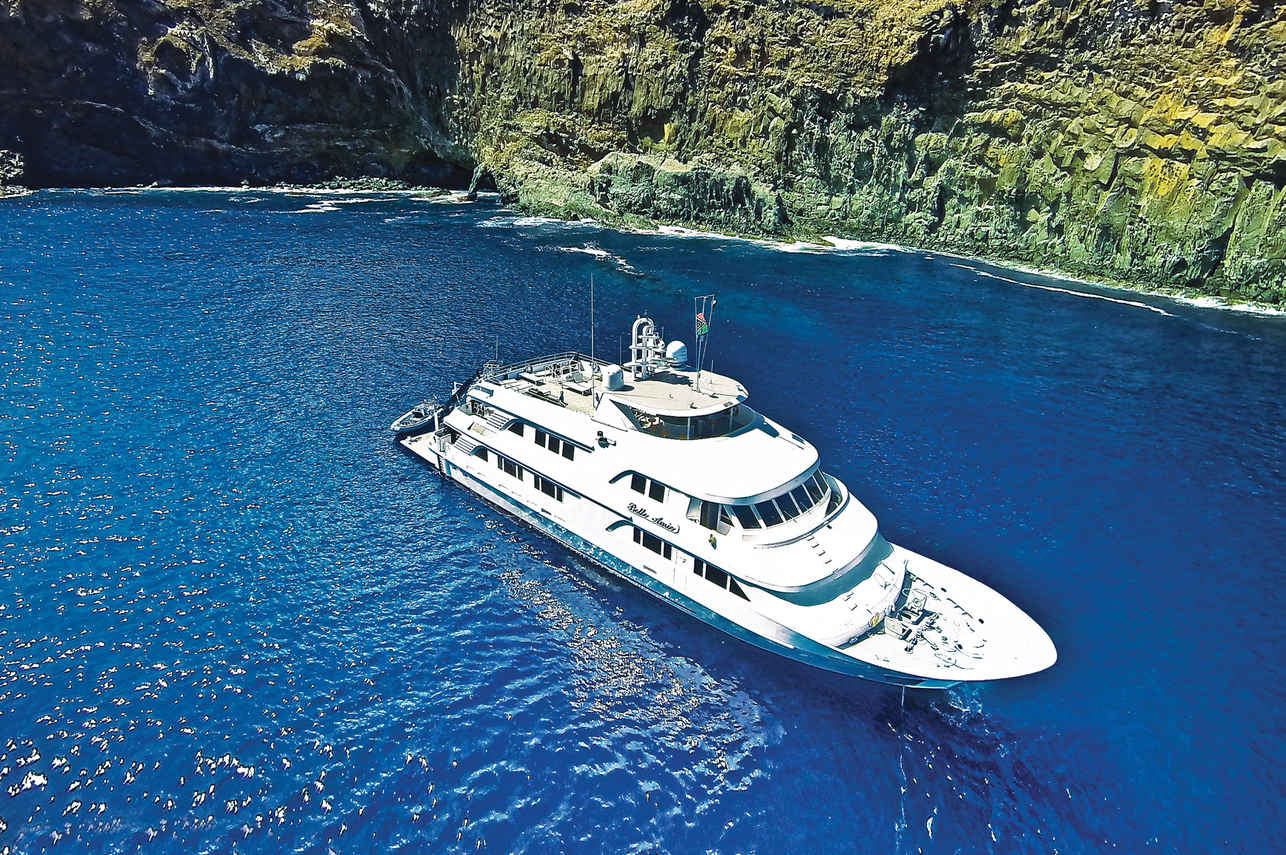
Nautilus Belle Amie
Mexico
32 guests45 m
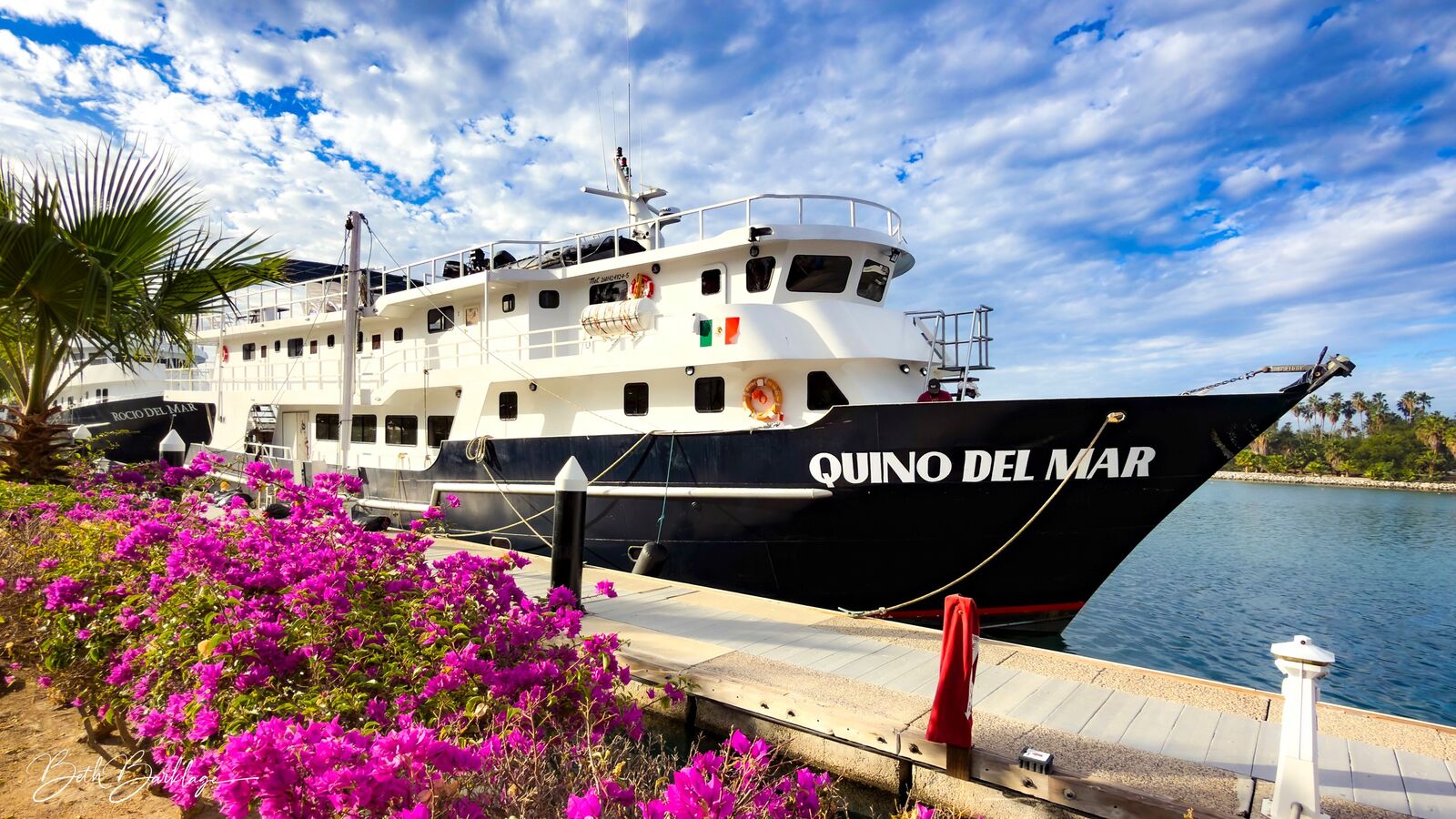
Quino del Mar
Mexico
20 guests36 m
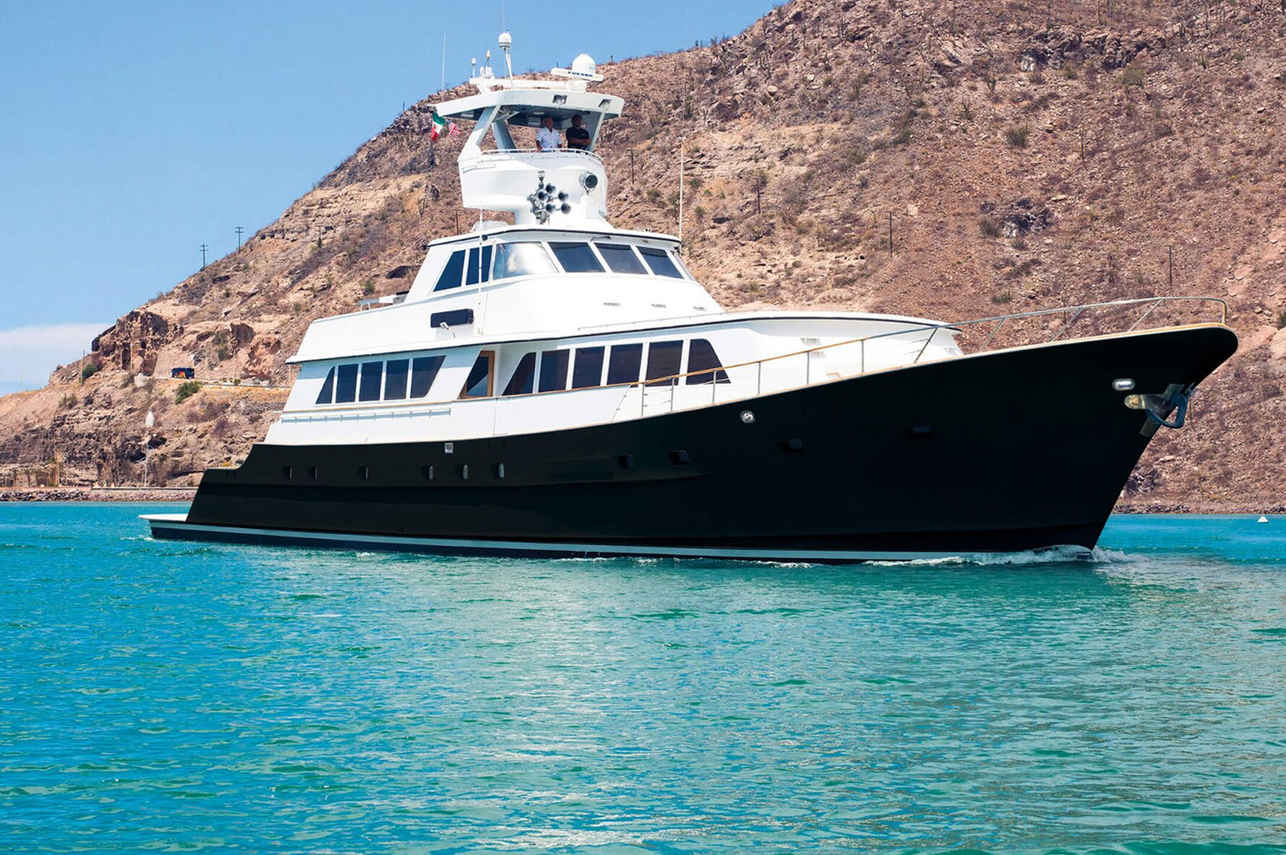
Nautilus Gallant Lady
Mexico
12 guests35 m
Dive sites similar to Nohoch Nah Chich
Same character, same waters — six more sites divers love for the exact same reasons.Compare seasons, access and liveaboard routes — then pick the site that fits your trip best.
© Esri — Maxar, Earthstar, GIS
3 Fathom Wall
Cayman Islands
3 Fathom Wall is an exciting and fish-filled dive site located in the Cayman Islands, specifically at the intersection of the renowned Bloody Bay Wall.
- Suitable for
- Intermediate
- Current
- Mild
- Access
- Liveaboard only
- Depth
- ≤ 3000 m
- Theme
- Reef
While specific details for a dive site named "3 Riff" are not present in the provided sources, general diving conditions and characteristics for the Dominican Republic…
- Suitable for
- Advanced
- Current
- Mild
- Access
- Dayboat
- Depth
- 30–55 m
- Theme
- Reef
The dive site known as 3 Rocks is located off the coast of Sosúa in Puerto Plata, Dominican Republic, offering an accessible and lively underwater experience.
- Suitable for
- Beginner
- Current
- Mild
- Access
- Dayboat
- Depth
- 2–8 m
- Theme
- Reef
4 Amigos is a notable dive site located in the Bay Islands of Honduras, an area renowned for its extensive Mesoamerican Barrier Reef System, which is the world's second-longest.
- Suitable for
- Intermediate
- Current
- Moderate
- Access
- Liveaboard or dayboat
- Depth
- 9–40 m
- Theme
- Reef
© Esri — Maxar, Earthstar, GIS
6 Toed Cat
Mexico
The dive site known as "6 Toed Cat" is not a recognized dive location in Mexico; rather, it refers to the polydactyl felines, many with six toes, that inhabit the Ernest Hemingway Home and Museum in Key West, Florida.
- Suitable for
- Beginner
- Current
- Mild
- Access
- Liveaboard or dayboat
- Depth
- —
- Theme
- Reef
© Esri — Maxar, Earthstar, GIS
Aaron's Backyard
Honduras
Aaron's Backyard is a noted dive site within the Roatan Marine Park in Honduras, part of the extensive Mesoamerican Barrier Reef System.
- Suitable for
- Intermediate
- Current
- Moderate
- Access
- Liveaboard or dayboat
- Depth
- 9–40 m
- Theme
- Reef