About Maravilla
Cenote Maravilla, also known as Chim Chan Luum, is a profound and visually striking vertical sinkhole situated on the Ruta de los Cenotes, west of Puerto Morelos in Mexico's Riviera Maya. This private cenote is celebrated for its immense open-water volume, impressive depth, and a distinctive hydrogen sulfide cloud, offering a unique dive experience that stands apart from typical cavern cenotes. Its almost surreal atmosphere and relative seclusion from mass tourism make it a remarkable destination for divers. The dive unfolds within a vast circular sinkhole, beginning with a descent into exceptionally clear water. As divers go deeper, a massive column of sunlight penetrates from the opening above, creating a spectacular light show when the sun is positioned high. Around 25 to 30 meters, a dense layer of hydrogen sulfide forms a cloud, separating the freshwater above from the deeper, mineral-rich waters below, where fallen rocks contribute to a mysterious landscape. The site is known for bell-shaped formations and limestone walls that guide the descent. While marine life is not the primary attraction, the geological features and light effects are the stars here. The extraordinary visibility in the stable water layers allows for clear observation of the cenote's unique topography, though clarity can momentarily decrease when passing through the sulfur cloud. The constant water temperature of approximately 25°C ensures comfortable diving conditions year-round. This site is primarily for experienced divers due to its depth and the need for meticulous buoyancy control, with a maximum recreational depth typically between 25 and 30 meters, though the cenote extends beyond 70 meters. Dives usually last between 35 and 45 minutes, often as part of a guided tour, and are not considered cavern routes. Access is controlled, often requiring a local operator.
Highlights
Immense vertical sinkholeSpectacular light beamThick hydrogen sulfide cloudBell-shaped rock formationsDeep water volumeCrystal clear water
Season calendar
Best months to dive here
Jan
Feb
Mar
Apr
May
Jun
Jul
Aug
Sep
Oct
Nov
Dec
Excellent
Good
Nov – Apr (Peak)
Socorro season open (Nov–May) for giant mantas and hammerheads. Cozumel bull sharks Dec–Mar. Cenotes excellent year-round. Best overall conditions.
May – Oct (Transition & Sea of Cortez)
Socorro closing, Cozumel still good. Whale sharks arrive at Isla Mujeres Jun–Sep. From August, the Sea of Cortez comes alive: Midriff Islands offer massive sea lion colonies and schooling mobulas. September and October bring world-class diving around La Paz and Cabo Pulmo with whale sharks, hammerheads, and bull sharks on the Explore Baja route.
Dive site facts: Maravilla
- Depth
- 0–30 m
- Current
- No current
- Entry
- Shore / dayboat
- Level
- Advanced
- Dive type
- Cenote, Reef
- Region / port
- Mexico
- Coordinates
- 20.3117° N, 87.1720° W
Conditions & Currents
Cenote Maravilla is an open-water cenote with stable water layers, so strong currents are generally not a factor. However, visibility can be temporarily reduced when divers cross the hydrogen sulfide cloud. Entry is typically via stairs to the deep sinkhole, often requiring a local operator or guide due to private property access and site-specific entry controls. Divers must maintain precise buoyancy, as descending into the sulfur layer can rapidly alter visibility and orientation. There are no notable thermoclines mentioned, with water temperature consistently around 25°C. This site is best suited for experienced Advanced Open Water divers, preferably with deep-diving experience, who possess a strong overhead-environment mindset and good gas planning discipline, given the significant depth and unique environment.
Why dive Maravilla from a liveaboard?
Maravilla is one of Mexico's signature dive sites. A liveaboard sleeps you on the water and puts you in the water for three to four guided dives per day, including dawn and night dives that day-boat operators rarely offer. You skip the daily commute back to port and reach quieter, less-crowded sites in the same region on a single trip.
Below are the liveaboards that include Maravilla on their Mexico itineraries.
Liveaboards diving Maravilla
These liveaboards may visit Maravilla on selected itineraries — the exact dive sites depend on departure, weather and conditions.
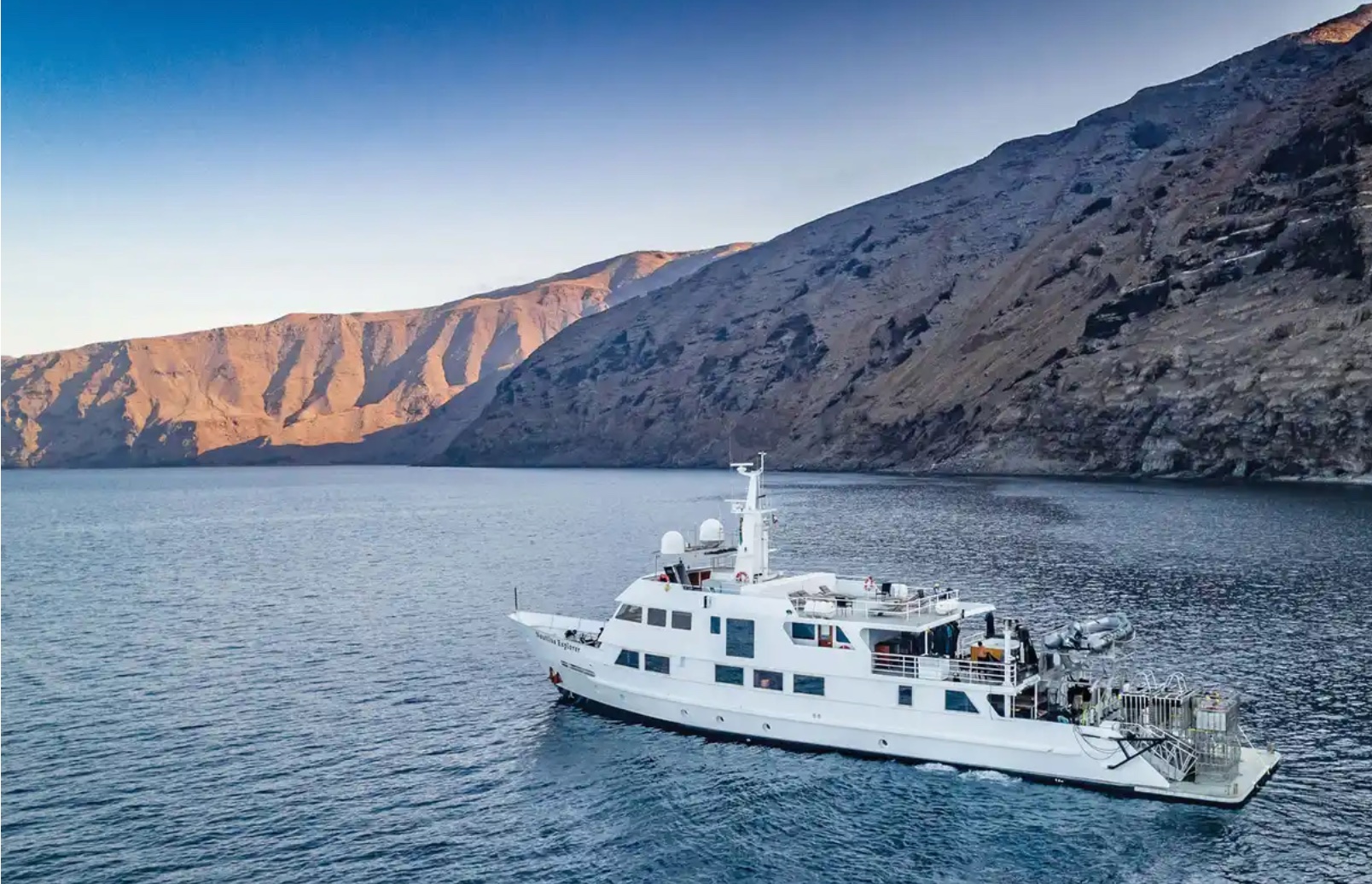
Nautilus Explorer
Mexico
25 guests45 m
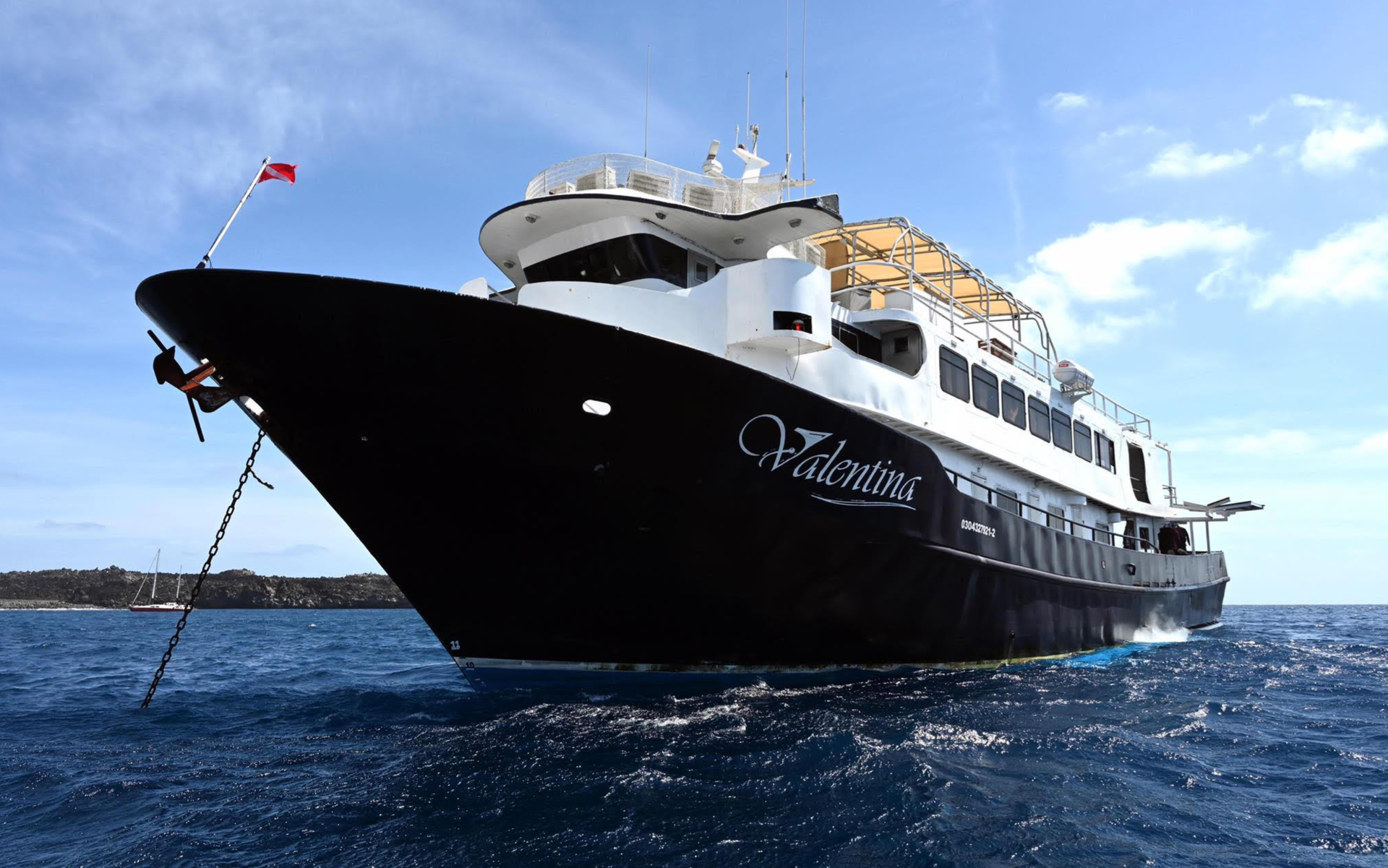
Valentina
Mexico
20 guests38 m
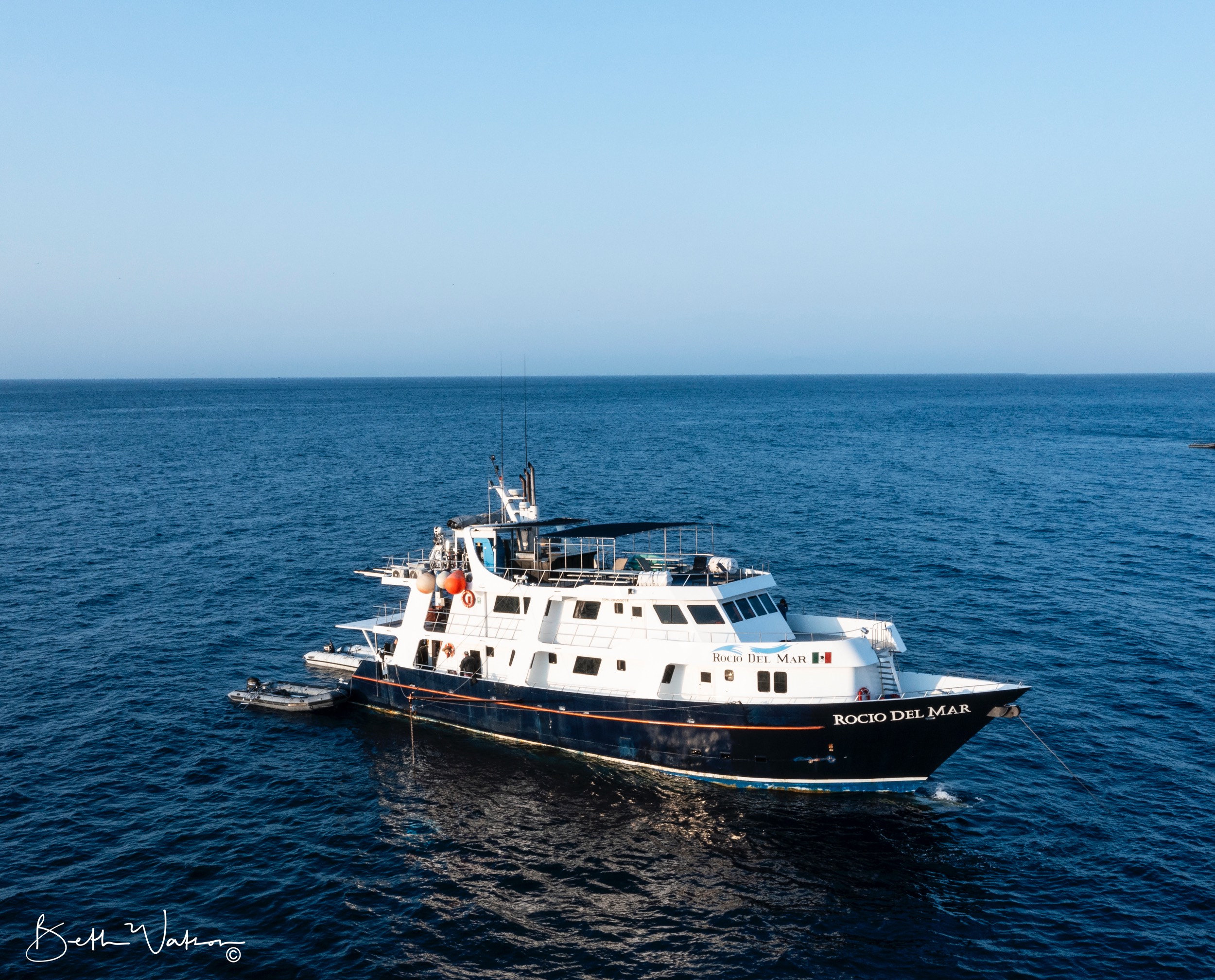
Rocio del Mar
Mexico
20 guests34 m
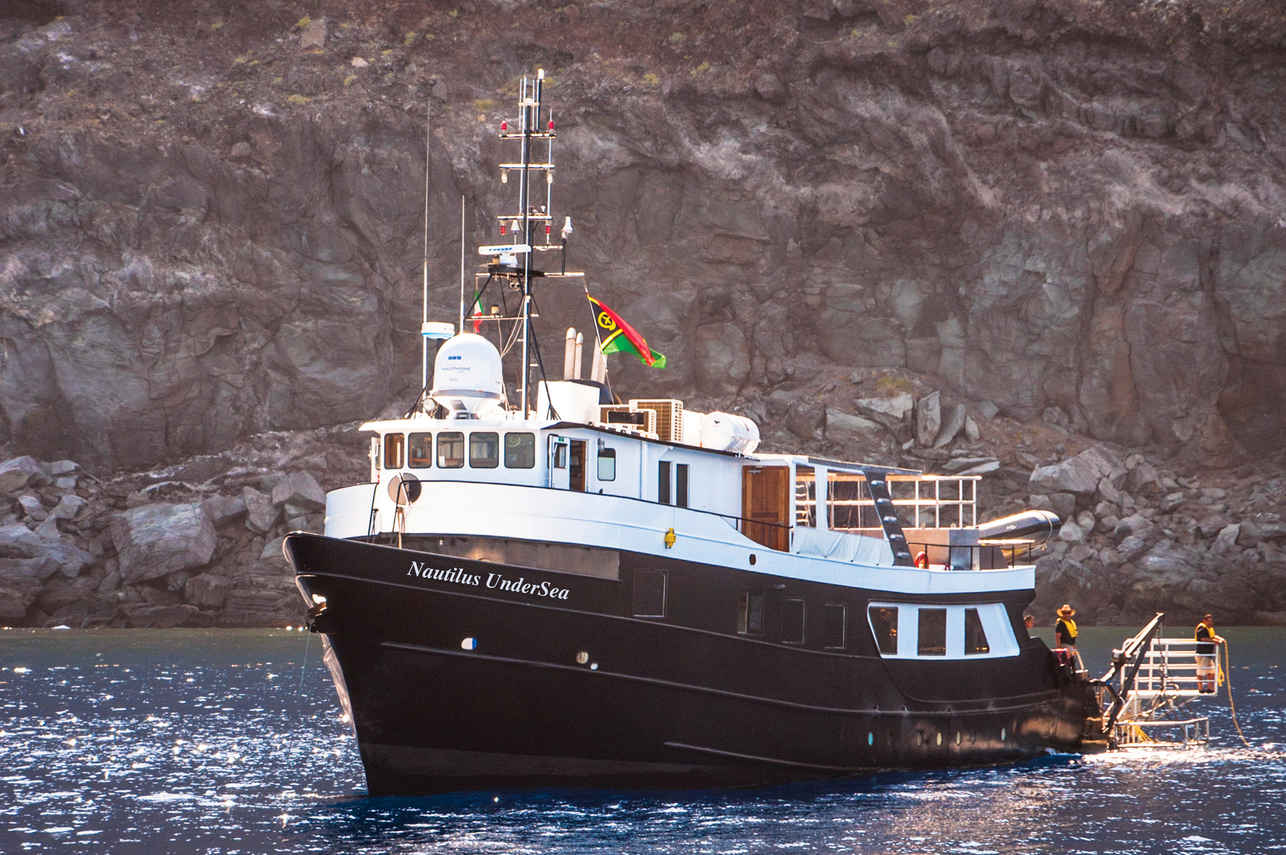
Nautilus Under Sea
Mexico
19 guests32 m
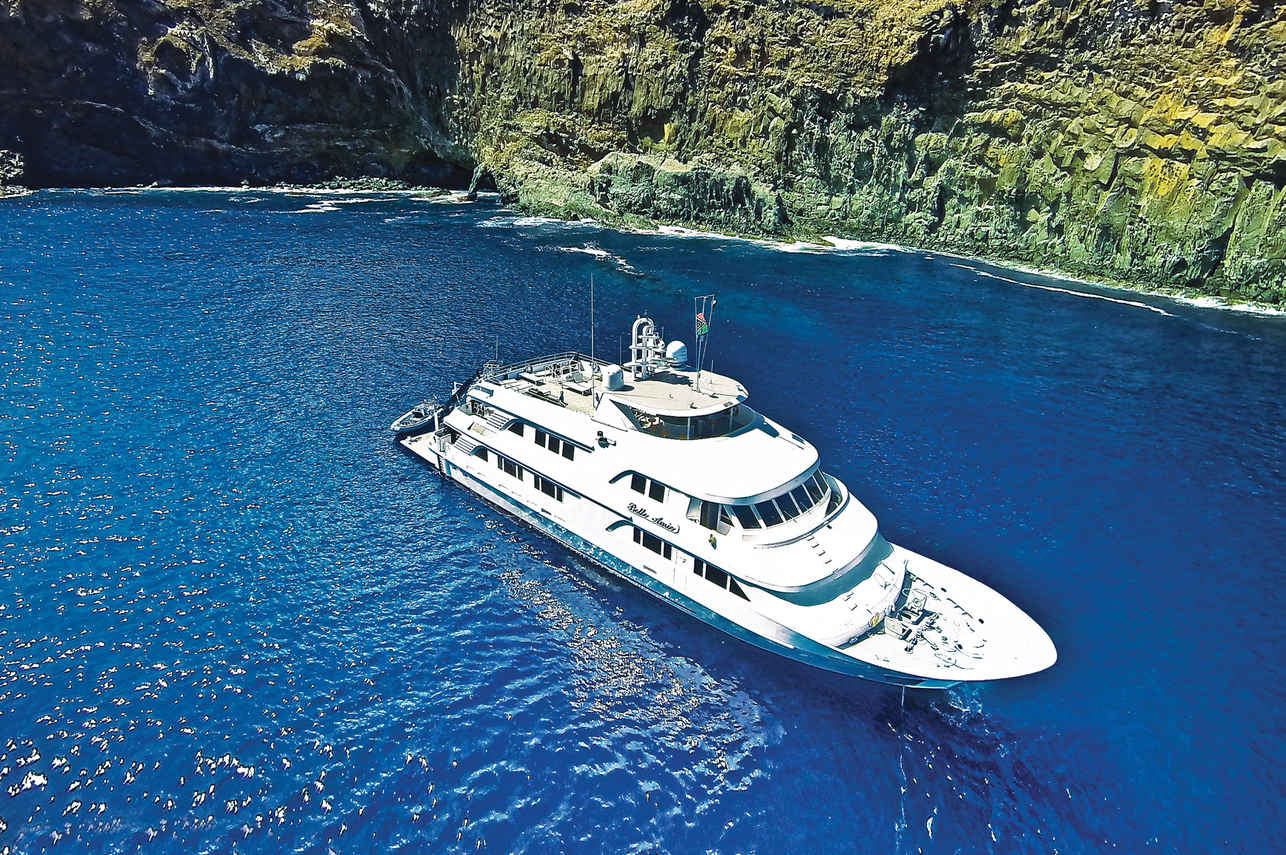
Nautilus Belle Amie
Mexico
32 guests45 m
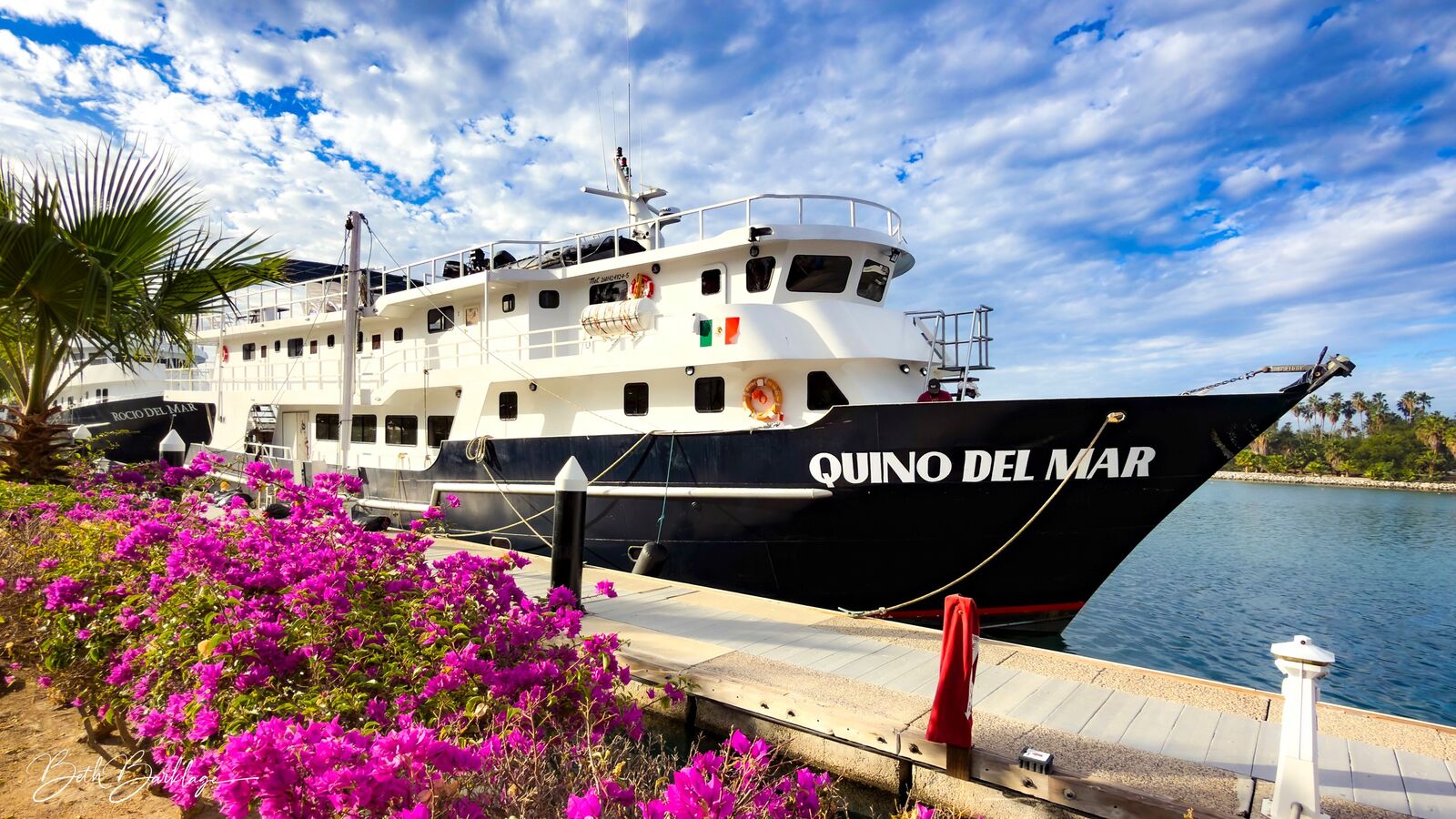
Quino del Mar
Mexico
20 guests36 m
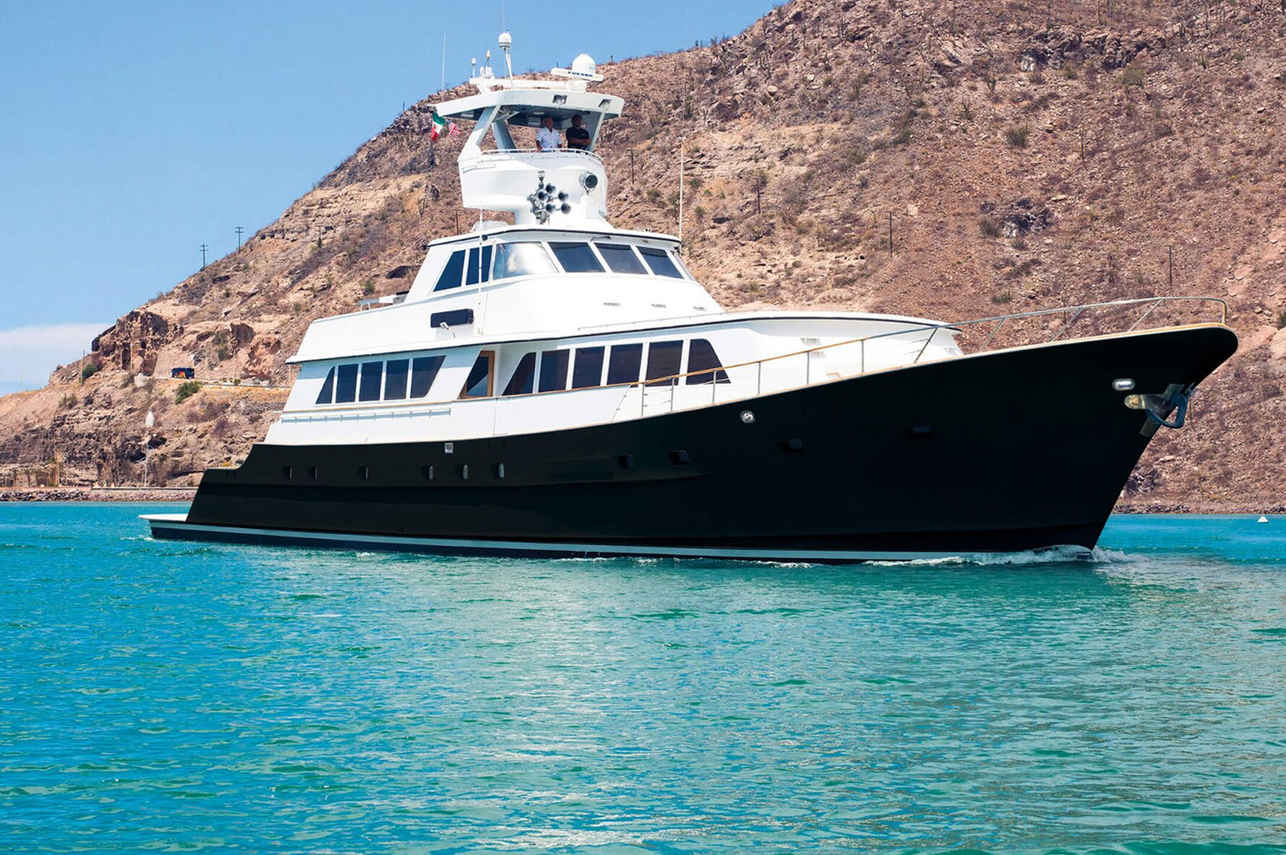
Nautilus Gallant Lady
Mexico
12 guests35 m
Dive sites similar to Maravilla
Same character, same waters — six more sites divers love for the exact same reasons.Compare seasons, access and liveaboard routes — then pick the site that fits your trip best.
© Esri — Maxar, Earthstar, GIS
3 Fathom Wall
Cayman Islands
3 Fathom Wall is an exciting and fish-filled dive site located in the Cayman Islands, specifically at the intersection of the renowned Bloody Bay Wall.
- Suitable for
- Intermediate
- Current
- Mild
- Access
- Liveaboard only
- Depth
- ≤ 3000 m
- Theme
- Reef
While specific details for a dive site named "3 Riff" are not present in the provided sources, general diving conditions and characteristics for the Dominican Republic…
- Suitable for
- Advanced
- Current
- Mild
- Access
- Dayboat
- Depth
- 30–55 m
- Theme
- Reef
The dive site known as 3 Rocks is located off the coast of Sosúa in Puerto Plata, Dominican Republic, offering an accessible and lively underwater experience.
- Suitable for
- Beginner
- Current
- Mild
- Access
- Dayboat
- Depth
- 2–8 m
- Theme
- Reef
4 Amigos is a notable dive site located in the Bay Islands of Honduras, an area renowned for its extensive Mesoamerican Barrier Reef System, which is the world's second-longest.
- Suitable for
- Intermediate
- Current
- Moderate
- Access
- Liveaboard or dayboat
- Depth
- 9–40 m
- Theme
- Reef
© Esri — Maxar, Earthstar, GIS
6 Toed Cat
Mexico
The dive site known as "6 Toed Cat" is not a recognized dive location in Mexico; rather, it refers to the polydactyl felines, many with six toes, that inhabit the Ernest Hemingway Home and Museum in Key West, Florida.
- Suitable for
- Beginner
- Current
- Mild
- Access
- Liveaboard or dayboat
- Depth
- —
- Theme
- Reef
© Esri — Maxar, Earthstar, GIS
Aaron's Backyard
Honduras
Aaron's Backyard is a noted dive site within the Roatan Marine Park in Honduras, part of the extensive Mesoamerican Barrier Reef System.
- Suitable for
- Intermediate
- Current
- Moderate
- Access
- Liveaboard or dayboat
- Depth
- 9–40 m
- Theme
- Reef