About Las Palmas
Las Palmas Reef is a shallow, beginner-friendly dive site situated on Cozumel's west coast, nestled between Paradise Reef to the north and Chankanaab Shallow to the south, within the Cozumel Marine Park. This site offers an easy depth profile and is often utilized as a less crowded alternative to Paradise Reef. It is notable for its visible reef recovery, showcasing healthy sponge and coral regrowth after portions were impacted by Hurricane Rita and temporarily covered by sand. The underwater topography features low coral heads interspersed with expansive sandy areas, creating a distinct visual contrast. Dives typically unfold as a drift, entering from the south near Chankanaab Shallow and proceeding north towards Paradise. The site rewards slow, observant diving, encouraging exploration of its varied habitats and structure. While primarily a reef dive, its proximity to a slope dropping from 40 feet into deeper water adds to its appeal. Marine life at Las Palmas includes a variety of species, from honeycombed cowfish, trunkfish, and spotted moray eels among the corals to stingrays and peacock flounder in the sand patches. Queen angelfish, barracuda, and various types of sponges like rough tube sponges, brain coral, and rope sponges are common. Though less frequent, seahorses, splendid toadfish, turtles, and nurse sharks can also be spotted, depending on conditions. The site is an excellent habitat for cryptic and sand-dwelling creatures. This location is best suited for newly certified divers or for those seeking a relaxed second-tank dive, focusing on macro and sand-life observation. It encourages careful buoyancy control and marine life awareness. Currents are generally mild but can be variable and sometimes swirl or change direction, necessitating attention and proper briefing. Visibility is typically good, offering clear views of the recovering reef.
Highlights
Visible reef recoveryHoneycombed cowfishSplendid toadfish sightingsRough tube and brain coralSand-dwelling speciesOccasional sea turtlesVaried sponge growth
Season calendar
Best months to dive here
Jan
Feb
Mar
Apr
May
Jun
Jul
Aug
Sep
Oct
Nov
Dec
Excellent
Good
Nov – Apr (Peak)
Socorro season open (Nov–May) for giant mantas and hammerheads. Cozumel bull sharks Dec–Mar. Cenotes excellent year-round. Best overall conditions.
May – Oct (Transition & Sea of Cortez)
Socorro closing, Cozumel still good. Whale sharks arrive at Isla Mujeres Jun–Sep. From August, the Sea of Cortez comes alive: Midriff Islands offer massive sea lion colonies and schooling mobulas. September and October bring world-class diving around La Paz and Cabo Pulmo with whale sharks, hammerheads, and bull sharks on the Explore Baja route.
Dive site facts: Las Palmas
- Depth
- 9–22 m
- Current
- Mild
- Entry
- Liveaboard only
- Level
- Beginner
- Dive type
- Reef, Reef
- Region / port
- Mexico
- Coordinates
- 20.4000° N, 87.0332° W
Conditions & Currents
Cozumel is renowned for its drift diving, and Las Palmas generally features mild currents, typically flowing from south to north along the west coast. However, the currents at this specific site are known to be variable, with a tendency to swirl or unexpectedly change direction, even during a single dive. This necessitates a boat drift dive entry and careful attention to buoyancy and group cohesion. Visibility is usually good, ranging from 80 to 100 feet, providing clear views of the reef structure and marine life. There is no mention of thermoclines or significant surge. Divers should be prepared for potential current shifts, making it suitable for beginners who maintain good buoyancy but not ideal for those expecting a consistently fast drift. Gas planning should account for potentially slower progress or varied current resistance.
Why dive Las Palmas from a liveaboard?
Las Palmas is one of Mexico's signature dive sites. A liveaboard sleeps you on the water and puts you in the water for three to four guided dives per day, including dawn and night dives that day-boat operators rarely offer. You skip the daily commute back to port and reach quieter, less-crowded sites in the same region on a single trip.
Below are the liveaboards that include Las Palmas on their Mexico itineraries.
Liveaboards diving Las Palmas
These liveaboards may visit Las Palmas on selected itineraries — the exact dive sites depend on departure, weather and conditions.
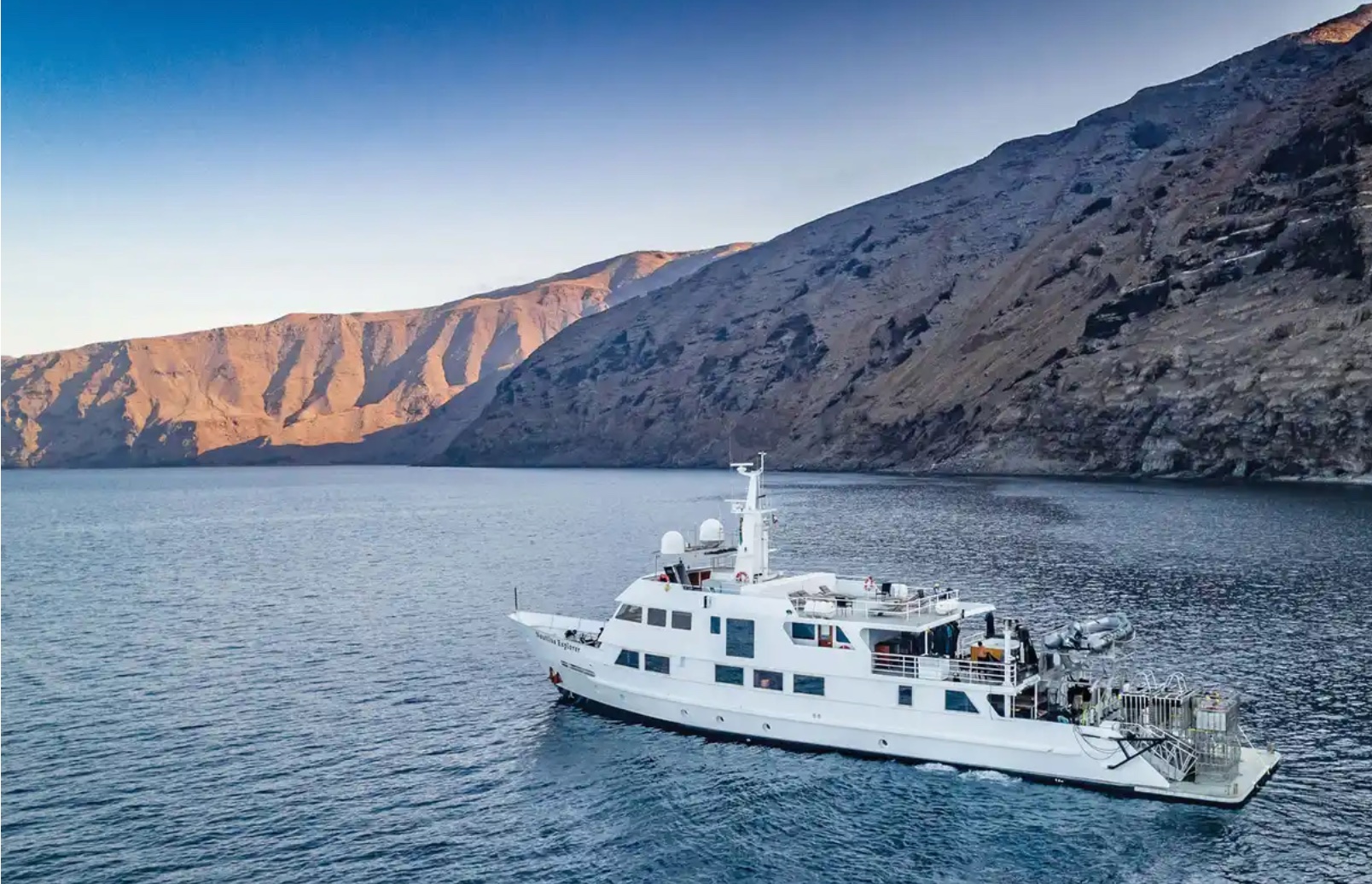
Nautilus Explorer
Mexico
25 guests45 m
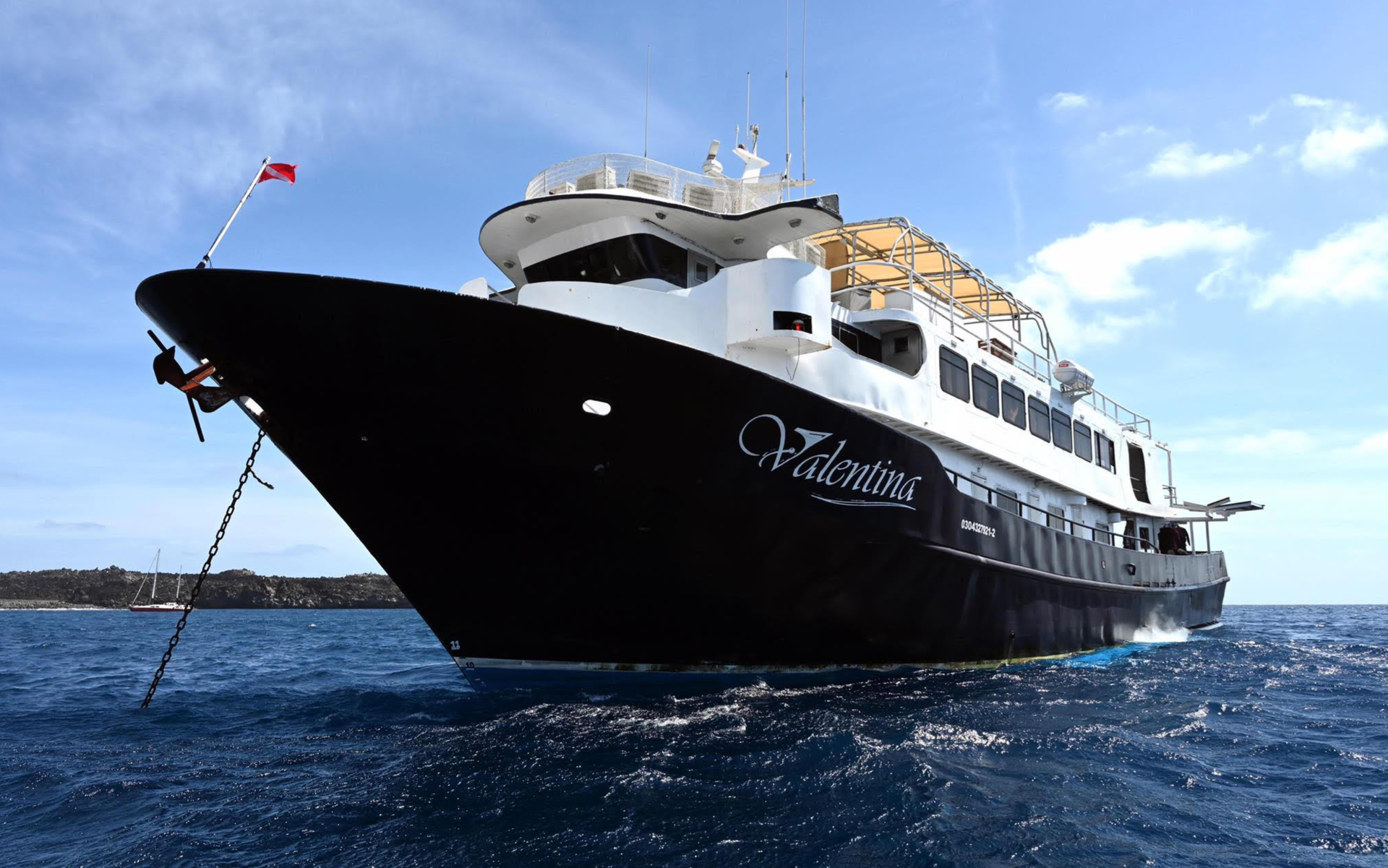
Valentina
Mexico
20 guests38 m
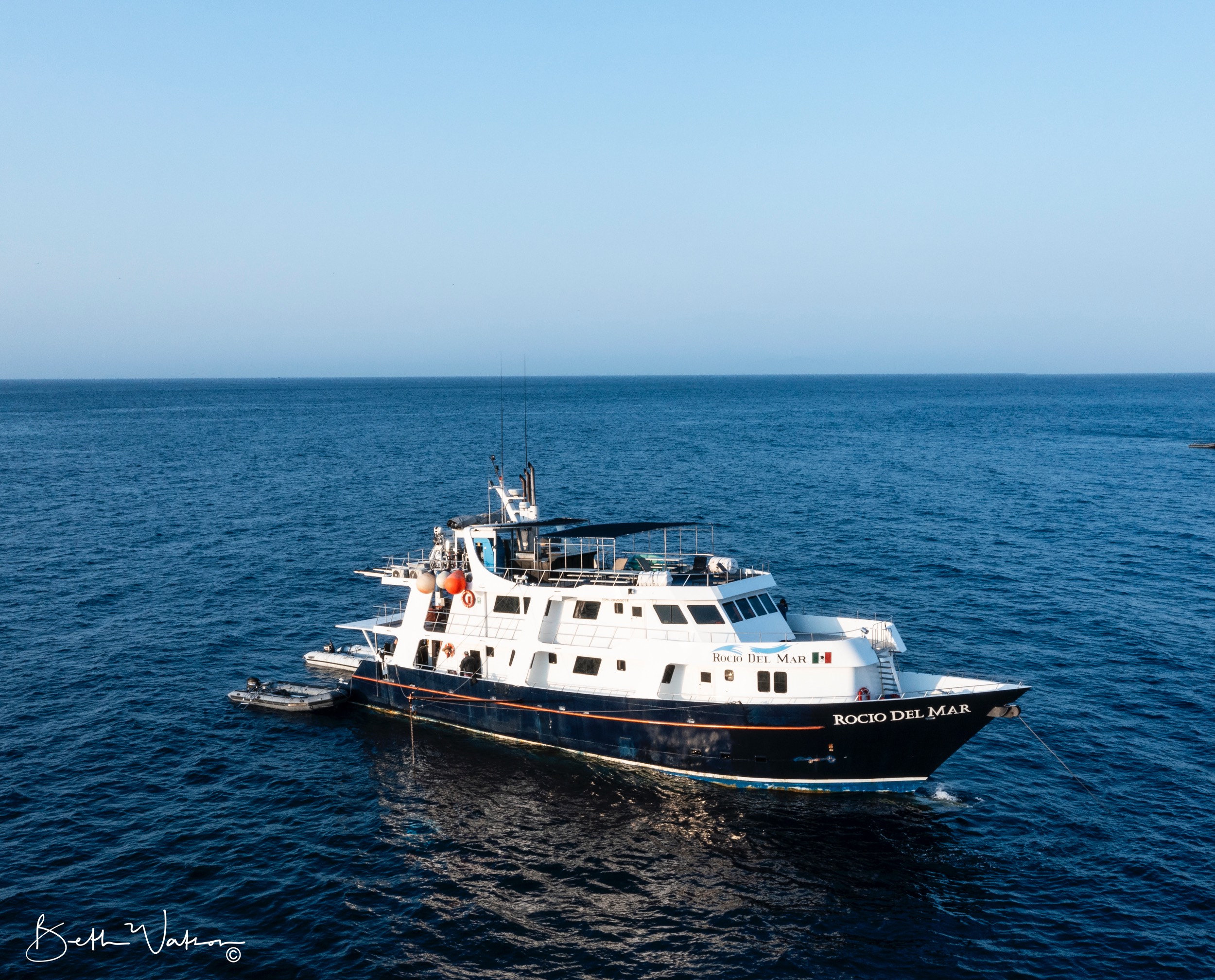
Rocio del Mar
Mexico
20 guests34 m
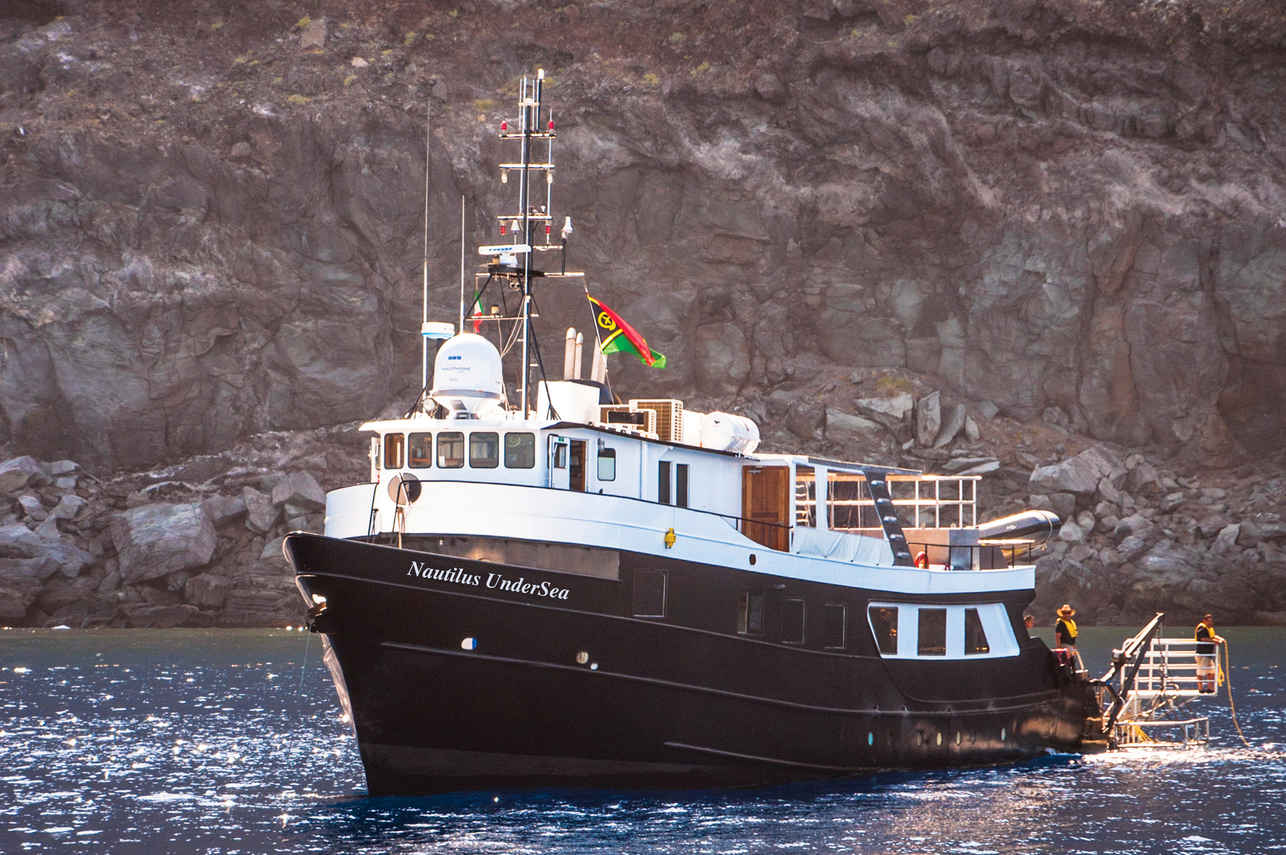
Nautilus Under Sea
Mexico
19 guests32 m
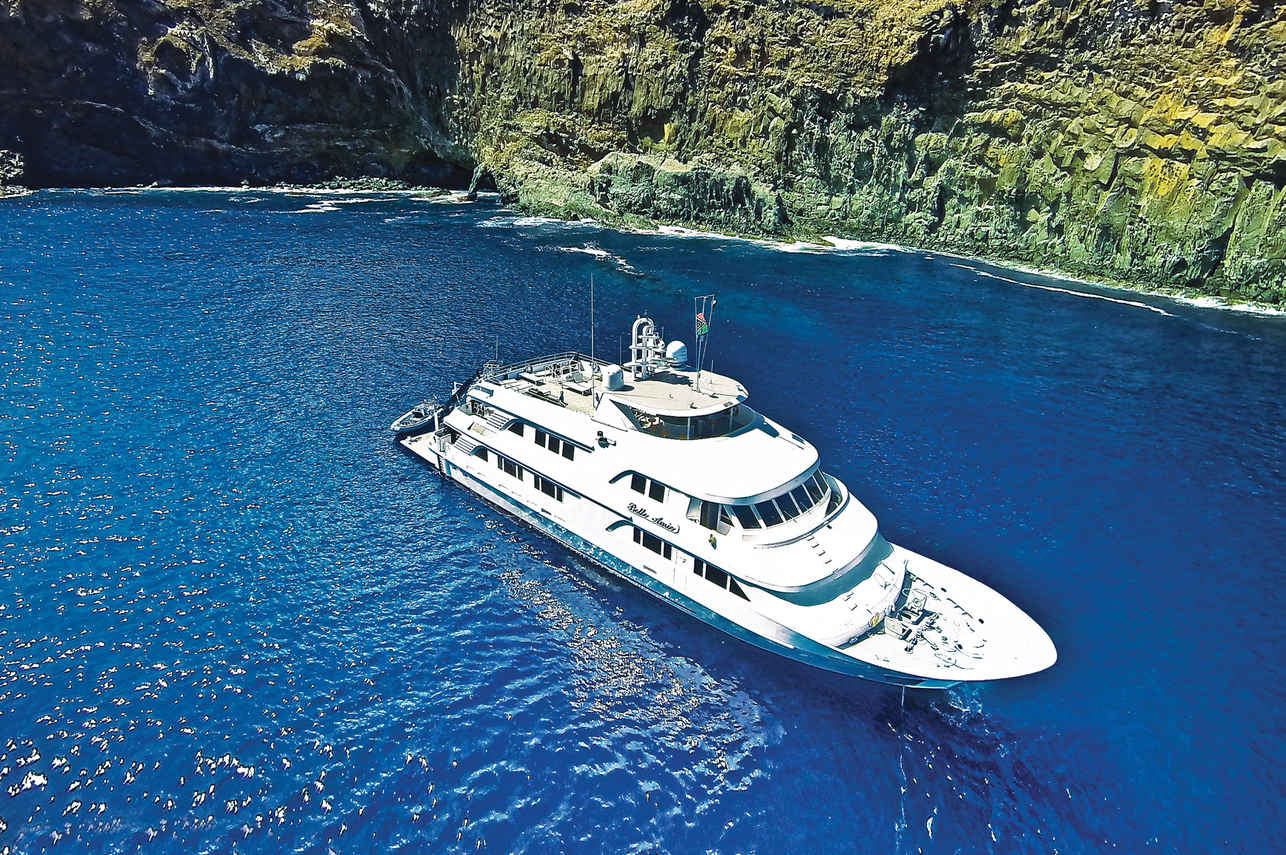
Nautilus Belle Amie
Mexico
32 guests45 m
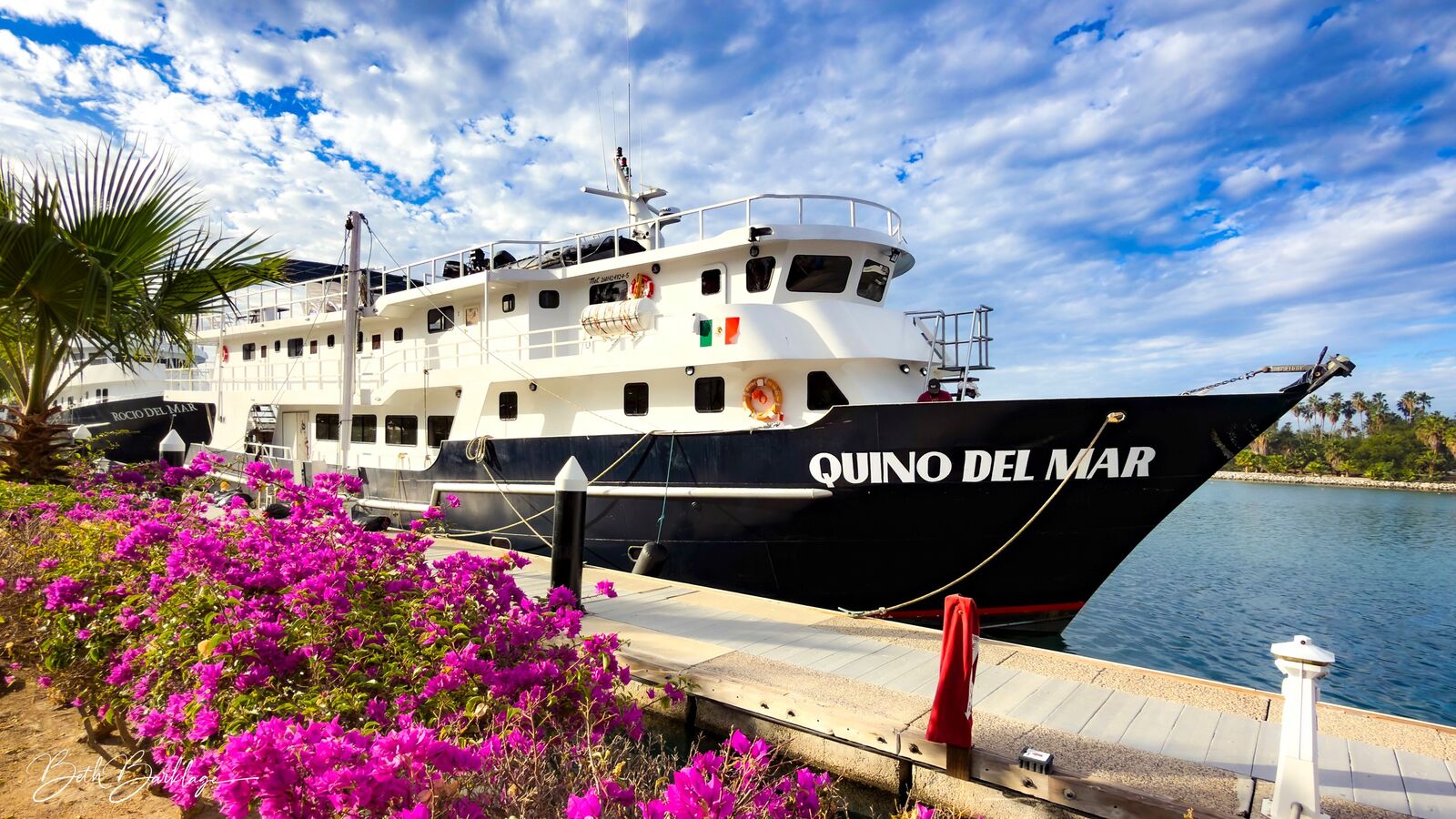
Quino del Mar
Mexico
20 guests36 m
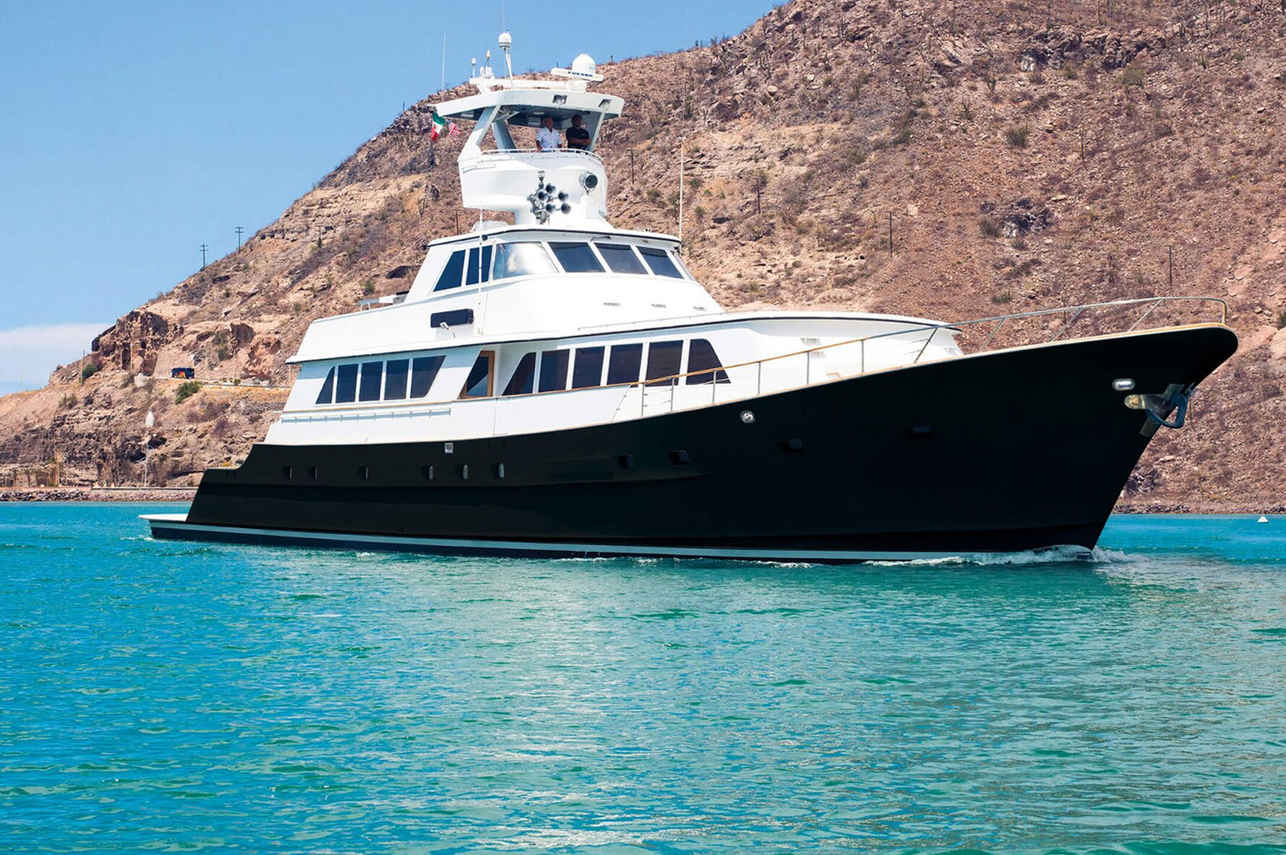
Nautilus Gallant Lady
Mexico
12 guests35 m
Dive sites similar to Las Palmas
Same character, same waters — six more sites divers love for the exact same reasons.Compare seasons, access and liveaboard routes — then pick the site that fits your trip best.
© Esri — Maxar, Earthstar, GIS
3 Fathom Wall
Cayman Islands
3 Fathom Wall is an exciting and fish-filled dive site located in the Cayman Islands, specifically at the intersection of the renowned Bloody Bay Wall.
- Suitable for
- Intermediate
- Current
- Mild
- Access
- Liveaboard only
- Depth
- ≤ 3000 m
- Theme
- Reef
While specific details for a dive site named "3 Riff" are not present in the provided sources, general diving conditions and characteristics for the Dominican Republic…
- Suitable for
- Advanced
- Current
- Mild
- Access
- Dayboat
- Depth
- 30–55 m
- Theme
- Reef
The dive site known as 3 Rocks is located off the coast of Sosúa in Puerto Plata, Dominican Republic, offering an accessible and lively underwater experience.
- Suitable for
- Beginner
- Current
- Mild
- Access
- Dayboat
- Depth
- 2–8 m
- Theme
- Reef
4 Amigos is a notable dive site located in the Bay Islands of Honduras, an area renowned for its extensive Mesoamerican Barrier Reef System, which is the world's second-longest.
- Suitable for
- Intermediate
- Current
- Moderate
- Access
- Liveaboard or dayboat
- Depth
- 9–40 m
- Theme
- Reef
© Esri — Maxar, Earthstar, GIS
6 Toed Cat
Mexico
The dive site known as "6 Toed Cat" is not a recognized dive location in Mexico; rather, it refers to the polydactyl felines, many with six toes, that inhabit the Ernest Hemingway Home and Museum in Key West, Florida.
- Suitable for
- Beginner
- Current
- Mild
- Access
- Liveaboard or dayboat
- Depth
- —
- Theme
- Reef
© Esri — Maxar, Earthstar, GIS
Aaron's Backyard
Honduras
Aaron's Backyard is a noted dive site within the Roatan Marine Park in Honduras, part of the extensive Mesoamerican Barrier Reef System.
- Suitable for
- Intermediate
- Current
- Moderate
- Access
- Liveaboard or dayboat
- Depth
- 9–40 m
- Theme
- Reef