About Kin-Ha
Kin-Ha is a remarkable cenote situated on the Ruta de los Cenotes, conveniently located near Puerto Morelos in Mexico's Riviera Maya, approximately a 45-minute drive from Playa del Carmen. Unlike the extensive horizontal cave systems common in other areas, Kin-Ha presents as an immense, vertical sinkhole and a wide dome-shaped cavern. Its distinction lies in the unique bell-shaped limestone formations that cover its walls, which are particularly rare among Yucatán Peninsula cenotes. Diving at Kin-Ha unfolds within a large, naturally illuminated dome chamber, where a prominent central column ascends from the bottom. Divers explore along the vertical walls, observing the mini-bell formations. When sunlight penetrates the cenote's opening, especially during summer when the sun is high, magnificent light beams create a spectacular atmosphere, illuminating the limestone structures with soft blue and golden tones. The dive typically proceeds to a maximum depth before gradually spiraling upwards, allowing for appreciation of the cenote's immense volume and light effects. While marine life is not the primary focus, the pristine freshwater offers exceptional visibility, often exceeding 30 to 40 meters. The water temperature remains consistently around 24-26°C (75-79°F) year-round, making a 3mm wetsuit suitable. The dive profile is guided, typically lasting 35 to 45 minutes, and emphasizes exploring the impressive geological formations and light plays. Kin-Ha is considered an advanced dive due to its depth and the overhead environment, requiring excellent buoyancy control and comfort in cavern settings. It's frequently paired with Cenote Zapote for a comprehensive two-dive experience, providing a peaceful cavern dive in contrast to Zapote's deeper, dramatic features. Small groups and certified guides are standard to ensure safety and a personalized experience.
Highlights
Bell-shaped limestone formationsDramatic central columnSunlight filtering into cavernWide dome chamberExceptional freshwater visibilityVertical sinkhole structureDeep cavern structures
Season calendar
Best months to dive here
Jan
Feb
Mar
Apr
May
Jun
Jul
Aug
Sep
Oct
Nov
Dec
Excellent
Good
Nov – Apr (Peak)
Socorro season open (Nov–May) for giant mantas and hammerheads. Cozumel bull sharks Dec–Mar. Cenotes excellent year-round. Best overall conditions.
May – Oct (Transition & Sea of Cortez)
Socorro closing, Cozumel still good. Whale sharks arrive at Isla Mujeres Jun–Sep. From August, the Sea of Cortez comes alive: Midriff Islands offer massive sea lion colonies and schooling mobulas. September and October bring world-class diving around La Paz and Cabo Pulmo with whale sharks, hammerheads, and bull sharks on the Explore Baja route.
Dive site facts: Kin-Ha
- Depth
- 0–30 m
- Current
- No current
- Entry
- Shore / dayboat
- Level
- Advanced
- Dive type
- Cenote, Reef
- Region / port
- Mexico
- Coordinates
- 20.2526° N, 87.1673° W
Conditions & Currents
Cenote Kin-Ha offers calm water conditions, a characteristic benefit of cenote diving. The environment is notably tranquil, without typical ocean currents or surge, making it a stable diving experience. Visibility is consistently excellent, frequently surpassing 30 to 40 meters, thanks to the crystal-clear freshwater. Thermoclines are generally not a concern, as water temperature remains stable around 24-26°C (75-79°F). Due to the overhead environment and depths reaching up to 30 meters (100 feet), excellent buoyancy control and good air management are critical. Divers need to be comfortable in a cavern setting, although dives always remain within the natural light zone and follow safety lines. The dive is guided, and entry is straightforward, typically descending along a vertical wall from an entry platform.
Why dive Kin-Ha from a liveaboard?
Kin-Ha is one of Mexico's signature dive sites. A liveaboard sleeps you on the water and puts you in the water for three to four guided dives per day, including dawn and night dives that day-boat operators rarely offer. You skip the daily commute back to port and reach quieter, less-crowded sites in the same region on a single trip.
Below are the liveaboards that include Kin-Ha on their Mexico itineraries.
Liveaboards diving Kin-Ha
These liveaboards may visit Kin-Ha on selected itineraries — the exact dive sites depend on departure, weather and conditions.
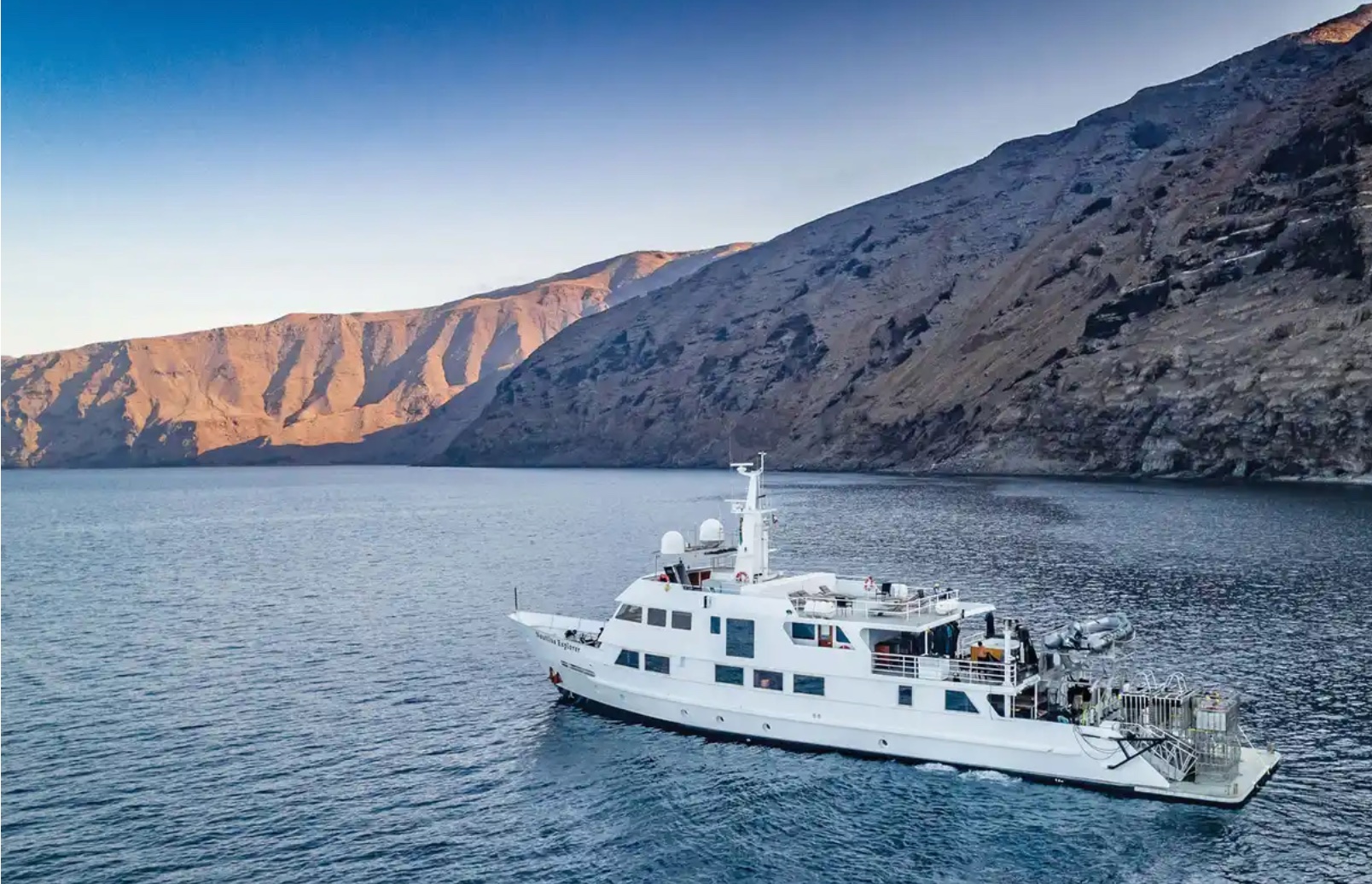
Nautilus Explorer
Mexico
25 guests45 m
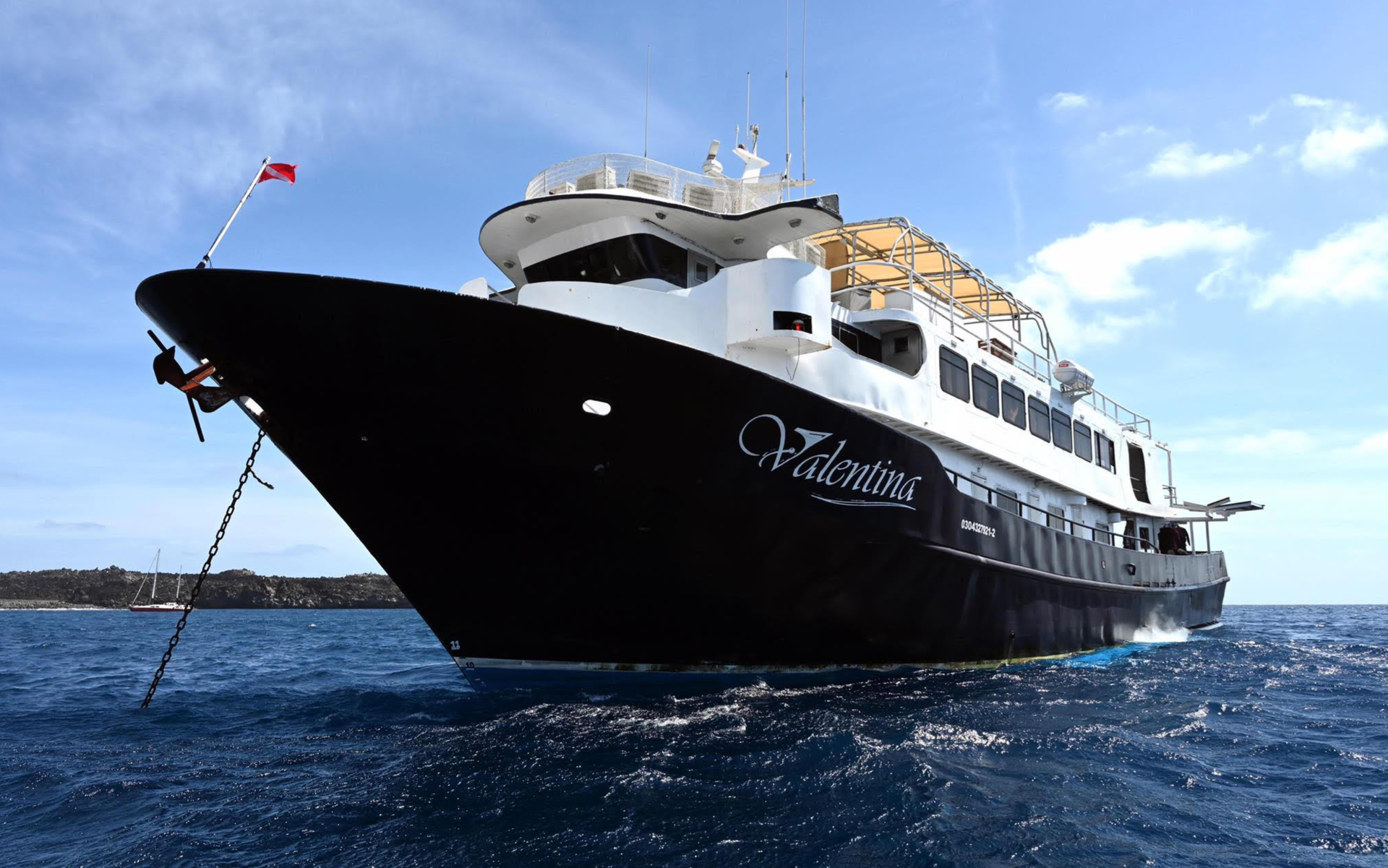
Valentina
Mexico
20 guests38 m
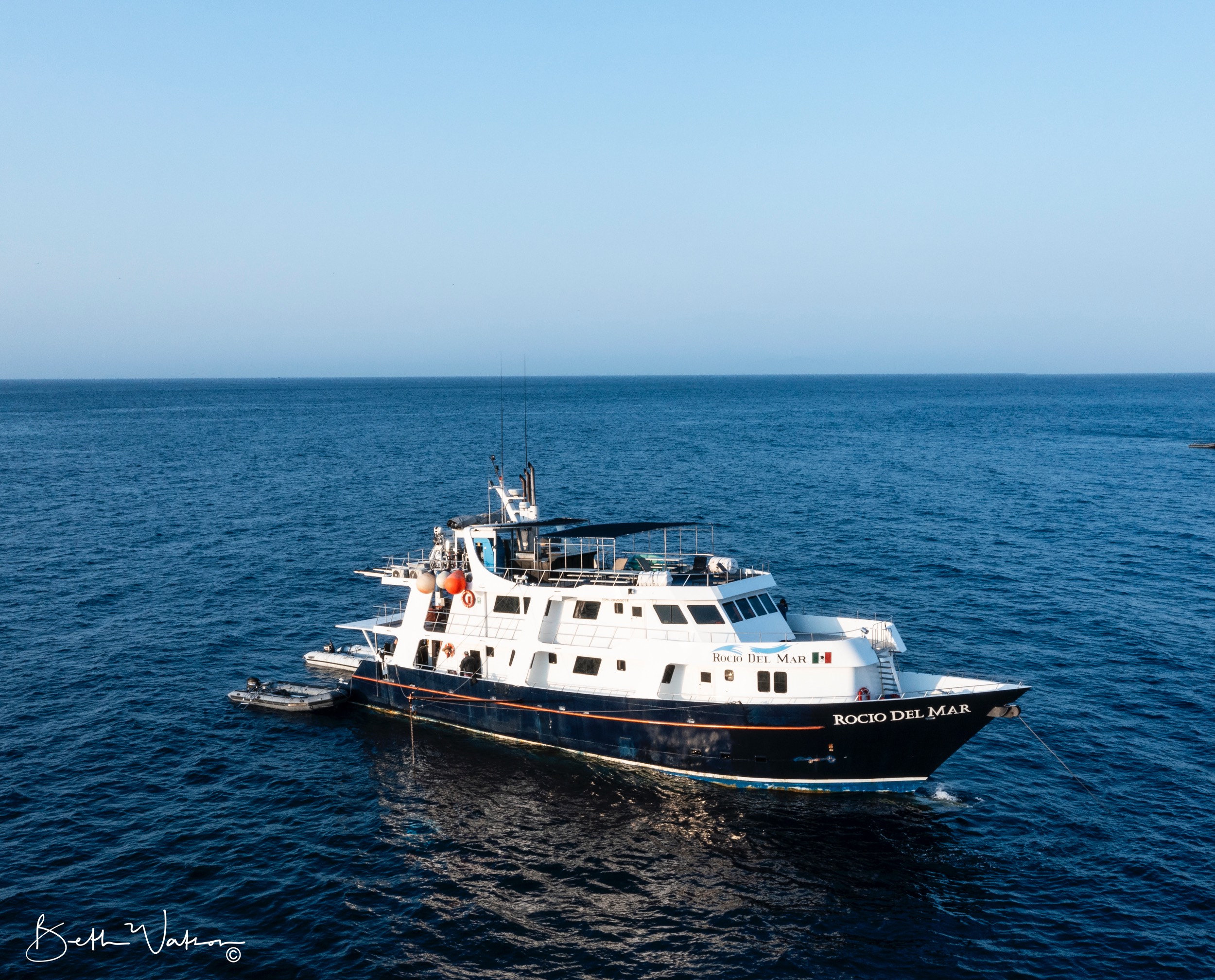
Rocio del Mar
Mexico
20 guests34 m
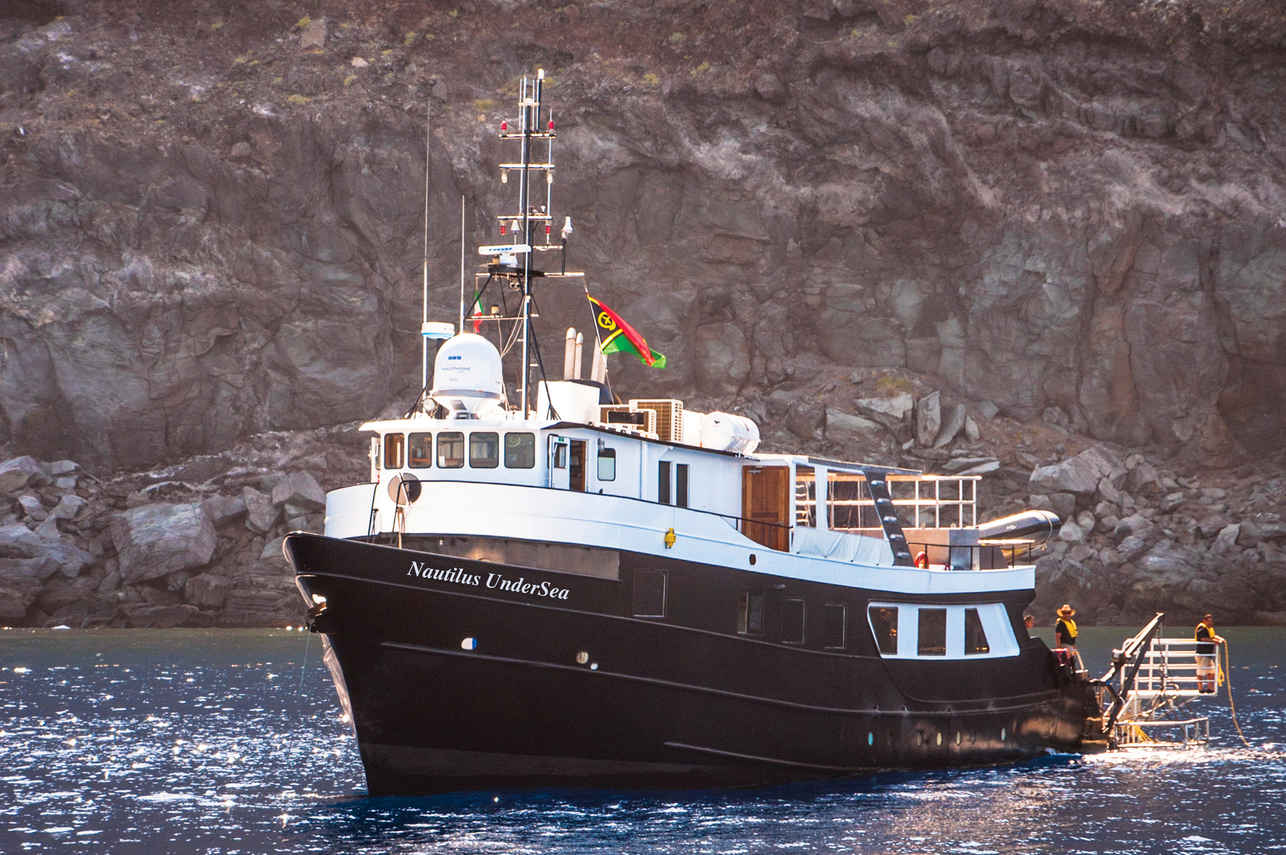
Nautilus Under Sea
Mexico
19 guests32 m
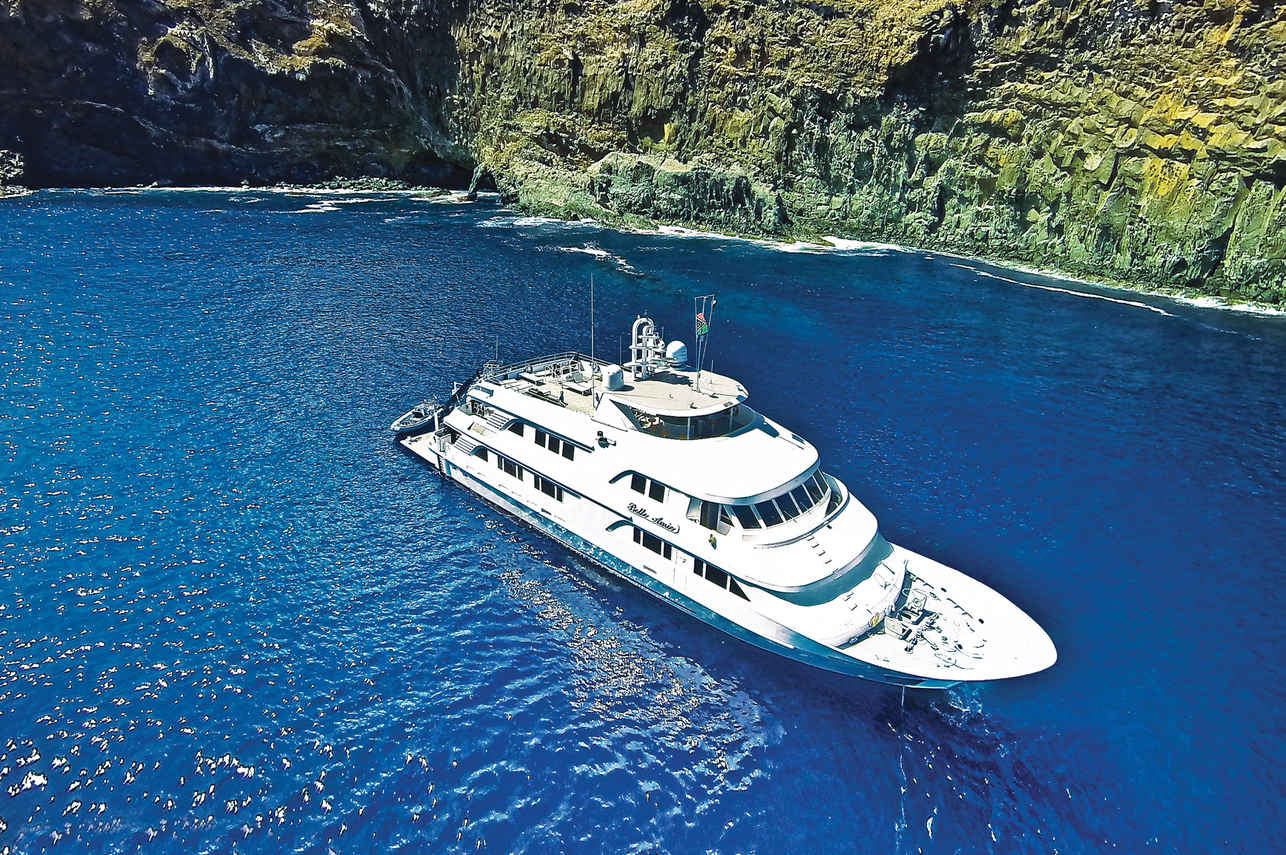
Nautilus Belle Amie
Mexico
32 guests45 m
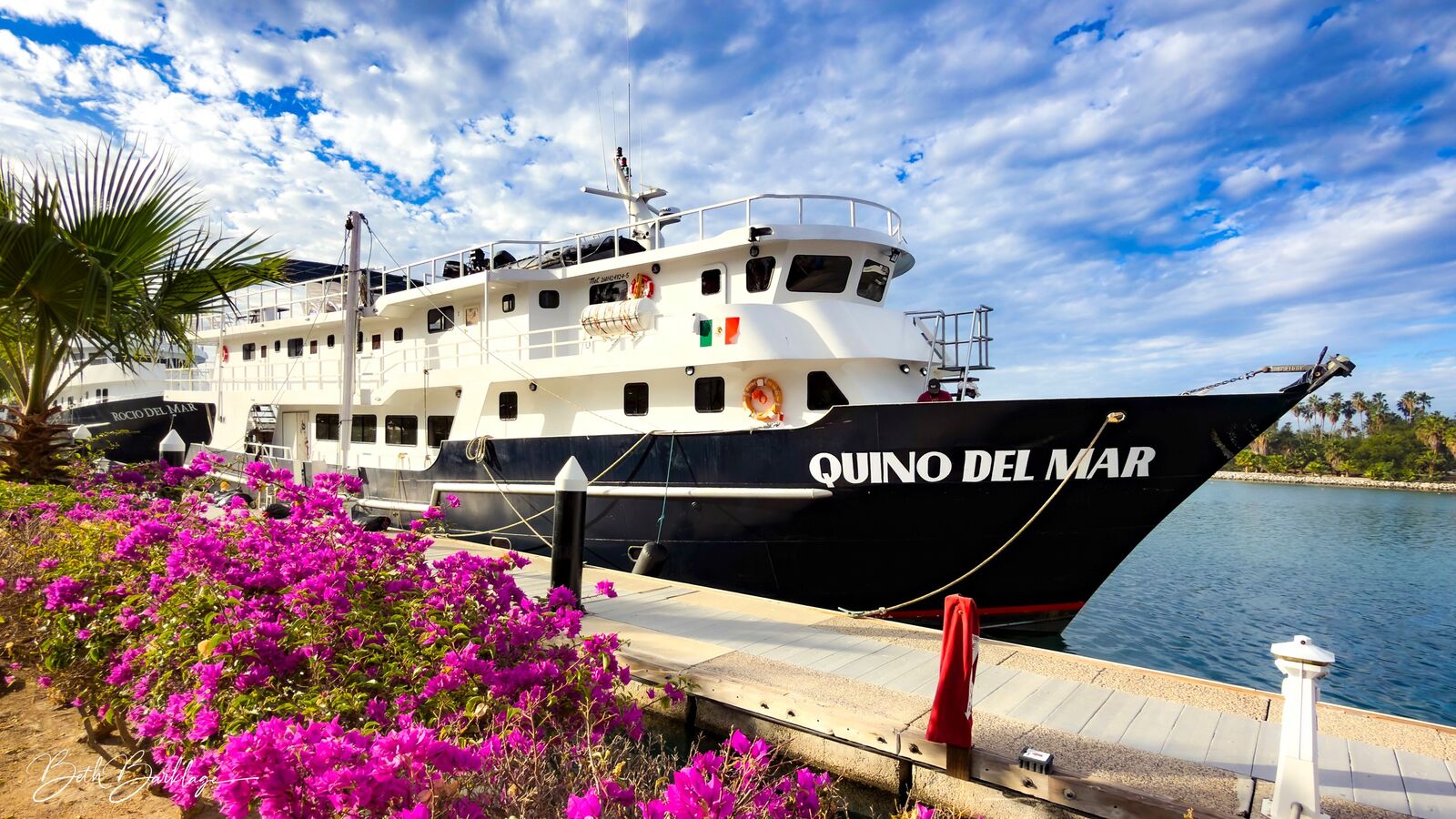
Quino del Mar
Mexico
20 guests36 m
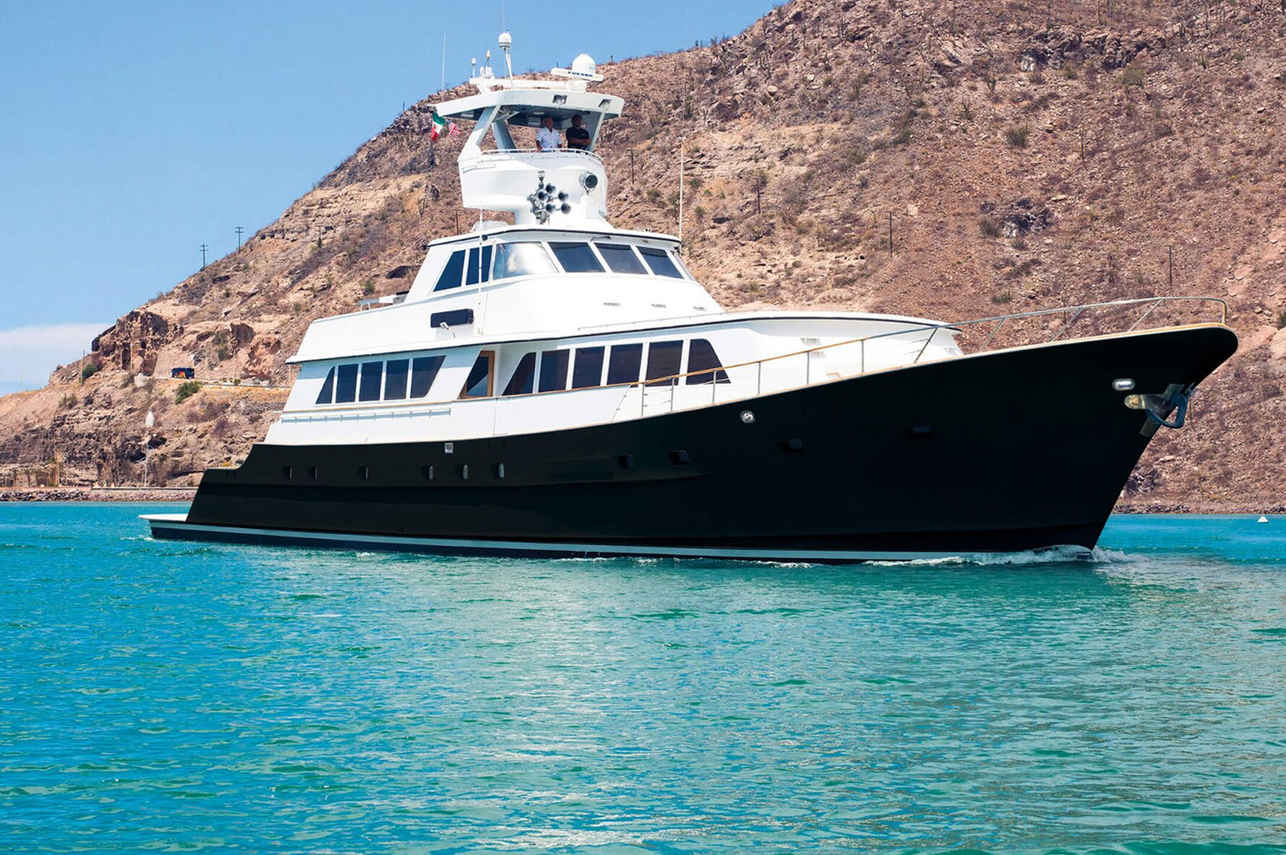
Nautilus Gallant Lady
Mexico
12 guests35 m
Dive sites similar to Kin-Ha
Same character, same waters — six more sites divers love for the exact same reasons.Compare seasons, access and liveaboard routes — then pick the site that fits your trip best.
© Esri — Maxar, Earthstar, GIS
3 Fathom Wall
Cayman Islands
3 Fathom Wall is an exciting and fish-filled dive site located in the Cayman Islands, specifically at the intersection of the renowned Bloody Bay Wall.
- Suitable for
- Intermediate
- Current
- Mild
- Access
- Liveaboard only
- Depth
- ≤ 3000 m
- Theme
- Reef
While specific details for a dive site named "3 Riff" are not present in the provided sources, general diving conditions and characteristics for the Dominican Republic…
- Suitable for
- Advanced
- Current
- Mild
- Access
- Dayboat
- Depth
- 30–55 m
- Theme
- Reef
The dive site known as 3 Rocks is located off the coast of Sosúa in Puerto Plata, Dominican Republic, offering an accessible and lively underwater experience.
- Suitable for
- Beginner
- Current
- Mild
- Access
- Dayboat
- Depth
- 2–8 m
- Theme
- Reef
4 Amigos is a notable dive site located in the Bay Islands of Honduras, an area renowned for its extensive Mesoamerican Barrier Reef System, which is the world's second-longest.
- Suitable for
- Intermediate
- Current
- Moderate
- Access
- Liveaboard or dayboat
- Depth
- 9–40 m
- Theme
- Reef
© Esri — Maxar, Earthstar, GIS
6 Toed Cat
Mexico
The dive site known as "6 Toed Cat" is not a recognized dive location in Mexico; rather, it refers to the polydactyl felines, many with six toes, that inhabit the Ernest Hemingway Home and Museum in Key West, Florida.
- Suitable for
- Beginner
- Current
- Mild
- Access
- Liveaboard or dayboat
- Depth
- —
- Theme
- Reef
© Esri — Maxar, Earthstar, GIS
Aaron's Backyard
Honduras
Aaron's Backyard is a noted dive site within the Roatan Marine Park in Honduras, part of the extensive Mesoamerican Barrier Reef System.
- Suitable for
- Intermediate
- Current
- Moderate
- Access
- Liveaboard or dayboat
- Depth
- 9–40 m
- Theme
- Reef