About Grape Escape
Grape Escape is a distinctive dive site located off the coast of Roatán, Honduras, specifically within the West End and Half Moon Bay area. It is part of the extensive Mesoamerican Barrier Reef System, which is the second-largest barrier reef in the world, renowned for its health and diversity. This site features intriguing topography, including wreck debris found at approximately 36 feet (11 meters), adding an artificial reef element to the natural coral structures. The reef extends deeper, plunging down to depths of 140+ feet (43+ meters), characteristic of the dramatic walls found in the region. Shallow coral gardens transition into deeper drop-offs, showcasing a rich variety of soft and hard corals. Marine life here benefits from the vibrant reef ecosystem, with sightings of pearl shrimp in crevices and cleaner wrasse attending to other fish at cleaning stations around 40 feet (12 meters). The overall Roatán marine environment hosts colorful reef fish, various rays, reef sharks, and the occasional sea turtle, with excellent visibility enhancing these encounters. Diving Grape Escape typically involves boat access due to its location, allowing for exploration of both the shallower coral gardens and the deeper wall sections. The presence of wreck debris provides interesting features for navigation and photography, while the cleaning stations offer opportunities for observing intricate marine interactions. This site is often combined with other nearby dives, offering a comprehensive experience of Roatán's underwater wonders.
Highlights
Wreck debris at 36 feetPearl shrimp in crevicesCleaner wrasse stationsVibrant coral formationsPart of Mesoamerican ReefProximity to West End
Season calendar
Best months to dive here
Jan
Feb
Mar
Apr
May
Jun
Jul
Aug
Sep
Oct
Nov
Dec
Excellent
Dive site facts: Grape Escape
- Depth
- 10–140+ ft (3–43+ m)
- Current
- Mild to moderate
- Visibility
- 60–100+ ft (18–30+ m)
- Water temperature
- 78–88°F (25–31°C)
- Entry
- Boat
- Level
- Open Water Diver to Advanced
- Dive type
- Reef, wall, wreck debris
- Night dive
- Possible
- Region / port
- Roatán, West End, Half Moon Bay
- Coordinates
- 16.3105° N, 86.5955° W
Conditions & Currents
Currents at Grape Escape are generally manageable, especially compared to some other sites on the island. Roatán's most visited reefs, including this one, are on the leeward side of the island where the water is usually calm. However, depending on specific conditions and local topography, divers might encounter mild to moderate currents, particularly closer to deeper sections or during tidal shifts. Boat traffic near Half Moon Bay and the channel can be a factor, requiring careful surface awareness during ascents and descents. Visibility at Grape Escape is typically excellent, often extending to 100 feet (30 meters) or more, although it can be slightly reduced during the wet season when sediments are stirred up. Divers should maintain good buoyancy control, especially when exploring crevices or observing cleaning stations, to avoid disturbing the delicate marine life and wreck features.
Marine life & sighting chances

Pearl shrimp
occasional
Cleaner wrasse
common
Colorful reef fish
commonSchools of fish
Wet season · occasional
Sea turtles
occasional
Reef sharks
occasional
Rays
occasional
Pelagic animals
rareNocturnal species
common
Garden eels
commonDive profile & how the dive runs
Divers typically access Grape Escape by boat, commencing the dive directly over the reef. The dive begins with a descent towards the shallow coral gardens, which quickly transition to a distinctive wreck debris field located at approximately 36 feet (11 meters). From here, divers can explore the surrounding reef, paying attention to crevices for pearl shrimp and observing cleaner wrasse at stations around 40 feet (12 meters). The site gradually slopes and then dramatically drops off into a wall that plunges beyond recreational limits to 140+ feet (43+ meters). A typical dive involves traversing along this wall, marveling at the deep-water sea fans and tube sponges, before ascending back into shallower areas for safety stops. The final safety stop is usually conducted in the 15-20 foot (4-6 meter) range, offering opportunities for further observation of the vibrant coral life.
Underwater photography
Grape Escape offers diverse photographic opportunities, from wide-angle shots of the reef wall and wreck debris to macro subjects in the coral. For the wreck and expansive reef scenes, a wide-angle lens is ideal, capturing the scale of the structure and the clear visibility. When focusing on the wreck debris at 36 feet or the coral formations, external strobes will enhance color and clarity. For macro enthusiasts, searching crevices for pearl shrimp or capturing the intricate work of cleaner wrasse at their stations requires a dedicated macro lens and patience. Maintaining excellent buoyancy is crucial to avoid stirring up sediment around the wreck or damaging delicate corals, particularly when getting close to subjects. The abundant natural light in shallower areas allows for vibrant colors, but strobes are recommended to bring out true hues at depth.
Combine with nearby dive sites
- Lara's Rainbows
Often grouped with Grape Escape due to proximity.
- Vern's Dropoff
Features shallow coral gardens and a dramatic wall.
- Dixie's Wall
A vertical wall plunging into the Cayman Trench.
- El Aguila Wreck
A popular, larger wreck dive nearby.
- Moonlight Reef
Features coral-covered slopes with schooling fish.
Getting there & logistics
Diving Grape Escape typically originates from operations based in West End or West Bay on Roatán. Travelers usually fly into Juan Manuel Gálvez International Airport (RTB) on Roatán, with connections often made through major hubs like Atlanta. From the airport, shuttles transport visitors to their accommodations in areas such as West End, which is known for its dive shops and proximity to many sites. Dive trips to Grape Escape are almost exclusively conducted via day boats, with short transit times to the site due to the reef's close proximity to shore. While specific permit fees for individual dives are not usually mentioned, diving is often part of packages offered by resorts and dive operators, which may include 2-4 boat dives per day. A typical dive vacation in Roatán lasts about a week, allowing divers to explore numerous sites.
Safety & environment
For divers exploring Grape Escape and other Roatán sites, ensuring adequate dive insurance is highly recommended given the remote island location. The nearest recompression chamber is located on the island, specifically in West End. Evacuation for severe medical emergencies would typically involve air transport to mainland Honduras or another country with advanced medical facilities. Site-specific hazards at Grape Escape include potential mild to moderate currents, particularly around deeper sections of the wall, so good current diving techniques are beneficial. Awareness of boat traffic, especially in the Half Moon Bay area, is important during surface intervals and ascents. Divers should maintain excellent buoyancy control to protect the delicate coral and wreck debris, and avoid contact with marine life. Always dive with a reputable operator who prioritizes safety briefings and adheres to safe diving practices.
Who it suits — and who it doesn't
Suited for
- Open Water certified divers looking to gain experience
- Advanced divers interested in wall and wreck exploration
- Underwater photographers seeking diverse subjects
- Divers who enjoy vibrant coral reefs
- Those looking for short boat rides to dive sites
Less suited for
- Divers uncomfortable with potential mild currents
- Beginners without good buoyancy control for delicate environments
- Divers seeking exclusively large pelagic encounters
- Those who prefer shore-only access to dive sites
FAQ
Grape Escape FAQ
What kind of marine life can I expect to see at Grape Escape?
At Grape Escape, you can often spot pearl shrimp hidden within crevices and observe cleaner wrasse attending to other fish at their cleaning stations around 40 feet. The reef is also home to a variety of colorful reef fish, and occasionally you might encounter sea turtles, rays, or reef sharks. During the wet season, visibility can bring in larger schools of fish.
Are there any wreck features at Grape Escape?
Yes, Grape Escape features interesting wreck debris located at approximately 36 feet (11 meters) deep. This debris provides an additional element to explore alongside the natural coral formations, creating unique habitats for marine life and offering diverse photographic opportunities. It's a key feature that distinguishes this site.
What are the typical diving conditions like at Grape Escape?
Diving conditions at Grape Escape are generally excellent, with typical visibility ranging from 60 to over 100 feet (18-30+ meters) and warm water temperatures between 78-88°F (25-31°C). Currents are usually mild to moderate, as the site is on the leeward side of the island. Good buoyancy control is always important due to the delicate corals and wreck features.
Can beginners dive Grape Escape, or is it for advanced divers?
Grape Escape is suitable for Open Water certified divers due to its generally calm conditions and accessible depths, though Advanced Open Water certification allows for exploring the deeper sections of the wall. Divers should have good buoyancy control to navigate the reef and wreck debris without causing damage. Experience with mild currents can also be helpful.
Is it possible to do a night dive at Grape Escape?
Yes, night dives are possible at Grape Escape. Night dives offer a unique experience as the reef comes alive with nocturnal species that are not typically seen during the day. With the aid of dive lights, divers can witness a different side of the vibrant marine ecosystem.
How long does it take to get to Grape Escape from West End?
Grape Escape is conveniently located near West End and Half Moon Bay. The transit time by boat from dive shops in West End is typically very short, often just a few minutes. This allows for quick access to the site, maximizing dive time and overall convenience for divers.
Why dive Grape Escape from a liveaboard?
Grape Escape is one of Honduras's signature dive sites. A liveaboard sleeps you on the water and puts you in the water for three to four guided dives per day, including dawn and night dives that day-boat operators rarely offer. You skip the daily commute back to port and reach quieter, less-crowded sites in the same region on a single trip.
Below are the liveaboards that include Grape Escape on their Honduras itineraries.
Liveaboards diving Grape Escape
These liveaboards may visit Grape Escape on selected itineraries — the exact dive sites depend on departure, weather and conditions.
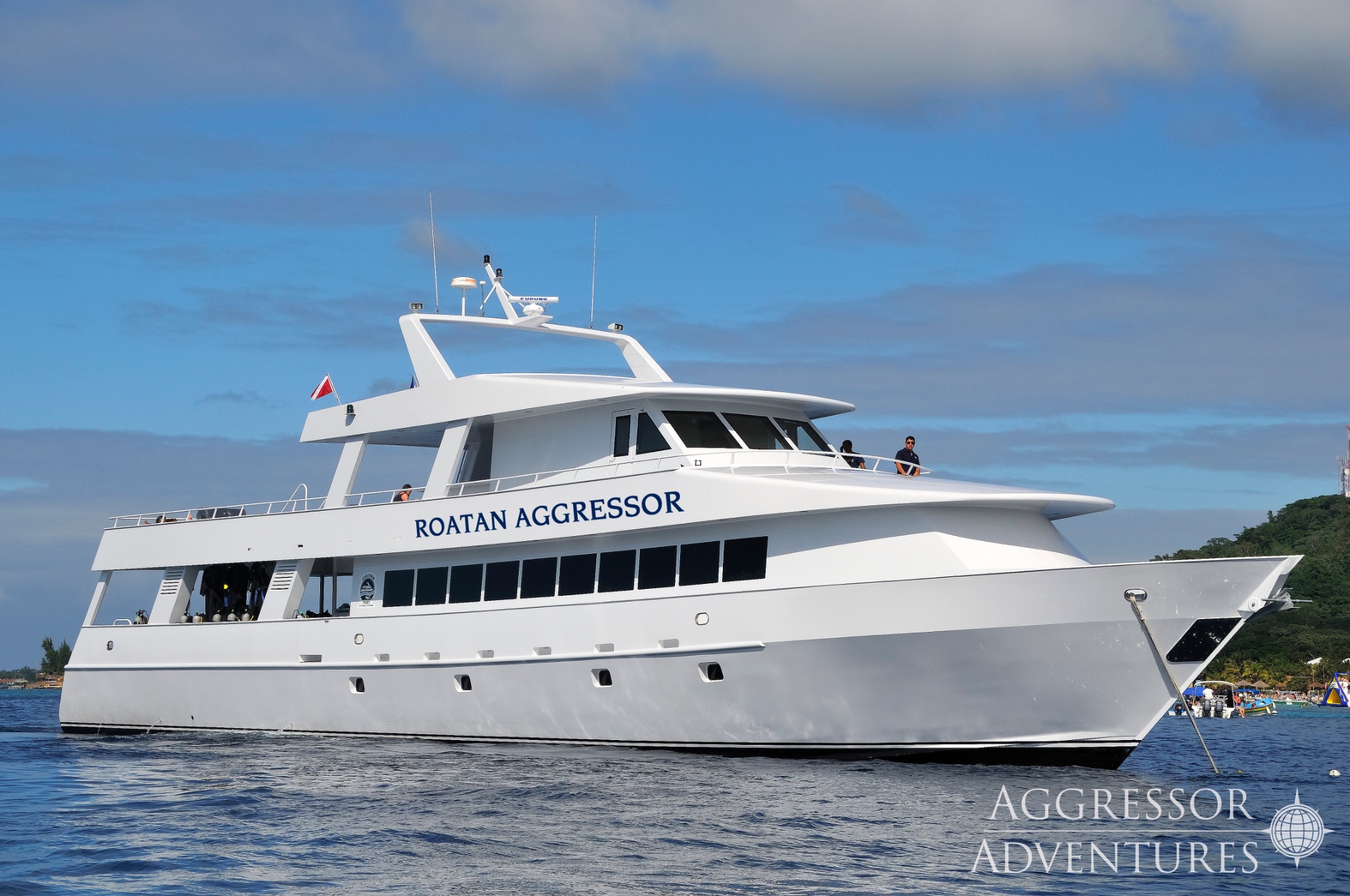
Roatan Aggressor
Honduras
18 guests31.1 m
$309/day
Dive sites similar to Grape Escape
Same character, same waters — six more sites divers love for the exact same reasons.Compare seasons, access and liveaboard routes — then pick the site that fits your trip best.
© Esri — Maxar, Earthstar, GIS
Satoshi’s Grave
Honduras
Satoshi’s Grave is a distinctive wreck site located on the southern shore of Roatan, specifically the Wreck of Mr. Bud.
- Suitable for
- Beginner
- Current
- Moderate
- Access
- Liveaboard or dayboat
- Depth
- 18–18 m
- Theme
- Wreck / Reef
© Esri — Maxar, Earthstar, GIS
Addie's Garden
Honduras
Addie's Garden is one of 350 dive and snorkel sites located around Roatan, Honduras, within the Mesoamerican Barrier Reef System.
- Suitable for
- Intermediate
- Current
- Moderate
- Access
- Liveaboard or dayboat
- Depth
- 5–30 m
- Theme
- Reef
© Esri — Maxar, Earthstar, GIS
Blackish Point
Honduras
Blackish Point is a captivating shore-drift wall dive located on the north side of Utila, offering a unique blend of volcanic rock formations, soft corals, and an intricate network of caves, overhangs, and crevices.
- Suitable for
- Intermediate
- Current
- Mild
- Access
- Shore / dayboat
- Depth
- 11–27 m
- Theme
- Cave & cavern / Drift
© Esri — Maxar, Earthstar, GIS
Marie's Kitchen
Honduras
Marie's Kitchen is a distinguished dive site located in Roatan, Honduras, forming a crucial part of the Mesoamerican Barrier Reef System, which stands as the world's second-largest coral reef.
- Suitable for
- Intermediate
- Current
- Moderate
- Access
- Liveaboard or dayboat
- Depth
- 5–30 m
- Theme
- Reef
© Esri — Maxar, Earthstar, GIS
Butcher's Bank
Honduras
Butcher's Bank is a celebrated dive site in Roatan, Honduras, widely regarded as one of the island's most enjoyable locations, particularly for novice divers.
- Suitable for
- Beginner
- Current
- Mild
- Access
- Dayboat
- Depth
- 12–18 m
- Theme
- Reef
© Esri — Maxar, Earthstar, GIS
Black Coral Wall
Honduras
Black Coral Wall is a captivating dive site situated off the coast of Utila, Honduras, characterized by its extensive formations of black coral.
- Suitable for
- Intermediate
- Current
- Moderate
- Access
- Liveaboard only
- Depth
- ≤ 50 m
- Theme
- Wall