About Finca de Pepe
Finca de Pepe is a celebrated dive site located within Cuba's Jardines de la Reina (Gardens of the Queen) Marine Protected Area, a sprawling 837-square-mile sanctuary situated approximately 100 miles south of the Florida Keys. This region is renowned as one of the Caribbean's most successful no-take marine parks, where vigilant conservation efforts have led to a significant increase in fish stocks and a thriving ecosystem often compared to what the Caribbean was like decades ago. The underwater topography at sites within the Gardens of the Queen typically features reefs that skirt the edge of the continental shelf. Dives may begin with mini walls descending from around 16 meters, continuing steeply to about 27 meters, before transitioning to a gentler slope extending to depths of 38-42 meters. Large coral formations, some reaching 13 to 16 meters in height, are common features, providing habitat for a diverse array of marine life. The marine environment is exceptionally vibrant, characterized by abundant populations of sharks, including silky and Caribbean reef sharks, which are frequent encounters. Divers can also expect to see large groupers such as Nassau, black, yellowfin, and even Goliath groupers, many displaying a remarkable lack of fear toward divers. Other species like tarpon, horse-eyed jacks, cubera, and dog snapper are also common. The high presence of apex predators like sharks and large groupers is a strong indicator of the overall health of these reefs, which are protected year-round. Spawning aggregations of tarpon occur in April and May, while whale sharks are spotted between September and January. Diving here is typically experienced via liveaboard, limiting human access and ensuring pristine conditions. The region is open to a limited number of divers annually, making each visit a unique opportunity to explore an untouched marine ecosystem. Given the rich marine life and varied depths, divers should be comfortable with open water and potentially deeper dives, often encountering large pelagic species.
Highlights
Abundant silky sharksCaribbean reef shark encountersFriendly Goliath groupersHealthy Nassau groupersLarge tarpon schoolsVibrant coral formationsPristine marine ecosystem
Season calendar
Best months to dive here
Jan
Feb
Mar
Apr
May
Jun
Jul
Aug
Sep
Oct
Nov
Dec
Excellent
Good
Off-Season
Nov – May (Dry Season)
Best visibility 30–40m, calm seas. Peak season for Jardines de la Reina. Whale sharks, silky sharks, crocodiles.
Jun – Jul & Oct (Shoulder)
Warm water, occasional rain. Good shark diving continues. Fewer tourists.
Aug – Sep (Hurricane Season)
Peak hurricane risk. Some operators pause. Rough seas and reduced visibility when storms pass.
Dive site facts: Finca de Pepe
- Depth
- 16–42 m
- Current
- Mild
- Entry
- Liveaboard only
- Level
- Intermediate
- Dive type
- Wall, Reef
- Region / port
- Cuba
- Coordinates
- 20.8750° N, 78.9500° W
Conditions & Currents
Currents within the Jardines de la Reina can be tidal-dependent, influencing visibility significantly, with high tides often bringing over 30 meters of clarity. While specific current strength for Finca de Pepe is not detailed, the region's overall healthy ecosystem suggests conditions that support a thriving reef, implying a range from mild to moderate currents at different sites. Divers should be prepared for varying conditions, as is typical in marine park environments with rich pelagic life. Most dives are conducted from liveaboards, implying boat entry and exit procedures suited to the specific conditions of each site.
Why dive Finca de Pepe from a liveaboard?
Finca de Pepe is one of Cuba's signature dive sites. A liveaboard sleeps you on the water and puts you in the water for three to four guided dives per day, including dawn and night dives that day-boat operators rarely offer. You skip the daily commute back to port and reach quieter, less-crowded sites in the same region on a single trip.
Below are the liveaboards that include Finca de Pepe on their Cuba itineraries.
Liveaboards diving Finca de Pepe
These liveaboards may visit Finca de Pepe on selected itineraries — the exact dive sites depend on departure, weather and conditions.
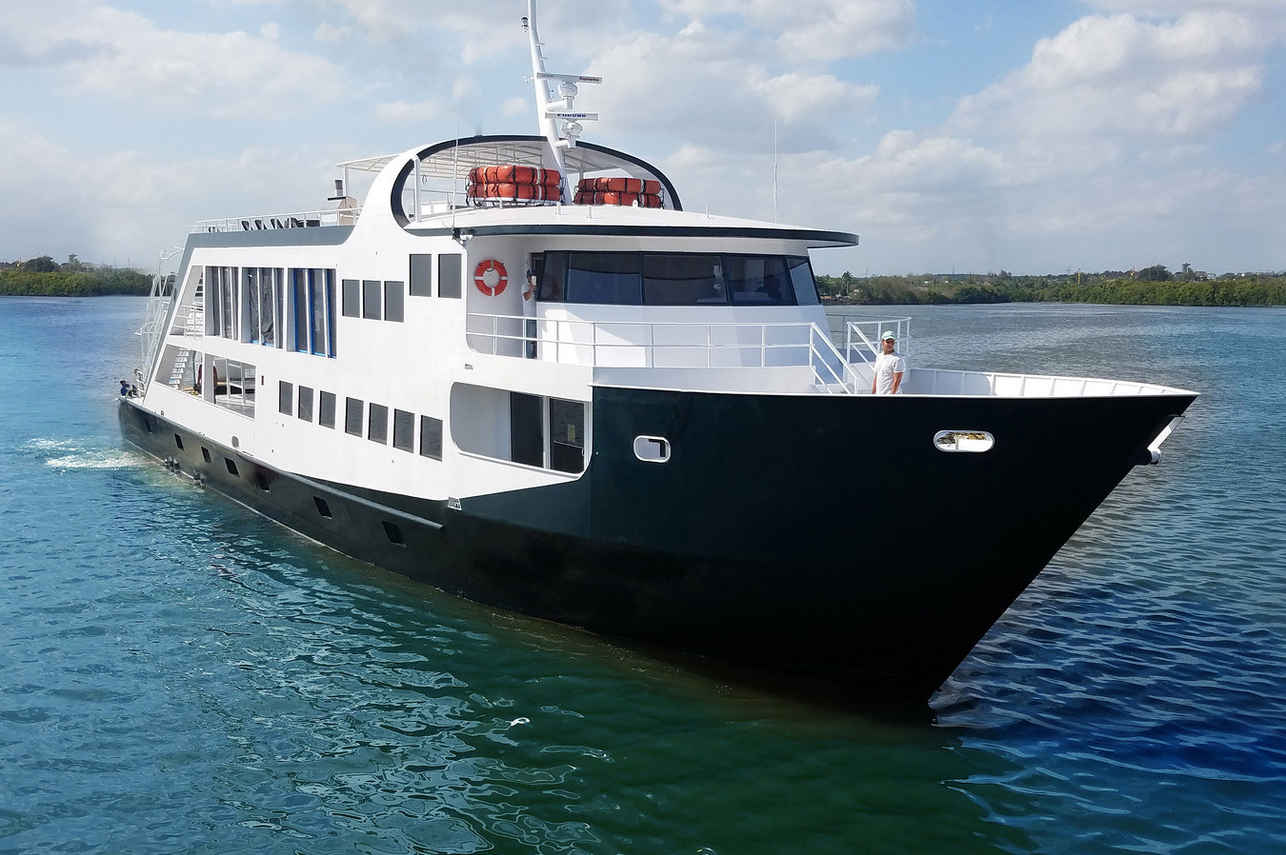
Jardines Avalon Fleet
Cuba
20 guests35 m
Dive sites similar to Finca de Pepe
Same character, same waters — six more sites divers love for the exact same reasons.Compare seasons, access and liveaboard routes — then pick the site that fits your trip best.
© Esri — Maxar, Earthstar, GIS
3 Fathom Wall
Cayman Islands
3 Fathom Wall is an exciting and fish-filled dive site located in the Cayman Islands, specifically at the intersection of the renowned Bloody Bay Wall.
- Suitable for
- Intermediate
- Current
- Mild
- Access
- Liveaboard only
- Depth
- ≤ 3000 m
- Theme
- Reef
While specific details for a dive site named "3 Riff" are not present in the provided sources, general diving conditions and characteristics for the Dominican Republic…
- Suitable for
- Advanced
- Current
- Mild
- Access
- Dayboat
- Depth
- 30–55 m
- Theme
- Reef
The dive site known as 3 Rocks is located off the coast of Sosúa in Puerto Plata, Dominican Republic, offering an accessible and lively underwater experience.
- Suitable for
- Beginner
- Current
- Mild
- Access
- Dayboat
- Depth
- 2–8 m
- Theme
- Reef
4 Amigos is a notable dive site located in the Bay Islands of Honduras, an area renowned for its extensive Mesoamerican Barrier Reef System, which is the world's second-longest.
- Suitable for
- Intermediate
- Current
- Moderate
- Access
- Liveaboard or dayboat
- Depth
- 9–40 m
- Theme
- Reef
© Esri — Maxar, Earthstar, GIS
6 Toed Cat
Mexico
The dive site known as "6 Toed Cat" is not a recognized dive location in Mexico; rather, it refers to the polydactyl felines, many with six toes, that inhabit the Ernest Hemingway Home and Museum in Key West, Florida.
- Suitable for
- Beginner
- Current
- Mild
- Access
- Liveaboard or dayboat
- Depth
- —
- Theme
- Reef
© Esri — Maxar, Earthstar, GIS
Aaron's Backyard
Honduras
Aaron's Backyard is a noted dive site within the Roatan Marine Park in Honduras, part of the extensive Mesoamerican Barrier Reef System.
- Suitable for
- Intermediate
- Current
- Moderate
- Access
- Liveaboard or dayboat
- Depth
- 9–40 m
- Theme
- Reef