About Faro Viejo
Faro Viejo is a distinct shallow reef located near Mahahual on Mexico's Costa Maya, forming a vital segment of the Mesoamerican Reef, the world's second-largest barrier reef system. This site is particularly renowned for its healthy coral colonies and abundant marine life, thriving in a naturally preserved ecosystem distant from large urban centers. The reef showcases small coral colonies, generally not exceeding 3 meters in height, interspersed with sand patches. It boasts an extensive cover of invertebrate corals and diverse sponge species, creating a rich habitat for macro life and offering excellent opportunities for underwater photography. The topography is characterized by these formations, inviting divers to explore the intricate details and smaller creatures dwelling within. While shallow, this site can experience moderate to medium currents, making it suitable for drift diving. It is generally considered excellent for beginners due to its manageable depth and forgiving environment, allowing divers to enjoy the vibrant scenes without battling strong conditions. Visibility is typically good here, enhancing the experience of observing both macro inhabitants and the occasional larger pelagic species. Underwater photographers will appreciate the dense macro life, including seahorses tucked into corals, slow-moving nudibranchs, and schools of juvenile fish. Beyond the macro, divers can frequently spot stingrays, lobsters, barracuda, and various reef fish like French angelfish and black triggerfish. Pelagic encounters can also include nurse sharks and eagle rays. Diving here typically involves small groups, ensuring personalized supervision and a tranquil experience. Although it's a popular spot for beginners and photographers, some sources suggest that certain areas of Faro Viejo can experience strong currents, making it occasionally suitable for more experienced divers interested in drift conditions.
Highlights
Diverse invertebrate coral coverHealthy sponge speciesSeahorse spotting opportunitiesAbundant nudibranchsFrequent stingray sightingsGood conditions for macro photographyOccasional nurse shark encountersDrift diving experience
Season calendar
Best months to dive here
Jan
Feb
Mar
Apr
May
Jun
Jul
Aug
Sep
Oct
Nov
Dec
Excellent
Good
Nov – Apr (Peak)
Socorro season open (Nov–May) for giant mantas and hammerheads. Cozumel bull sharks Dec–Mar. Cenotes excellent year-round. Best overall conditions.
May – Oct (Transition & Sea of Cortez)
Socorro closing, Cozumel still good. Whale sharks arrive at Isla Mujeres Jun–Sep. From August, the Sea of Cortez comes alive: Midriff Islands offer massive sea lion colonies and schooling mobulas. September and October bring world-class diving around La Paz and Cabo Pulmo with whale sharks, hammerheads, and bull sharks on the Explore Baja route.
Dive site facts: Faro Viejo
- Depth
- 8–12 m
- Current
- Mild
- Entry
- Shore / dayboat
- Level
- Beginner
- Dive type
- Reef, Reef
- Region / port
- Mexico
- Coordinates
- 18.7185° N, 87.6779° W
Conditions & Currents
Faro Viejo typically experiences moderate to medium currents, making it well-suited for drift diving. While generally calm and forgiving, certain sections can encounter stronger currents, which are sometimes mentioned as being reserved for very experienced divers, particularly if combined with drift diving. Visibility at the site is usually good, contributing to an enjoyable diving experience. There are no specific mentions of thermoclines, surge, or heavy boat traffic, implying relatively stable conditions overall. This combination of factors means the site is generally accessible for beginners but also offers dynamic conditions for more experienced divers interested in drift techniques, emphasizing the need for good buoyancy control and dive planning.
Why dive Faro Viejo from a liveaboard?
Faro Viejo is one of Mexico's signature dive sites. A liveaboard sleeps you on the water and puts you in the water for three to four guided dives per day, including dawn and night dives that day-boat operators rarely offer. You skip the daily commute back to port and reach quieter, less-crowded sites in the same region on a single trip.
Below are the liveaboards that include Faro Viejo on their Mexico itineraries.
Liveaboards diving Faro Viejo
These liveaboards may visit Faro Viejo on selected itineraries — the exact dive sites depend on departure, weather and conditions.
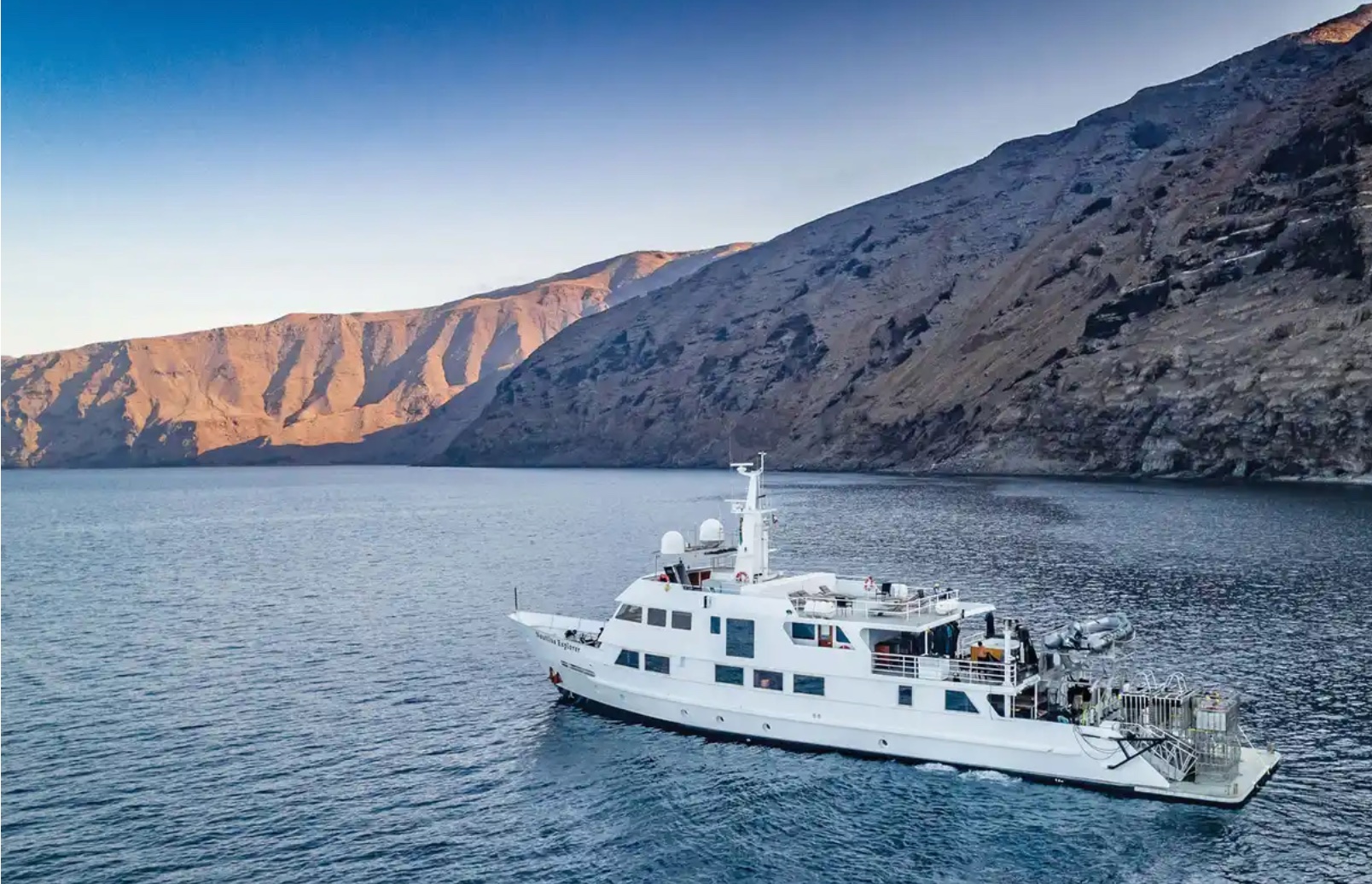
Nautilus Explorer
Mexico
25 guests45 m
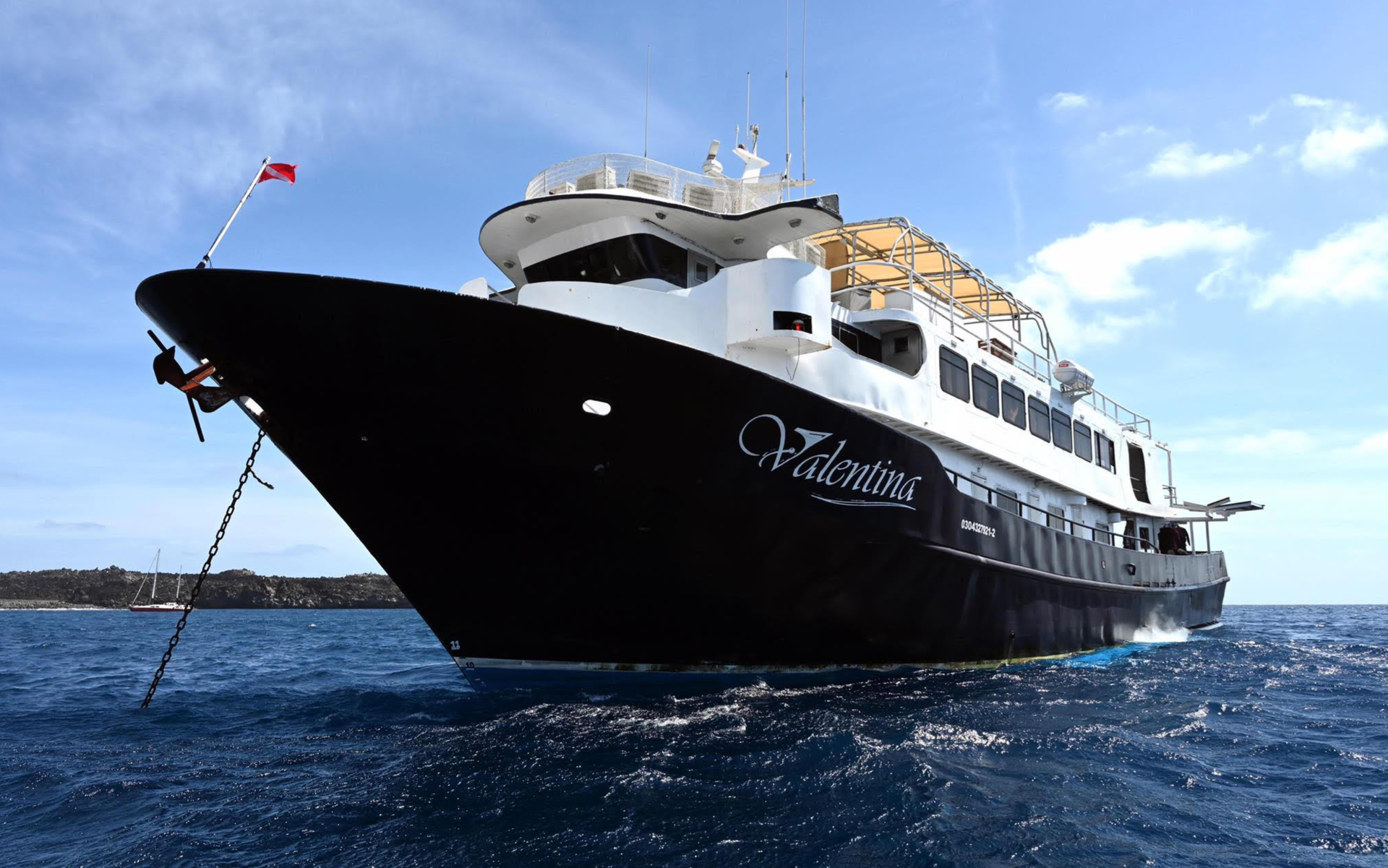
Valentina
Mexico
20 guests38 m
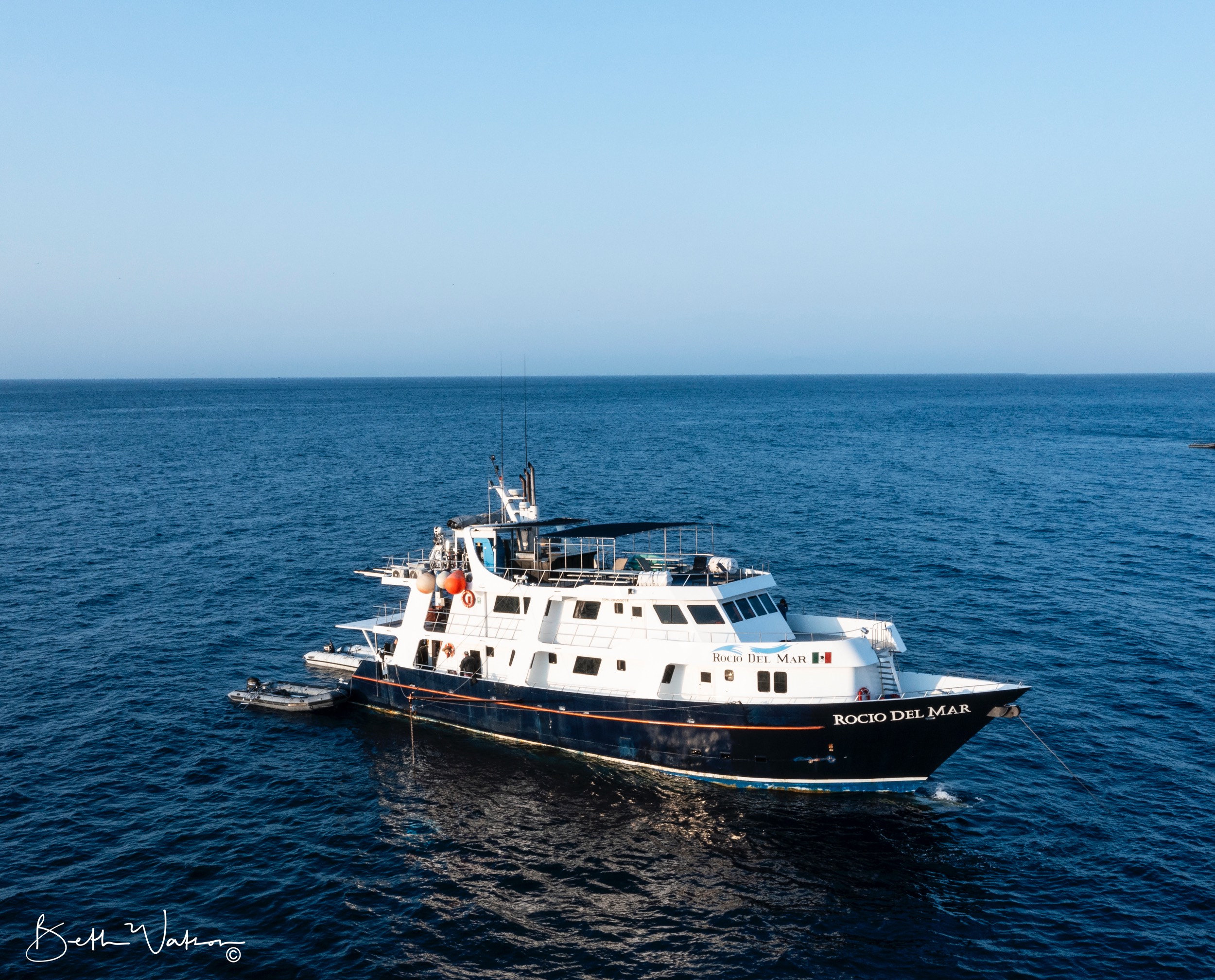
Rocio del Mar
Mexico
20 guests34 m
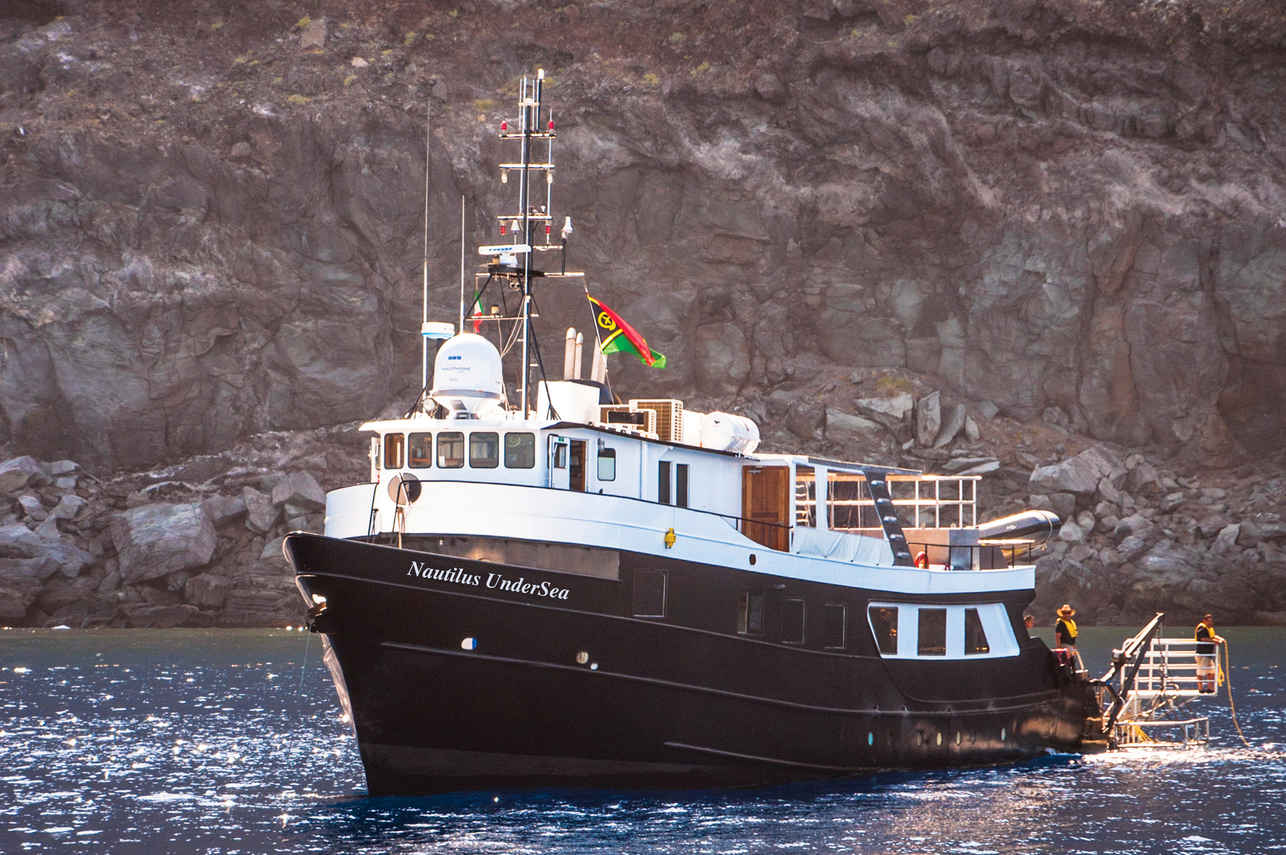
Nautilus Under Sea
Mexico
19 guests32 m
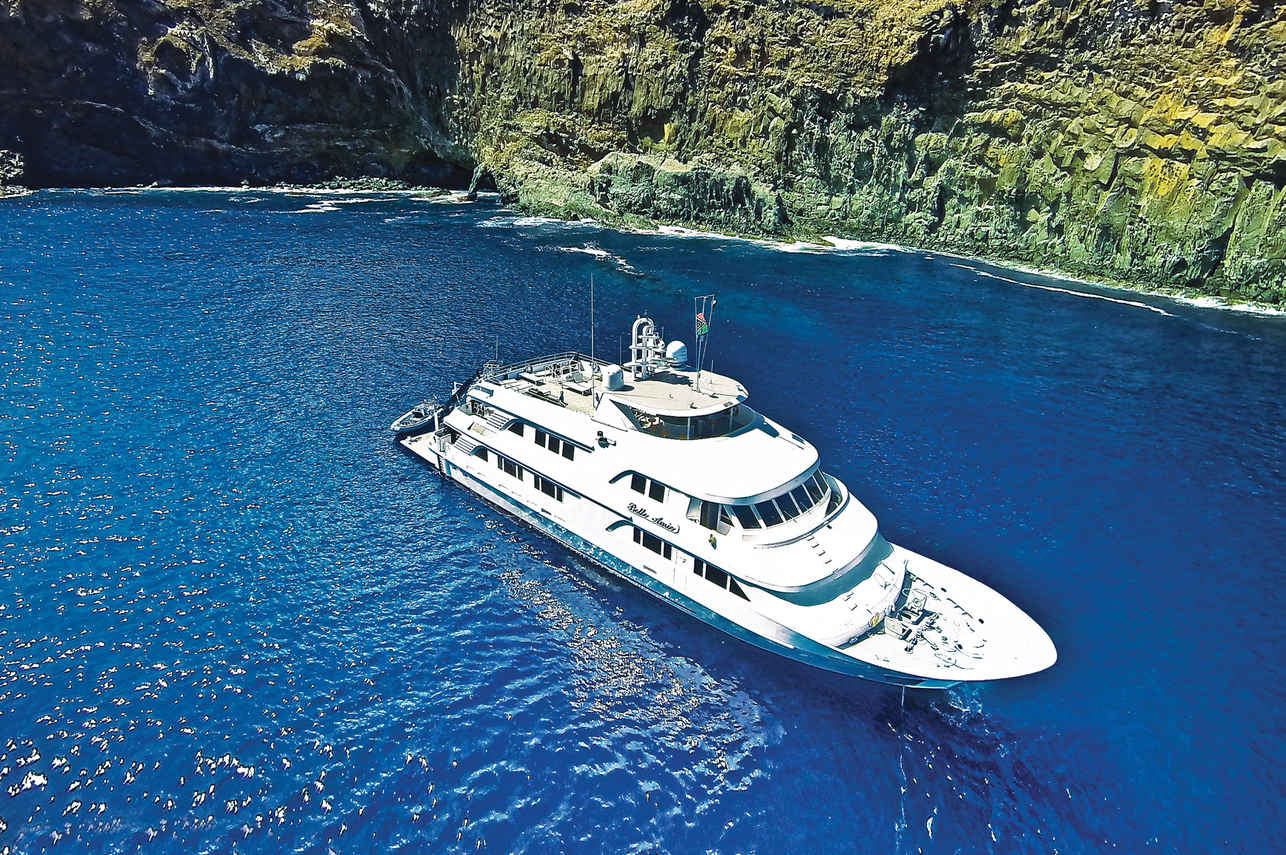
Nautilus Belle Amie
Mexico
32 guests45 m
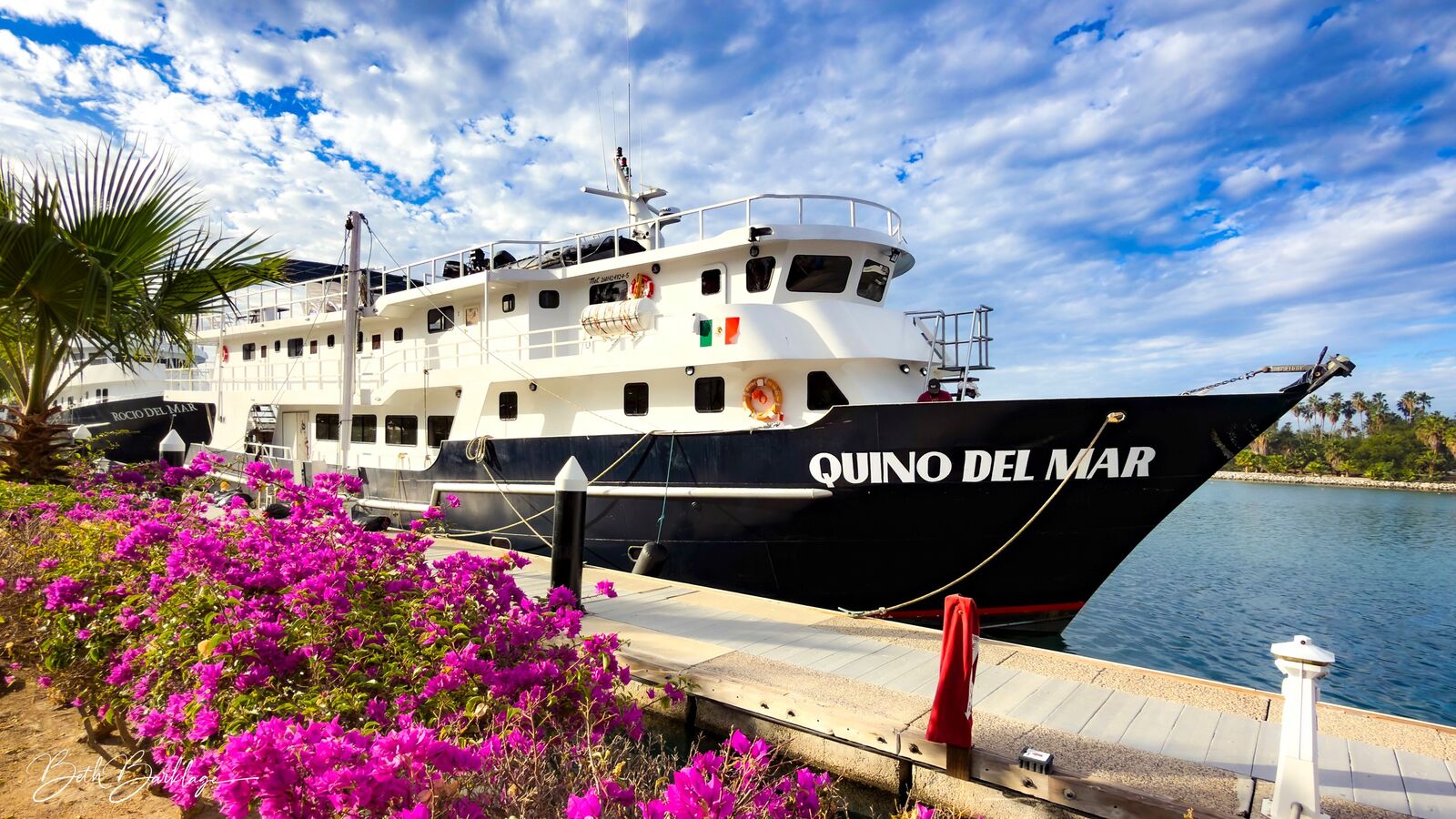
Quino del Mar
Mexico
20 guests36 m
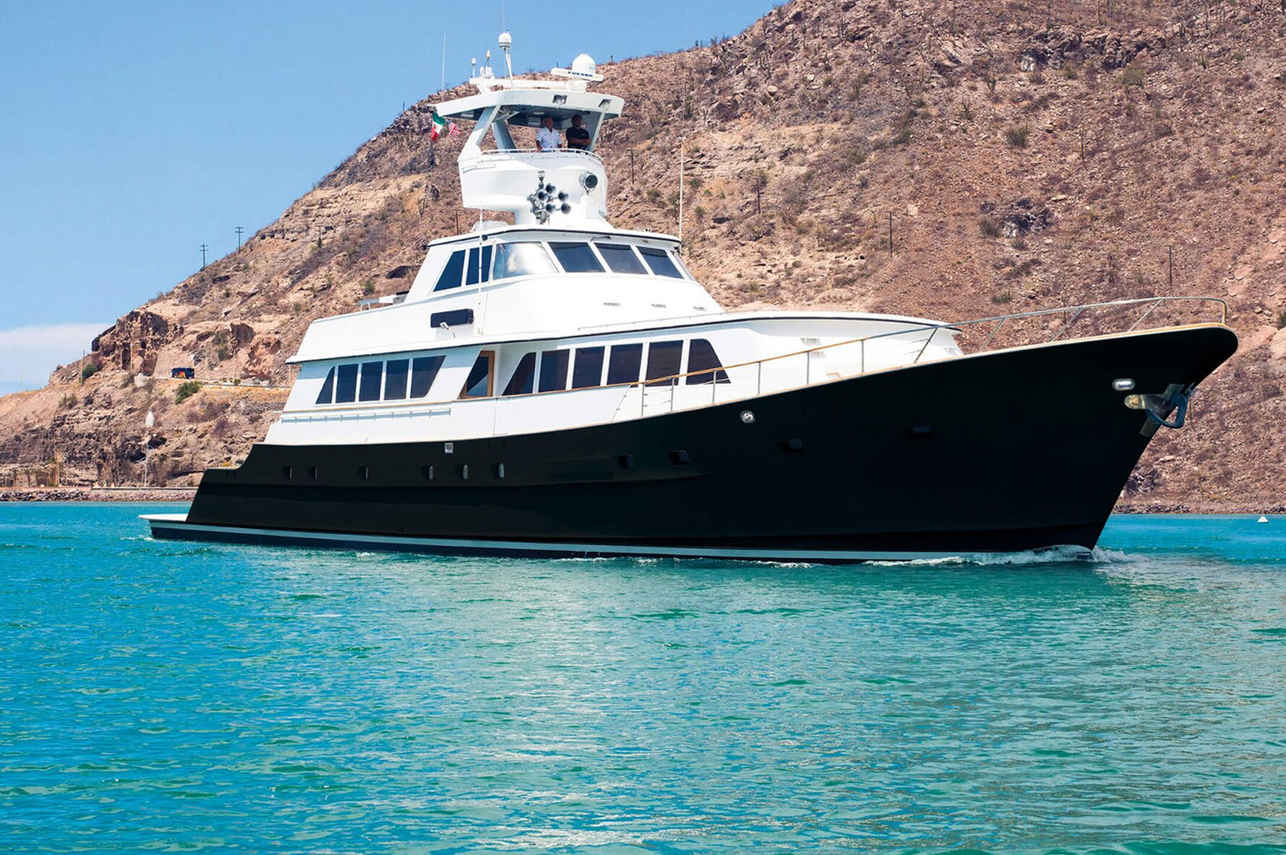
Nautilus Gallant Lady
Mexico
12 guests35 m
Dive sites similar to Faro Viejo
Same character, same waters — six more sites divers love for the exact same reasons.Compare seasons, access and liveaboard routes — then pick the site that fits your trip best.
© Esri — Maxar, Earthstar, GIS
3 Fathom Wall
Cayman Islands
3 Fathom Wall is an exciting and fish-filled dive site located in the Cayman Islands, specifically at the intersection of the renowned Bloody Bay Wall.
- Suitable for
- Intermediate
- Current
- Mild
- Access
- Liveaboard only
- Depth
- ≤ 3000 m
- Theme
- Reef
While specific details for a dive site named "3 Riff" are not present in the provided sources, general diving conditions and characteristics for the Dominican Republic…
- Suitable for
- Advanced
- Current
- Mild
- Access
- Dayboat
- Depth
- 30–55 m
- Theme
- Reef
The dive site known as 3 Rocks is located off the coast of Sosúa in Puerto Plata, Dominican Republic, offering an accessible and lively underwater experience.
- Suitable for
- Beginner
- Current
- Mild
- Access
- Dayboat
- Depth
- 2–8 m
- Theme
- Reef
4 Amigos is a notable dive site located in the Bay Islands of Honduras, an area renowned for its extensive Mesoamerican Barrier Reef System, which is the world's second-longest.
- Suitable for
- Intermediate
- Current
- Moderate
- Access
- Liveaboard or dayboat
- Depth
- 9–40 m
- Theme
- Reef
© Esri — Maxar, Earthstar, GIS
6 Toed Cat
Mexico
The dive site known as "6 Toed Cat" is not a recognized dive location in Mexico; rather, it refers to the polydactyl felines, many with six toes, that inhabit the Ernest Hemingway Home and Museum in Key West, Florida.
- Suitable for
- Beginner
- Current
- Mild
- Access
- Liveaboard or dayboat
- Depth
- —
- Theme
- Reef
© Esri — Maxar, Earthstar, GIS
Aaron's Backyard
Honduras
Aaron's Backyard is a noted dive site within the Roatan Marine Park in Honduras, part of the extensive Mesoamerican Barrier Reef System.
- Suitable for
- Intermediate
- Current
- Moderate
- Access
- Liveaboard or dayboat
- Depth
- 9–40 m
- Theme
- Reef