About Caseta Wreck
The Caseta Wreck is a distinctive dive site located off the coast of Isla Mujeres, renowned for its vibrant underwater ecosystem. It is part of the Chairel, a former car ferry that operated between Isla Mujeres and Cancun in the late 1980s. The vessel was intentionally scuttled on October 18, 2000, with the purpose of creating an artificial reef. However, the sinking did not unfold as planned; due to adverse weather conditions, the ferry capsized during its descent and ultimately came to rest upside down on the seabed. This unexpected orientation has created a unique and intriguing underwater structure for divers to explore. The wreck has since become a thriving habitat, attracting a diverse array of marine life. Diving the Caseta Wreck offers an adventure exploring the twisted metal and inverted decks of the ferry. Its status as an artificial reef ensures a dynamic environment where corals and sponges flourish, providing shelter and sustenance for numerous species. This site is particularly favored by divers seeking both historical intrigue and a rich biological experience.
Highlights
Upside-down car ferry wreckArtificial reef creationVibrant underwater ecosystemAdventure dive experienceUnique sinking history
Season calendar
Best months to dive here
Jan
Feb
Mar
Apr
May
Jun
Jul
Aug
Sep
Oct
Nov
Dec
Excellent
Good
Nov – Apr (Peak)
Socorro season open (Nov–May) for giant mantas and hammerheads. Cozumel bull sharks Dec–Mar. Cenotes excellent year-round. Best overall conditions.
May – Oct (Transition & Sea of Cortez)
Socorro closing, Cozumel still good. Whale sharks arrive at Isla Mujeres Jun–Sep. From August, the Sea of Cortez comes alive: Midriff Islands offer massive sea lion colonies and schooling mobulas. September and October bring world-class diving around La Paz and Cabo Pulmo with whale sharks, hammerheads, and bull sharks on the Explore Baja route.
Dive site facts: Caseta Wreck
- Current
- Moderate
- Entry
- Liveaboard or dayboat
- Level
- Adventure Dive
- Dive type
- Wreck, artificial reef
- Region / port
- Isla Mujeres, Mexican Caribbean
- Coordinates
- 21.254842, -86.725827
Conditions & Currents
The sources do not provide specific current information for Caseta Wreck, however, other sites in Isla Mujeres like Grampin mention mild to moderate currents suitable for drift diving. It's common for dive sites in this region to experience varying currents, necessitating thorough dive briefings. Divers should always be prepared for conditions that may range from gentle to potentially challenging, and pay close attention to the divemaster's instructions regarding entry, descent, and exit procedures.
Marine life & sighting chances


Dive profile & how the dive runs
A typical dive at the Caseta Wreck involves an initial descent to the sunken car ferry, which rests upside down on the seabed. Divers will navigate around and potentially inside the unique structure of the capsized vessel, exploring the various compartments and its exterior which is now covered in marine growth. The dive primarily focuses on the wreck itself, allowing ample time to observe the artificial reef ecosystem that has developed. The exact route will depend on current conditions and dive objectives, but generally involves a guided tour of the wreck's key features. Safety stops are conducted at appropriate depths as ascent begins, usually hovering above the wreck or in the clear surrounding waters.
Underwater photography
The unique, upside-down orientation of the Caseta Wreck provides fascinating subjects for wide-angle photography, capturing the scale and structure of the capsized ferry. Consider using strobes to illuminate the interior sections and highlight the vibrant colors of soft corals and fish that inhabit the wreck. Macro photographers will find opportunities in the intricate details of invertebrate life and smaller fish hiding within the nooks and crannies. Buoyancy control is paramount to avoid disturbing the wreck or stirring up sediment, ensuring clear shots. Always respect the marine environment and avoid touching or harassing marine life for the sake of a photo.
Combine with nearby dive sites
- MUSA Underwater Museum
The MUSA Underwater Museum (Museo Subacuático de Arte) is an extraordinary subaquatic art installation located between Cancún and Isla…
- Manchones 1
Manchones 1 is a vibrant reef dive site situated off the coast of Isla Mujeres, forming a significant part of the expansive Manchones…
- Manchones 2
Manchones 2 is a shallow reef located just off the coast of Isla Mujeres, situated on the Cancún side of Manchones 1 within the protected…
- Ship Wreck Gunboat C55
The C-53 Felipe Xicotencatl, known as "The Wreck" in Cozumel, Mexico, is a prominent artificial reef and a key dive site in the Caribbean.
- Ship Wreck Gunboat C58
The C-53 Felipe Xicotencatl, known as "The Wreck" in Cozumel, Mexico, is a prominent artificial reef and a key dive site in the Caribbean.
- Punta Negra
Punta Negra is an exceptional reef dive site located near Isla Mujeres, celebrated for its vibrant marine life and striking underwater…
Getting there & logistics
Diving the Caseta Wreck typically involves boat trips departing from Isla Mujeres. Divers can reach Isla Mujeres via ferry from Cancun, which is served by Cancun International Airport (CUN). Day trips are common, and dive operators often combine multiple sites in one outing. No specific park fees or permits were mentioned in the provided sources for this particular site, but divers should confirm with their chosen operator. Typical dive durations depend on air consumption and the dive plan, but expect standard recreational dive times.
Safety & environment
While the sources do not specify emergency procedures for Caseta Wreck, standard dive safety practices apply. Divers should ensure they have appropriate dive insurance covering medical emergencies and recompression. The nearest recompression chamber would likely be on the mainland in Cancun or Cozumel. Divers should always follow their dive guide's instructions, maintain proper buoyancy control, and be aware of their surroundings, particularly within the wreck's structure. Due to the wreck's unique, capsized state, good situational awareness and experience in wreck diving or with a qualified guide are recommended.
Who it suits — and who it doesn't
Suited for
- Certified divers seeking wreck exploration
- Divers interested in artificial reef ecosystems
- Underwater photographers looking for unique subjects
- Adventure divers who enjoy historical sites
Less suited for
- Beginner divers without adequate experience
- Divers prone to claustrophobia in overhead environments
- Those who prefer purely natural reef structures
FAQ
Caseta Wreck FAQ
What is the history of the Caseta Wreck?
The Caseta Wreck is part of the 'Chairel,' a car ferry that once operated between Isla Mujeres and Cancun in the late 1980s. It was intentionally sunk on October 18, 2000, to become an artificial reef. However, due to unexpected weather conditions, the ferry capsized during the sinking process, ultimately resting upside down on the seabed.
What kind of marine life can be seen at Caseta Wreck?
As an artificial reef, the Caseta Wreck has become a home for a vibrant underwater ecosystem. Divers can expect to see various colorful tropical fish, and occasionally, larger marine species such as sea turtles and rays are sighted. The wreck's structure also provides a habitat for flourishing corals and other invertebrate life.
Is the Caseta Wreck suitable for all diver levels?
The Caseta Wreck is categorized as an 'Adventure Dive' site. While specific depth limits were not provided, its nature as a wreck dive, especially one that capsized, suggests it is best suited for certified divers with some experience, or those diving with a professional guide. Beginners might find the unique structure challenging.
How is the Caseta Wreck positioned on the seabed?
The Caseta Wreck rests upside down on the seabed. This unusual orientation resulted from adverse weather conditions during its intentional sinking in 2000. This capsized position makes for a distinctive and intriguing dive site, offering unique exploration opportunities around its inverted decks and hull.
Where is the Caseta Wreck located?
The Caseta Wreck is located off the coast of Isla Mujeres, in the Mexican Caribbean. It is one of several dive sites in the region that contribute to Isla Mujeres' reputation for clear turquoise waters and vibrant marine life. Divers typically access the site via boat trips departing from Isla Mujeres.
Why dive Caseta Wreck from a liveaboard?
Caseta Wreck is one of Mexico's signature dive sites. A liveaboard sleeps you on the water and puts you in the water for three to four guided dives per day, including dawn and night dives that day-boat operators rarely offer. You skip the daily commute back to port and reach quieter, less-crowded sites in the same region on a single trip.
Below are the liveaboards that include Caseta Wreck on their Mexico itineraries.
Liveaboards diving Caseta Wreck
These liveaboards may visit Caseta Wreck on selected itineraries — the exact dive sites depend on departure, weather and conditions.
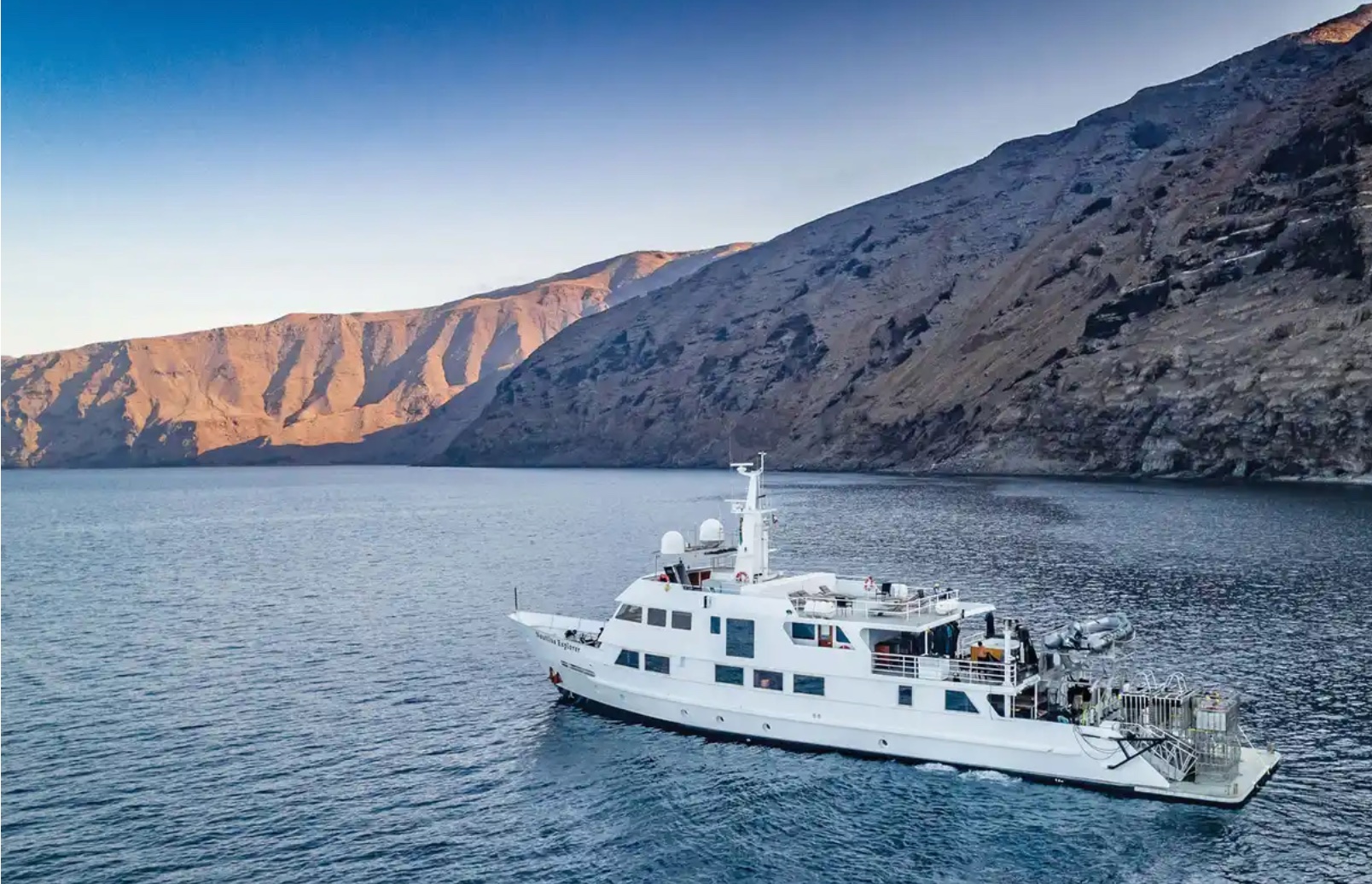
Nautilus Explorer
Mexico
25 guests45 m
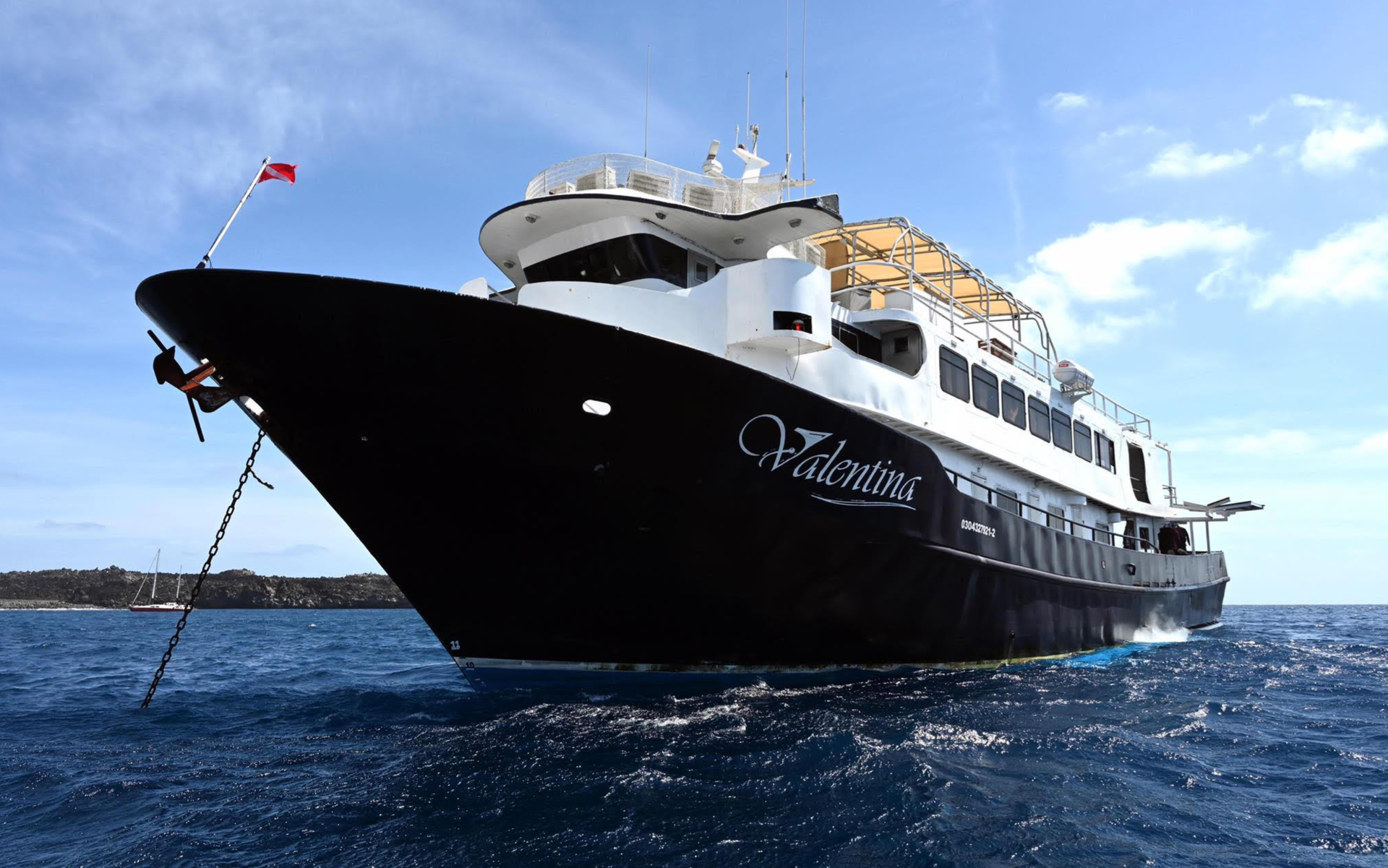
Valentina
Mexico
20 guests38 m
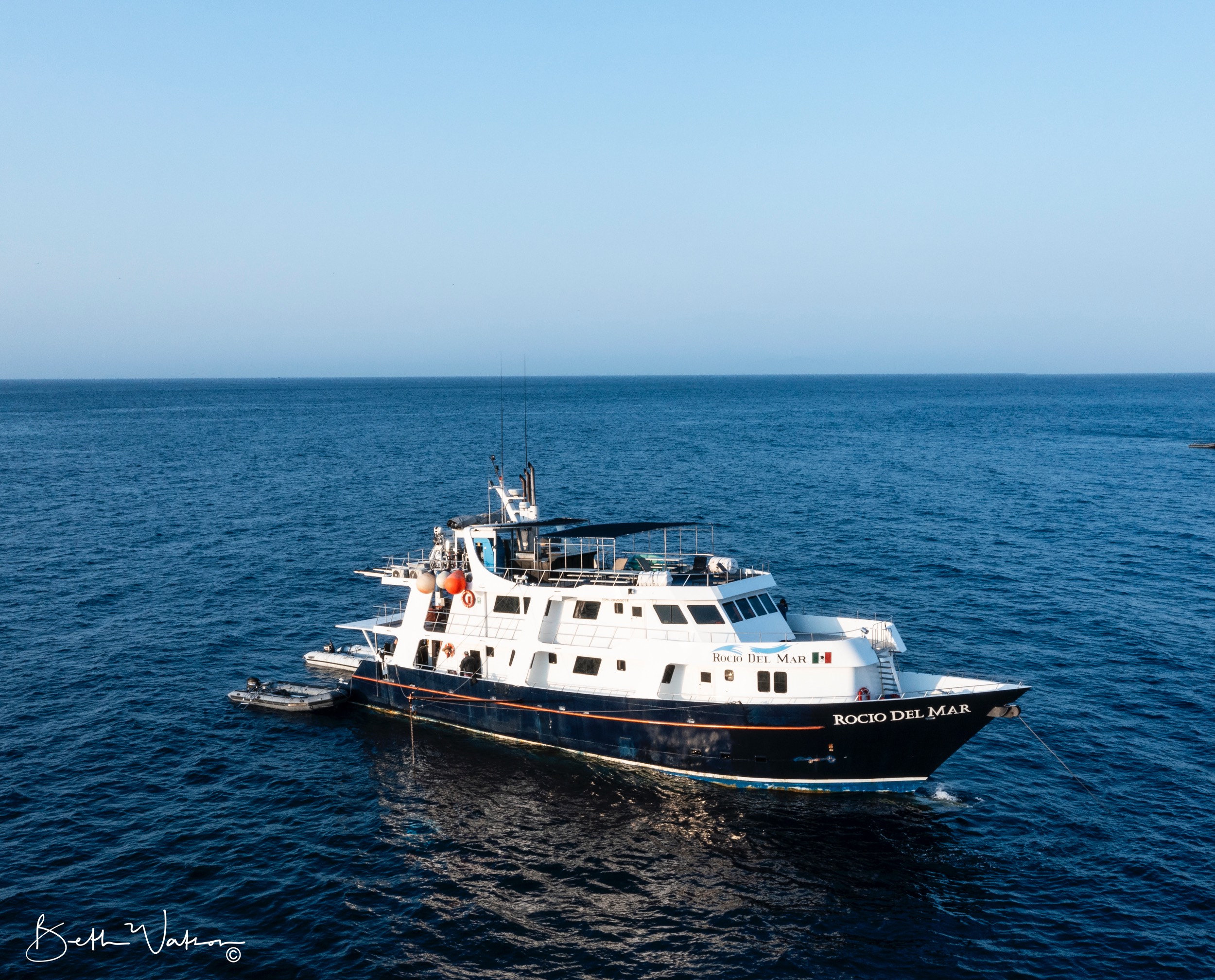
Rocio del Mar
Mexico
20 guests34 m
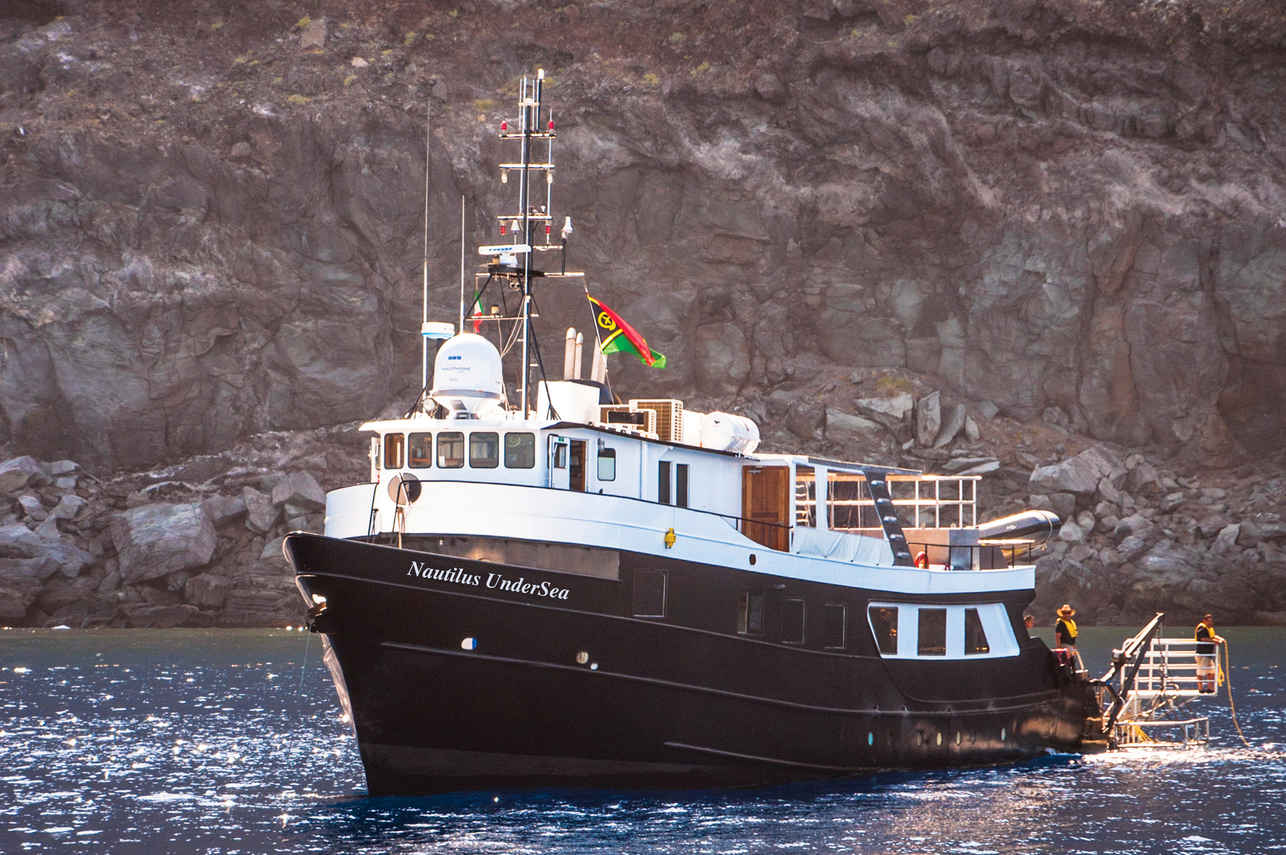
Nautilus Under Sea
Mexico
19 guests32 m
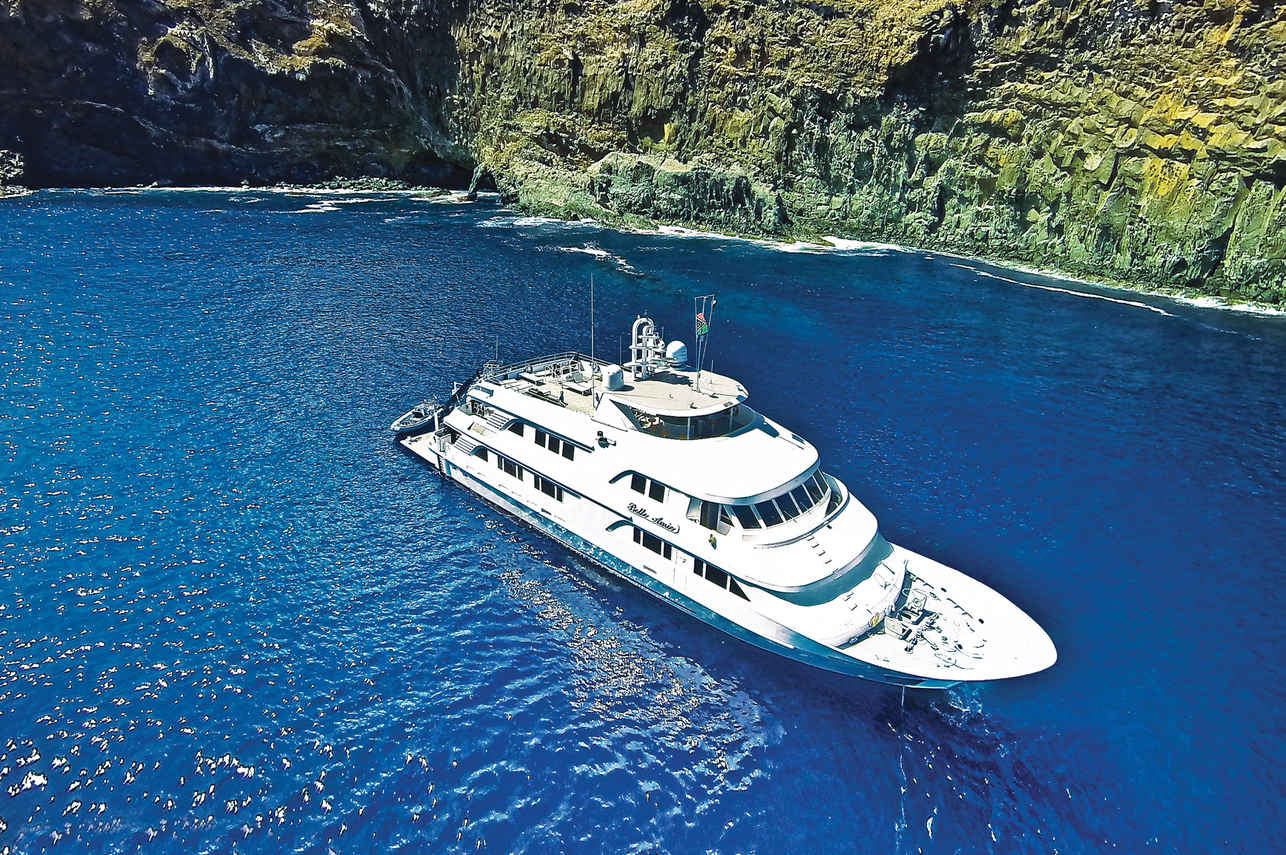
Nautilus Belle Amie
Mexico
32 guests45 m
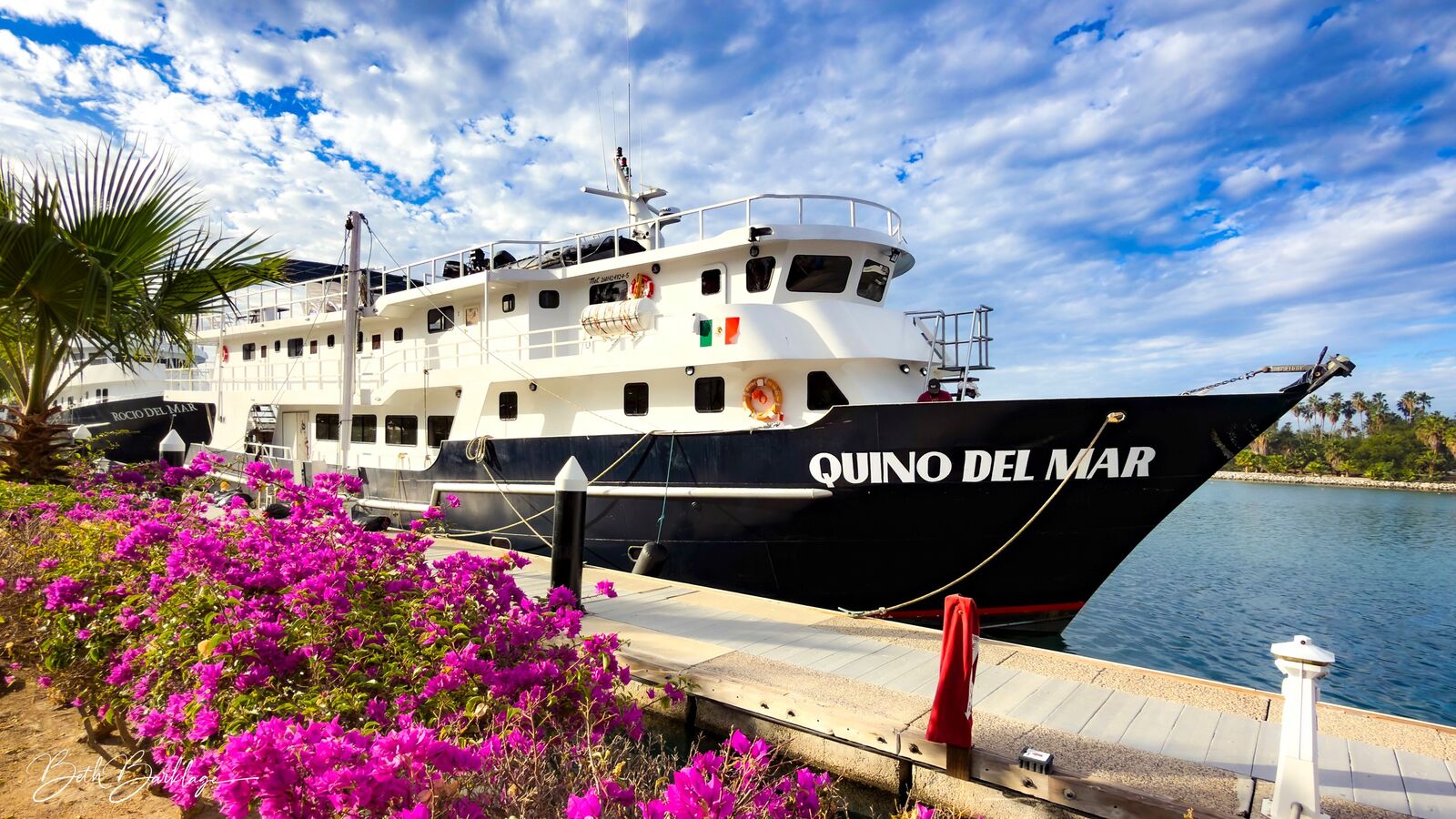
Quino del Mar
Mexico
20 guests36 m
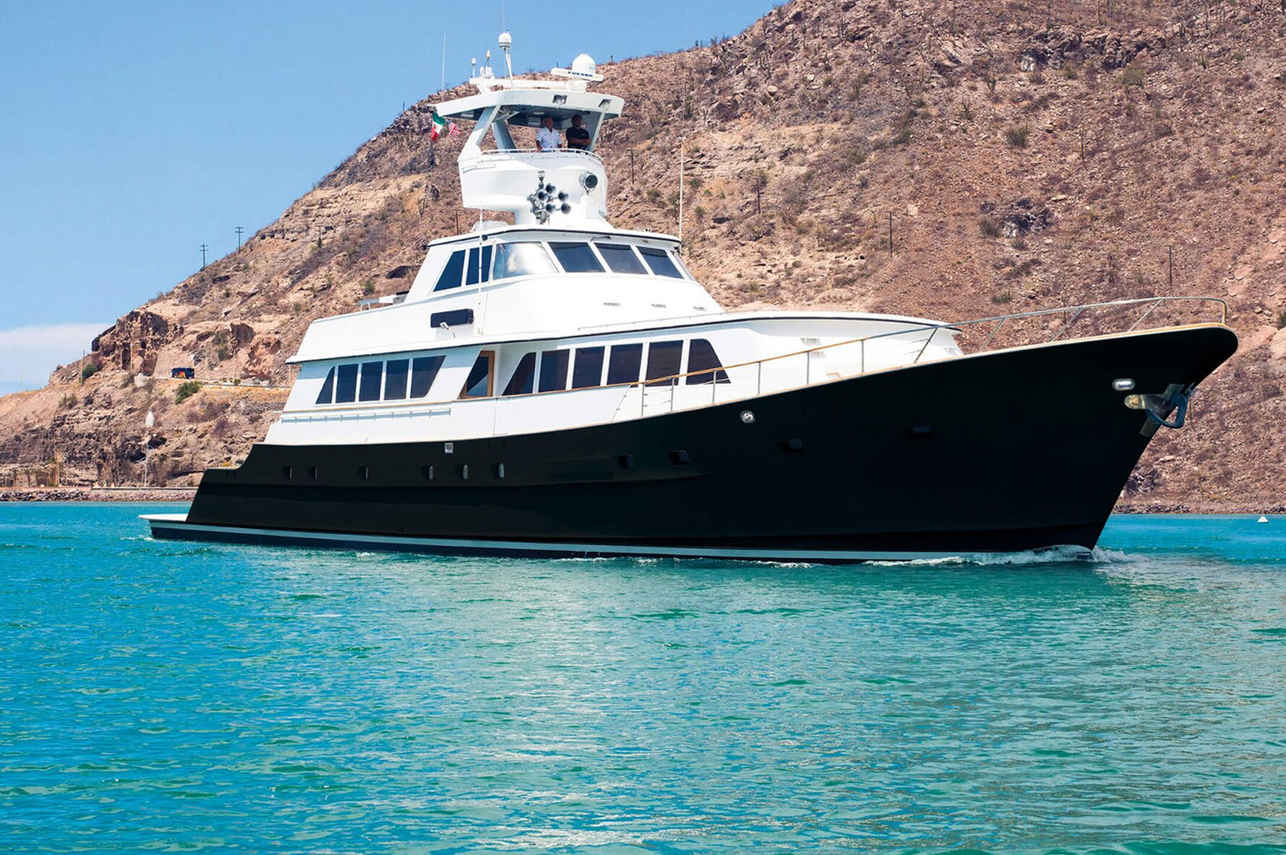
Nautilus Gallant Lady
Mexico
12 guests35 m
Dive sites similar to Caseta Wreck
Same character, same waters — six more sites divers love for the exact same reasons.Compare seasons, access and liveaboard routes — then pick the site that fits your trip best.
© Esri — Maxar, Earthstar, GIS
3 Fathom Wall
Cayman Islands
3 Fathom Wall is an exciting and fish-filled dive site located in the Cayman Islands, specifically at the intersection of the renowned Bloody Bay Wall.
- Suitable for
- Intermediate
- Current
- Mild
- Access
- Liveaboard only
- Depth
- ≤ 3000 m
- Theme
- Reef
While specific details for a dive site named "3 Riff" are not present in the provided sources, general diving conditions and characteristics for the Dominican Republic…
- Suitable for
- Advanced
- Current
- Mild
- Access
- Dayboat
- Depth
- 30–55 m
- Theme
- Reef
The dive site known as 3 Rocks is located off the coast of Sosúa in Puerto Plata, Dominican Republic, offering an accessible and lively underwater experience.
- Suitable for
- Beginner
- Current
- Mild
- Access
- Dayboat
- Depth
- 2–8 m
- Theme
- Reef
4 Amigos is a notable dive site located in the Bay Islands of Honduras, an area renowned for its extensive Mesoamerican Barrier Reef System, which is the world's second-longest.
- Suitable for
- Intermediate
- Current
- Moderate
- Access
- Liveaboard or dayboat
- Depth
- 9–40 m
- Theme
- Reef
© Esri — Maxar, Earthstar, GIS
6 Toed Cat
Mexico
The dive site known as "6 Toed Cat" is not a recognized dive location in Mexico; rather, it refers to the polydactyl felines, many with six toes, that inhabit the Ernest Hemingway Home and Museum in Key West, Florida.
- Suitable for
- Beginner
- Current
- Mild
- Access
- Liveaboard or dayboat
- Depth
- —
- Theme
- Reef
© Esri — Maxar, Earthstar, GIS
Aaron's Backyard
Honduras
Aaron's Backyard is a noted dive site within the Roatan Marine Park in Honduras, part of the extensive Mesoamerican Barrier Reef System.
- Suitable for
- Intermediate
- Current
- Moderate
- Access
- Liveaboard or dayboat
- Depth
- 9–40 m
- Theme
- Reef