About Cantarell
Cantarell is a prominent wall dive located in northern Cozumel, recognized for its seasonal influx of spotted eagle rays. This site forms part of the Great Western Atlantic Reef Belt, also known as the Great Mayan Reef, which extends along Cozumel’s coastline. Unlike barrier reefs, Cozumel is classified as a plateau reef, making its dive sites unique within this extensive 175-mile-long system. The topography features a sloping reef that gradually transitions into a distinct wall edge, which divers typically follow for a significant portion of the dive. The top of the wall begins at approximately 12 meters (40 feet) and descends to about 30.5 meters (100 feet). The wall itself presents pronounced drop-offs, with notches and ledges where divers can maintain stability by using dead coral. After exploring the wall, the dive concludes in a productive shallow reef area, allowing for a slower, more relaxed ascent. While marine life varies throughout the year, common sightings include damselfish, barracuda, grouper, coney, razorfish, trumpetfish, bar jacks, French grunts, and sea turtles. The site's main draw is the seasonal aggregation of spotted eagle rays, typically observed from mid-January through early March. Occasional encounters might also include nurse sharks, black groupers, and green moray eels. This is a boat-access site best dived as a group drift due to potentially strong currents. Divers must execute a controlled descent and approach the wall from the shallows to observe the rays without disturbance. Given the variable currents and exposure, Cantarell is best suited for intermediate divers with solid buoyancy control, comfortable with wall diving and mild to moderate drift conditions. Experienced local guides are essential for navigating the site's specific drop points and wall approach, especially since the northern exposure means fewer boats are typically in the area.
Highlights
Seasonal spotted eagle ray migrationPronounced wall drop-offsSloping reef to wall transitionProductive shallow reef zoneLess crowded north Cozumel siteVariety of common reef fish
Season calendar
Best months to dive here
Jan
Feb
Mar
Apr
May
Jun
Jul
Aug
Sep
Oct
Nov
Dec
Excellent
Good
Nov – Apr (Peak)
Socorro season open (Nov–May) for giant mantas and hammerheads. Cozumel bull sharks Dec–Mar. Cenotes excellent year-round. Best overall conditions.
May – Oct (Transition & Sea of Cortez)
Socorro closing, Cozumel still good. Whale sharks arrive at Isla Mujeres Jun–Sep. From August, the Sea of Cortez comes alive: Midriff Islands offer massive sea lion colonies and schooling mobulas. September and October bring world-class diving around La Paz and Cabo Pulmo with whale sharks, hammerheads, and bull sharks on the Explore Baja route.
Dive site facts: Cantarell
- Depth
- 12–31 m
- Current
- Ripping
- Entry
- Liveaboard only
- Level
- Intermediate
- Dive type
- Wall, Reef
- Region / port
- Mexico
- Coordinates
- 20.4057° N, 87.0311° W
Conditions & Currents
Cantarell is known for its strong and variable currents, which can flow along, out, or even down the wall, necessitating synchronized group entry and exit. Moderate to occasionally strong currents are typical, with downcurrents being a possibility. Surface chop is also common, particularly during the winter eagle ray season. Given these conditions, it is treated as a full drift wall dive where divers stay together and allow the current to propel them. A controlled descent is critical, as divers must approach the wall from the shallows to reach the correct position and avoid disturbing marine life. Visibility is generally good but can vary depending on current strength and season. The site's northern exposure means limited boat traffic, making group discipline and accurate drop placement by experienced local operators essential to prevent offshore drift and ensure safety. This dive requires intermediate to advanced certification due to the challenging current and depth changes.
Why dive Cantarell from a liveaboard?
Cantarell is one of Mexico's signature dive sites. A liveaboard sleeps you on the water and puts you in the water for three to four guided dives per day, including dawn and night dives that day-boat operators rarely offer. You skip the daily commute back to port and reach quieter, less-crowded sites in the same region on a single trip.
Below are the liveaboards that include Cantarell on their Mexico itineraries.
Liveaboards diving Cantarell
These liveaboards may visit Cantarell on selected itineraries — the exact dive sites depend on departure, weather and conditions.
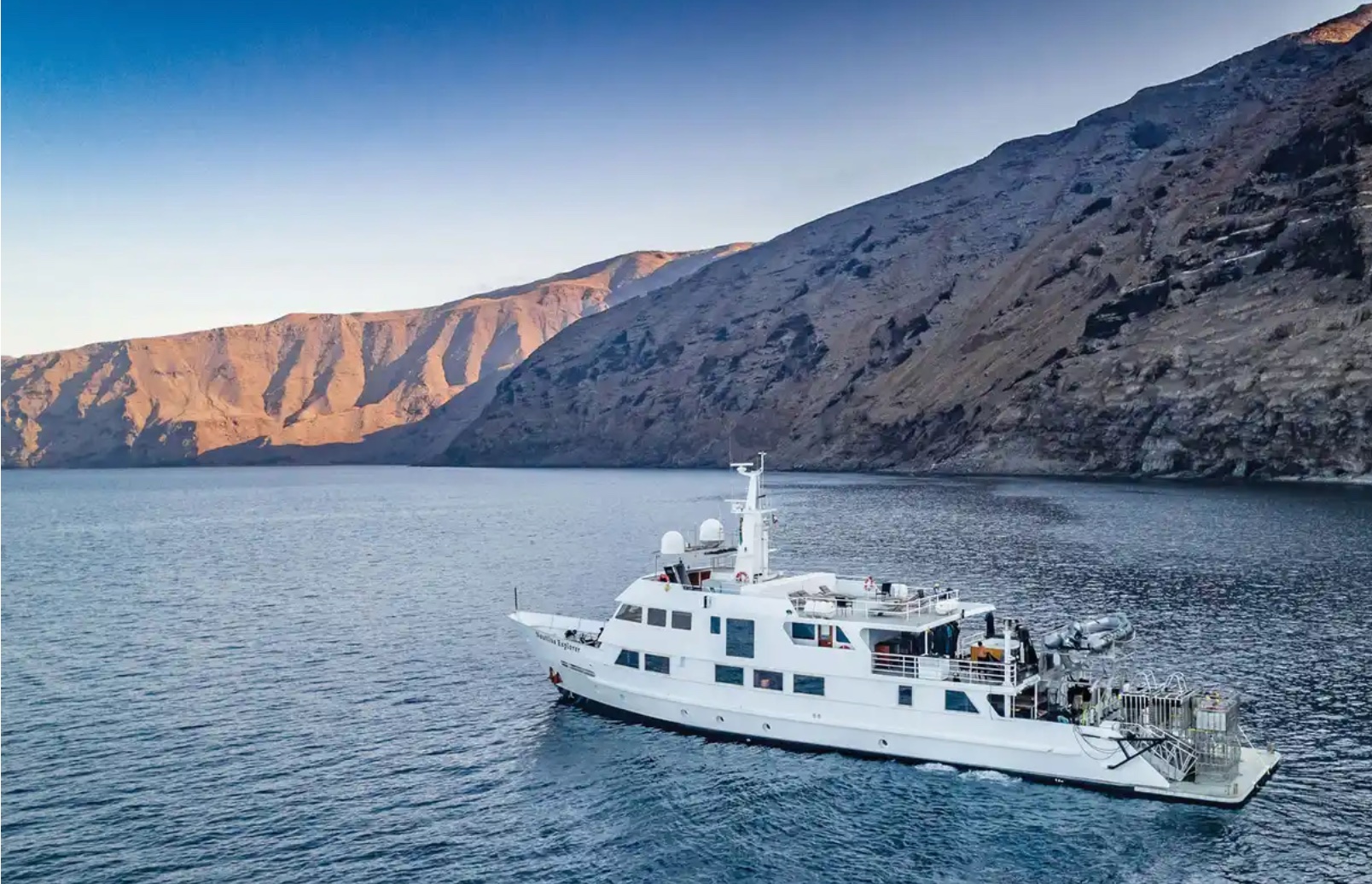
Nautilus Explorer
Mexico
25 guests45 m
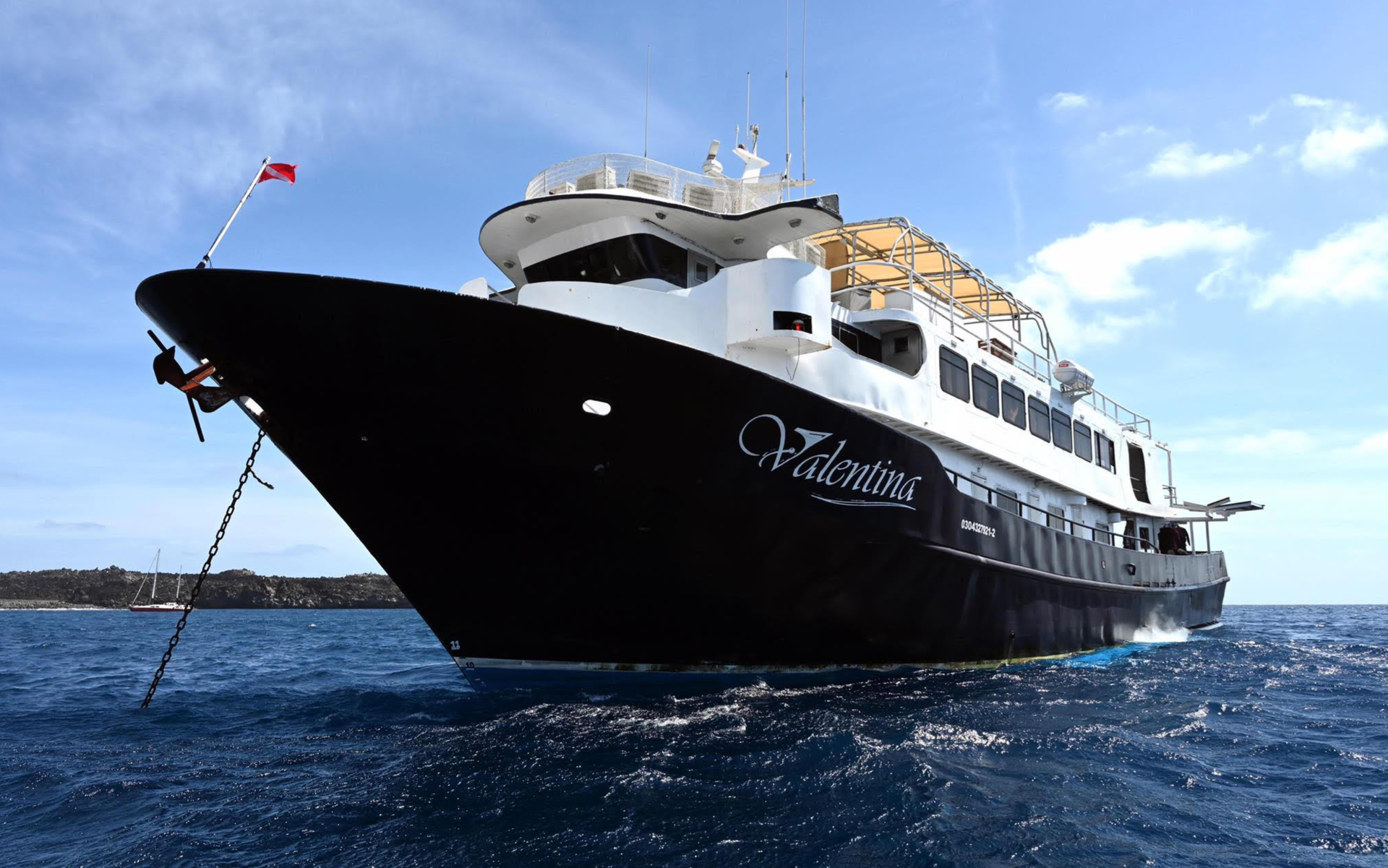
Valentina
Mexico
20 guests38 m
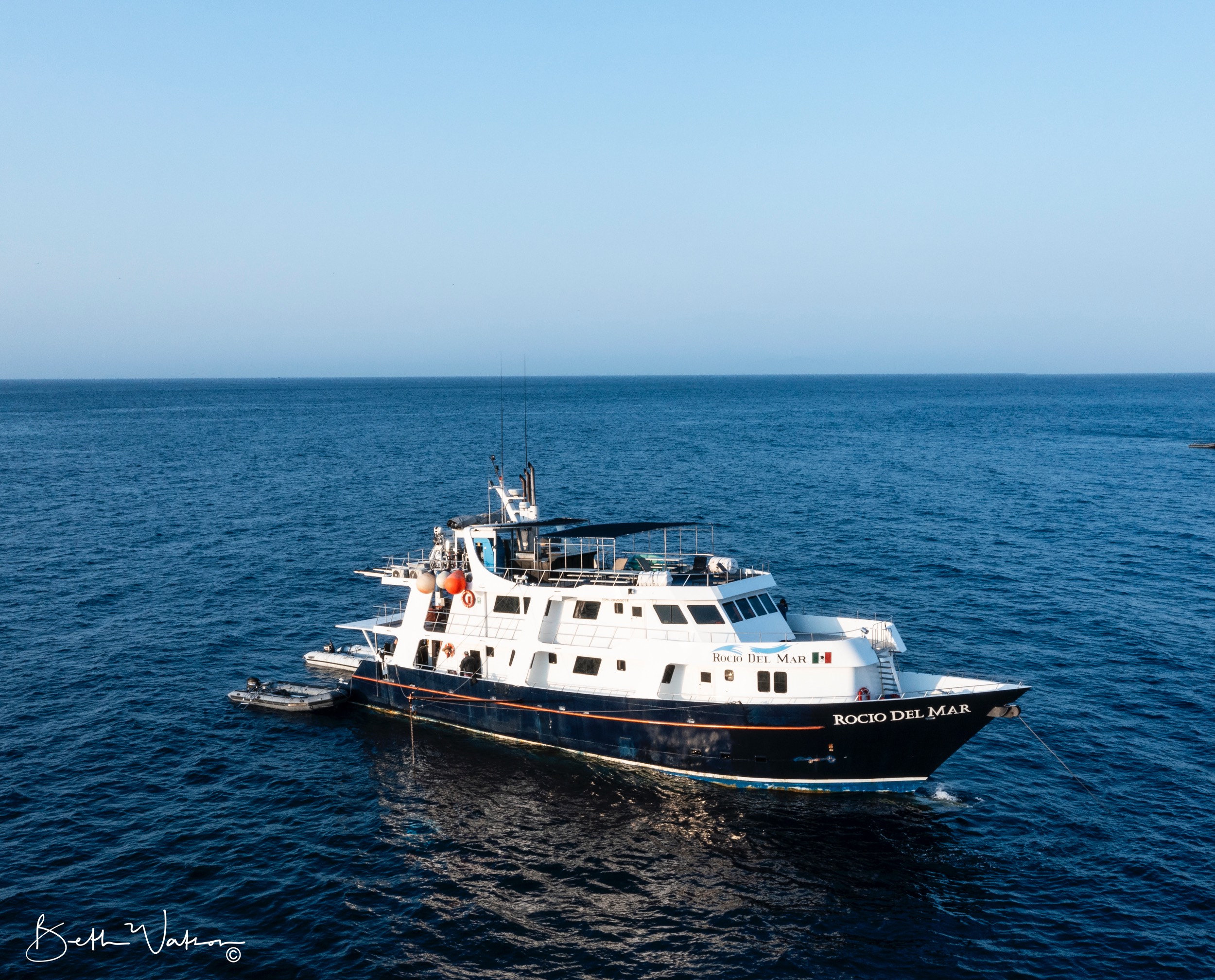
Rocio del Mar
Mexico
20 guests34 m
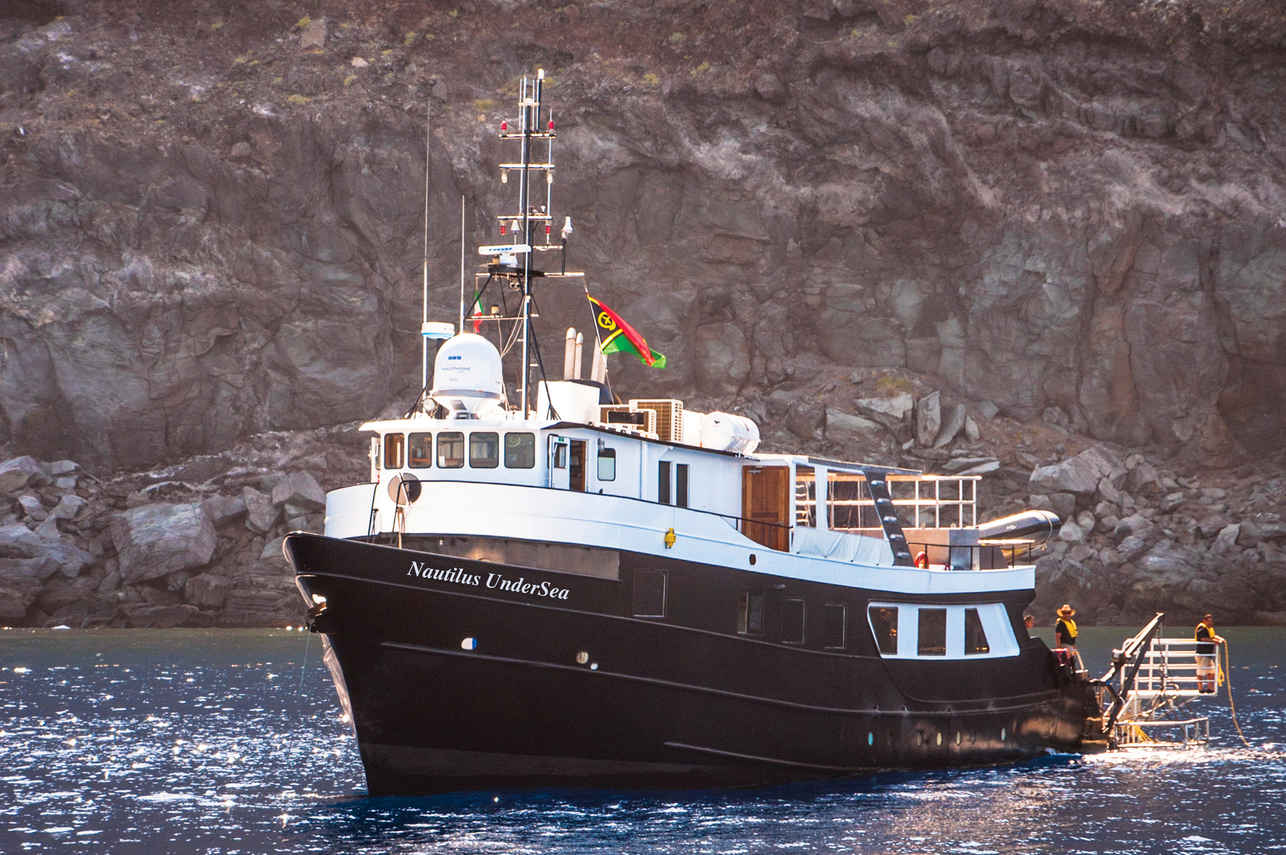
Nautilus Under Sea
Mexico
19 guests32 m
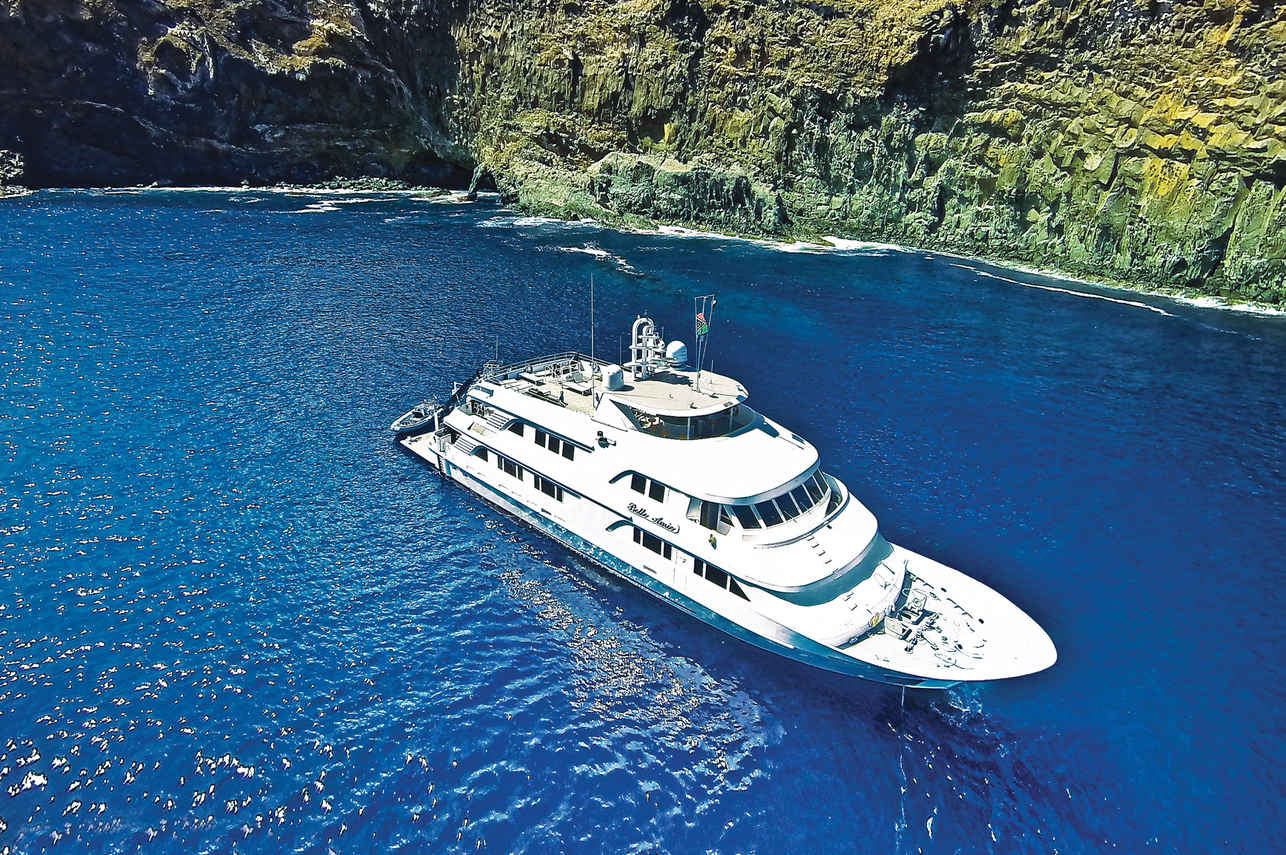
Nautilus Belle Amie
Mexico
32 guests45 m
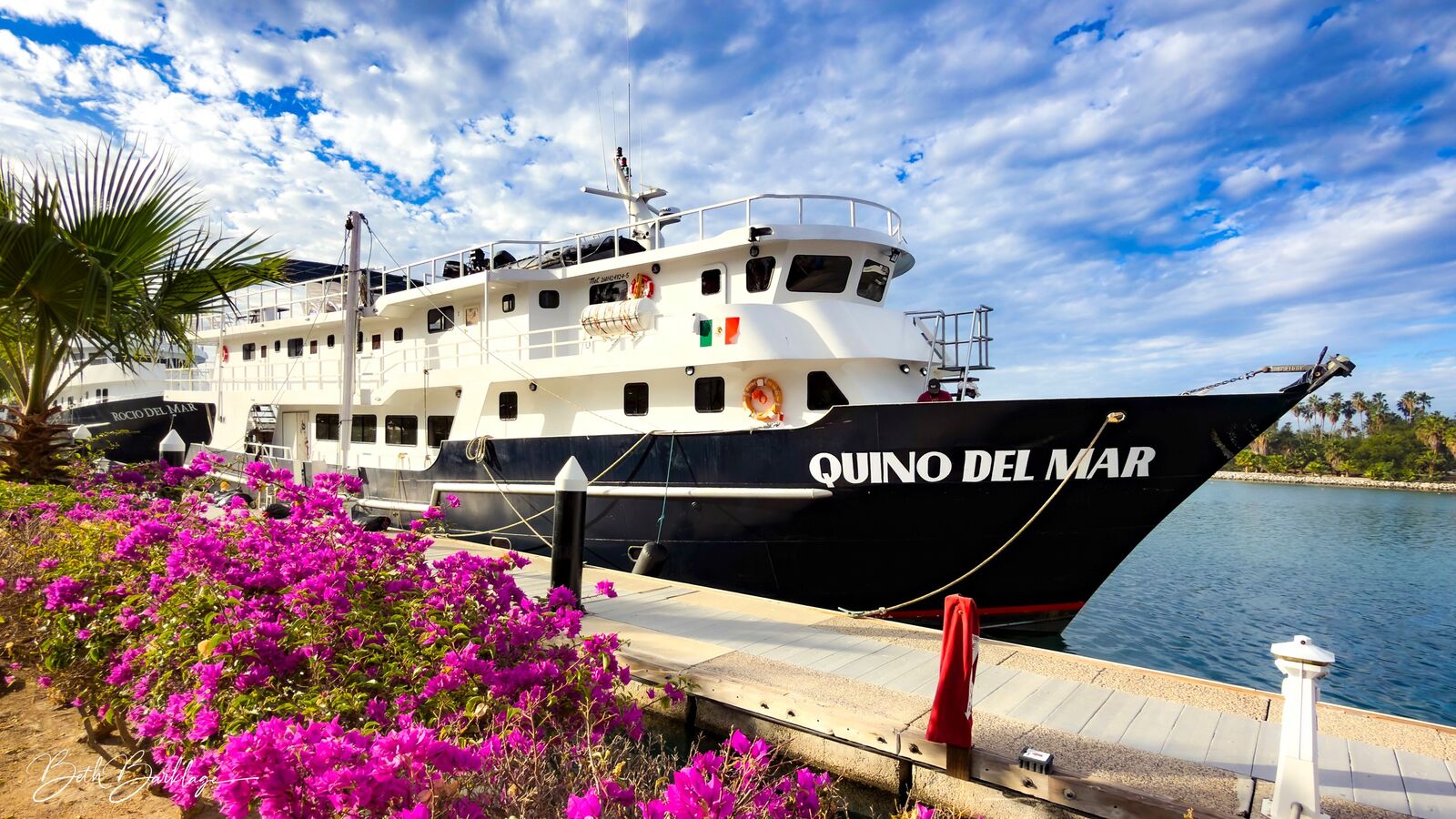
Quino del Mar
Mexico
20 guests36 m
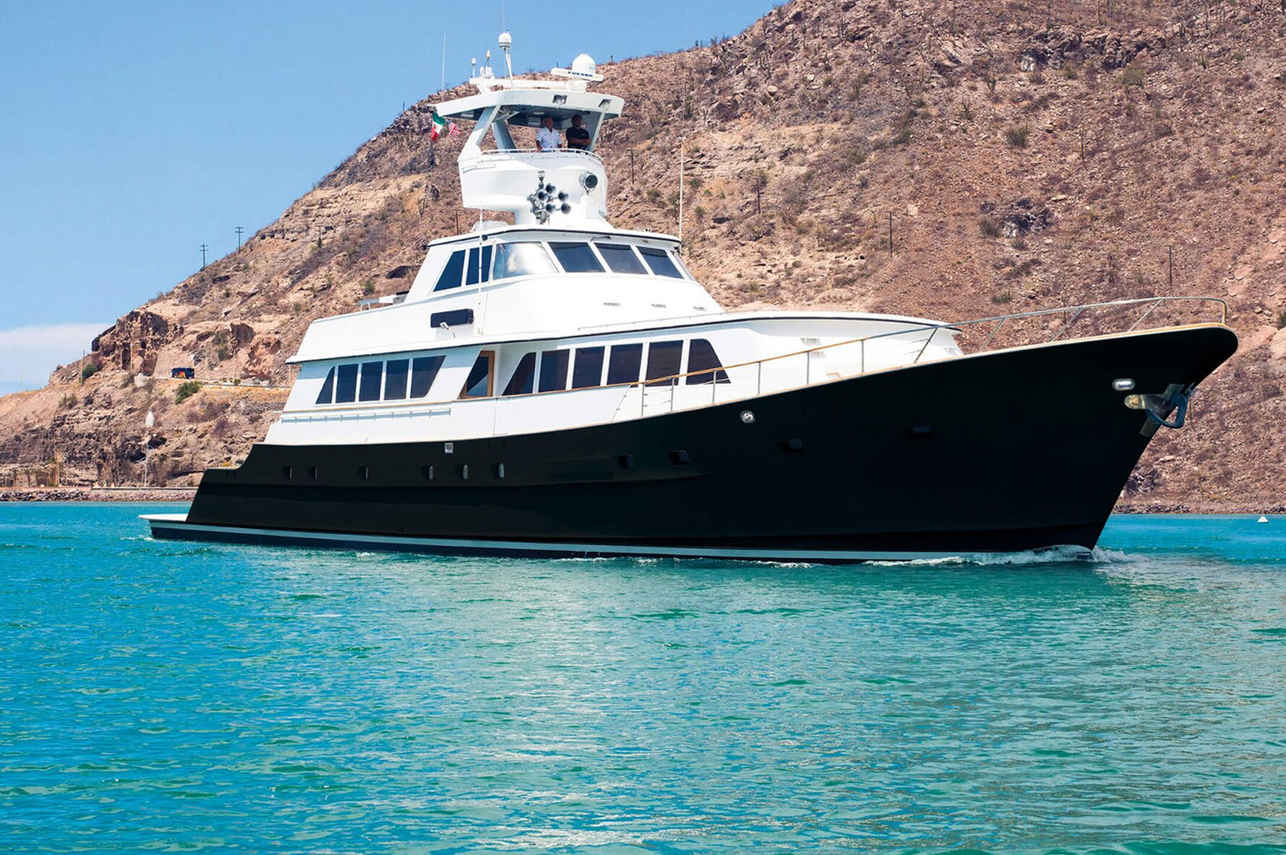
Nautilus Gallant Lady
Mexico
12 guests35 m
Dive sites similar to Cantarell
Same character, same waters — six more sites divers love for the exact same reasons.Compare seasons, access and liveaboard routes — then pick the site that fits your trip best.
© Esri — Maxar, Earthstar, GIS
3 Fathom Wall
Cayman Islands
3 Fathom Wall is an exciting and fish-filled dive site located in the Cayman Islands, specifically at the intersection of the renowned Bloody Bay Wall.
- Suitable for
- Intermediate
- Current
- Mild
- Access
- Liveaboard only
- Depth
- ≤ 3000 m
- Theme
- Reef
While specific details for a dive site named "3 Riff" are not present in the provided sources, general diving conditions and characteristics for the Dominican Republic…
- Suitable for
- Advanced
- Current
- Mild
- Access
- Dayboat
- Depth
- 30–55 m
- Theme
- Reef
The dive site known as 3 Rocks is located off the coast of Sosúa in Puerto Plata, Dominican Republic, offering an accessible and lively underwater experience.
- Suitable for
- Beginner
- Current
- Mild
- Access
- Dayboat
- Depth
- 2–8 m
- Theme
- Reef
4 Amigos is a notable dive site located in the Bay Islands of Honduras, an area renowned for its extensive Mesoamerican Barrier Reef System, which is the world's second-longest.
- Suitable for
- Intermediate
- Current
- Moderate
- Access
- Liveaboard or dayboat
- Depth
- 9–40 m
- Theme
- Reef
© Esri — Maxar, Earthstar, GIS
6 Toed Cat
Mexico
The dive site known as "6 Toed Cat" is not a recognized dive location in Mexico; rather, it refers to the polydactyl felines, many with six toes, that inhabit the Ernest Hemingway Home and Museum in Key West, Florida.
- Suitable for
- Beginner
- Current
- Mild
- Access
- Liveaboard or dayboat
- Depth
- —
- Theme
- Reef
© Esri — Maxar, Earthstar, GIS
Aaron's Backyard
Honduras
Aaron's Backyard is a noted dive site within the Roatan Marine Park in Honduras, part of the extensive Mesoamerican Barrier Reef System.
- Suitable for
- Intermediate
- Current
- Moderate
- Access
- Liveaboard or dayboat
- Depth
- 9–40 m
- Theme
- Reef