About
An archipelago built on submerged volcanic mountains, the Maldives offers a diving landscape unlike any other. Its atolls are defined by deep channels, or kandus, that funnel nutrient-rich water from the open Indian Ocean, creating a haven…
About
An archipelago built on submerged volcanic mountains, the Maldives offers a diving landscape unlike any other. Its atolls are defined by deep channels, or kandus, that funnel nutrient-rich water from the open Indian Ocean, creating a haven…
Available Liveaboards
Explore our handpicked fleet of liveaboards operating in this region
Loading vessels...
Why Dive Here
World-famous cleaning stations with dozens of mantas at once
Year-round whale shark sightings in South Ari Atoll
Pristine waters with visibility often exceeding 30 metres
Endless variety across 1,190 islands and countless dive sites
Dive Season
Plan your trip around the best conditions for diving, visibility, and marine encounters
Best visibility up to 40m, calm seas, manta rays on the eastern atolls, whale sharks in South Ari Atoll.
Changing conditions, good value, mantas moving between atolls, occasional rain showers.
Marine Life
Explore the incredible species that call these waters home
Seasonal Calendar
Plan your trip around the marine life you want to encounter most


Only in
Extraordinary natural events that make Maldives a once-in-a-lifetime diving destination

Baa Atoll
Encounter hundreds of reef and oceanic manta rays at Hanifaru Bay, one of the world's largest manta feeding aggregations, with up to 200 mantas in a single dive.
Read more
South Ari Atoll
Swim alongside gentle whale sharks in South Ari Atoll, where year-round sightings make the Maldives one of the most reliable destinations for these ocean giants.
Read more
North Malé Atoll
Experience thrilling night dives where tawny nurse sharks, giant stingrays, and bioluminescent plankton create a magical underwater spectacle.
Read more
Rasdhoo Atoll
Dive the deep channels of the northern atolls at dawn to witness schools of scalloped hammerhead sharks cruising through the blue – a bucket-list experience.
Read moreExplore
7th Heaven is a vibrant channel reef located in the South Ari Atoll of the Maldives. This site is renowned for its comprehensive soft coral coverage, presenting an extraordinary display of colors across its entire structure. It lies directly across a channel, influencing the dive experience with its unique topographical features and the marine life it attracts. Diving at 7th Heaven involves exploring this richly decorated reef, where you can observe a variety of resident species that thrive in its diverse ecosystem. The channel location suggests potential for drift diving, allowing divers to glide along and appreciate the expansive coral gardens. The site is home to numerous marine creatures, including graceful turtles, white tip reef sharks, and various rays such as stingrays and torpedo rays. You can also expect to encounter moray eels, scorpionfish, and delicate nudibranchs, providing ample opportunities for observing different facets of marine life. While specific seasonal aggregations are not detailed for this site, the general Maldivian waters offer consistent wildlife viewing. Typically, this dive is part of a multi-day liveaboard itinerary within the South Ari Atoll. Divers should be prepared for varying current conditions, which are characteristic of channel dives in the Maldives, potentially requiring intermediate to advanced skills depending on the strength of the flow. Multiple dives are often conducted in the area, offering repeated chances to explore this colorful reef.
Addu Kandu, also known as Addu Channel, is a significant natural waterway situated within the Addu Atoll, which is the southernmost atoll in the Maldives. This channel serves as more than just a geographical feature; it is a thriving ecosystem and a major draw for tourists seeking underwater adventures. Its exceptional marine biodiversity and stunning underwater topography make it a renowned destination for divers. Diving in Addu Kandu allows for exploration of various sites, notably the famous British Loyalty wreck, which is the largest World War II shipwreck in the Maldives. This historic wreck hosts a rich variety of marine species, providing a distinctive and unforgettable diving experience. The channel is also recognized for its healthy coral reefs, which largely escaped the widespread bleaching event in 1998, contributing to a vibrant underwater landscape. Addu Atoll features the only year-round manta ray cleaning station in the Maldives, where reef mantas are consistently observed. The area also boasts a significant shark population, including thresher, hammerhead, silvertip, and even whale sharks. Divers can also spot various rays and a multitude of tropical fish within the clear waters. Considering the potential for currents within the channel, particularly when diving, liveaboard itineraries often visit the deep south during February and March when conditions are ideal for experienced divers, featuring increased visibility and calmer surface conditions. While accessible for snorkeling, divers should be prepared for channel diving, often requiring live boat operations or careful current management.
Embudu Express, also known as Embudu Channel, is a celebrated dive site situated within the Malé Atoll of the Maldives, specifically in the South Malé Atoll. This site is highly regarded among experienced divers for its powerful currents and flourishing marine ecosystem, which make it a dynamic and captivating underwater experience. The channel’s narrow passage and sharp edge create distinct conditions where nutrient-rich waters flow, attracting a wide array of pelagic species. Diving here typically involves a swift drift along the channel's current, with divers dropping in during the correct current window and quickly moving into the flow. The site features a deep channel edge, with depths reported between 25 to 30 meters, where divers can observe sharks, rays, and schooling fish in the blue water. The most engaging part of the dive often involves watching the passing marine life before gradually drifting out into calmer sections of the reef. The vibrant ecosystem is sustained by these currents, providing excellent opportunities to see reef sharks, eagle rays, and large schools of fish. The site rewards careful planning and the guidance of an experienced local operator who understands the specific current timings and entry procedures. Given the challenging conditions, Embudu Express is best suited for advanced divers who are comfortable with strong currents and require precise execution. While the dive focuses on the channel, the surrounding coral and sand bottom types contribute to the overall diversity. The clear waters during certain seasons enhance the viewing of the rich marine activity that congregates in this dynamic environment.
Dhonkalo is a distinctive sandy channel in the central Maldives, noted for its unusual appearance as a barren reef within an 18-meter-deep environment. Despite its seemingly uninviting topography, it stands out as a highly active manta ray cleaning station, making it a pivotal dive site for marine life enthusiasts. It is situated in the North Ari Atoll, which is renowned for its diverse dive sites and pelagic encounters, offering easy access from Malé and forming part of popular liveaboard itineraries. The site's main feature is a sandy channel that serves as a cleaning station, where manta rays gather. These magnificent creatures can be observed in train formations, moving through the water, sometimes in numbers exceeding a dozen individuals. The channel's unique conditions, including the presence of strong, occasionally powerful currents, contribute to its role as a vibrant marine hub, often compared to an "underwater airport" for the mantas. While the primary attraction is the manta ray aggregations, which occur year-round, the currents bring in abundant nutrients, supporting the cleaning station ecosystem. Divers here have a high likelihood of close encounters with these pelagic giants. The strong currents, however, mean that the site is generally better suited for experienced divers comfortable with drift diving, especially given the unpredictable nature of the water movement. A typical dive at Dhonkalo involves navigating these strong currents, often requiring a negative descent, to reach the cleaning station. Due to its location on liveaboard routes, it's frequently dived as part of multi-day trips focusing on the central atolls. The water temperature typically ranges from 26 to 29 degrees Celsius, with visibility between 10 and 30 meters, though this can fluctuate with current intensity.
Beyond Diving
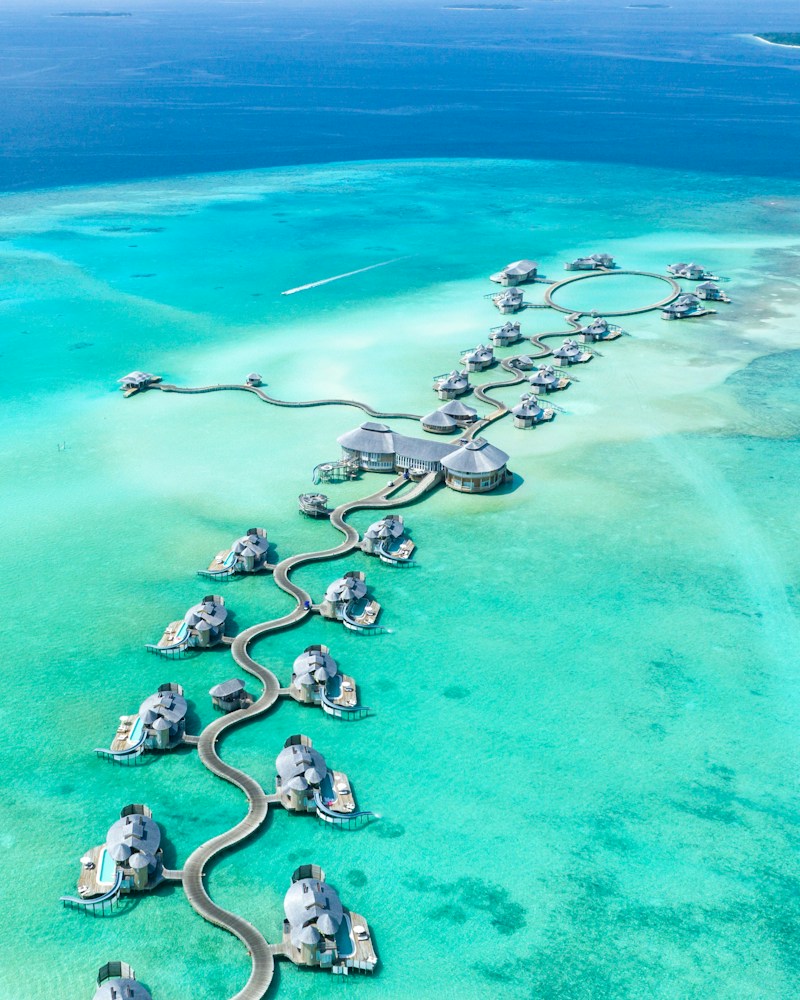
Stay in iconic overwater bungalows with glass floors, private decks, and direct lagoon access. Wake up to turquoise views and watch marine life swim beneath you.

Spot spinner dolphins performing acrobatic displays in the golden evening light. Most resorts and liveaboards offer daily dolphin-watching excursions.

Escape to a private sandbank surrounded by nothing but turquoise ocean. Enjoy champagne, fresh seafood, and pristine solitude on your own private island for the day.

Dine surrounded by tropical fish at Ithaa or SEA. These submerged restaurants offer 180-degree views of the reef while you enjoy world-class cuisine.
Budget
How Maldives compares to other diving destinations worldwide.
$250–$450
per day liveaboard
$80–$150
per 2-tank dive trip
$150–$1,000
hotel per night
Prices reflect typical costs for mid-range to premium options. Budget alternatives may be available.
Lower visibility but peak season for marine encounters — manta aggregations at Hanifaru Bay (Aug–Nov), tiger sharks year-round in Fuvahmulah, and whale sharks still present. Southern atolls shine.
Changing conditions, good value, mantas moving between atolls, occasional rain showers.
Best visibility up to 40m, calm seas, manta rays on the eastern atolls, whale sharks in South Ari Atoll.
Book liveaboards 6+ months in advance for early-bird discounts of up to 20%.
Visit during shoulder season (May, November) for 15-25% lower prices with still excellent diving conditions.
Local island guesthouses on inhabited islands offer budget accommodation from $50-100/night vs $500+ at resorts.
Choose safari boats over luxury liveaboards—same dive sites, half the price.
Bring your own dive gear to avoid rental fees of $30-50/day.
Combine a liveaboard trip with a few nights on a local island to extend your stay affordably.
Travel
Velana International Airport
Malé (Hulhulé Island) • MLE
Main gateway, direct flights from Europe, Middle East, Asia
Gan International Airport
Addu Atoll • GAN
Southern gateway, connects to Colombo
Free 30-day visa on arrival for most nationalities. Passport must be valid for 6 months.
This information is provided without guarantee. Please visit the official website for the latest entry requirements.
Official Immigration Information →Plan Your Trip
Good to know
Compare
Honest, in-depth comparisons to help you decide between destinations, certifications, equipment and dive styles.
Choosing between a Maldives liveaboard and a Red Sea safari is one of the most common dilemmas for divers planning their next big trip. Both destinations sit at the very top of the global liveaboard rankings — yet they offer radically different underwater experiences, travel logistics, costs and onboard cultures. The Maldives delivers warm, gin-clear water across more than 1,000 islands and 26 atolls, with manta rays, whale sharks and reef sharks gracing nearly every channel dive. The Red Sea, by contrast, packs world-class wrecks, vertical reef walls and pelagic shark action into a single sea, all reachable from Hurghada or Marsa Alam in a few hours' flight from Europe. For European divers, the Red Sea wins on convenience and price: short flights, no jet lag, week-long itineraries from around €1,200 and the chance to combine the SS Thistlegorm wreck with reef diving on the same trip. The Maldives wins on wildlife: drift dives through atoll channels routinely produce grey reef shark schools, eagle ray squadrons and night feedings of nurse sharks, while the southern atolls (Huvadhoo, Addu, Fuvahmulah) are now established hotspots for tiger sharks and oceanic mantas. The Red Sea also has stronger photo-friendly visibility in the north (often 30 m+), while the Maldives can drop to 15-20 m during plankton-rich manta season — which is precisely why the mantas turn up. This guide breaks down every meaningful difference: marine life by season, average liveaboard prices, certification requirements, the best itineraries on each side, and which type of diver should pick which destination. By the end you'll know whether your next week is better spent crossing Maldivian channels or descending to a Red Sea wreck deck.
Read comparisonChoosing between a liveaboard and a land-based dive trip is the most fundamental decision divers face when planning a serious diving holiday. The right answer depends on your priorities: maximum dive count and access to remote sites favor liveaboards; beach time, family flexibility and lower cost favor land-based resorts. Both formats have evolved significantly in the last decade, and the line between them has blurred — luxury dive resorts now offer multi-day expedition trips, while many liveaboards include topside excursions and even spa days. This guide compares the two formats across every meaningful dimension: cost per day, dives per day, marine life access, comfort, social dynamics, family-friendliness, and travel logistics. We'll also cover the hybrid models (resort + day-charter, or 'safari boat' itineraries) that try to capture the best of both worlds. If you're certified, in love with diving and want to maximize bottom time, a liveaboard is almost always the better choice — you can clock 25+ dives in a week and reach sites no day boat can. If you're traveling with non-divers, prefer land-based comfort, or want flexibility to take days off, a resort wins. We'll get into all the nuances below.
Read comparisonChoosing between the Maldives and Indonesia for a liveaboard diving trip is a delightful dilemma for any avid diver. Both destinations offer unparalleled underwater experiences, but they cater to different preferences and skill levels. The Maldives, an archipelago of 26 atolls, is renowned for its consistent pelagic encounters, crystal-clear visibility, and luxurious liveaboard options, often making it a top choice for those seeking a relaxed yet thrilling dive holiday. Indonesia, a vast maritime nation spanning thousands of islands, presents a staggering diversity of dive sites, from the vibrant coral gardens of Raja Ampat to the macro wonders of Lembeh Strait. Its sheer scale means a wider range of experiences, from challenging currents to tranquil muck dives, appealing to divers looking for adventure and unique biodiversity. This comparison will help you navigate the nuances of each destination, ensuring you pick the perfect liveaboard adventure for your diving aspirations.
Read comparisonExplore our expedition vessels and find your perfect trip to Maldives