7d/6n Underwater Adventure in Raja Ampat: Explore the Diver's Paradise! - 16 dives included
Situju7 · Komodo, Indonesia · 7D/6N
About this route
The archipelago of Raja Ampat is located west of the Bird's Head Peninsula, straddling the equator off the extreme north-western tip of Papua province in Indonesia. It comprises 610-1500 islands (counting rock islands and spurs). The name Raja Ampat literally means the 'Four Kings' and is considered the 'last paradise on earth'. The islands are Waigeo, Misool, Salawati, and Batanta and, together, they form a huge marine park, Cenderawasih Bay, more than 40 thousand square kilometers. The islands are distinguished by the rugged and steep limestone coast, covered with virgin rainforest that extends to the edge of the water. The larger islands are lightly populated, but most are uninhabited. Today, Raja Ampat is world-renowned as one of the most well-known ecological niches of the planet, on par with the Great Barrier Reef and the Galapagos. Marine biologists determine that Raja Ampat is home to 70 percent of the coral species known on the planet. Many of the fish, corals, and shellfish living in these waters are found nowhere else on Earth. While the world below the surface resembles a living kaleidoscope, above the surface there are landscapes that are difficult to forget. This cruise offers an exploration of what is undoubtedly one of the least visited destinations for adventure, but most memorable, on the planet. One does not need to be a professional diver to experience this global epicenter of marine diversity. Nor is it necessary to be an expert birdwatcher to see and appreciate the extraordinary birdlife that led Alfred Russel Wallace to this region more than a century ago. Guests may spot the curious bobbing, as well as the fabulous dance of the red bird of paradise, or hear the shouts of the crested cockatoos and strong wing beats hissing of hornbills in flight. NOTE 1): Guests meet Situju7 staff in Sorong, West Papua. Since the beginning of the cruise is on time, guests may fly to Sorong a day in advance of the start date. Fares to and from Sorong are not included in the tour package. Embarkation starts at 08 am. The crew waits for guests at the pier, where a dinghy transfers guests to the Situju 7 at anchor. On board, guests meet their cruise director who introduces them to the structure, safety standards, and shows them their chosen cabin. An exclusive welcome drink and wet perfumed little towel are offered to refresh guests from the hot sunny day in Raja Ampat. Departure is at 2 pm. Last day disembarkation is around 8 am. NOTE 2): The itinerary can change depending on weather and current conditions. The Captain, the major authority on board, has the final decision to guarantee guest safety. ABOUT ISLANDS PULAU KRI The island of Kri is where diving and tourism started in Raja Ampat in recent years, but nevertheless, this small uninhabited island preserves its wild and mysterious appearance. The reefs off the western tip of the island of Kri offer a unique spectacle for beginners or experienced diving activity. Snorkeling is also excellent here, but the currents can be very strong. PULAU WAYAG Wayag Island is one of the islands within the Raja Ampat district in the province of West Papua. The island is located 10 km north of the equator. Wayag is known for its beautiful atolls and amazing underwater life covering a total area of 155,000 hectares. Here, guests find pristine beaches fringed by karst outcrops that appear like mushrooms sprouting out from the sea. The crystal clear waters around Wayag Island appear like unreal windows to various types of flora and fauna that live underwater. The island of Wayag never ceases to amaze. Divers, in particular, are overwhelmed not only by the rich underwater backgrounds, but also by the scenic beauty of the island while climbing up to its highest plateau and observing coves and atolls around. It is a dream revealed to the eyes. PULAU WAIGEO Among the wonderful Raja Ampat Islands, Waigeo is the largest of the four main islands of the archipelago. Waigeo is also known as Amberi, or Waigiu, located in West Papua provinces near the town of Sorong. The other three largest islands in this cluster are Salawati, Misool, and Batanta. On Waigeo is the city of Wasai, the Raja Ampat Regency capital, located in the western part of the island. Waigeo is home to a wide range of attractions. It is also the island easier to reach by public transport, although exploring its full diversity remains a challenge. Waigeo Island offers diving, Rock Islands, bays scenic walled by high cliffs, a jungle interior that offers good birdwatching, and cheaper accommodation options to all of Raja Ampat. All in all, it is the perfect place to start an exploration of Raja Ampat. Waigeo has a wild jungle interior and rich, much of which is still largely unexplored and unreachable. There is a great variety of animal species that make their homes in this jungle: possums, snakes, tortoises, frilled, and giant monitor lizards, plumed herons, and honeyeaters. Apart from diving, Pulau Waigeo is also declared as a perfect place for excellent underwater photography because of its bio-diversity and the presence of exotic sea creatures. The list of sighted species includes a wide variety of species of sea slugs, sea dragons, blue striped August flagtail fish, pygmy seahorses, green sea turtles, giant humphead wrasse, lion fish and Indian. Also, there is an abundant growth of corals and sea fans here serving as homes for large groups of small fish. JEF FAM Jef Fam Group of islands is another fascinating site in the Raja Ampat Archipelago. Jef Fam is composed of a scenic group of several islands and islets that lie straightly west of Batanta island. With a depth varying from 5 m to 35 m and a visibility that ranges from 5 m to 25 m, it is a good place for diving and macro underwater photography. The currents here are moderate and the surface conditions are usually calm. Diving is possible here all year round and the site is suitable for both novice and advanced divers. The site is rewarded for sightings of the rare tasseled wobbegong accompanied with the great barracuda, bicolor angelfish, purple and threadfin anthias, masked rabbitfish, black and white banded sea snakes, fusiliers, green and blue damsels, mimic octopus and species of triggerfish such as the titan and the clown triggerfish. PULAU MANSUAR Off the eastern tip in Mansuar, surrounded by a maze of extensive, shallow reefs, is an area known for reliable sightings of huge, tame Manta Rays, often present in groups of dozens. This area, while closest to Mansuar, is probably just as easily approached from Gam or Aerborek. Every morning several dive boats visit this spot, so if one comes at the right time, it is not missed. The number of Mantas seen, and how close up, of course, is still a matter of luck. For an inland diversion, guests visit the lake sitting among the hills in the middle of Mansuar. Surprisingly, the regional government built a concrete path crossing the island right through the middle, passing this lake, so this is about as easy as hiking, or walking, gets in Raja Ampat! Despite the concrete path, the surrounding rainforest remains amazingly pristine. Continuing to Mansuar's south coast, guests come to what must be one of the prettiest villages in the whole archipelago. A broad beach of perfectly white sand, shady coconut palms, and a village that still has several traditional leaf-houses. It is a very unforgettable experience!
Regions on this route
Day-by-day plan
Day 1: Embarkation in Sorong & Kri Island
Board the vessel in Sorong and receive a safety briefing before cruising into the Dampier Strait. The journey begins with a check-dive around Kri Island, known for sites like Cape Kri. The boat will then cruise towards Gam Island for the night.
Day 2: Gam Island & Birdwatching
Start the day with an early pre-dawn trek on Gam Island to spot the mythical bird of paradise. Afterwards, explore the underwater world with diving and snorkeling opportunities at renowned sites like Manta Sandy and The Passage. The vessel sails north overnight, crossing the equator.
Day 3: Wayag Islands
Awake to the stunning scenery of the Wayag Islands. The day's highlight is a hike up Mount Pindito for panoramic views of the karstic landscape. Diving activities are also available at sites like Figure Eight Rock before the boat sails south through the night.
Day 4: Waigeo & Aljui Bay
Explore Sel Pele Bay on Waigeo Island, a hub for both underwater and topside nature. The day includes a visit to the Atlas South Sea Pearl Farm in Aljui Bay to learn about pearl cultivation. Diving and other activities continue in the surrounding area.
Day 5: Jef Fam Islands
The journey continues to the Jef Fam island group, a beautiful area offering a variety of activities. Spend the day diving at sites like the celebrated Melissa's Garden, snorkeling, sea kayaking, or hiking.
Day 6: Dampier Strait Diving
Spend the last full day diving in the nutrient-rich Dampier Strait as the boat repositions towards Sorong. This area is famous for its high species count and strong currents, with potential dives at sites such as Sardine Reef, Blue Magic, or Mioskon.
Day 7: Disembarkation in Sorong
Enjoy a final breakfast on board before disembarking in the port of Sorong, concluding your Raja Ampat adventure.
Upcoming departures
- 2026-11-23 – 2026-11-29from 2,600 USDBook
- 2026-11-30 – 2026-12-06Book
- 2026-12-07 – 2026-12-13from 2,750 USDBook
- 2026-12-14 – 2026-12-20from 2,750 USDBook
- 2026-12-21 – 2026-12-27from 2,600 USDBook
- 2026-12-28 – 2027-01-03from 2,600 USDBook
- 2027-01-04 – 2027-01-10from 2,750 USDBook
- 2027-01-11 – 2027-01-17from 2,600 USDBook
- 2027-01-19 – 2027-01-25from 2,750 USDBook
- 2027-01-27 – 2027-02-02from 2,750 USDBook
- 2027-02-04 – 2027-02-10from 2,600 USDBook
- 2027-02-12 – 2027-02-18from 2,750 USDBook
All routes of this liveaboard
About the vessel
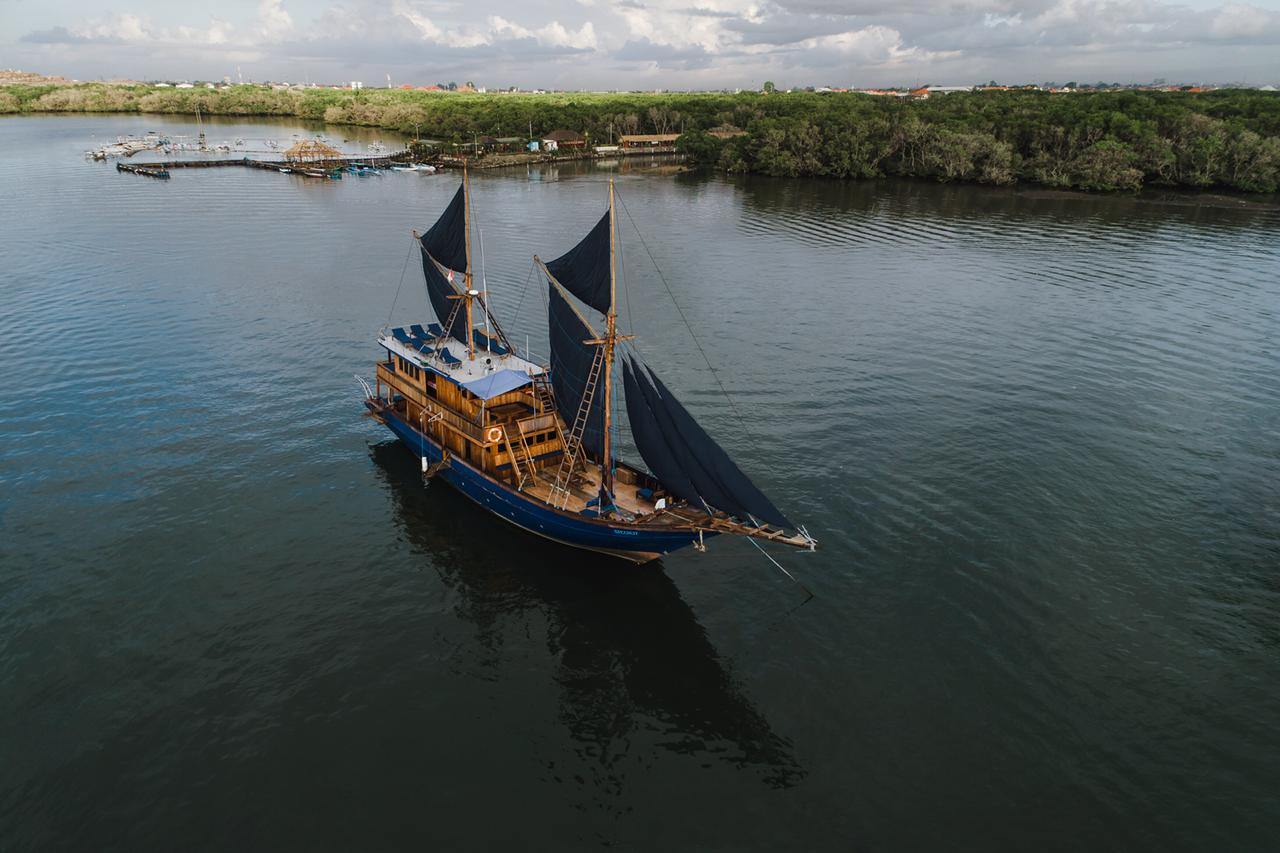 Situju7Komodo, Indonesia