Raja Ampat & Triton Bay (Kaimana → Sorong)
Emperor Harmoni · Raja Ampat, Indonesia · 13D12N
About this route
Embark on a spectacular dive adventure through Raja Ampat and Triton Bay, a region celebrated for its unparalleled biodiversity. Prepare to encounter a breathtaking array of marine life, from schooling reef fish and majestic manta rays to elusive pygmy seahorses and vibrant coral gardens. This journey from Kaimana to Sorong promises an immersive experience into some of the planet's most pristine underwater landscapes.
Requirements
- CertificationAdvanced Open Water
- Minimum logged dives50
- ExperienceThis itinerary is not suitable for beginners, requiring experience with dives deeper than 18m and in varying currents.
Good to know
- Domestic flights are required for transfers to and from the liveaboard and will be arranged according to your flight schedule.
- A minimum of 50 logged dives is required for this itinerary.
- Divers should be Deep Diver/Advanced Open Water certified or equivalent and are recommended to use EAN Nitrox.
- Currents can vary from medium to extremely strong, and some dives may be challenging.
- The last dive of the trip is on the penultimate day, ending around 4 PM.
- A 24-hour waiting period is required after the last dive before flying.
Day-by-day plan
Day 1: Embarkation Day in Kaimana
Guests arrive at the designated airport in Kaimana, where a representative will meet them for transfer to the liveaboard. Boarding is scheduled for 9:00 AM, with the vessel departing as soon as all guests are on board. The afternoon may include a check dive, allowing divers to familiarize themselves with the equipment and conditions.
Day 2: Diving in Raja Ampat & Triton Bay
Explore the rich waters of Raja Ampat and Triton Bay, known for their exceptional marine biodiversity. This region, part of the Coral Triangle, boasts over 75% of all known coral species. Divers can expect a variety of topographies, including soft corals, sea fans, hard corals, seagrass beds, mangroves, shallow reefs, deep drop-offs, caves, and sandy bottoms. Encounters with giant manta rays, sea turtles, sharks, cuttlefish, pipefish, and massive schools of reef fish are common. The area is also home to unique species like wobbegong sharks and epaulette sharks.
Day 3: Diving in Raja Ampat & Triton Bay
Explore the rich waters of Raja Ampat and Triton Bay, known for their exceptional marine biodiversity. This region, part of the Coral Triangle, boasts over 75% of all known coral species. Divers can expect a variety of topographies, including soft corals, sea fans, hard corals, seagrass beds, mangroves, shallow reefs, deep drop-offs, caves, and sandy bottoms. Encounters with giant manta rays, sea turtles, sharks, cuttlefish, pipefish, and massive schools of reef fish are common. The area is also home to unique species like wobbegong sharks and epaulette sharks.
Day 4: Diving in Raja Ampat & Triton Bay
Explore the rich waters of Raja Ampat and Triton Bay, known for their exceptional marine biodiversity. This region, part of the Coral Triangle, boasts over 75% of all known coral species. Divers can expect a variety of topographies, including soft corals, sea fans, hard corals, seagrass beds, mangroves, shallow reefs, deep drop-offs, caves, and sandy bottoms. Encounters with giant manta rays, sea turtles, sharks, cuttlefish, pipefish, and massive schools of reef fish are common. The area is also home to unique species like wobbegong sharks and epaulette sharks.
Day 5: Diving in Raja Ampat & Triton Bay
Explore the rich waters of Raja Ampat and Triton Bay, known for their exceptional marine biodiversity. This region, part of the Coral Triangle, boasts over 75% of all known coral species. Divers can expect a variety of topographies, including soft corals, sea fans, hard corals, seagrass beds, mangroves, shallow reefs, deep drop-offs, caves, and sandy bottoms. Encounters with giant manta rays, sea turtles, sharks, cuttlefish, pipefish, and massive schools of reef fish are common. The area is also home to unique species like wobbegong sharks and epaulette sharks.
Day 6: Diving in Raja Ampat & Triton Bay
Explore the rich waters of Raja Ampat and Triton Bay, known for their exceptional marine biodiversity. This region, part of the Coral Triangle, boasts over 75% of all known coral species. Divers can expect a variety of topographies, including soft corals, sea fans, hard corals, seagrass beds, mangroves, shallow reefs, deep drop-offs, caves, and sandy bottoms. Encounters with giant manta rays, sea turtles, sharks, cuttlefish, pipefish, and massive schools of reef fish are common. The area is also home to unique species like wobbegong sharks and epaulette sharks.
Day 7: Diving in Raja Ampat & Triton Bay
Explore the rich waters of Raja Ampat and Triton Bay, known for their exceptional marine biodiversity. This region, part of the Coral Triangle, boasts over 75% of all known coral species. Divers can expect a variety of topographies, including soft corals, sea fans, hard corals, seagrass beds, mangroves, shallow reefs, deep drop-offs, caves, and sandy bottoms. Encounters with giant manta rays, sea turtles, sharks, cuttlefish, pipefish, and massive schools of reef fish are common. The area is also home to unique species like wobbegong sharks and epaulette sharks.
Day 8: Diving in Raja Ampat & Triton Bay
Explore the rich waters of Raja Ampat and Triton Bay, known for their exceptional marine biodiversity. This region, part of the Coral Triangle, boasts over 75% of all known coral species. Divers can expect a variety of topographies, including soft corals, sea fans, hard corals, seagrass beds, mangroves, shallow reefs, deep drop-offs, caves, and sandy bottoms. Encounters with giant manta rays, sea turtles, sharks, cuttlefish, pipefish, and massive schools of reef fish are common. The area is also home to unique species like wobbegong sharks and epaulette sharks.
Day 9: Diving in Raja Ampat & Triton Bay
Explore the rich waters of Raja Ampat and Triton Bay, known for their exceptional marine biodiversity. This region, part of the Coral Triangle, boasts over 75% of all known coral species. Divers can expect a variety of topographies, including soft corals, sea fans, hard corals, seagrass beds, mangroves, shallow reefs, deep drop-offs, caves, and sandy bottoms. Encounters with giant manta rays, sea turtles, sharks, cuttlefish, pipefish, and massive schools of reef fish are common. The area is also home to unique species like wobbegong sharks and epaulette sharks.
Day 10: Diving in Raja Ampat & Triton Bay
Explore the rich waters of Raja Ampat and Triton Bay, known for their exceptional marine biodiversity. This region, part of the Coral Triangle, boasts over 75% of all known coral species. Divers can expect a variety of topographies, including soft corals, sea fans, hard corals, seagrass beds, mangroves, shallow reefs, deep drop-offs, caves, and sandy bottoms. Encounters with giant manta rays, sea turtles, sharks, cuttlefish, pipefish, and massive schools of reef fish are common. The area is also home to unique species like wobbegong sharks and epaulette sharks.
Day 11: Diving in Raja Ampat & Triton Bay
Explore the rich waters of Raja Ampat and Triton Bay, known for their exceptional marine biodiversity. This region, part of the Coral Triangle, boasts over 75% of all known coral species. Divers can expect a variety of topographies, including soft corals, sea fans, hard corals, seagrass beds, mangroves, shallow reefs, deep drop-offs, caves, and sandy bottoms. Encounters with giant manta rays, sea turtles, sharks, cuttlefish, pipefish, and massive schools of reef fish are common. The area is also home to unique species like wobbegong sharks and epaulette sharks.
Day 12: Last Dive Day
The final dive of the trip concludes around 4:00 PM. Divers are advised to allow a 24-hour surface interval before flying, ensuring a safe departure the following day.
Day 13: Disembarkation in Sorong
Check-out begins early morning, with all guests required to disembark no later than midday. Transfers to the local airport in Sorong will be arranged according to flight schedules.
Upcoming departures
All routes of this liveaboard
- Best of Raja Ampat (Sorong - Sorong) · 7 nights
- Raja Ampat & Triton Bay (Sorong → Kaimana) · 13D12N
- Raja Ampat & Forgotten Islands (Tual → Sorong) · 13D12N
- Raja Ampat & Banda Islands (Ambon → Sorong) · 13D12N
- Raja Ampat & Banda Islands (Sorong → Ambon) · 13D12N
- Raja Ampat & Forgotten Islands (Sorong → Tual) · 13D12N
- Best of Raja Ampat (Sorong - Sorong) · 10 Days / 9 Nights
About the vessel
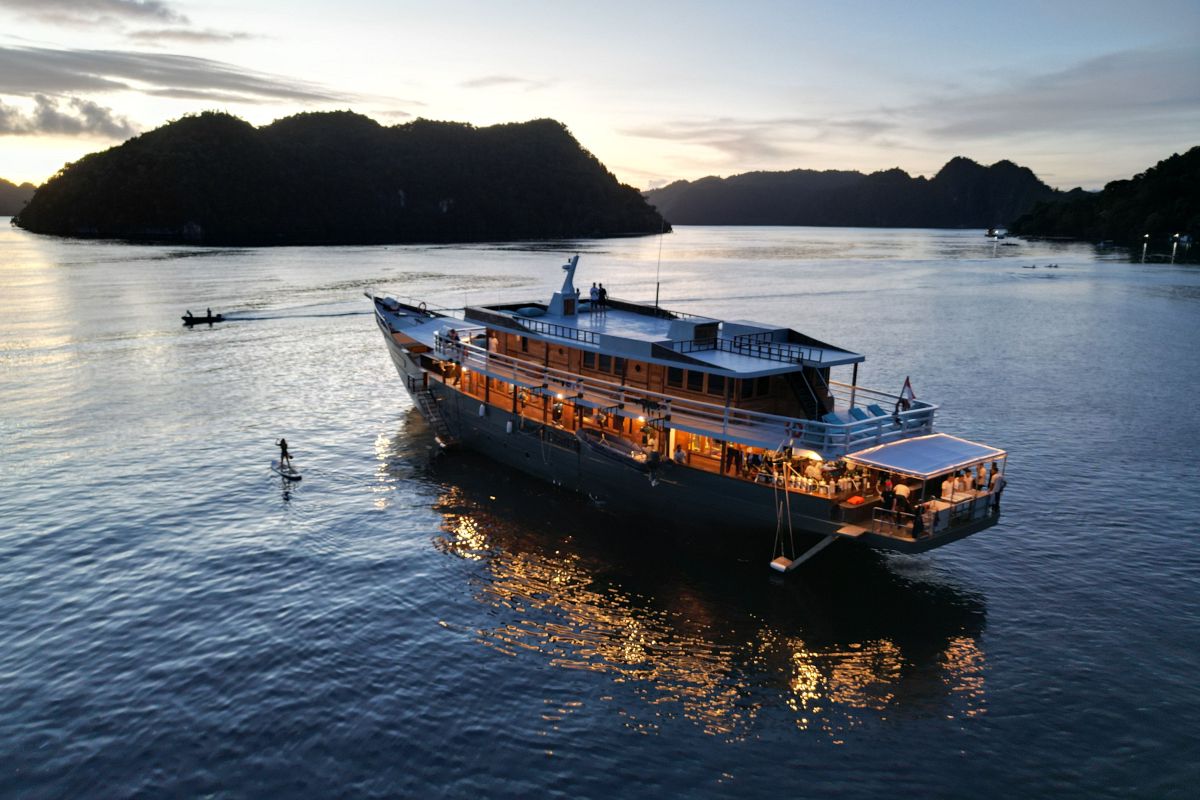 Emperor HarmoniRaja Ampat, Indonesia