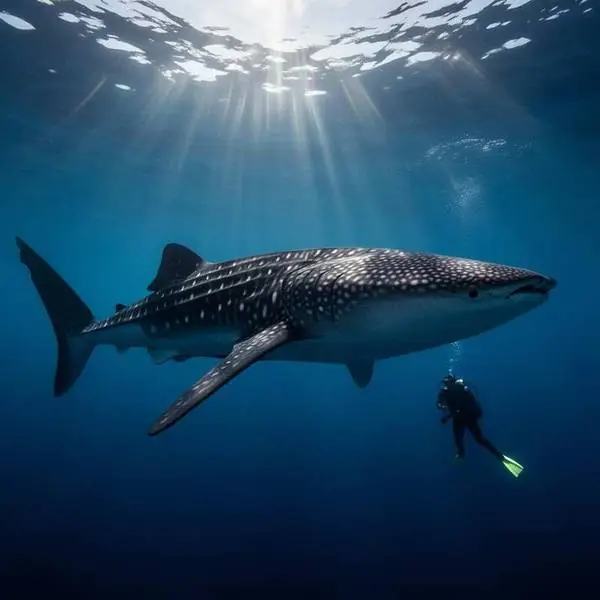
Standard is 12L AL80. Many boats also offer 15L steel tanks (often free) and twin-set/sidemount options for technical divers.
The default tank on virtually every liveaboard worldwide is the aluminum 80 cubic foot tank (commonly called AL80 or '12-liter') filled to 3000 psi (200 bar). It holds approximately 2,265 liters of breathing gas at the surface — enough for a 50–60 minute recreational dive at moderate depth for a typical air consumer.
Larger tanks for air hogs
If you breathe through air faster than average — bigger body mass, anxiety on dives, working hard against current — you'll burn through an AL80 in 35–45 minutes on most sites. Many operators offer 15-liter steel tanks (often called LP120 or 'big steels') as a free upgrade. Steel tanks are heavier on the dive deck but buoyancy-compensate well underwater and give roughly 25% more gas. Worth asking for if you tend to come up first.
Smaller tanks for petite divers
Small body, low air consumption, gentle current — an AL63 or AL50 is sometimes available for women and very experienced divers who want minimum weight on the dive deck. Less common but available on request from many operators.
Twin-set and sidemount
Technical-focused operators in Mexico (cenote diving), Egypt (deep wreck dives at the Brothers and Thistlegorm), Truk Lagoon, and parts of Indonesia offer twin-set (manifolded twins) and sidemount configurations for tec divers. These are usually billed at a daily premium and require advance arrangement plus appropriate certification (Intro to Tech, Tec 40, or higher).
Stage cylinders for decompression
Tec divers using stage decompression cylinders (typically 7-liter aluminum or 11-liter steel) need to confirm in advance that the operator supports stage gas (Nitrox 50 or oxygen) and has the appropriate cylinders or whether you need to ship your own. Most operators do not support tec gases by default.
Connectors and valves
The DIN/Yoke debate is solved with adapters — most operators provide INT-to-DIN adapters on request, but if you have a DIN-only first stage, confirm tank availability or bring your own adapter. K-valves (single outlet) are universal on recreational tanks; H-valves (dual outlet) are sometimes needed for sidemount or twinset rigs.
Pony bottles
Some experienced divers carry a small bailout pony bottle (3-liter or 6-liter) clipped to their main rig as redundant gas. Most liveaboards permit this but few provide pony bottles on demand — bring your own if you want one.
Fill quality
All reputable operators monitor air quality with regular gas analysis (CO, hydrocarbons, water content). If you have concerns, ask to see the latest air analysis report, quality operators have it pinned to the dive deck.
