Why the boat you choose shapes your images
In 2020, I wrote about underwater photography safety and why no picture is ever worth a life. Since then, I've been taking my camera out on liveaboards and photographing animals — in addition to people — all over the world.
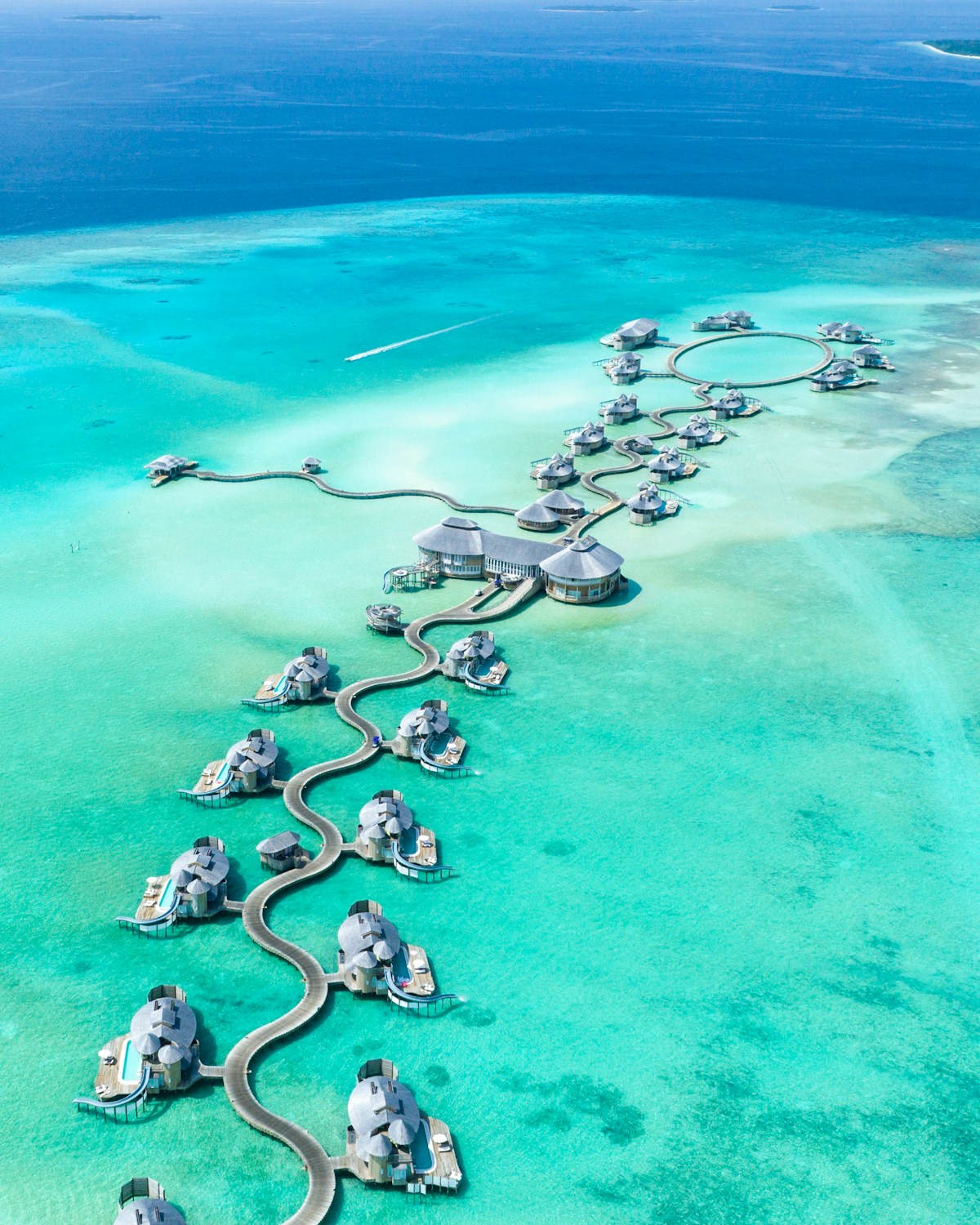
Over the past year, I've photographed from three very different boats: a luxury yacht in the Maldives, a rugged expedition boat in Socorro, Mexico, and a classic liveaboard in Egypt's Red Sea. Each one taught me something about how the boat you choose shapes the images you come home with.
Most liveaboard advice is written for divers. This is written for photographers: the people hauling housings, strobes and a bag of batteries, who care less about the thread count and more about whether their camera survives the trip.
Before You Book
Match the season to the animals you want. This is the single biggest factor in what you'll photograph. Animals follow migrations and seasons, and the same route can be spectacular one month and quiet the next. My August trip to the Maldives put me at Hanifaru Bay for manta feeding trains. In February in Socorro, we heard humpback whales singing at night and had the miraculous experience of photographing an oceanic manta at the same time as a whale shark — and the schooling great hammerheads. Check the season and migration timing for your target animals before you choose dates, not after. (Full disclosure: Blue Rides, the liveaboard booking platform I co-founded, lists season and migration information for its routes.)
Match the itinerary to your lenses. Big-animal destinations like Socorro and the Maldives' manta sites are wide-angle trips. Other routes lean macro. Knowing which before you pack saves weight and regret.
- Dedicated camera room: ask for photos of it. A booking page that says "camera-friendly" can mean anything. Ask to see the camera table, charging stations and storage. Nothing is more frustrating than arriving to find there is nowhere to safely store your very expensive gear.
- Dive schedule: how many dives a day? Are there night dives? Do any dives fall at sunrise or late afternoon for better light? How long are the surface intervals? That's your window for batteries and card swaps.
- Nitrox: nitrox is a gas mixture with a higher percentage of oxygen than regular air, typically 28–32%. Longer no-decompression times mean more time to work a shot. Find out whether it's included or extra. I highly suggest getting your nitrox certification if you plan on doing extensive underwater work — many divers report feeling less fatigued after a dive on nitrox vs air.
- Repeat sites: ask whether the crew will repeat a site. If the animals showed up, some crews will go back. Others stick strictly to the itinerary. If it's a scenic site with good light, I'm never mad about going back — I'm familiar with it and often capture better images the second time.
On Board
Keep your camera out of the communal rinse tank. Shared tanks fill with masks, computers and fins, and housings get knocked around and scratched. Ask whether the boat has a dedicated camera rinse tank. I always take care of my own gear and recommend getting a bag that can be filled with fresh water — I have one with a drain in the bottom that makes an excellent personal rinse tank.
- Camera tables and charging ports: you want a dedicated space to assemble, charge and maintain gear, not a corner of your cabin or the dining table where others may bump into it.
- Secure storage: there are two risks — rough weather, when anything not secured can slide or fall, and port days, when gear can disappear. Ask where cameras are stored at sea and in port, and who has access.
- Power setup: check the outlet type and voltage, and how many outlets you'll have in your cabin and the camera room. Ask before packing a power strip; some boats have rules about them. I can't tell you how many times I've made the mistake of assuming a specific type of outlet. Now I usually pack some general adapters and a battery bank too.
- Prevent fogging: air-conditioned cabins and humid decks are hard on housings. Close your housing in a cool, dry space and pack desiccant. I ruined all of my most magical whale shark photos because I was in a hurry, brought my camera from the air-conditioned interior to the humid outdoors and sealed it before it could adjust.
- Bring spares: O-rings, grease and a small parts kit. On a remote trip, there's no camera shop for days. Better to have it and not need it, than need it and not have it.
- Back up every night: many boats have limited or no internet. Bring drives and back up your cards each evening instead of counting on the cloud. If you can, shoot dual memory cards and swap in fresh ones every day or two — if a card corrupts, you don't lose all your images.
In the Water: Talk to Your Divemaster
The group you dive with can matter as much as the boat. Before the first dive, talk to the divemaster about what you need as a photographer. This isn't about being a diva. It's about providing both yourself and the other divers with the best experience possible.
Ask early, ideally at the first briefing, so the crew can plan the groups around it.
- Ask for a group with room to work: you want time to wait for the shot and leeway to drift away from the group for a moment, within safe limits, rather than being herded along at someone else's pace. This may not be feasible in challenging conditions such as strong current, so be prepared to accept a "no" sometimes.
- Ask for fewer photographers in your group: several cameras on one subject means crowded frames and spooked animals. And nothing upsets me more than being with a less experienced photographer who gets "lost in the lens" — that often leads to ignoring safe depth profiles or chasing animals, both of which can have major consequences.
- Ask about an advanced group: I prefer diving with more experienced divers. Strong buoyancy and air consumption across the group usually mean longer, calmer dives and fewer disturbances to the scene. On one trip I had such an advanced group that every single diver worked as a team of eight — people pointed out animals, we swapped positions as primary photographer, people shared extra gear. It was truly wonderful.
Getting On and Off the Tender
In Socorro, I learned this one the hard way. Getting off the dinghy in rough water, with a tank on my back and my camera in my hands, I fell and smashed my knee. Being that far from home made it genuinely scary. The crew took amazing care of me. I know many of us prefer to do it all and are scared to hand off our cameras, but this was a valuable lesson in learning to trust and rely on others.
It's the same rule I wrote about in 2020, turned on myself: no picture is worth a life — or a knee.
- Never climb with your camera: hand it to the crew before you get on or off the tender, and take it back once you're settled.
- Agree on the handoff during the briefing: know who passes the camera, where they'll hold it and when you'll get it back.
- Ask how cameras ride on the tender in rough water: where are they stored, and who's responsible for them between the boat and the dive site?
Travel Logistics and Local Rules
- Check lithium battery rules every trip: airlines and regulators set strict rules for spare batteries in carry-on versus checked bags, and those rules change. Check the current FAA guidance and your airline's policy before each trip rather than relying on what worked last time.
- Watch for weight limits on connecting flights: domestic flights and seaplanes, like those used to reach many Maldives boats, can have stricter baggage limits than your international flight. Confirm with your operator for your specific route.
- Insure your gear separately: dive accident insurance generally doesn't cover your camera. Check whether your policy covers your gear overseas and underwater.
- Check for flash and strobe restrictions: some protected sites limit strobe use or how close you can get to animals. Ask your operator or the local park authority before you go.
Final Thoughts
The right liveaboard won't take the picture for you. But the wrong one can cost you the shot, your gear, or worse. Pick your dates around the animals, ask hard questions about the camera setup, talk to your divemaster early, and hand off that camera before you climb.
Don't forget to take some moments to put your camera down and just live in the moment. We are so fortunate to get to experience these places and creatures that few others ever get to see. Don't forget that the best lens is your own eyes.