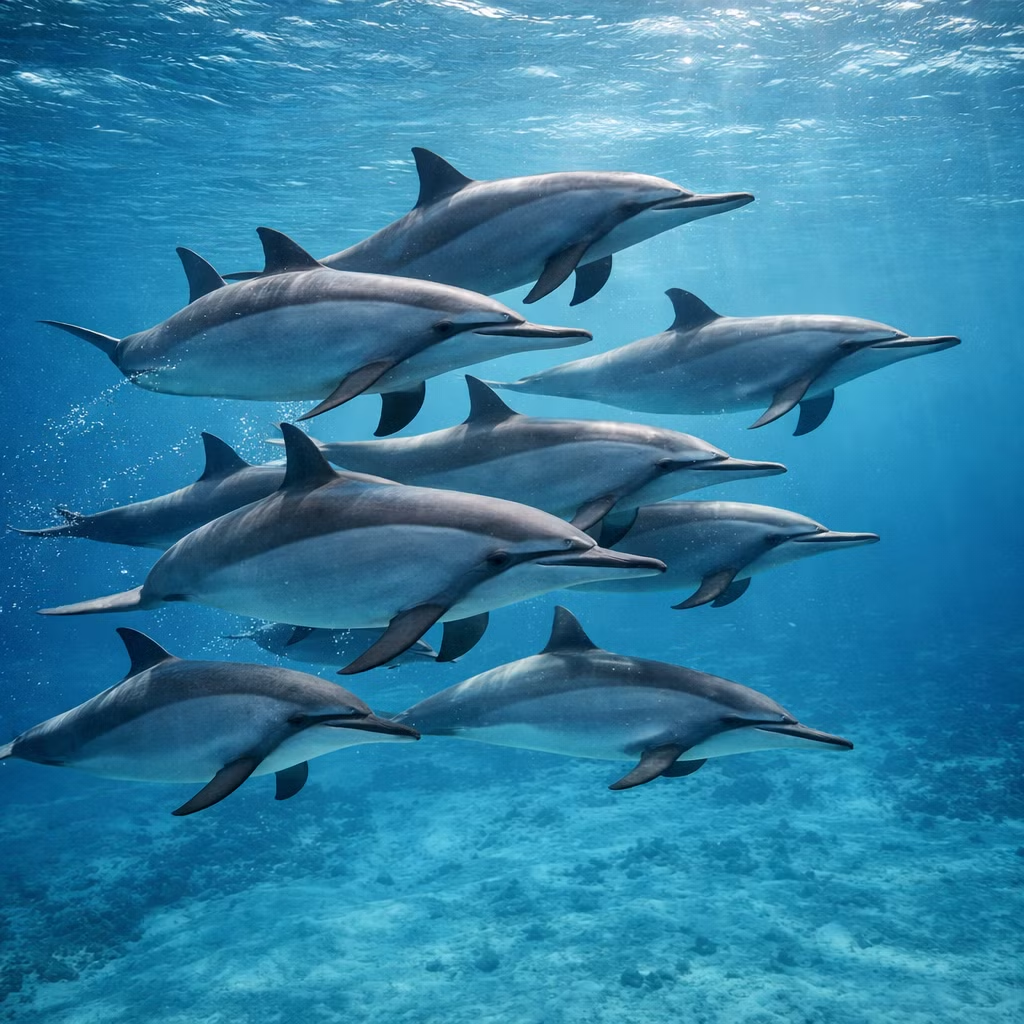
Best Liveaboards for Spinner Dolphins
Go where the action is: ride with the world's most acrobatic dolphins on these top-tier liveaboards.
To reliably encounter Spinner Dolphins in the wild, you need to go where they congregate. Liveaboards are the key, accessing remote hotspots untouched by day boats. The most famous destinations include the southern Red Sea in Egypt, particularly at reefs like Sataya and Samadai, known as 'Dolphin Houses'. The central and southern atolls of the Maldives are another prime location where large pods use channels and lagoons to rest and socialize. For a wilder, more open-ocean experience, Costa Rica's Cocos Island is a magnet for pelagic life, including large groups of spinners often seen during crossings and around the island's dramatic pinnacles.
A liveaboard is the ideal platform for spinner dolphin encounters. It allows you to be on-site at dawn and dusk when the animals are often most active, transiting between their resting and feeding grounds. Operators specializing in these routes time their seasons and itineraries to maximize your chances. Their expert guides provide crucial briefings on dolphin behavior and the rules for ethical, passive interaction. This list was curated by selecting vessels with proven track records in these specific regions, operated by crews who respect the wildlife and know how to position divers for the best, most respectful encounters.
How to choose
The best regions and seasons for spinner dolphin encounters are well-defined. In Egypt's Red Sea, trips to the southern marine parks are excellent year-round, though the calmest seas and warmest weather occur from May to October. In the Maldives, the dry northeast monsoon season (December to May) offers the best visibility and conditions, with liveaboards often focusing on atolls known for dolphin activity. Cocos Island, Costa Rica, is a year-round destination, but the rainy season (June to November) often corresponds with an increase in overall pelagic sightings.
When choosing a vessel, prioritize one whose itinerary is specifically designed for these remote areas. Range is key, especially for reaching Cocos Island or the far southern Red Sea. Look for liveaboards with large, stable tenders (zodiacs or skiffs) for safe and quick deployment at dive sites, which can be crucial when a pod is sighted. Some boats are equipped with a hydrophone, which can sometimes help locate cetaceans by sound. A spacious dive deck is a major plus, allowing you to gear up without stress, and Nitrox availability is highly recommended to safely extend your bottom time on repetitive dives.
Itinerary length and cost vary by destination. A typical 7-night liveaboard in the southern Red Sea or the Maldives will range from $1,500 to $4,000 USD. These trips offer a great mix of reef diving and specific opportunities for dolphin encounters. An expedition to the much more remote Cocos Island is a bigger commitment, typically lasting 10 to 12 nights and costing between $5,500 and $7,500+ USD, reflecting the long ocean crossing and the logistical challenges of operating in such a pristine, isolated environment.
Ethical encounters are paramount. The golden rule is 'let them come to you'. Never chase, touch, or block the path of the dolphins. Avoid making sudden movements or loud noises in the water. One of the biggest mistakes divers make is swimming frantically towards a pod, which almost always causes them to depart. A pro tip is to observe their behavior from a distance first: if they are in a tight group, moving slowly, they are likely resting and should be given space. If they are active and dispersed, they may be more inclined to investigate calm, stationary divers. Always follow your guide’s instructions; their expertise is your best tool for a memorable and respectful interaction.
Frequently asked questions
Where is the best place to dive with Spinner Dolphins?
What is the best time of year to see Spinner Dolphins on a liveaboard?
Do you need advanced certification to dive with Spinner Dolphins?
How much does a Spinner Dolphins liveaboard trip cost?
Are encounters guaranteed?

Ready to dive with these animals?
Go where the action is: ride with the world's most acrobatic dolphins on these top-tier liveaboards.