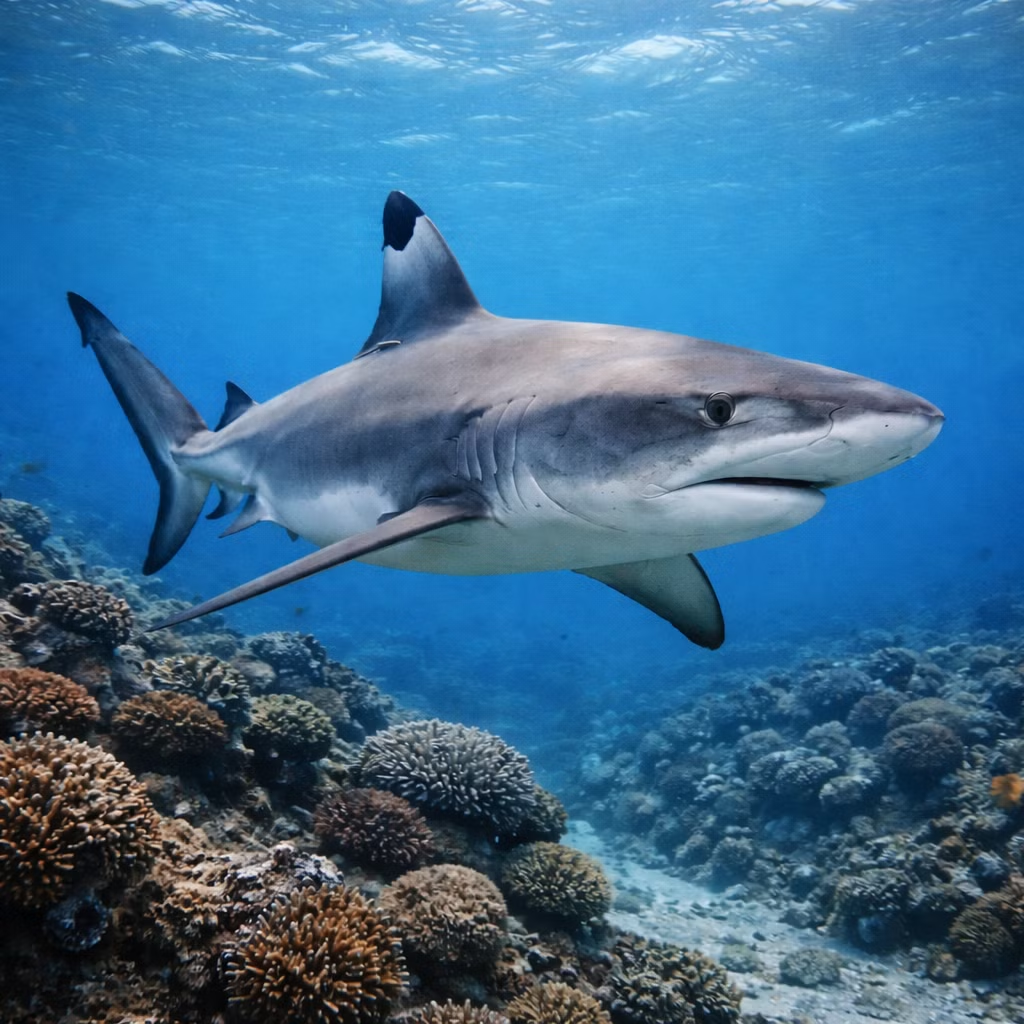
Best Liveaboards for Grey Reef Sharks
Dive the world's most action-packed channels for unforgettable encounters with Grey Reef Sharks.
To reliably encounter Grey Reef Sharks, you need to head to the planet’s most current-swept reef passes and channels. Liveaboards are the key to unlocking these remote hotspots. World-class destinations include French Polynesia's Tuamotu Atolls, particularly the passes of Fakarava and Rangiroa, which are legendary for their walls of sharks. Other prime locations are the southern atolls of the Maldives, Palau's famous Blue Corner and German Channel, and the offshore reefs of Southern Egypt and Sudan in the Red Sea.
A liveaboard is the ideal platform for these expeditions. It allows you to be on-site at the precise tidal windows when shark activity peaks, often at dawn or dusk in remote locations inaccessible from shore. Liveaboards can cover vast distances between atolls or reef systems to follow the best conditions. This curated list is based on itineraries that consistently visit these proven shark aggregation sites, combined with operators known for their experienced shark-savvy guides and well-executed dive plans.
How to choose
The best time and place for Grey Reef Sharks varies. In French Polynesia, encounters are excellent year-round, but the grouper spawning event around the full moon in June and July at Fakarava's south pass creates a shark spectacle. For the Maldives, the northeast monsoon from January to April brings clear waters and concentrated shark action to the southern atoll channels. Palau’s dry season (October to May) generally offers the best conditions. In the Red Sea, spring (March to June) and autumn (September to November) are ideal for trips to Sudan or Egypt's southern reefs like Daedalus and the Brothers Islands.
When choosing a vessel, prioritize one with a proven track record in open-ocean conditions. Because these dives often happen in strong currents, sturdy and powerful dive tenders (zodiacs, RIBs, or dhonis in the Maldives) are non-negotiable for safe drop-offs and pick-ups. Nitrox is almost essential; dives are often planned between 25-30 meters (80-100 feet) and the extended no-decompression limits will significantly enhance your time observing the sharks. A spacious, well-organized dive deck also makes a huge difference when gearing up for logistically demanding dives.
Typical liveaboard itineraries focusing on these shark-rich destinations run from 7 to 10 nights. This duration allows enough time to travel to remote sites and conduct multiple dives at key locations under varying tidal conditions. In terms of cost, expect a price range of approximately $2,500 to $6,000 USD per person. The lower end represents budget-friendly options in the Red Sea, while the higher end reflects premium vessels in sought-after destinations like French Polynesia and Palau, especially during peak seasons.
Ethical encounters are based on passive observation. The golden rule is to never chase, corner, or attempt to touch a shark. Many dives involve using a reef hook (where permitted) to hold your position in the current, allowing the sharks to cruise past you naturally. Listen carefully to your guide’s briefing; they will position the group for optimal viewing without disturbing the animals. A common mistake is target fixation, staring at your camera screen or one shark and losing situational awareness of your depth, gas supply, and dive buddy. Stay calm, stay with the group, and enjoy the show.
Frequently asked questions
Where is the best place to dive with Grey Reef Sharks?
What is the best time of year to see Grey Reef Sharks on a liveaboard?
Do you need advanced certification to dive with Grey Reef Sharks?
How much does a Grey Reef Sharks liveaboard trip cost?
Are encounters guaranteed?

Ready to dive with these animals?
Dive the world's most action-packed channels for unforgettable encounters with Grey Reef Sharks.