About Ras Za'atar
Ras Za'atar is a prominent dive site situated within the Ras Mohammed National Park, marking the southern entrance to the expansive Marsa Bareika Bay. It holds significance as the northernmost dive location in the park, directly across from Ras Ghozlani. The site is renowned for its captivating underwater lighting, which is particularly striking in the afternoon, creating an atmospheric experience as light beams penetrate the reef structure. Diving at Ras Za'atar typically commences along a steep wall, which is adorned with numerous open caverns, cracks, and overhangs that offer diverse topography. As you descend, around 15 to 18 meters, a notable vertical chimney can be explored, where sunlight creates dramatic reflections. The wall eventually transitions into a large plateau near a distinct corner, characterized by vibrant reef structures. This rich ecosystem attracts a variety of marine life. Divers frequently encounter cruising sharks in areas with stronger currents, while the reef itself hosts colorful coral heads, sea fans, and gorgonians, with occasional black coral sightings. Common sightings include angelfish, barracuda, butterflyfish, eagle rays, groupers, and jackfish. Green and hawksbill turtles are also seen, particularly in summer months. Most dives here are conducted as drift dives, accessible solely by boat. The site features moderate to strong currents, especially around the plateau, necessitating attention to current conditions. Visibility is generally excellent, contributing to a rewarding experience for intermediate to advanced divers.
Highlights
Dramatic afternoon lightingOpen caverns and overhangsVertical chimney explorationPelagic shark encountersVibrant gorgonian and sea fan displaysTransitioning wall to plateau
Season calendar
Best months to dive here
Jan
Feb
Mar
Apr
May
Jun
Jul
Aug
Sep
Oct
Nov
Dec
Excellent
Good
Mar – May & Sep – Nov (Peak)
Best conditions with 30m+ visibility, comfortable water temps 24–28°C. Hammerhead sharks at Brothers, thresher sharks at Elphinstone.
Jun – Aug & Dec – Feb (Shoulder)
Jun–Aug: hot topside but warm water, good for southern routes. Dec–Feb: cooler water (21–23°C) attracts oceanic whitetips at Elphinstone. Still excellent visibility.
Dive site facts: Ras Za'atar
- Depth
- 15–30 m
- Current
- Strong
- Entry
- Liveaboard or dayboat
- Level
- Advanced
- Dive type
- Wall, Cave & cavern, Drift, Reef
- Region / port
- Egypt
- Coordinates
- 27.7780° N, 34.2490° E
Conditions & Currents
Ras Za'atar is known for its currents, which can be moderate to strong, especially around the plateau area where the wall turns. These nutrient-rich currents are a key factor in attracting larger pelagic species, particularly sharks. Dives are typically conducted as drift dives, meaning divers enter the water from a live boat and are carried along the reef by the current, being picked up at a different location. A negative entry might be necessary depending on surface conditions and current strength. Visibility is generally excellent, often ranging between 15 and 40 meters, though occasional fluctuations may occur. There are no reported thermoclines or significant surge issues. Given the potential for strong currents and the nature of drift diving, this site is best suited for intermediate to advanced divers who are comfortable managing currents and executing drift techniques.
Why dive Ras Za'atar from a liveaboard?
Ras Za'atar is one of Egypt's signature dive sites. A liveaboard sleeps you on the water and puts you in the water for three to four guided dives per day, including dawn and night dives that day-boat operators rarely offer. You skip the daily commute back to port and reach quieter, less-crowded sites in the same region on a single trip.
Below are the liveaboards that include Ras Za'atar on their Egypt itineraries.
Liveaboards diving Ras Za'atar
These liveaboards may visit Ras Za'atar on selected itineraries — the exact dive sites depend on departure, weather and conditions.
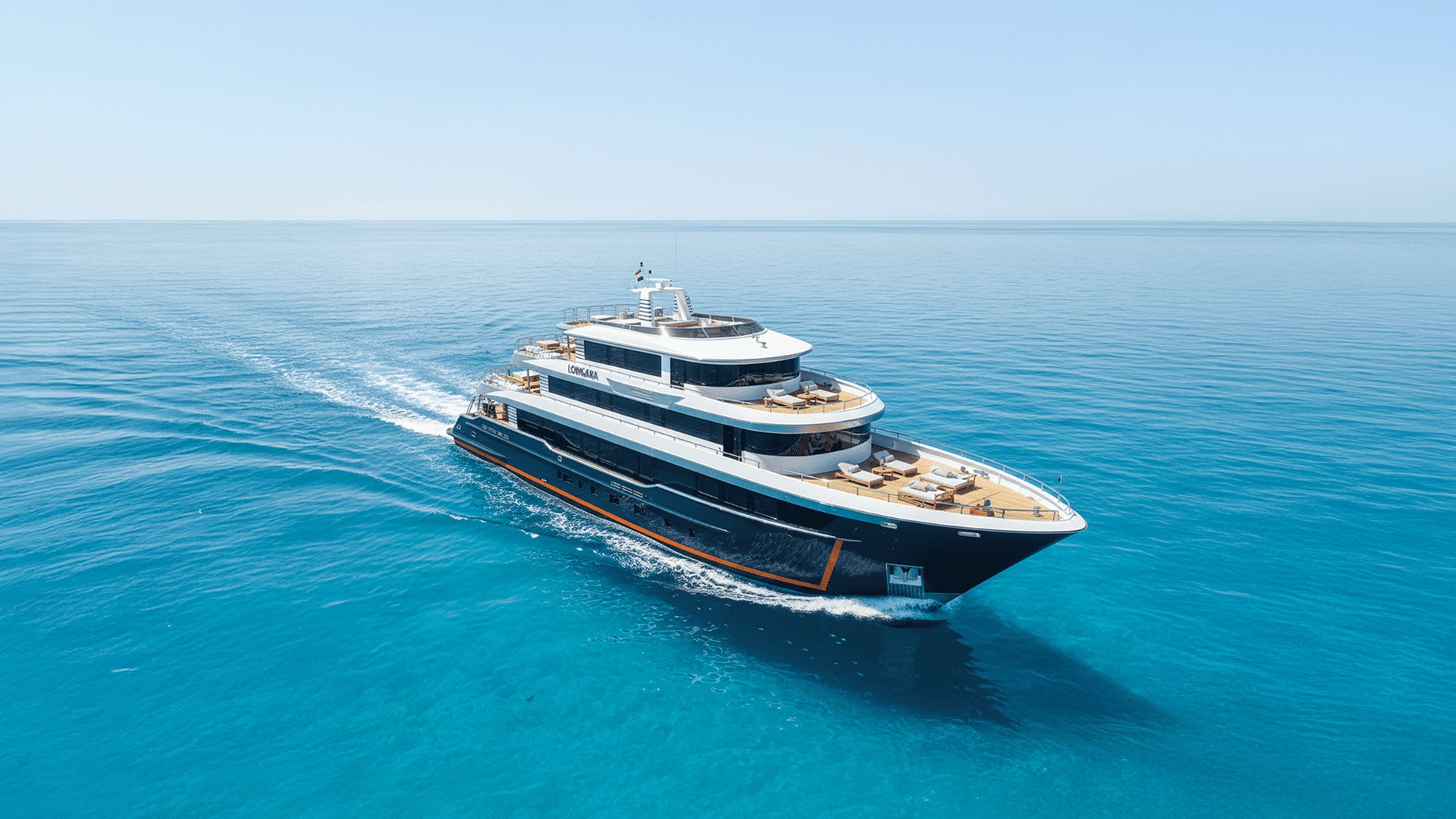
DUNE Longara
Egypt
30 guests
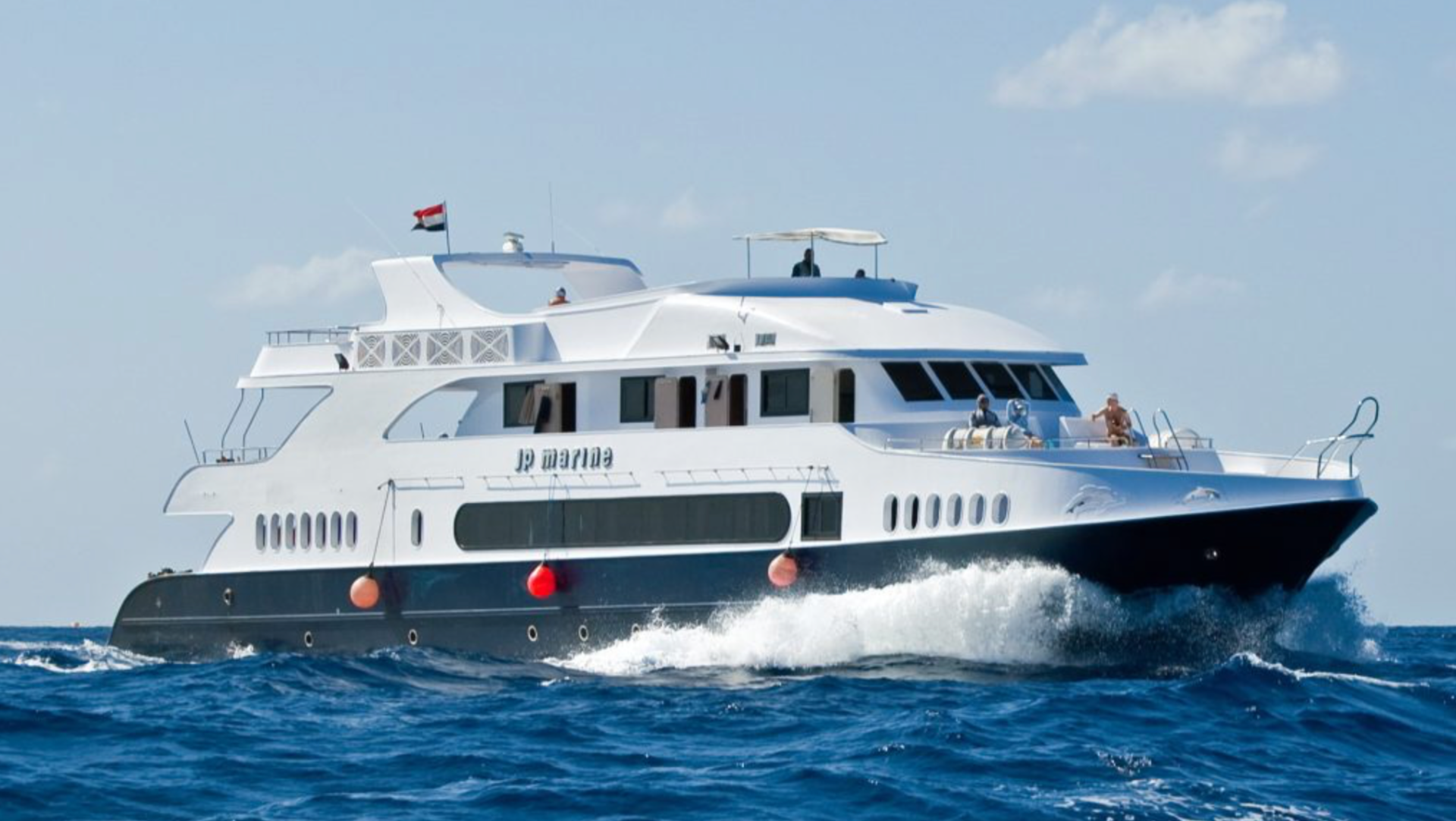
JP Marine
Egypt
28 guests
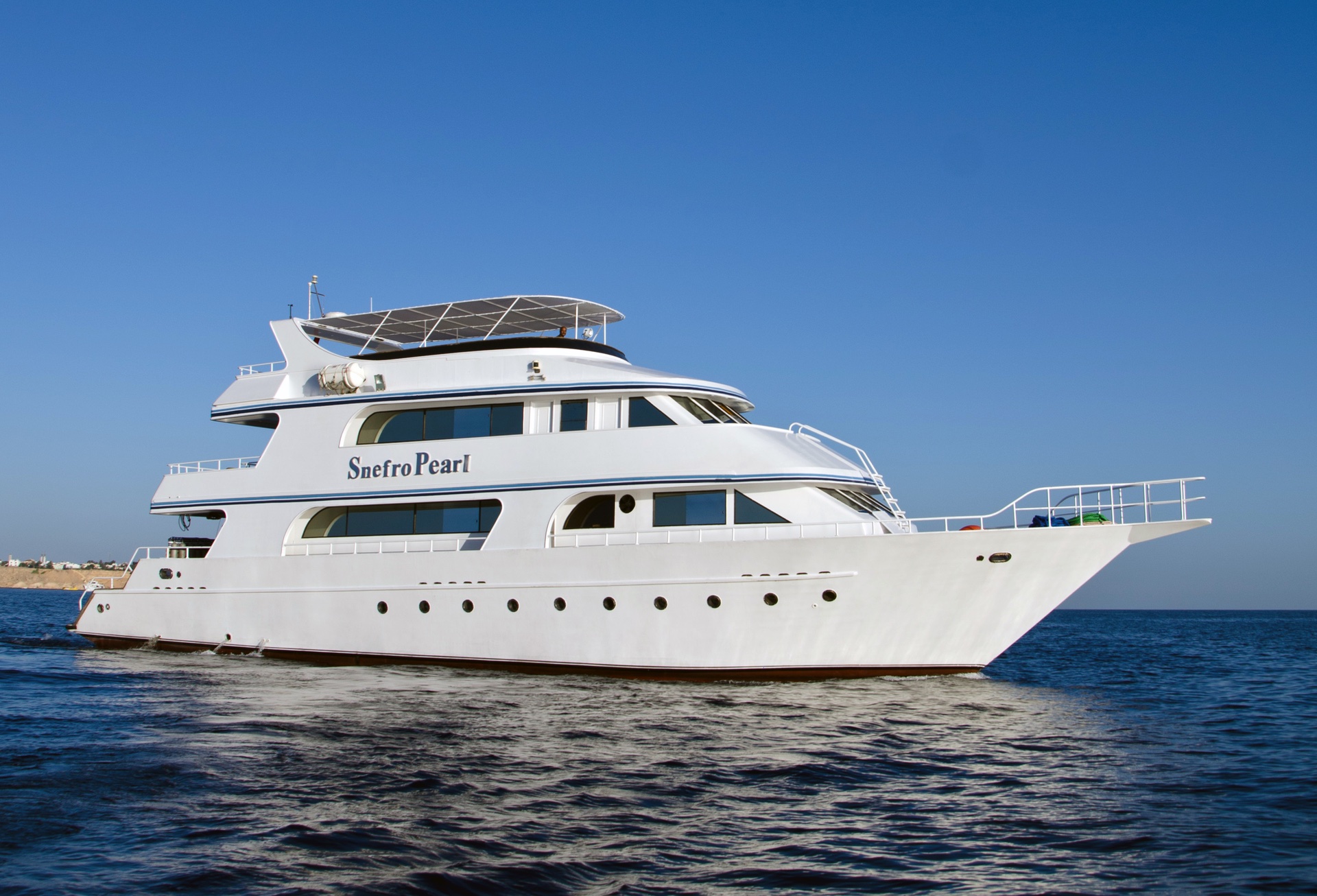
Snefro Pearl
Egypt
12 guests
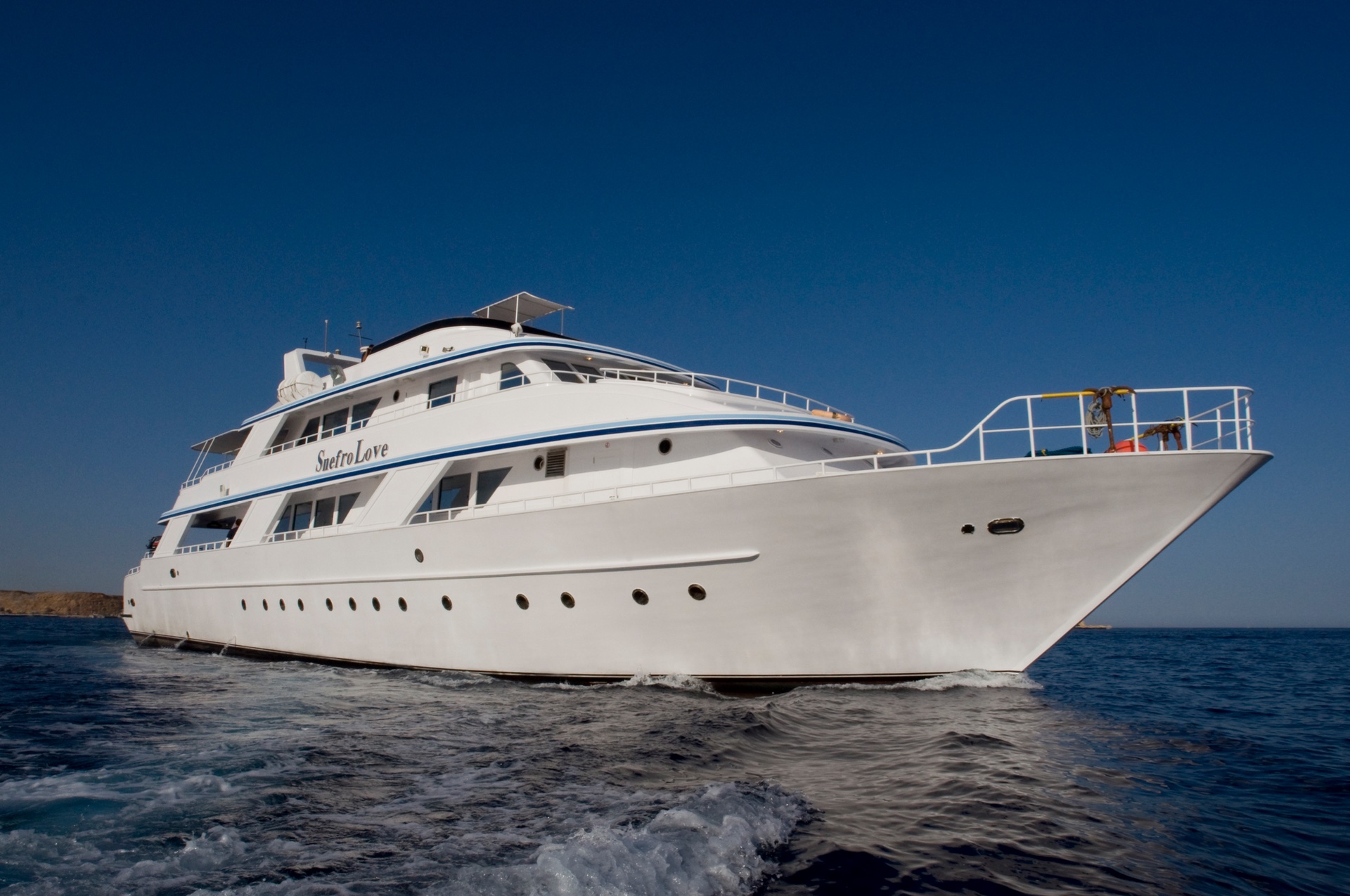
Snefro Love
Egypt
20 guests
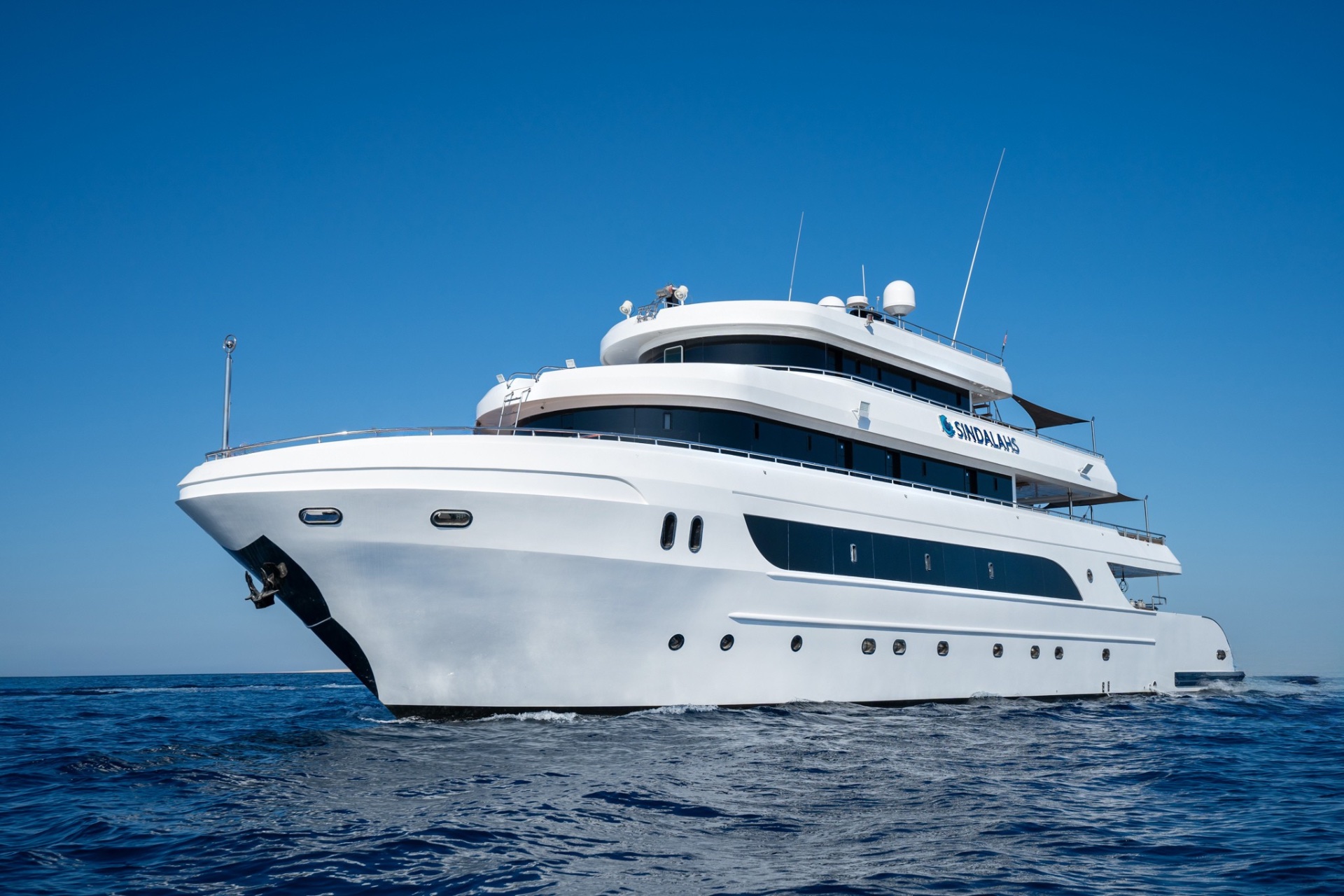
Sindalahs
Egypt
26 guests38 m
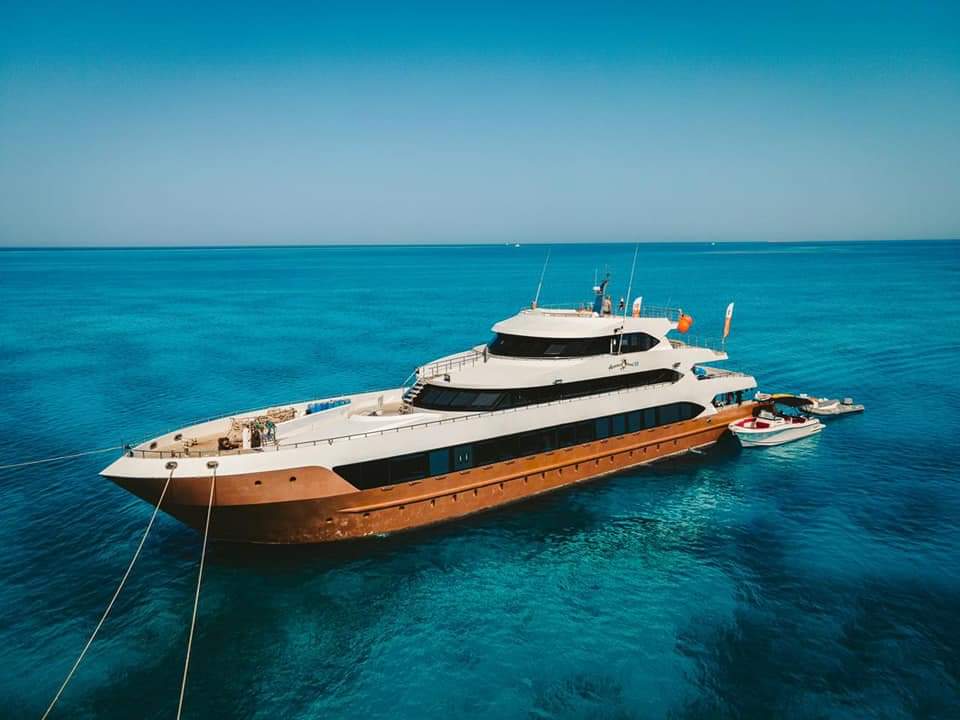
Hammerhead II
Egypt
20 guests
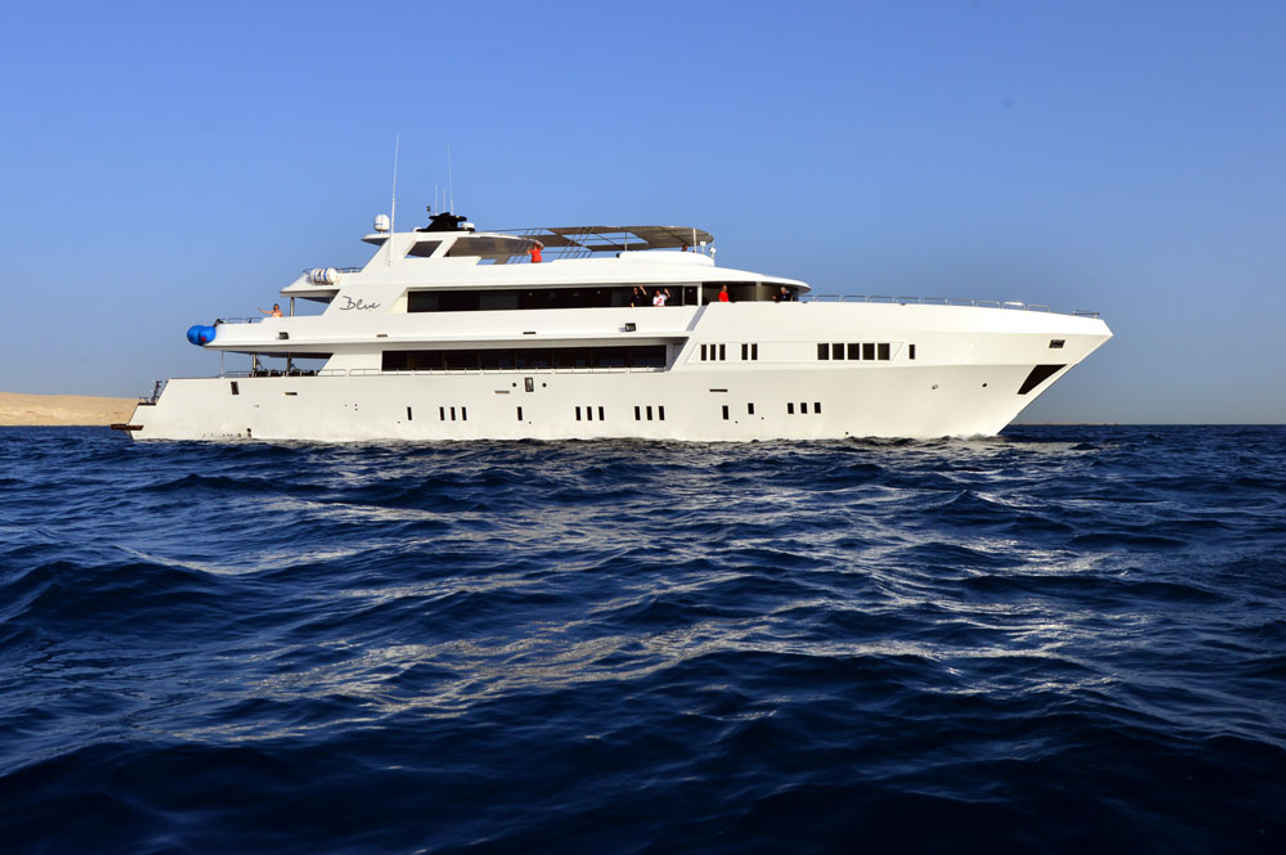
Blue Liveaboard
Egypt
24 guests43 m
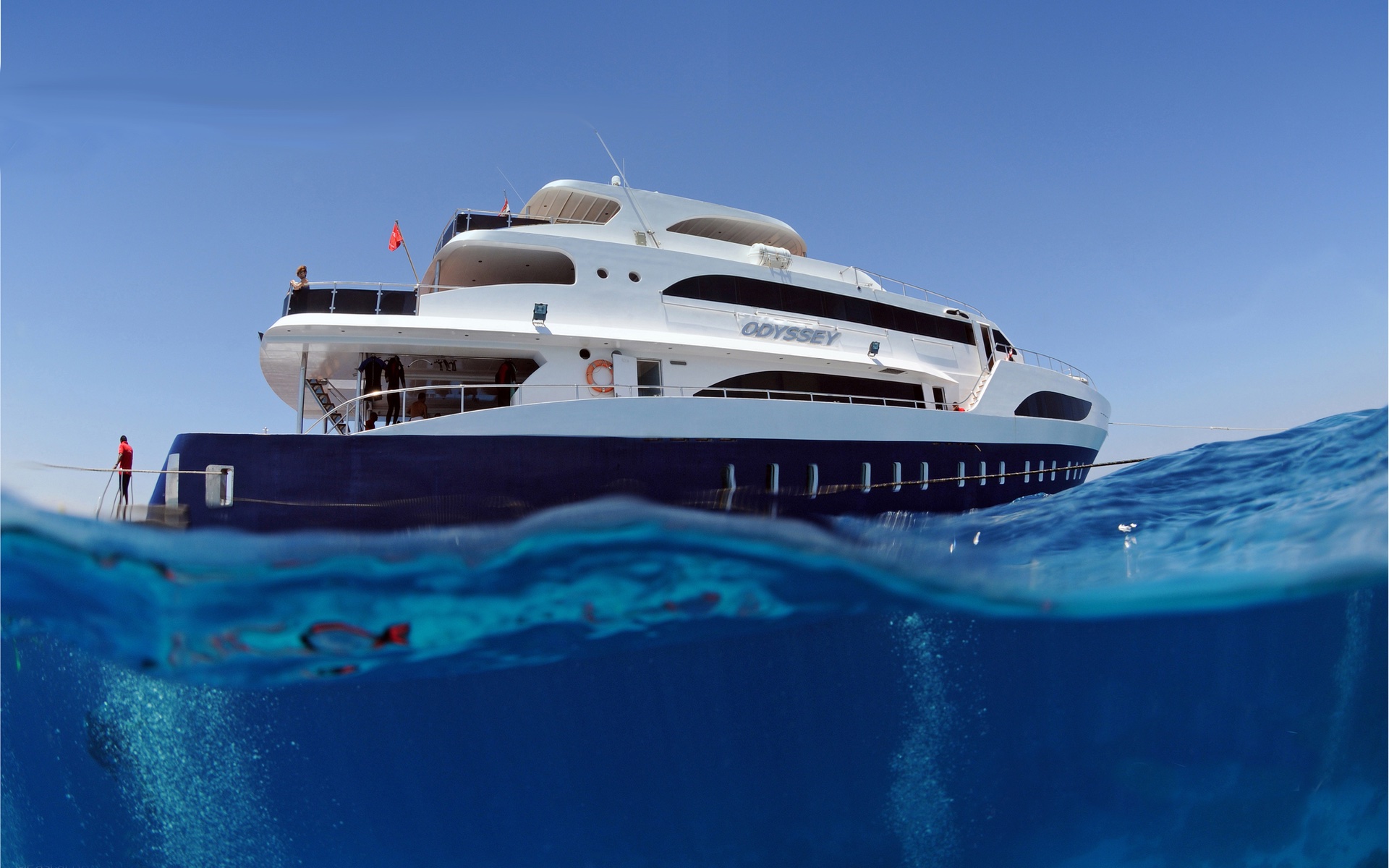
Odyssey
Egypt
26 guests40 m
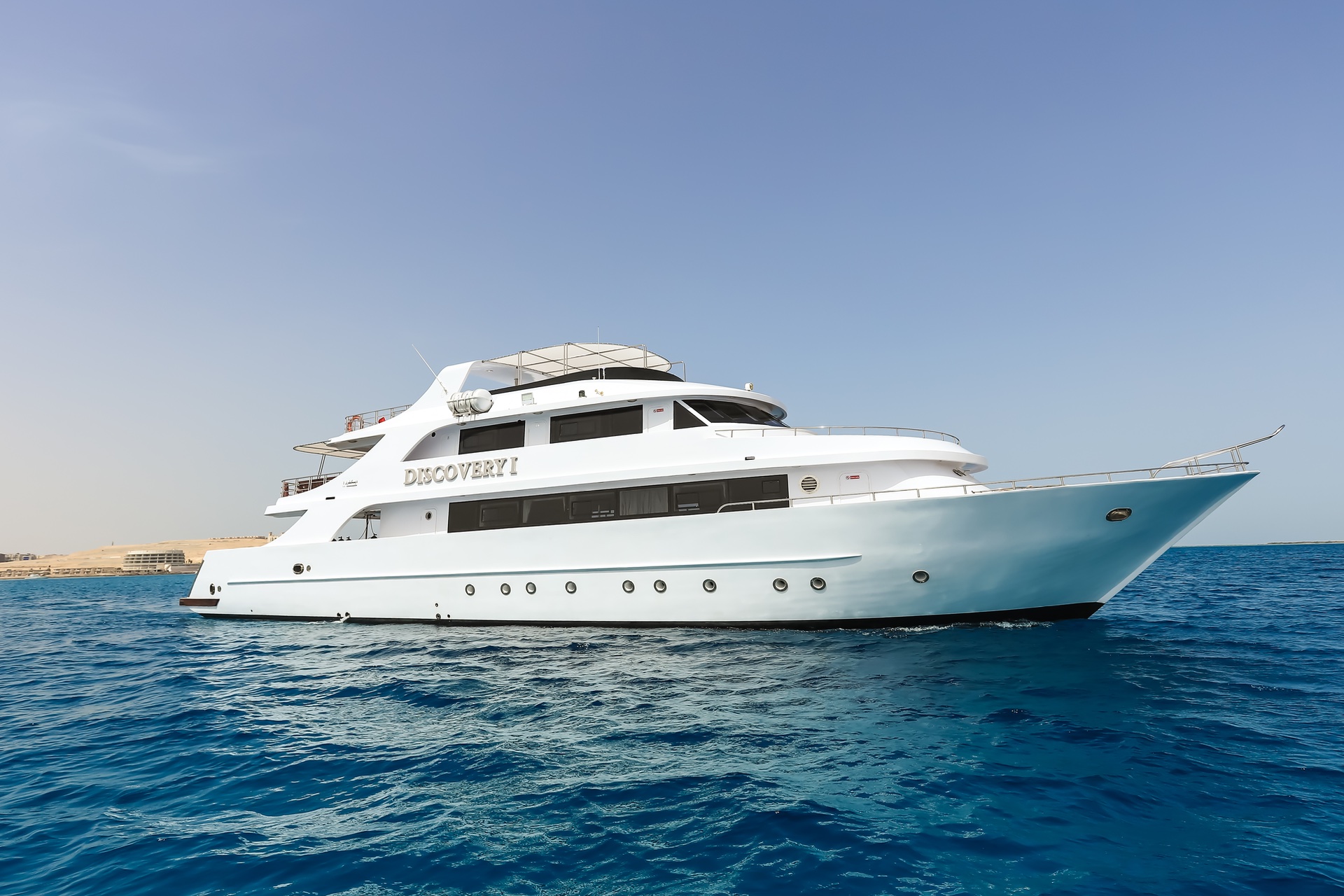
Discovery I
Egypt
20 guests
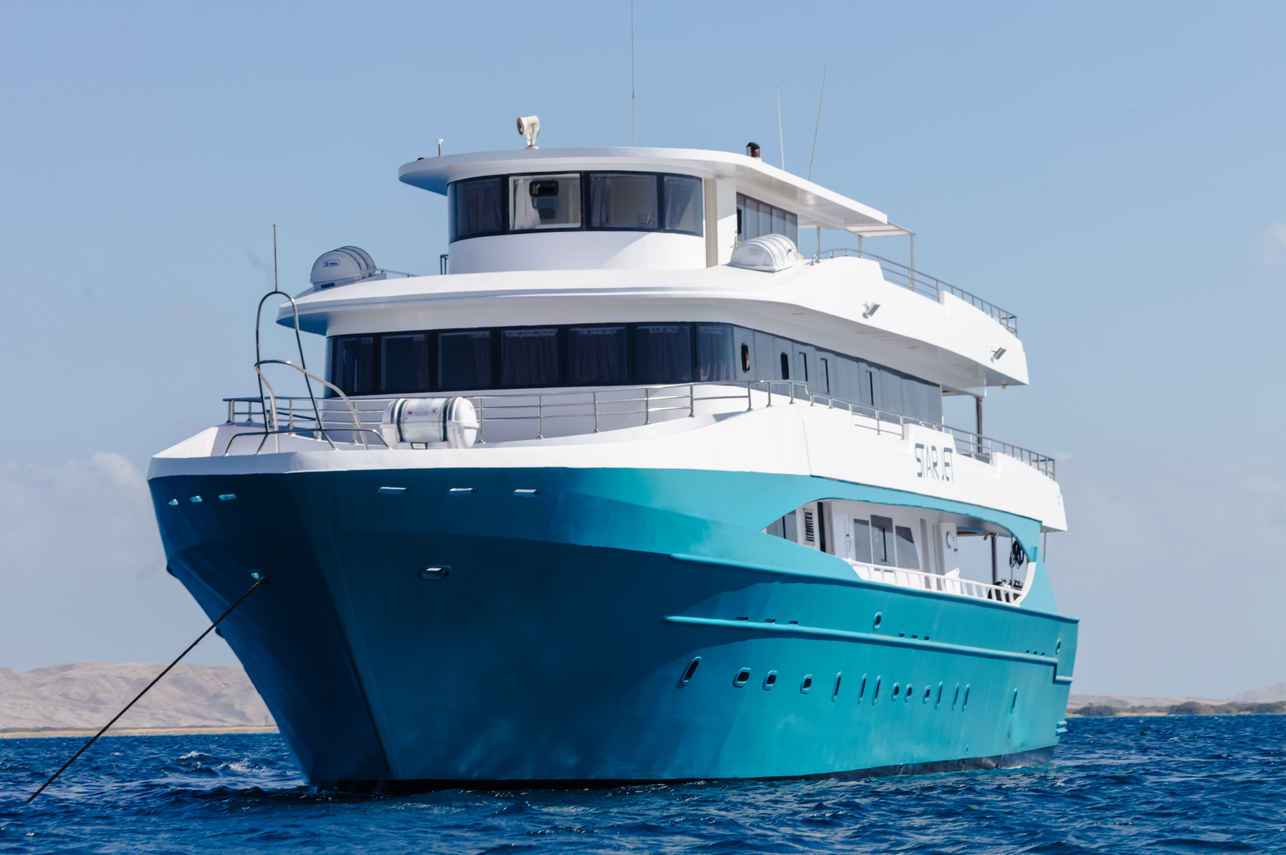
Star Jet
Egypt
28 guests35 m
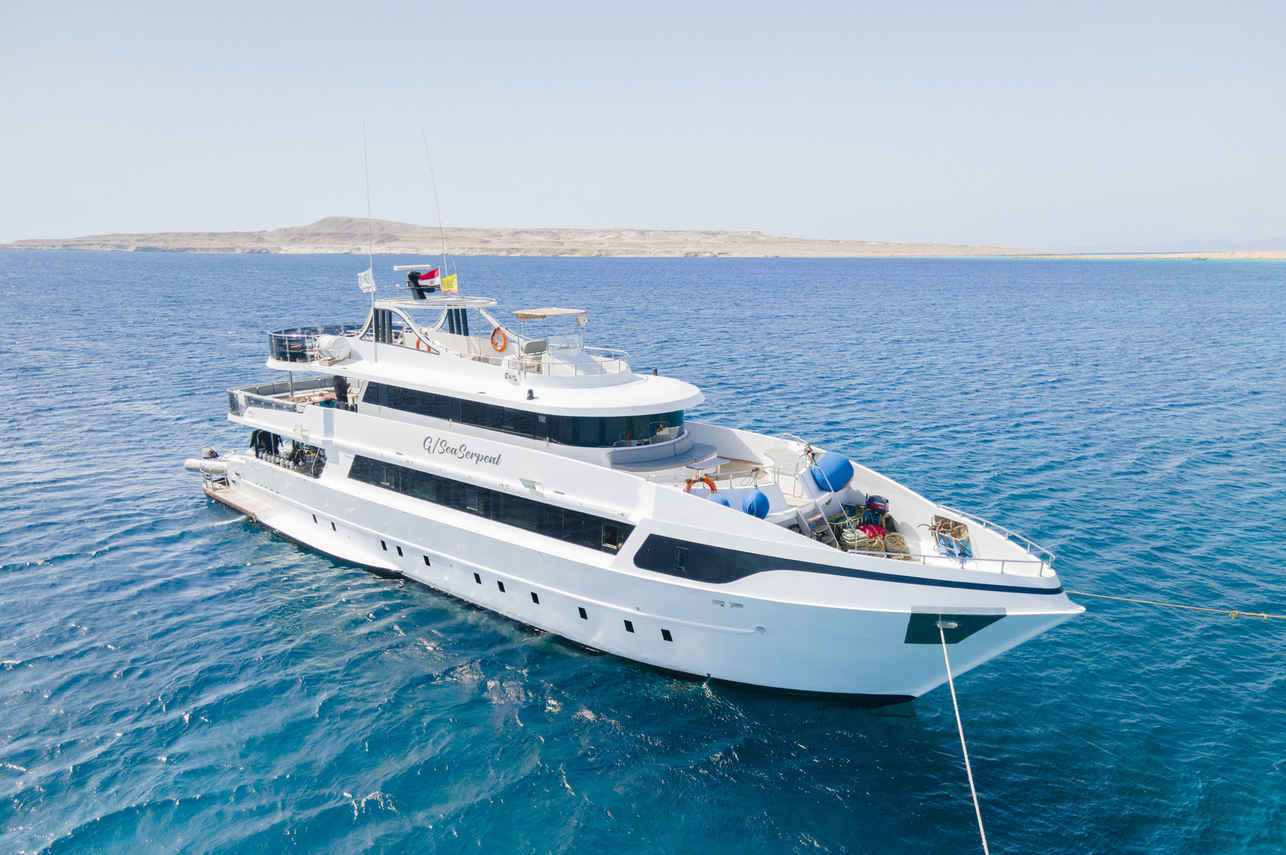
SS Serena Dreams
Egypt
18 guests33 m
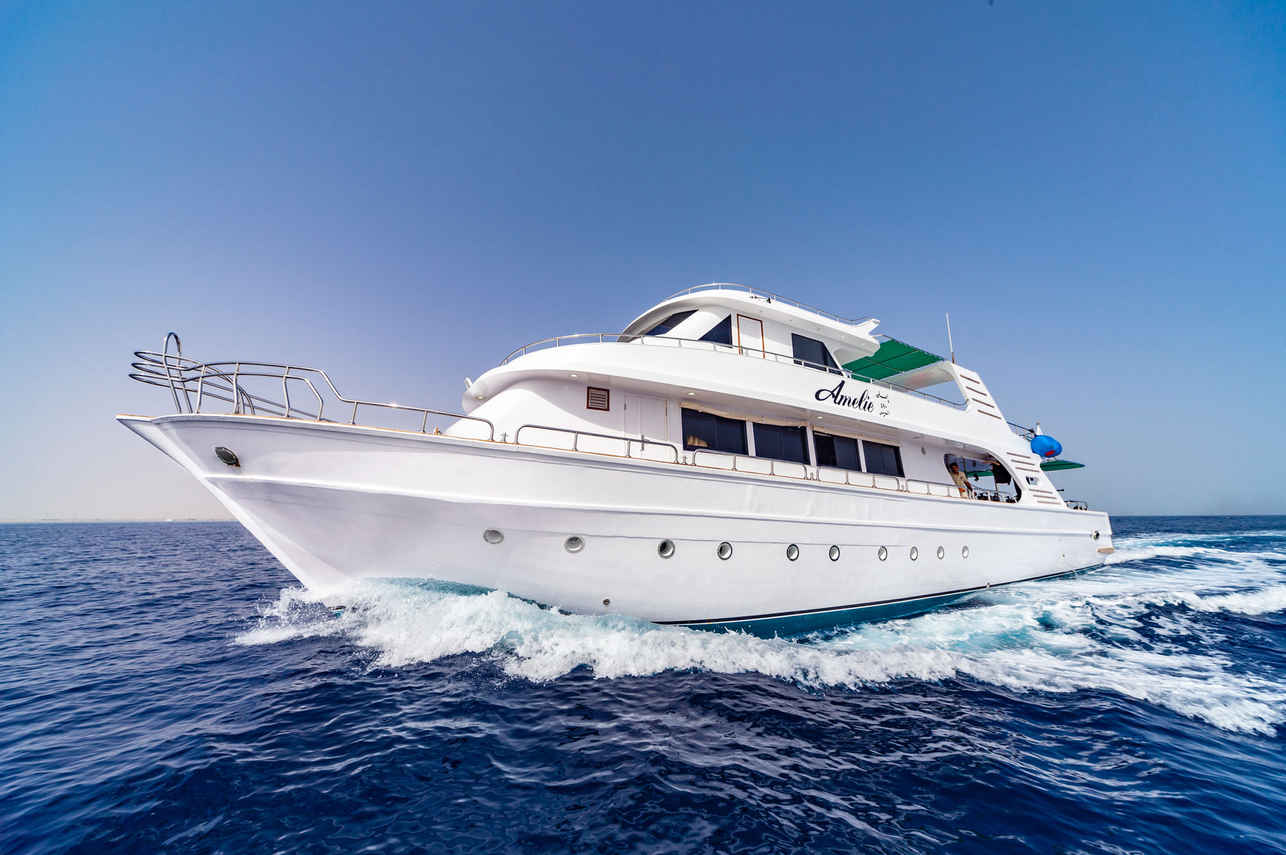
Amelie
Egypt
12 guests23 m
Dive sites similar to Ras Za'atar
Same character, same waters — six more sites divers love for the exact same reasons.Compare seasons, access and liveaboard routes — then pick the site that fits your trip best.
© Esri — Maxar, Earthstar, GIS
Abu Dabbab
Egypt
Abu Dabbab stands out as one of the Red Sea's most celebrated dive destinations, particularly notable for being a rare location where divers can encounter the endangered dugong.
- Suitable for
- Beginner
- Current
- Strong
- Access
- Shore / dayboat
- Depth
- 3–20 m
- Theme
- Reef
© Esri — Maxar, Earthstar, GIS
Abu Galawa
Saudi Arabia
Abu Galawa is a prominent dive site within Saudi Arabia's Red Sea, specifically located among the Seven Sisters reefs near Yanbu.
- Suitable for
- Intermediate
- Current
- Strong
- Access
- Liveaboard or dayboat
- Depth
- 5–40 m
- Theme
- Reef / Wall
© Esri — Maxar, Earthstar, GIS
Abu Galawa Kebir
Egypt
Abu Galawa Kebir is a premier dive site located in the southern Red Sea, situated on the northwestern edge of the extensive Fury Shoal reef system.
- Suitable for
- Beginner
- Current
- Strong
- Access
- Liveaboard or dayboat
- Depth
- 3–18 m
- Theme
- Wreck
Abu Nuhas, often called the "ship's graveyard" of the Red Sea, is a triangular coral reef situated at the northern edge of the Strait of Gubal.
- Suitable for
- Beginner
- Current
- Strong
- Access
- Liveaboard or dayboat
- Depth
- 4–24 m
- Theme
- Wreck
The Aida is a prominent wreck dive site located in the Egyptian Red Sea, frequently visited on liveaboard itineraries that traverse the central region between the northern and southern dive sites.
- Suitable for
- Advanced
- Current
- Strong
- Access
- Liveaboard only
- Depth
- 25–65 m
- Theme
- Wreck / Drift
© Esri — Maxar, Earthstar, GIS
Al Lith Mangrove Reef
Saudi Arabia
Al Lith Mangrove Reef, located approximately 210 km south of Jeddah, serves as the primary launch point for exploring the renowned Farasan Banks.
- Suitable for
- Beginner
- Current
- Strong
- Access
- Shore / dayboat
- Depth
- 3–15 m
- Theme
- Reef / Wall