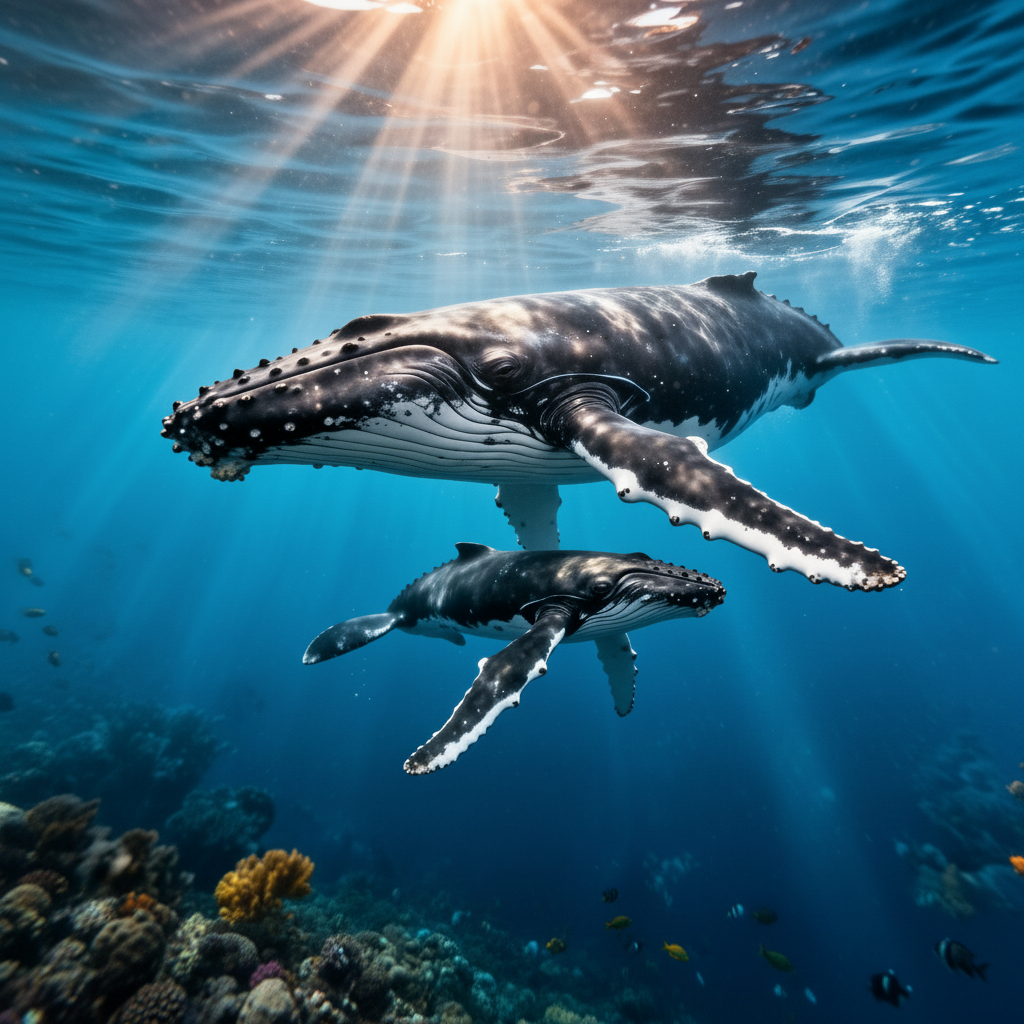
There are dive experiences, and then there are truly transformative encounters that etch themselves into the very fabric of your being. Few journeys offer the profound connection to the ocean's grandest spectacles quite like witnessing the annual humpback whale migration off the Pacific coast of Costa Rica. Imagine yourself immersed in the vibrant, life-affirming waters where these gentle giants nurture their young, a symphony of vocalizations resonating through the blue, creating memories that will resonate long after you've surfaced.
Why Humpback Whale Migration Belongs on Your Bucket List
The sheer scale and majesty of humpback whales, combined with the intimate setting of their breeding grounds, is what elevates this experience to a league of its own. Twice a year, these magnificent cetaceans embark on epic voyages, traversing thousands of miles from polar feeding grounds to the balmy, protected waters of Costa Rica. It's a journey driven by an ancient instinct to calve and court, transforming the vibrant coastline into a bustling nursery and an arena for their acrobatic displays. This isn't just about seeing a whale; it's about being present for a crucial chapter in their life cycle, a testament to nature's enduring cycles. You’re not just an observer; you’re a privileged witness to an ecological marvel.
What makes Costa Rica, specifically the area around Marino Ballena National Park, uniquely compelling is the convergence of two distinct populations: the Northern and Southern Hemisphere humpbacks. This geological serendipity creates an extended whale watching season, almost year-round, making it one of the most reliable places on Earth to connect with these leviathans. For the discerning underwater explorer, this means an unparalleled opportunity to observe mothers and their calves in relatively shallow, clear waters, often displaying behaviours rarely seen elsewhere. The "whale tail" formation of the famous sandbar at Marino Ballena isn't just a picturesque landmark; it's a symbolic embrace of the very creatures it's named after.
This experience appeals to a broad spectrum of ocean enthusiasts, from seasoned divers seeking profound wildlife encounters to avid naturalists and underwater photographers. While direct in-water interaction with humpback whales is strictly regulated and often prohibited to protect them, surface encounters are breathtaking. The sounds, the breaches, the tail slaps visible from the boat and sometimes even audible underwater, offer an unparalleled sensory immersion. It's an adventure suitable for anyone with a deep respect for marine life and a desire to witness one of the planet's most awe-inspiring migrations up close.
What You'll See and Do
While the primary stars of the show are undoubtedly the humpback whales, their presence enriches the entire marine ecosystem, offering a kaleidoscope of life for divers. In the warm, nutrient-rich waters of Marino Ballena National Park and surrounding areas, you'll encounter a vibrant tapestry of reef fish, from colourful parrotfish and angelfish to schooling snapper and grunts. Keep an eye out for white-tip reef sharks resting on sandy bottoms, graceful eagle rays gliding past, and majestic manta rays cruising in the blue. The rocky reefs and pinnacles are adorned with soft corals, sponges, and anemones, providing habitat for an array of smaller critically fascinating creatures like nudibranchs and crustaceans.
The true magic, of course, lies in the whale encounters. From the surface, you’ll be treated to spectacular breaches, where these enormous creatures launch their bodies almost entirely out of the water, crashing back down with an almighty splash. Tail lobs, where they slap their massive flukes on the surface, and pectoral fin slaps are common, often signalling communication within the pod. For those fortunate enough to be diving when whales are in the vicinity, their haunting vocalizations, known as songs, can permeate the water, creating an ethereal soundtrack to your dive. While direct underwater proximity is rare and responsibly avoided, the sheer scale of their presence and the reverberation of their calls are incredibly impactful.
Dive sites here are typically relatively shallow, ranging from 10-30 metres (30-100 feet), allowing for generous bottom times and excellent light penetration for photography. Due to the nature of the coastline, there can be mild to moderate currents, particularly around offshore rock formations. Dive styles often involve drift diving to cover more ground and increase the chances of encountering pelagic species. While the focus isn't on deep wreck diving or intricate coral gardens, the dynamic marine life and the potential for whale encounters make every dive an exciting prospect.
Best Time to Go
Costa Rica offers the unique advantage of two distinct humpback whale migration seasons, making it a prime destination for an extended period. The "Southern Herd" arrives from the Antarctic waters between July and November, with peak activity typically from August to October. Following this, the "Northern Herd" migrates down from the North Pacific, gracing Costa Rican waters from December to March, with the best viewing generally from January to February. This dual-season phenomenon ensures ample opportunity to experience this incredible natural event.
During these peak migration periods, water temperatures are wonderfully warm, typically ranging from 26°C to 29°C (79°F to 84°F). Visibility can vary depending on local conditions and plankton blooms (which attract the whales’ food source), but generally averages 10-25 metres (33-82 feet), occasionally reaching up to 30 metres (100 feet) on exceptional days. While currents can be present, particularly around exposed rocky outcrops and islands, they are generally manageable for experienced divers. The weather during these seasons mostly consists of warm, sunny days with occasional tropical showers, adding to the lush, vibrant atmosphere of the Costa Rican coast.
How to Dive Humpback Whale Migration
Access to the prime whale-watching and diving areas around Marino Ballena National Park is typically via day-boat operations. There are several reputable dive centres and tour operators based in Uvita and its surrounding towns. These outfits provide daily excursions, often combining whale watching from the surface with dedicated scuba dives at nearby reefs and rock formations. While traditional liveaboards primarily focus on more remote destinations like Cocos Island, day-boat charters offer the flexibility and direct access needed for this specific experience.
To fully enjoy the diving opportunities in Costa Rica, an Open Water Diver certification is the minimum requirement. However, we highly recommend an Advanced Open Water Diver certification for access to a wider range of sites and to feel more comfortable in potential currents. Experience in drift diving is certainly beneficial, and while not strictly mandatory, Nitrox certification is advisable for extending bottom time safely, especially for those who wish to spend more time observing the vibrant reef life. A minimum of 20-30 logged dives is recommended to ensure you are comfortable and proficient in various conditions. For gear, a 3mm shorty or full wetsuit is usually sufficient given the warm water temperatures. Make sure to bring a good quality mask, fins, and snorkel, and consider a compact underwater camera to capture the stunning marine biodiversity, even if direct whale photography underwater is regulated.
Conservation and Responsible Diving
The humpback whale migration is a precious natural spectacle and responsible diving and interaction are paramount. Operators within Marino Ballena National Park adhere to strict guidelines to protect these animals, which includes maintaining respectful distances from whales and never attempting to approach or interact with them. Divers should always follow their guide's instructions, practice excellent buoyancy control to avoid damaging delicate corals, and refrain from touching any marine life. Photography should be conducted ethically, without using intrusive flash or disturbing marine animals. Choosing reputable and eco-conscious operators who actively participate in conservation efforts and adhere to national park regulations is crucial for ensuring the long-term health and survival of these magnificent creatures and their environment.
Plan Your Trip
Embarking on a journey to witness the humpback whale migration in Costa Rica is more than just a dive trip; it's an immersive experience into the heart of an ancient natural wonder. Blue Rides offers a curated selection of day-trip packages and land-based options that complement this incredible encounter, ensuring your adventure is seamless and unforgettable. Explore our offerings for Costa Rica and prepare to be moved by the majesty of the deep.