About Elphinstone Reef
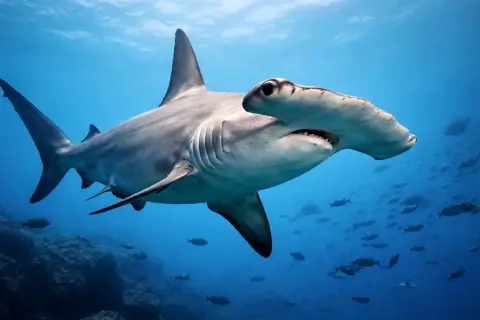
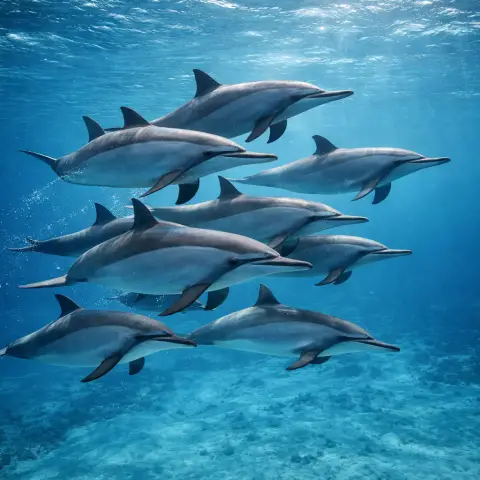
Elphinstone Reef, locally known as Sha'ab Abu Hamra, is an iconic dive site in the Red Sea, located approximately 12 kilometers offshore from Marsa Alam. This 300-350 meter long, narrow reef is oriented north to south and plunges steeply into the deep blue on both sides, with walls descending over 100 meters. Its structure, resembling a cruise ship, features two main plateaus, a northern one at 20-50 meters and a southern one at 25-45 meters, along with steep eastern and western walls. The reef is covered in an abundance of blooming soft and hard corals, including gorgonians, whip corals, sponges, and bright dendronephthya, creating a visually stunning underwater landscape. It teems with diverse marine life, from endemic Red Sea anemonefish, anthias, and redtooth triggerfish to schooling snappers, jacks, giant trevallies, dogtooth tunas, and great barracudas. Hawksbill turtles are a common sight, and depending on the season, divers can encounter a variety of sharks. Elphinstone is particularly famous for its pelagic encounters, especially the oceanic whitetip sharks from October to December, often seen around the southern plateau. Bottlenose dolphins, manta rays (May to August), and hammerhead sharks are also spotted, particularly off the northern plateau. Whale sharks, tiger sharks, silvertip, blacktip, and grey reef sharks have also been recorded. This rich biodiversity and dramatic topography make every dive a unique experience, attracting divers seeking both vibrant reef life and thrilling big fish action. Due to frequently strong currents and significant depths, Elphinstone is recommended for intermediate to advanced divers. Visibility is consistently excellent, often ranging from 20 to 40 meters, contributing to spectacular photographic opportunities. While accessible by daily boat trips from Marsa Alam and Hamata, liveaboards are often preferred to maximize dive time at this remote and highly sought-after destination.
Highlights
Oceanic whitetip shark encountersDramatic vertical drop-offsVibrant soft coral wallsNorthern and Southern plateausPelagic shark actionExceptional visibilityHammerhead shark sightingsDrift diving opportunities
Season calendar
Best months to dive here
Jan
Feb
Mar
Apr
May
Jun
Jul
Aug
Sep
Oct
Nov
Dec
Excellent
Good
Dive site facts: Elphinstone Reef
- Depth
- 1–100 m
- Typical dive
- 20–40 m, 45–60 min
- Current
- Moderate to strong
- Visibility
- 20–40 m
- Water temperature
- 20–30°C
- Entry
- Negative entry / drift dive
- Level
- Intermediate to Advanced
- Dive type
- Reef, Wall
- Night dive
- Not permitted
- Region / port
- Red Sea, Marsa Alam
- Coordinates
- 25.3167, 34.8667
Conditions & Currents
Elphinstone Reef is characterized by consistently strong currents, typically flowing from north to south, which are a major factor in dive planning. These powerful currents make drift diving the standard practice here, requiring divers to be comfortable with negative entries and open-water ascents with an SMB. While currents vary in strength, they can become very strong, influencing entry and exit techniques and necessitating excellent buoyancy control and gas management. Visibility is generally outstanding, often between 20 and 40 meters, though occasional plankton blooms might affect clarity, especially during summer. The strong currents and exposed nature of the reef mean that trips can be cancelled if wind conditions create excessively high surf, making the journey unsafe or unpleasant. Divers should be prepared for varying current intensity and always dive with an experienced local
Marine life & sighting chances
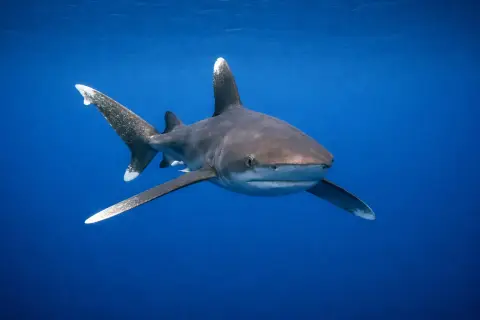
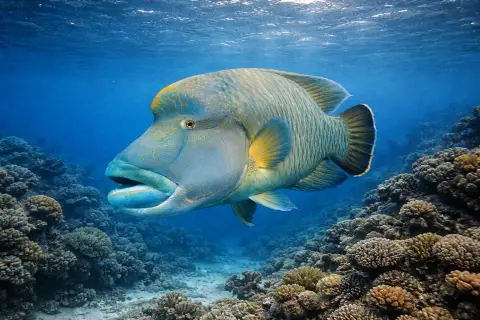
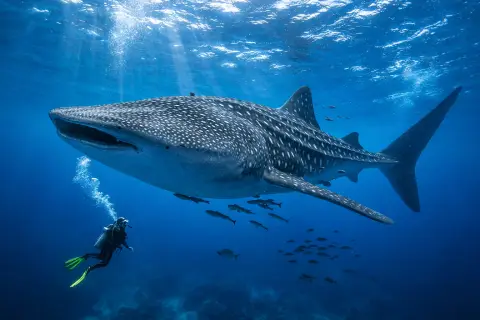
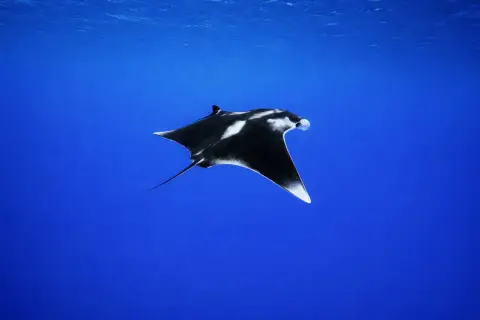
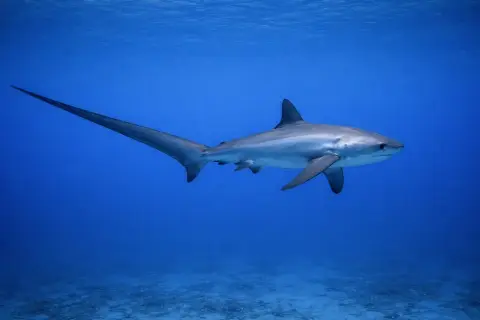
Oceanic whitetip shark
October-December · commonAlso typical for the region
Dive profile & how the dive runs
Dives at Elphinstone Reef typically begin with a negative entry from a tender directly into the strong current, usually at the northern tip. The standard approach is a drift dive, allowing the current to carry you along the reef's eastern or western walls, depending on sunlight and current direction. For morning dives, the eastern wall is preferred for better light, while the western wall is chosen for afternoons. Divers follow the wall, often descending to explore the coral-covered drop-offs and searching for pelagics in the blue. The dive progresses towards the southern plateau, which lies at depths of 25-45 meters, an area frequented by oceanic whitetip sharks. A key part of the dive involves maintaining good buoyancy and situational awareness due to the strong current. The dive concludes with an open-water safety stop, typically in the vicinity of the southern plateau, before deploying an SMB for pickup by the tender.
Underwater photography
Elphinstone Reef offers exceptional opportunities for wide-angle photography, especially with its dramatic wall topography and abundant soft corals. A wide-angle lens is essential to capture the vastness of the reef, the steep drop-offs, and schooling fish against the deep blue. For pelagic encounters, such as oceanic whitetip sharks, be prepared with strobes to illuminate subjects in the open water and reduce backscatter, particularly if plankton is present. Given the strong currents and potential for deep sections, excellent buoyancy control is crucial to avoid damaging corals and to maintain stable shots. Divers should be mindful of the often-curious oceanic whitetip sharks and maintain a respectful distance, avoiding sudden movements. Consider high-speed sync for strobes to freeze fast-moving subjects. The phenomenal visibility year-round ensures vibrant colors, making even ambient light shots rewarding in shallower areas.
Combine with nearby dive sites
- Daedalus Reef
Often combined with Elphinstone on liveaboard itineraries for similar pelagic action.
- Brothers Islands
Another offshore reef system known for sharks, frequently paired with Elphinstone on extended liveaboard trips.
- Samadai Reef (Dolphin House)
A sheltered reef known for dolphin encounters, offering a contrast to Elphinstone's open-ocean diving.
- Fury Shoals
A large system of reefs in the south, providing diverse reef diving often included in southern Red Sea itineraries.
Getting there & logistics
Elphinstone Reef is primarily accessed from Marsa Alam, Egypt, which is served by Marsa Alam International Airport (RMF). Divers can also fly into Hurghada International Airport (HRG) and arrange ground transport, though Marsa Alam is closer. Many divers choose liveaboard trips, typically 7-night/8-day itineraries, departing from Marsa Alam or Hamata, as this allows for multiple dives at Elphinstone and access to other remote offshore sites like Daedalus and the Brothers Islands. Day trips are also available from dive centers in Marsa Alam. Egyptian visas are required for most visitors and can often be purchased upon arrival at the airport. National park fees may apply as part of a liveaboard package or daily dive trip. It is common for Elphinstone to be part of a 'Deep South' liveaboard route, exploring multiple iconic Red Sea dive sites.
Safety & environment
Diving at Elphinstone Reef demands a high level of preparedness due to strong currents, significant depths, and open-ocean exposure. Divers should possess advanced certification and experience with drift diving, and a surface marker buoy (SMB) is mandatory for every diver for safety and surface pickup. Nitrox is highly recommended to extend bottom time and reduce nitrogen loading, given the typical dive profiles. The nearest recompression chamber is located in Marsa Alam, approximately 12 kilometers from the reef, necessitating prompt evacuation by boat if an incident occurs. Comprehensive dive insurance, including coverage for recompression and emergency evacuation, is essential. While encounters with oceanic whitetip sharks are a major draw, divers should be aware that these are curious animals and follow strict guidelines from their dive guide for interaction, avoiding any actions that could provoke them. Always dive with an experienced local guide who understands the site's dynamic conditions.
Who it suits, and who it doesn't
Suited for
- Advanced Open Water Divers
- Drift diving enthusiasts
- Pelagic animal seekers
- Underwater photographers
- Divers comfortable with strong currents
- Liveaboard adventurers
Less suited for
- Beginner divers
- Divers uncomfortable with strong currents
- Those without drift diving experience
- Divers prone to seasickness on open ocean crossings
- Divers without an SMB
- Night divers (not permitted)
FAQ
Elphinstone Reef FAQ
What is the best time of year to see sharks at Elphinstone Reef?
Oceanic whitetip sharks are most commonly sighted between October and December, particularly around the southern plateau. Hammerhead sharks and other pelagics can be encountered during other times, with manta rays often seen from May to August.
Is Elphinstone Reef suitable for beginner divers?
No, Elphinstone Reef is generally recommended for intermediate to advanced divers. The site features strong currents, deep drop-offs, and requires comfort with drift diving and open-water safety stops, which are not suitable for beginners.
How do currents typically behave at Elphinstone Reef?
Currents at Elphinstone are consistently strong, usually flowing from north to south along the reef. Divers should be prepared for drift dives and use a negative entry to descend quickly, as well as deploy an SMB for surface pickups.
What kind of marine life can I expect to see beyond sharks?
Beyond its famous sharks, Elphinstone boasts an incredible variety of reef fish, including anthias, snappers, and redtooth triggerfish. You'll also encounter giant trevallies, barracudas, dogtooth tunas, and frequently see hawksbill turtles, along with vibrant soft and hard coral formations.
Can I do a night dive at Elphinstone Reef?
Night dives are typically not permitted at Elphinstone Reef due to its isolated, offshore location and the strong, unpredictable currents. It is considered too exposed for safe night diving operations.
How do most divers access Elphinstone Reef?
Most divers visit Elphinstone Reef as part of a liveaboard itinerary departing from Marsa Alam or Hamata, which allows for multiple dives at the site and exploration of other remote reefs. Day trips from Marsa Alam are also available, though liveaboards offer more flexibility and dive time.
Why dive Elphinstone Reef from a liveaboard?
Elphinstone Reef is one of Egypt's signature dive sites. A liveaboard sleeps you on the water and typically offers several guided dives per day (the exact number depends on the vessel and itinerary), including dawn and night dives that day-boat operators rarely offer. You skip the daily commute back to port and reach quieter, less-crowded sites in the same region on a single trip.
Route region: Liveaboards at Brothers, Daedalus & Elphinstone →
Liveaboards diving Elphinstone Reef
These liveaboards may visit Elphinstone Reef on selected itineraries, the exact dive sites depend on departure, weather and conditions.
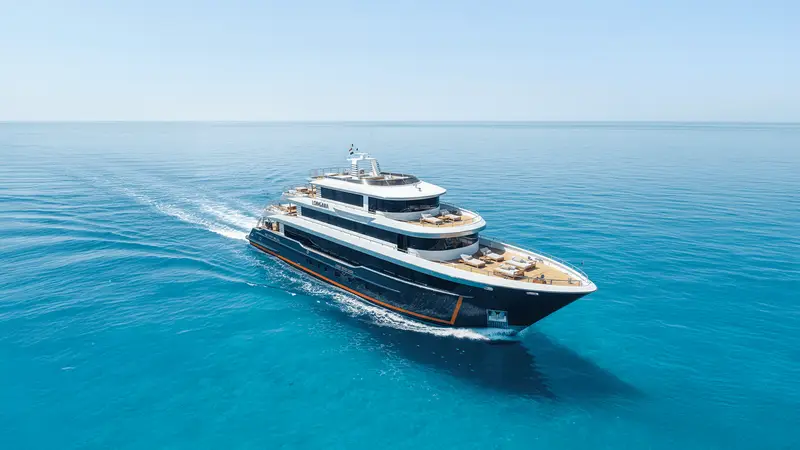
DUNE Longara
Egypt
30 guests
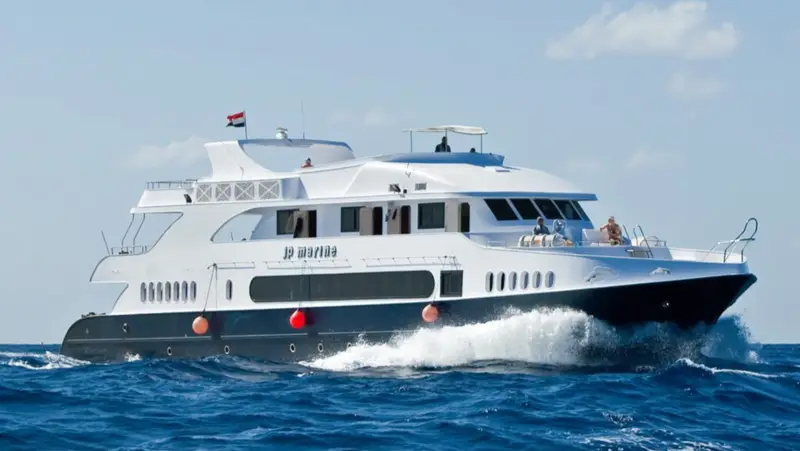
JP Marine
Egypt
28 guests
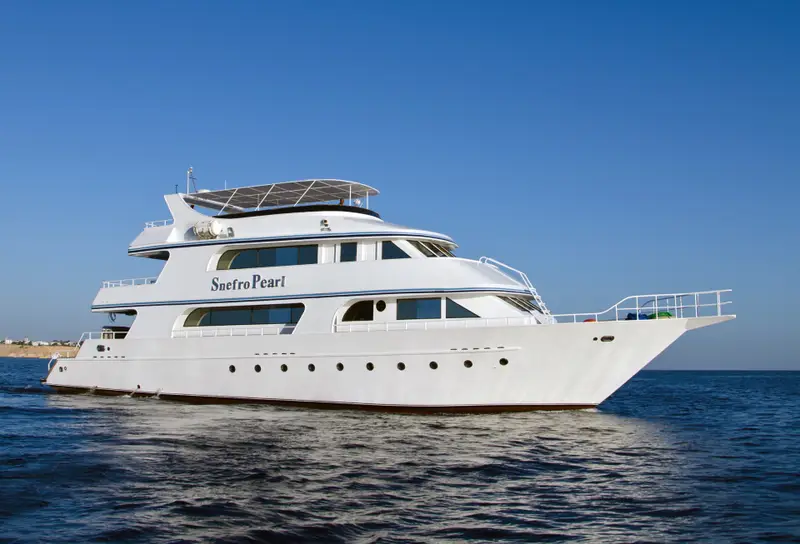
Snefro Pearl
Egypt
12 guests
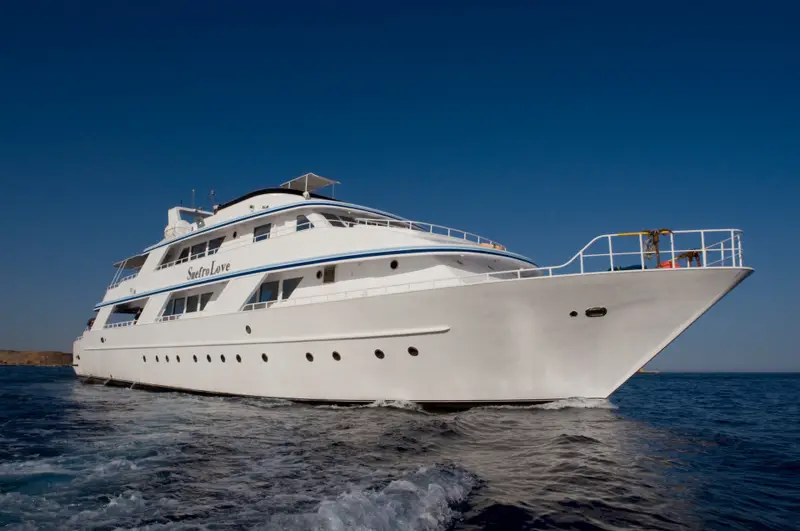
Snefro Love
Egypt
20 guests
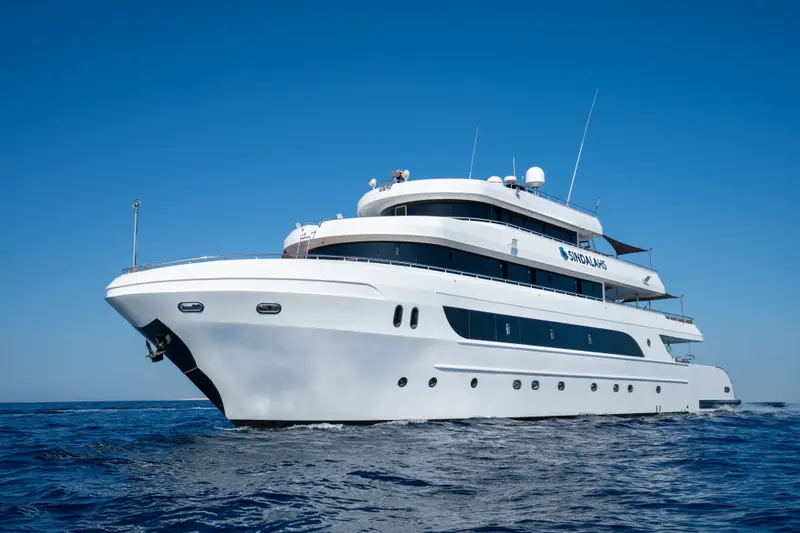
Sindalahs
Egypt
26 guests38 m
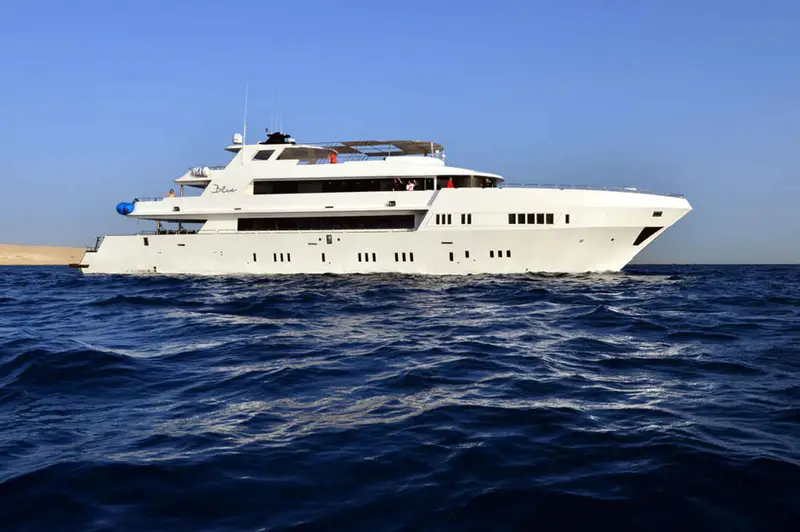
Blue Liveaboard
Egypt
24 guests43 m
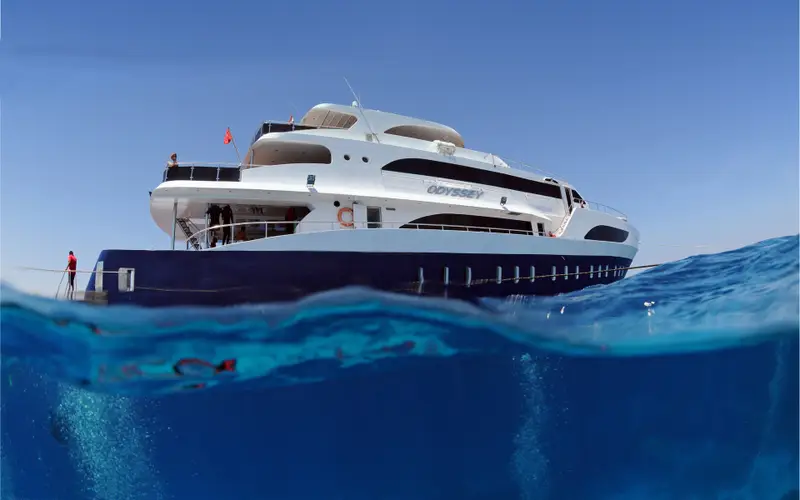
Odyssey
Egypt
26 guests40 m
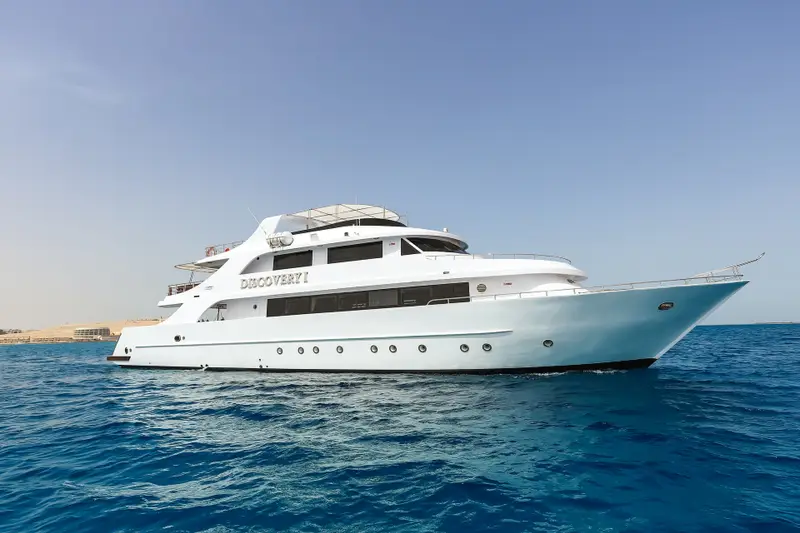
Discovery I
Egypt
20 guests
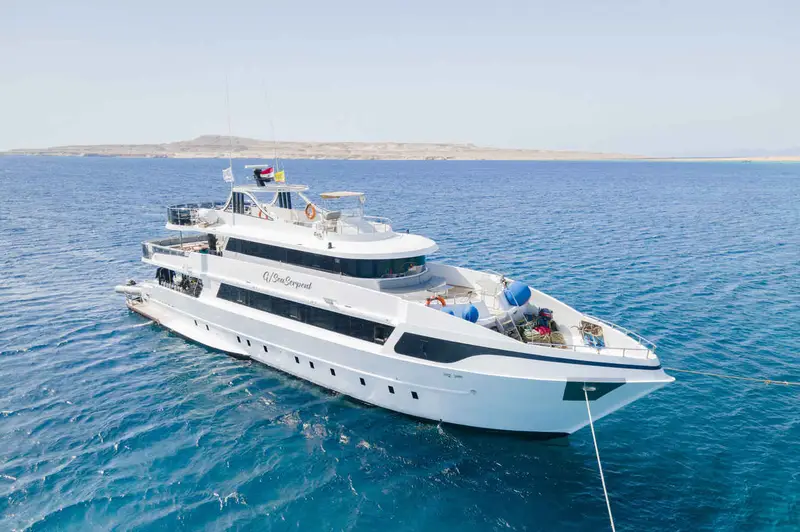
SS Serena Dreams
Egypt
18 guests33 m
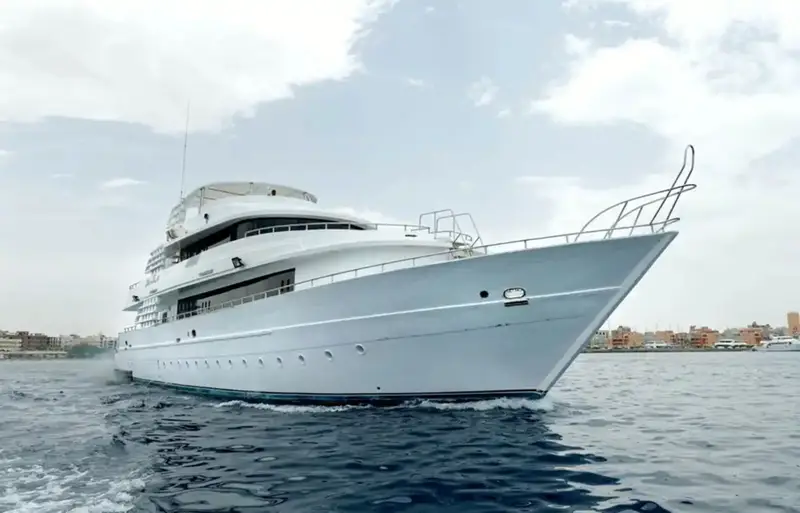
Blue Pearl
Egypt
20 guests36 m
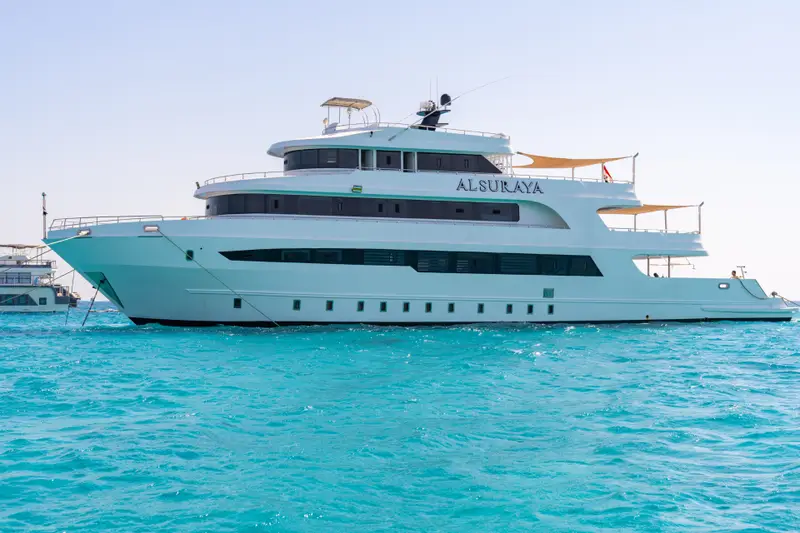
Alsuraya
Egypt
24 guests37 m
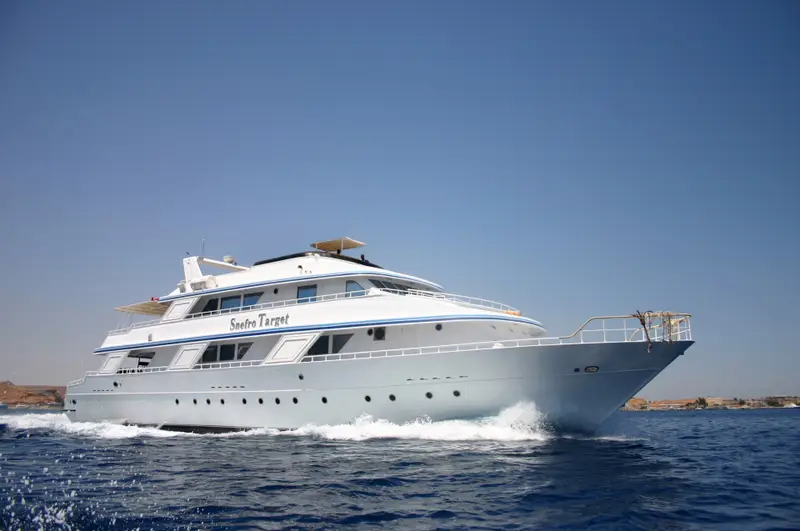
Snefro Target
Egypt
20 guests
Dive sites similar to Elphinstone Reef
Same character, same waters, six more sites divers love for the exact same reasons.Compare seasons, access and liveaboard routes, then pick the site that fits your trip best.
© EsriMaxar, Earthstar, GIS
Anemone City
Egypt
Anemone City is a renowned dive site situated at the northern end of Ras Mohammed National Park, near Sharm el-Sheikh, Egypt.
- Suitable for
- Advanced
- Current
- Moderate
- Access
- Liveaboard or dayboat
- Depth
- 5–700 m
- Theme
- Drift / Reef
© EsriMaxar, Earthstar, GIS
Brothers Islands
Egypt
The Brothers Islands, comprising Big Brother and Little Brother, are an iconic dive destination in the Egyptian Red Sea, located approximately 100 kilometers offshore.
- Suitable for
- Advanced
- Current
- Strong
- Access
- Liveaboard or dayboat
- Depth
- 5–40 m
- Theme
- Cave & cavern / Reef
© EsriMaxar, Earthstar, GIS
Daedalus Reef
Egypt
Daedalus Reef, known locally as Abu Kizan, is a remote outpost in the Red Sea, located about 80 km offshore from Marsa Alam.
- Suitable for
- Advanced
- Current
- Strong
- Access
- Liveaboard or dayboat
- Depth
- 5–40 m
- Theme
- Reef / Wall
© EsriMaxar, Earthstar, GIS
El Fanadir North
Egypt
El Fanadir North is a prominent reef system in the Red Sea, situated roughly 4 kilometers offshore from Hurghada.
- Suitable for
- Advanced
- Current
- Moderate
- Access
- Liveaboard or dayboat
- Depth
- 12–70 m
- Theme
- Drift / Reef
© EsriMaxar, Earthstar, GIS
Farasan Banks
Saudi Arabia
The Farasan Banks are an extensive volcanic archipelago located in the southern Red Sea, recognized as one of Saudi Arabia's premier diving destinations.
- Suitable for
- Advanced
- Current
- Strong
- Access
- Liveaboard or dayboat
- Depth
- 5–35 m
- Theme
- Reef / Wall
© EsriMaxar, Earthstar, GIS
Farasan Islands
Saudi Arabia
The Farasan Islands, situated in the southern Red Sea off the coast of Jazan, represent Saudi Arabia's premier destination for biodiverse diving.
- Suitable for
- Advanced
- Current
- Strong
- Access
- Liveaboard only
- Depth
- 10–40 m
- Theme
- Wall / Reef