About
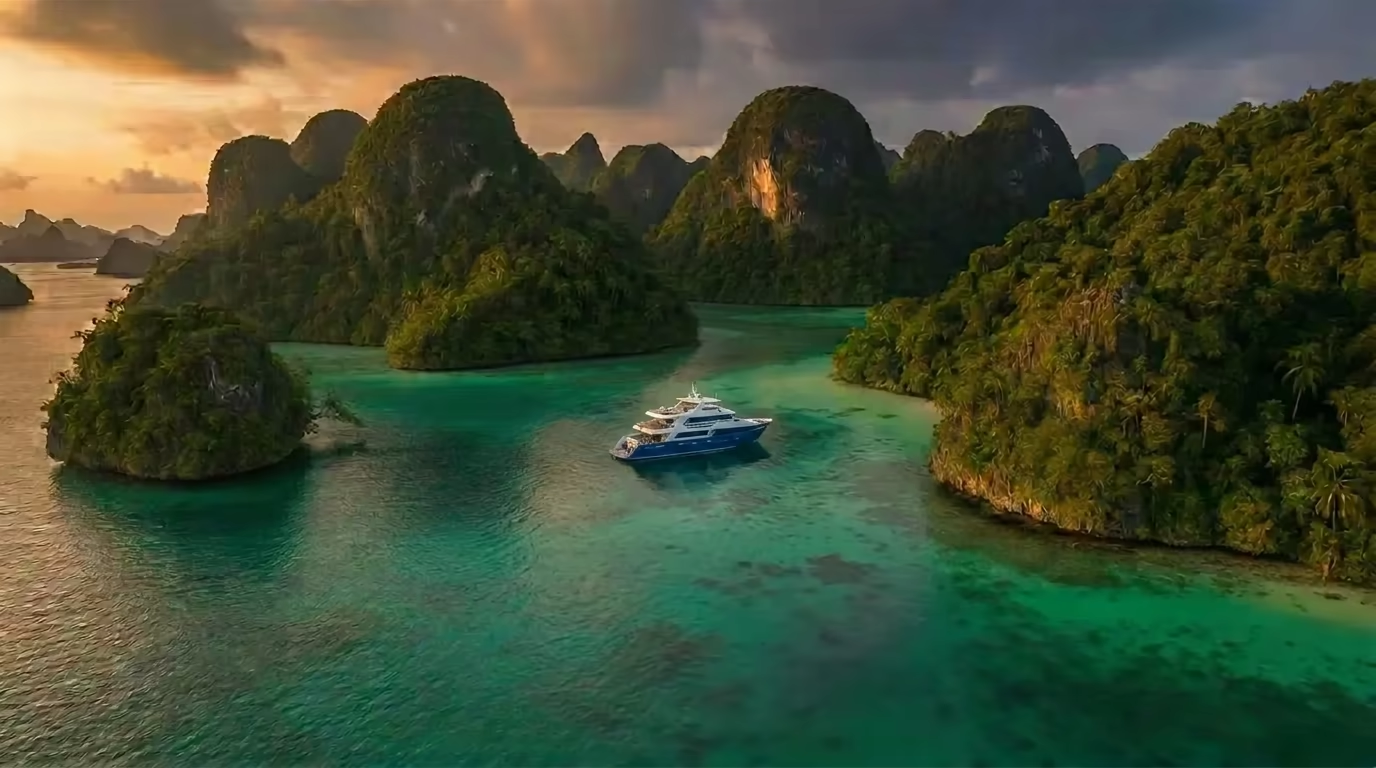
Micronesia stretches across more than 7 million square kilometers of the western Pacific Ocean — an area larger than the continental United States — yet contains less land than Rhode Island. The region's four nations (Federated States o…
About
Micronesia stretches across more than 7 million square kilometers of the western Pacific Ocean — an area larger than the continental United States — yet contains less land than Rhode Island. The region's four nations (Federated States o…
Available Liveaboards
Explore our handpicked fleet of liveaboards operating in this region
Loading vessels...
Why Dive Here
Yap's resident manta rays can be seen year-round at famous cleaning stations
Chuuk Lagoon holds 60+ WWII ships—the world's largest ghost fleet
Visibility often exceeds 30m in the pristine Pacific waters
Experience ancient stone money, traditional villages and Pacific heritage
Dive Season
Plan your trip around the best conditions for diving, visibility, and marine encounters
Dry season with best visibility (30-40m), calm seas, and excellent manta encounters in Yap. Peak wreck diving in Chuuk.
Wet season with variable conditions and reduced visibility. Still diveable with mantas present, but afternoon squalls common.
Micronesia is diveable year-round. No true off-season exists. Typhoon risk is low but possible Jul-Nov in northern islands.
Marine Life
Explore the incredible species that call these waters home
Seasonal Calendar
Plan your trip around the marine life you want to encounter most


Only in
Extraordinary natural events that make Micronesia a once-in-a-lifetime diving destination

Chuuk Lagoon
Explore the world's greatest wreck diving destination – over 60 Japanese WWII ships and aircraft resting in the warm, clear waters of Chuuk (Truk) Lagoon.
Read more
Yap
Dive with graceful manta rays at Yap's renowned cleaning stations, where these gentle giants return daily for decades – the world's most predictable manta encounters.
Read more
Palau
Hook into the legendary Blue Corner of Palau and hang in the current as grey reef sharks, barracuda schools, and eagle rays patrol this world-class dive site.
Read moreExplore
Ulong Channel, situated approximately 15 miles west of Koror and adjacent to Ulong Island, is a renowned channel dive in Palau celebrated for its dynamic currents and abundant marine life. This natural passage connects the inner lagoon to the open ocean, acting as a crucial conduit for nutrients and marine activity. Dives typically begin by descending to about 18 meters, drifting for approximately ten minutes before reaching the channel's mouth. The channel itself features a sandy bottom varying from 3 to 13 meters in depth, adorned with vibrant coral formations, including a notable huge lettuce coral garden that provides shelter for small fish. The dive progresses as divers unhook from the channel mouth and are carried through the passage, which some liken to a theme park ride, constantly adjusting buoyancy and direction amidst the flow. Marine encounters are frequent and diverse, especially at the channel's entrance, where schools of snapper, jacks, and elegant batfish glide by. Gray reef sharks and stingrays are often observed patrolling the mouth. During full moons in April, May, June, and July, thousands of snappers gather to spawn, and groupers are known to school, presenting spectacular aggregation events. However, divers should exercise caution during these months as nesting Titan Triggerfish can be aggressive; maintaining distance from their nests is advised. Due to strong and often unpredictable currents, Ulong Channel is best suited for advanced to expert divers. The optimal time for diving is during an incoming tide when currents are at their strongest and visibility, which can reach up to 29 meters, is clearest. Dives are typically conducted via boat, often involving reef hooks to observe action at the channel mouth before continuing the drift.
Chandelier Cave stands apart from Palau’s typical dive sites, offering a distinct and fascinating experience. Located close to dive operators' docks, this cave system is easily accessible and not reliant on sunlight for enjoyment, making it a popular choice for a third dive of the day or when surface conditions prevent diving at outer reefs. The cave consists of five connected chambers, primarily underwater, with the final chamber leading to an air-filled space above the surface. Divers can observe ancient stalactites and stalagmites, some adorned with delicate crystal growths resembling sugar frosting, showcasing geological formations rather than abundant coral. While the cave itself is largely coral-free, the entrance area on the shallow, sheltered harbor floor provides opportunities to spot unique marine life like the elusive Mandarin fish, soldierfish, cardinalfish, shrimp, and crab. The visibility within the cave system can reach up to 30 meters, contributing to its appeal. Given its shallow nature and sheltered location, Chandelier Cave is an excellent option for divers looking for a unique geological dive experience, especially in variable weather conditions. It provides a different perspective on Palau's underwater world, emphasizing exploration and geological wonders.
Mi'l Channel in Yap, Federated States of Micronesia, stands out as a world-renowned dive site, primarily celebrated for its consistent manta ray sightings. This unique channel, located between the islands of Yap, Rumung, and Maap, is a natural funnel for nutrient-rich waters, attracting these large pelagics year-round to feed and utilize dedicated cleaning stations. Divers can expect dynamic conditions as currents dictate the flow of the dive, transforming the channel into an exhilarating drift experience. The channel features a distinct topography with a sandy, coral rubble bottom flanked by vertical coral walls. Depths typically range from 15 to 30 meters (50-100 ft), with portions dropping off to greater depths. The walls are adorned with tightly packed hard corals, interspersed with broad sections of soft corals, including impressive purple varieties that expand their polyps in strong currents. Near areas like Manta Ridge, these soft corals create a vibrant spectacle, feeding actively during tidal flows. Beyond the celebrated mantas, the channel teems with diverse marine life. Tropical reef fish, such as soldierfish and humphead parrotfish, inhabit the coral formations, while moray eels find refuge in the nooks and crannies. Large barracuda, reef sharks, eagle rays, and schools of jacks and snappers are frequently observed patrolling the outer waters of the channel. Lobsters and octopi are also commonly discovered nestled within the reef's crevices. Diving Mi'l Channel often involves a thrilling drift, particularly during incoming tides, where divers 'fly' along the channel, observing marine activity on both sides. The experience is highly dynamic due to varied current speeds and directions, offering both spectacular encounters and a sense of adventure for those comfortable with active water movements.
The Corner is a prominent outer reef dive site situated in Pohnpei, Micronesia. This location is renowned for its vibrant marine ecosystem, which thrives due to the rich currents that sweep across its topography. It serves as a natural magnet for pelagic species and provides a stunning display of coral growth. The site features a vertical wall that begins at a shallow shelf of approximately 10 meters and plunges dramatically into deeper waters. This wall is adorned with expansive coral heads and colorful gorgonians, creating a diverse underwater landscape. Divers can explore this dynamic structure, particularly at the reef's bend where marine activity is often concentrated. Thanks to nutrient-dense waters, the site attracts a wealth of marine life. Divers can regularly expect to encounter schools of barracuda, reef sharks, and fusiliers swirling in the currents. Pohnpei's waters also host reef mantas, tuna, wahoo, jacks, eagle rays, and stingrays. White-tip and grey reef sharks patrol the outer reef, while the corals shelter moray eels, angelfish, damselfish, and triggerfish. Napoleon wrasse and bumphead parrotfish are also present. The marine biodiversity is consistently high, making each dive a lively experience. While currents can be present, they are generally predictable and influenced by tides, allowing for planned drift dives. Pohnpei’s average water temperature is a warm 27°C, with visibility ranging between 15 to 30 meters. The site offers an exciting experience for divers capable of handling some current.
Beyond Diving
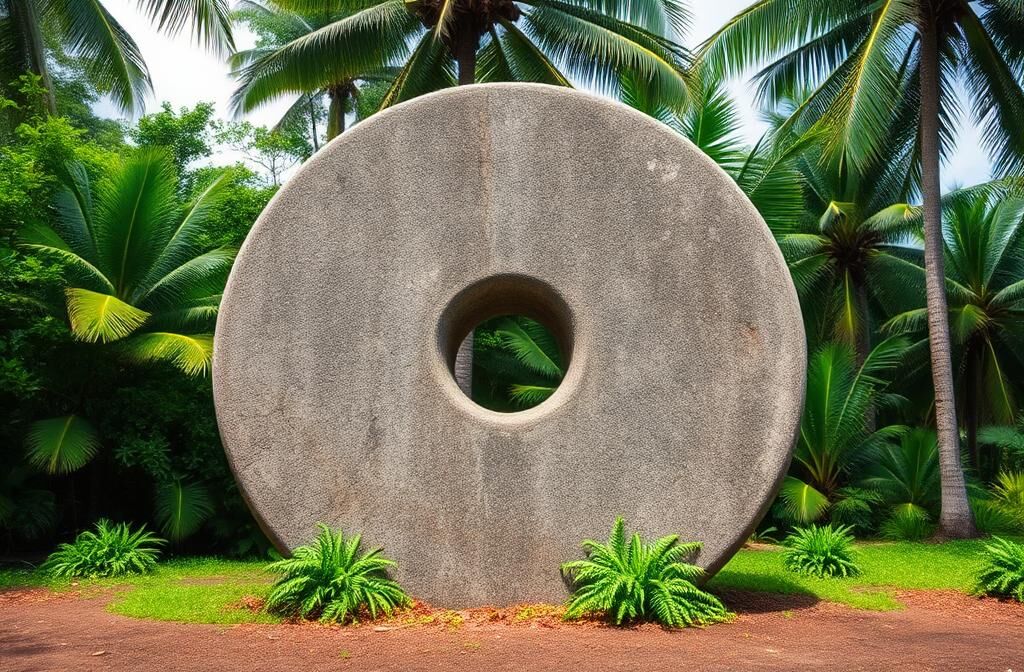
Discover the unique rai stones of Yap—massive circular limestone discs up to 4 meters in diameter that still serve as traditional currency. Visit stone money banks where these ancient treasures are displayed.
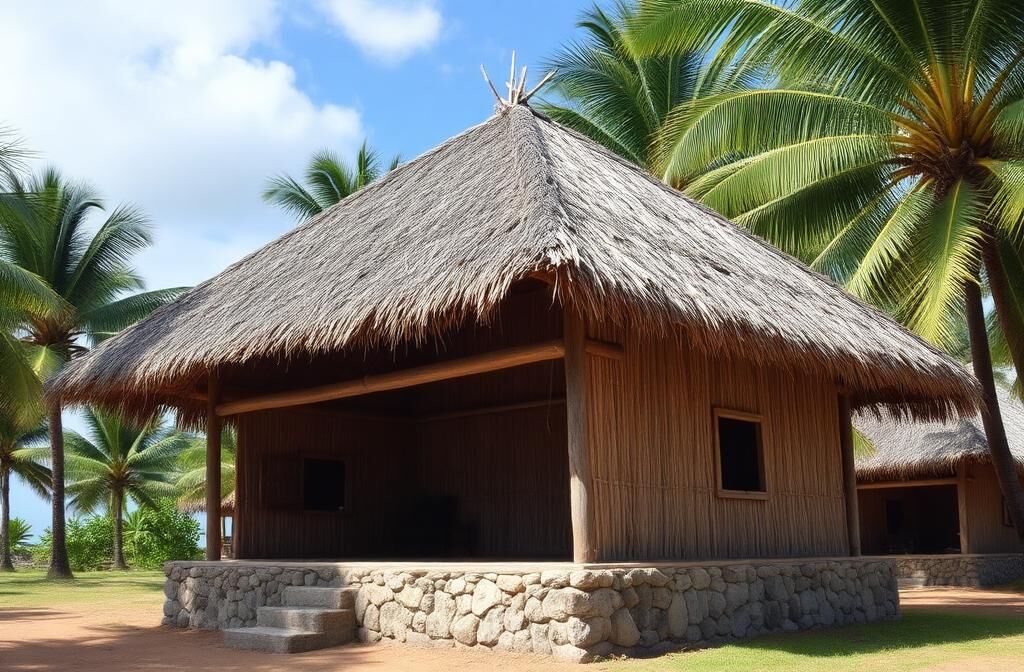
Experience authentic Yapese culture in traditional thatched-roof villages. Learn about ancient navigation techniques, traditional dancing, and the unique men's and women's houses that define village life.
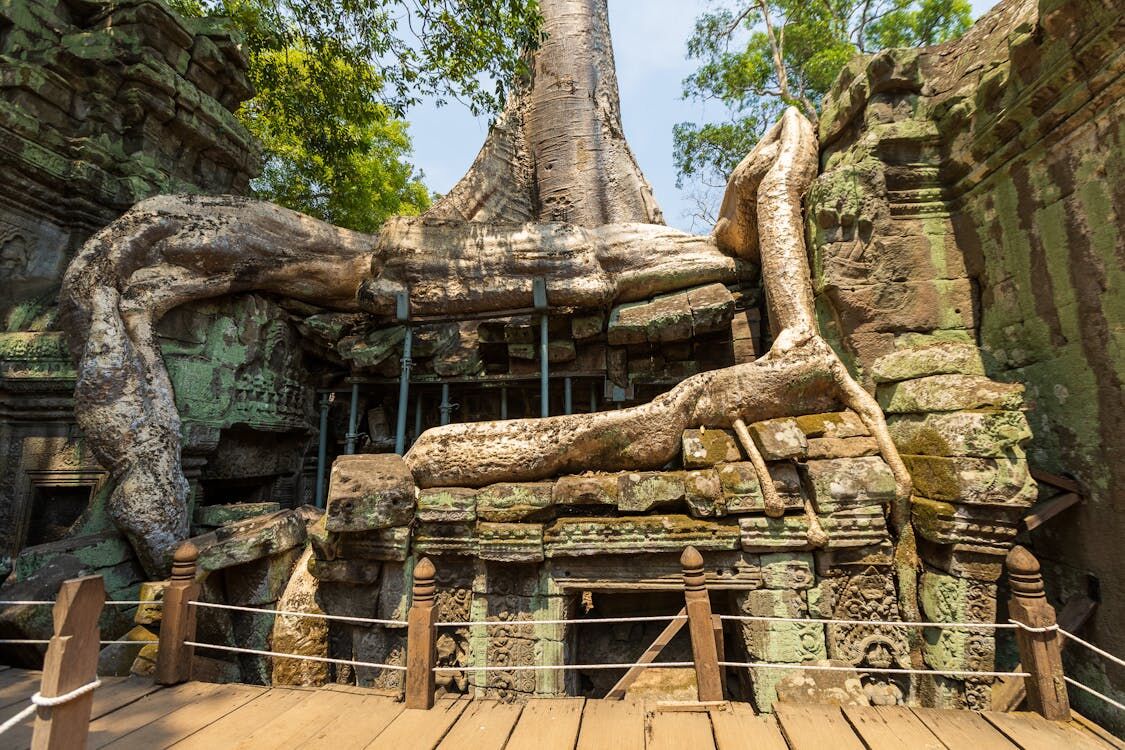
Explore the mysterious ancient city of Nan Madol on Pohnpei—a UNESCO World Heritage site built on 92 artificial islands using massive basalt columns. Often called the "Venice of the Pacific."
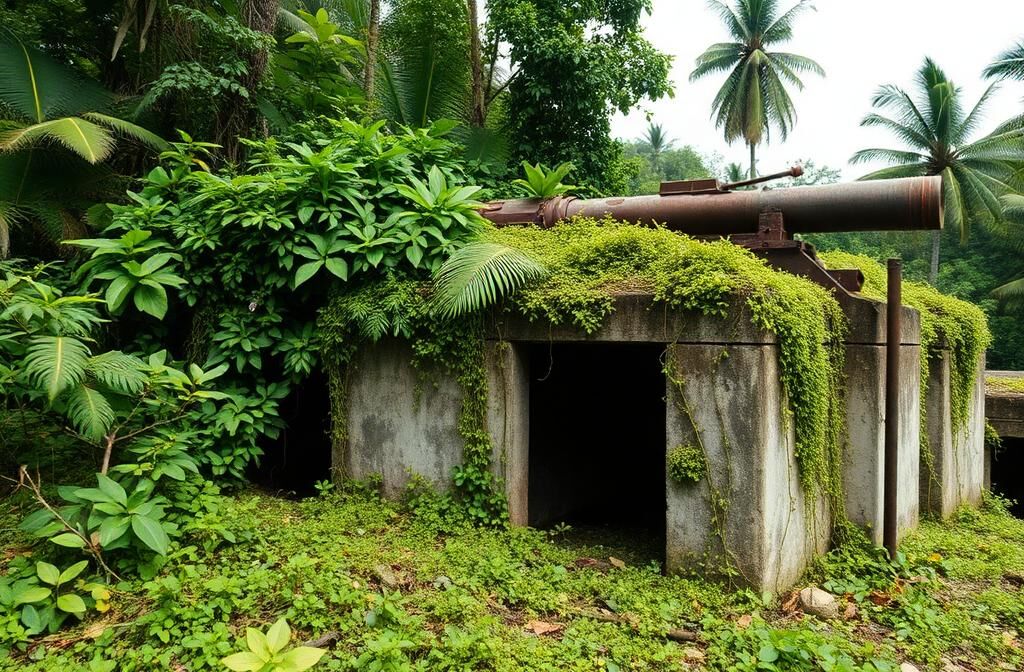
Beyond underwater wrecks, explore Japanese bunkers, gun emplacements, and airstrips scattered across the islands. Chuuk and Pohnpei offer significant WWII historical sites and museums.
Budget
How Micronesia compares to other diving destinations worldwide.
$350–$550
per day liveaboard
$120–$180
per 2-tank dive trip
$80–$150
hotel per night
Prices reflect typical costs for mid-range to premium options. Budget alternatives may be available.
Transition to dry season. Good conditions with fewer crowds and better value.
Wet season with afternoon rain. Still diveable with mantas present in Yap year-round.
Peak dry season with best visibility. Ideal for wreck diving in Chuuk and manta encounters in Yap.
Book multi-destination trips combining Yap mantas and Chuuk wrecks for best value
Use the United Island Hopper flight for affordable inter-island travel
Stay in local guesthouses rather than resort hotels
Bring your own dive gear as rentals are limited and expensive
Shoulder season offers best balance of conditions and prices
Book early as limited liveaboard capacity means popular dates sell out quickly
Travel
Chuuk International Airport
Weno, Chuuk • TKK
Gateway for Truk Lagoon wreck diving, connections via Guam on United Island Hopper
Pohnpei International Airport
Pohnpei • PNI
Gateway for Pohnpei diving, connections from Guam and Honolulu
Yap International Airport
Yap • YAP
Gateway for manta ray diving, connections via Guam
US citizens: No visa required for stays up to 30 days. EU/UK citizens: No visa required for tourism. Most nationalities can enter visa-free. Valid passport with 6 months validity required.
This information is provided without guarantee. Please visit the official website for the latest entry requirements.
Official Immigration Information →Plan Your Trip
Good to know
Compare
Honest, in-depth comparisons to help you decide between destinations, certifications, equipment and dive styles.
Choosing between a liveaboard and a land-based dive trip is the most fundamental decision divers face when planning a serious diving holiday. The right answer depends on your priorities: maximum dive count and access to remote sites favor liveaboards; beach time, family flexibility and lower cost favor land-based resorts. Both formats have evolved significantly in the last decade, and the line between them has blurred — luxury dive resorts now offer multi-day expedition trips, while many liveaboards include topside excursions and even spa days. This guide compares the two formats across every meaningful dimension: cost per day, dives per day, marine life access, comfort, social dynamics, family-friendliness, and travel logistics. We'll also cover the hybrid models (resort + day-charter, or 'safari boat' itineraries) that try to capture the best of both worlds. If you're certified, in love with diving and want to maximize bottom time, a liveaboard is almost always the better choice — you can clock 25+ dives in a week and reach sites no day boat can. If you're traveling with non-divers, prefer land-based comfort, or want flexibility to take days off, a resort wins. We'll get into all the nuances below.
Read comparisonDeciding between Palau and Truk Lagoon for your next liveaboard dive trip is a thrilling dilemma for any avid diver. Both destinations, nestled in the Micronesian region of the Pacific, offer unparalleled underwater experiences, yet cater to distinct diving preferences. Palau is world-renowned for its vibrant coral reefs, dramatic drop-offs, and abundant pelagic life, often featuring strong currents that bring in large schools of fish and sharks. Conversely, Truk Lagoon, now officially known as Chuuk Lagoon, is a somber underwater museum, a testament to World War II. It boasts the largest concentration of accessible sunken ships and aircraft in the world, offering a unique blend of historical exploration and artificial reef diving. While both are premier liveaboard destinations, understanding their core differences in terms of marine environment, dive profiles, and overall experience is crucial for planning your perfect trip. This side-by-side comparison will delve into the specifics of what each destination offers, helping you determine whether Palau's pristine reefs or Truk Lagoon's historic wrecks align best with your diving aspirations and skill level.
Read comparisonWhen it comes to choosing your next unparalleled liveaboard adventure, Micronesia and French Polynesia often emerge as top contenders, each promising a distinct and unforgettable experience beneath the waves. Both regions are synonymous with pristine waters and vibrant marine ecosystems, yet they cater to different diving aspirations and preferences. Micronesia, a vast expanse of islands in the western Pacific, is renowned for its historical wreck diving, particularly in places like Chuuk Lagoon, offering a unique blend of history and marine biology. French Polynesia, on the other hand, conjures images of luxurious overwater bungalows and dramatic volcanic landscapes, but beneath its turquoise surface lies an equally compelling underwater world. Famed for its pelagic encounters and healthy coral reefs, it provides a different kind of thrill. This side-by-side comparison aims to equip you with the detailed insights needed to navigate the nuances of these two incredible destinations, ensuring you select the perfect liveaboard journey for your diving style and desires.
Read comparisonExplore our expedition vessels and find your perfect trip to Micronesia


