
About
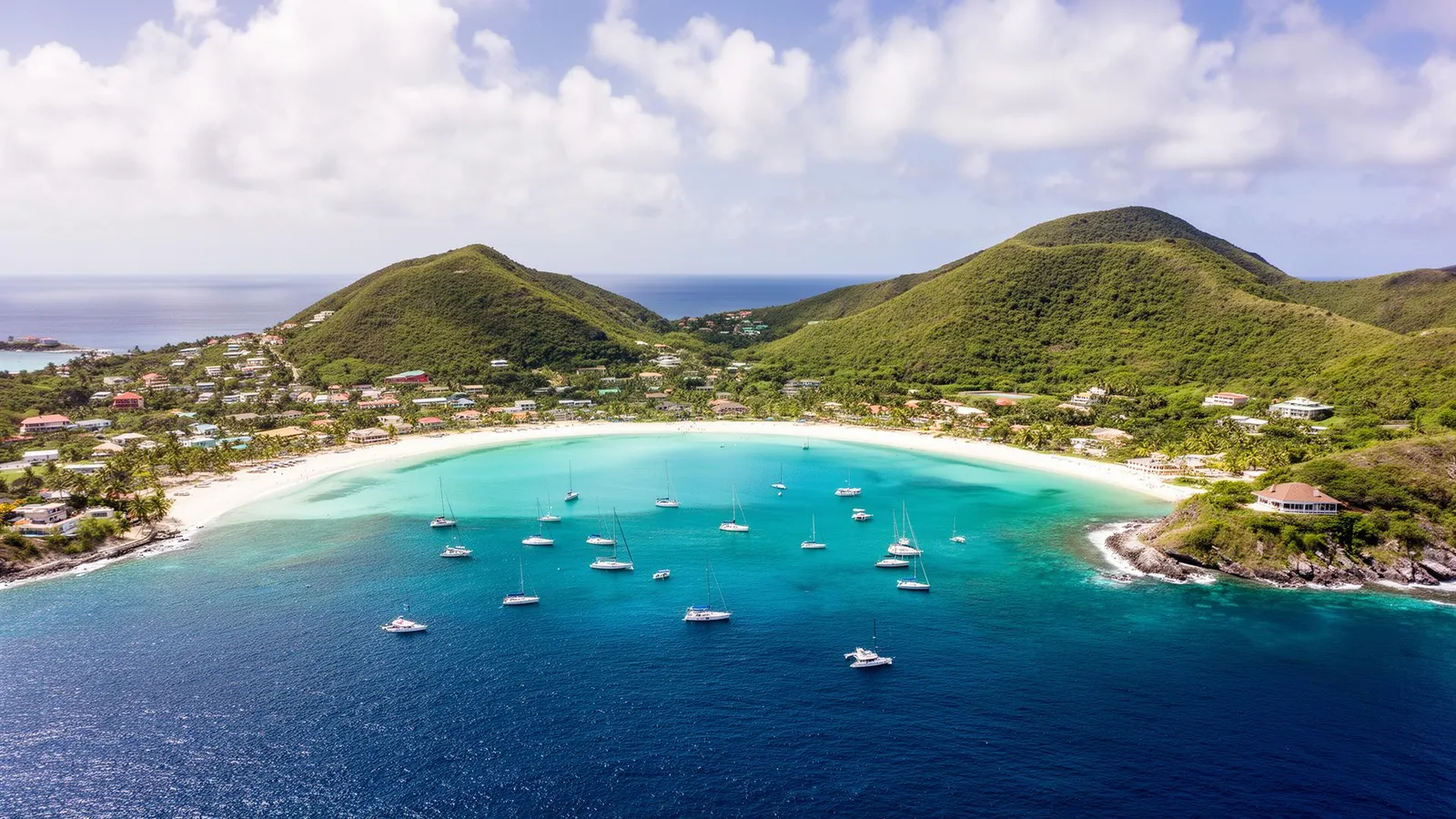
Straddling two nations, St. Maarten offers a unique Caribbean canvas where European culture meets exceptional wreck and reef diving. For divers, the true appeal lies beneath the surface, where a dense collection of historical and purpose-su…
About
Straddling two nations, St. Maarten offers a unique Caribbean canvas where European culture meets exceptional wreck and reef diving. For divers, the true appeal lies beneath the surface, where a dense collection of historical and purpose-su…
Available Liveaboards
Explore our handpicked fleet of liveaboards operating in this region
Loading vessels...
Why Dive Here
Explore the HMS Proselyte (1801) and other fascinating wrecks turned artificial reefs
Experience the unique Dutch-French culture blend with diverse cuisine and lifestyle
Spectacular nocturnal reef life with bioluminescence and unique night hunters
All dive sites within 5-15 minutes from shore with excellent facilities
Dive Season
Plan your trip around the best conditions for diving, visibility, and marine encounters
Calmest seas, best visibility up to 32m, warm water
Good conditions overall with pleasant temperatures
Hurricane season—still diveable but weather can be unpredictable
Marine Life
Explore the incredible species that call these waters home
Seasonal Calendar
Plan your trip around the marine life you want to encounter most


Only in
Extraordinary natural events that make St. Maarten a once-in-a-lifetime diving destination

Great Bay
Dive the historic HMS Proselyte, a British frigate that sank in 1801, now an artificial reef teeming with Caribbean marine life at diveable depths.
Read more
Simpson Bay
Encounter Caribbean reef sharks, nurse sharks, and spotted eagle rays on the vibrant reefs surrounding this dual-nation island.
Read more
Simpson Bay
Explore the famous Bridge wreck and tugboat, colorful artificial reefs perfect for underwater photography in crystal-clear Caribbean waters.
Read moreExplore
The Porpoise stands out as St. Maarten's only deep dive site, setting it apart from the numerous shallow reefs and wrecks found throughout the Dutch side. Located offshore, this site is not accessible from shore and requires boat access, typically with one of the island's dive centers. Unlike most other dive locations in the region that stay within the 18-meter (60-foot) limit suitable for Open Water divers, The Porpoise delves into greater depths. This characteristic makes it a unique destination for divers seeking to explore beyond standard recreational limits and experience a different facet of St. Maarten's underwater topography. While specific marine life details for The Porpoise itself are not extensively documented in sources, its deeper, offshore nature suggests potential for encounters with larger pelagic species not typically seen on shallower reefs. The surrounding St. Maarten waters are home to a diverse array of fish and marine mammals, including migratory whales and dolphins during certain months. Diving The Porpoise offers an experience distinct from the popular wreck dives and coral gardens. It caters to those looking for a more challenging profile and the excitement of deeper exploration in the clear Caribbean waters, with excellent visibility common across St. Maarten's dive sites.
Proselyte Reef, located off the south coast of Sint Maarten near Philipsburg, is the island's most renowned dive site. It is named after HMS Proselyte, a Royal Navy frigate that sank here on September 4, 1801, after striking an uncharted coral head. Over two centuries, the wooden hull has disintegrated, leaving behind a scattered constellation of iron artifacts, including cannons, anchors, and ballast stones, which are now heavily encrusted with coral and integrated into the natural reef. The dive site is largely shallow, with a maximum depth typically around 18 meters (60 feet), making it accessible to divers of all experience levels. The topography features a sandy seabed interspersed with coral formations and the shipwreck debris. The wreck elements are spread across a wide area, avoiding the need for penetration. Proselyte Reef is a vibrant ecosystem supporting a diverse array of marine life year-round. Divers frequently encounter southern stingrays, green moray eels, barracudas, and nurse sharks. The site's combination of natural reef and artificial structure provides exceptional habitat, attracting various reef fish and crustaceans. Diving here offers a blend of historical exploration and marine observation. The visibility is often excellent, allowing clear views of the extensively coral-covered wreck and the surrounding reef. Boat trips from Philipsburg or Simpson Bay typically reach the site within fifteen minutes.
Little Bay, situated in St. Maarten, offers an easily accessible dive and snorkel site, distinguishing itself with a unique underwater sculpture park located directly off the beach. The site features a designated trail leading to a 'sea museum' adorned with statues, which are complemented by various coral-encrusted objects and small wrecks like a submarine and a helicopter. The topography is characterized by its very shallow depth profile, ranging from 0 to 6 meters, making it an ideal location for beginners and snorkelers. The calm, sheltered conditions within the bay ensure a relaxed environment for exploration. Beyond the sculpture trail, divers can also find Boulder Brain Corals and Maze Corals scattered across the rocky seafloor, particularly along the left side of the bay near the shore and extending towards the point. Marine life at Little Bay is varied despite its shallow nature, with frequent sightings of green turtles, octopuses, and Southern Stingrays. The seagrass beds are often frequented by stingrays, and schools of sergeant majors are abundant, especially around the Tiki Hut platform. The site's year-round warmth and protected status contribute to a consistent presence of species. Diving here typically involves an easy shore entry, or via ladders from the Tiki Hut platform, following a marked trail around the sculptures and natural rock formations. The shallow depth requires careful buoyancy control to avoid disturbing the environment, but it also allows for extended bottom times and a leisurely pace, focusing on macro life and the unique artistic installations.
La Renee is a deep, open-water wreck situated off the coast of Saint Martin, accessible only by boat. It offers a challenging dive profile suited for experienced scuba divers, descending to a reported depth of 45 meters on a sandy bottom. The wreck hosts exceptional marine biodiversity and strong coral growth, attracting a variety of pelagic species around its hull. This dive site is located on the French side of the island, within the waters of French St. Martin, as opposed to many shallower sites found in Dutch St. Maarten. It stands out as one of the deeper wreck dives in the region. The topography of the site is characterized by the wreck itself, which rests at approximately 45 meters, providing a substantial structure for marine colonization. The surrounding bottom is sandy, contrasting with the vibrant life on the wreck. Conditions generally involve open-water exposure, requiring good gas planning and conservative ascent strategies due to the depth. Marine life at La Renee is notably diverse, with frequent sightings of barracudas, eagle rays, and green turtles. The strong reef life and pelagic activity contribute to an exceptional variety of aquatic species around the wreck throughout the year, with a 'best season' extending from December to May. Coral health is reported as excellent on the wreck, enhancing its appeal as a vibrant artificial reef. Diving La Renee necessitates advanced skills due to its depth and open-water nature. Divers typically undertake a guided offshore wreck dive, emphasizing disciplined ascent planning and comfort with boat entries. Visibility averages around 11 meters, and while currents are generally light, the deep profile and overhead environment of the wreck classify it as an expert-level dive. Snorkeling and freediving are not suitable activities for this site.
Beyond Diving
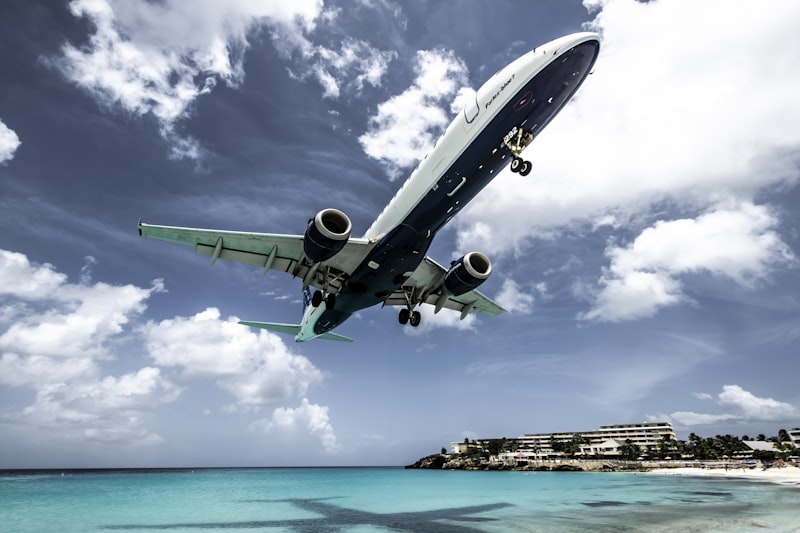
Watch planes land just meters above your head at the world-famous Maho Beach, right next to Princess Juliana Airport. An iconic Caribbean experience.

Explore the charming French-side capital with its open-air market, Creole cuisine, boutique shopping, and waterfront dining along the harbor.
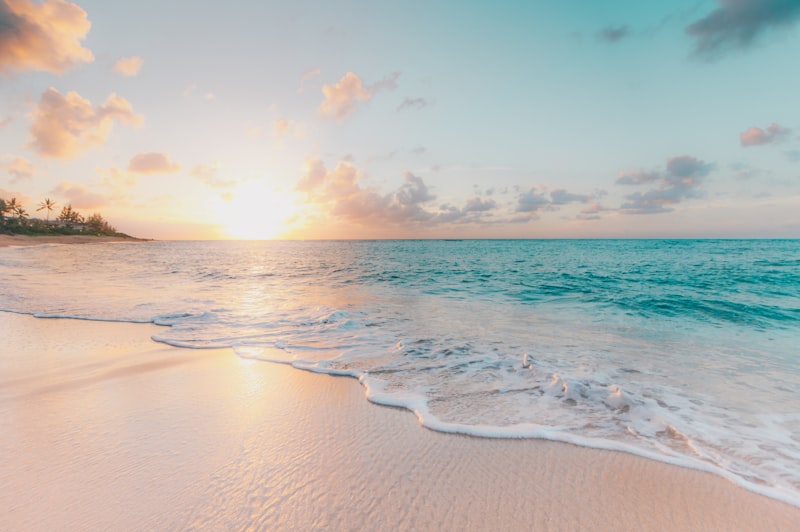
The 'French Riviera of the Caribbean'—a stunning long white sand beach with watersports, beach clubs, and crystal-clear turquoise water.
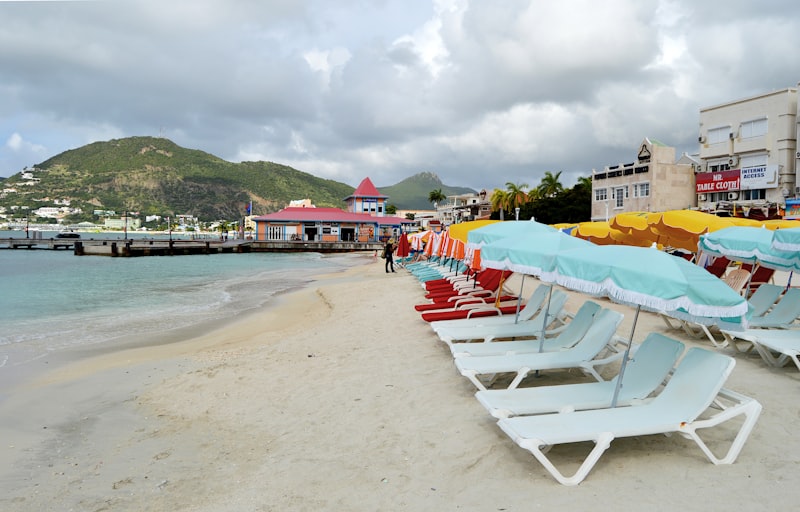
Stroll along the revitalized Great Bay Boardwalk in the Dutch capital with duty-free shopping, restaurants, and views of cruise ships in the harbor.
Budget
How St. Maarten compares to other diving destinations worldwide.
N/A (shore-based diving)
per day liveaboard
$68–$114
per 2-tank dive trip
$114–$398
hotel per night
Prices reflect typical costs for mid-range to premium options. Budget alternatives may be available.
Calmest seas, best visibility up to 32m, warm water
Hurricane season—still diveable but weather can be unpredictable
Good conditions overall with pleasant temperatures
The French side (Saint-Martin) often has better restaurant value than the Dutch side
Book multi-dive packages for significant savings over single-dive rates
Visit during shoulder season (May-June) for 30-50% lower hotel rates
Eat at local lolos (BBQ grills) on the French side for meals under €8
Rent a car to explore both sides — taxis can be expensive for frequent trips
Shop duty-free on the Dutch side for electronics and liquor
Stay in guesthouses or Airbnbs instead of large resorts for better rates
Take advantage of free public beaches — Orient Bay and Maho Beach are stunning
Travel
Princess Juliana International Airport
Philipsburg, St. Maarten • SXM
Direct flights from Miami, New York (JFK), Atlanta, Toronto, Amsterdam, and Paris. Famous for dramatic beach-side landings at Maho Beach.
The Dutch side (Sint Maarten) and French side (Saint-Martin) have separate entry requirements. US, Canadian, UK, and EU citizens generally do not need a visa for stays up to 90 days. A valid passport is required.
This information is provided without guarantee. Check official sources for both Dutch and French sides before traveling.
Official Immigration Information →Plan Your Trip
Good to know
Compare
Honest, in-depth comparisons to help you decide between destinations, certifications, equipment and dive styles.
Choosing between a liveaboard and a land-based dive trip is the most fundamental decision divers face when planning a serious diving holiday. The right answer depends on your priorities: maximum dive count and access to remote sites favor liveaboards; beach time, family flexibility and lower cost favor land-based resorts. Both formats have evolved significantly in the last decade, and the line between them has blurred — luxury dive resorts now offer multi-day expedition trips, while many liveaboards include topside excursions and even spa days. This guide compares the two formats across every meaningful dimension: cost per day, dives per day, marine life access, comfort, social dynamics, family-friendliness, and travel logistics. We'll also cover the hybrid models (resort + day-charter, or 'safari boat' itineraries) that try to capture the best of both worlds. If you're certified, in love with diving and want to maximize bottom time, a liveaboard is almost always the better choice — you can clock 25+ dives in a week and reach sites no day boat can. If you're traveling with non-divers, prefer land-based comfort, or want flexibility to take days off, a resort wins. We'll get into all the nuances below.
Read comparisonScuba diving opens up a breathtaking world hidden just beneath the surface, an activity enjoyed by millions globally. For the vast majority, this means recreational diving. Governed by agencies like PADI and SSI, recreational diving is defined by its limits: no deeper than 40 meters (130 feet), always having a direct path to the surface, and staying within no-decompression limits. This framework allows divers to explore vibrant coral reefs, shipwrecks, and kelp forests with relatively simple equipment and training, focusing on enjoyment and safety within a well-established comfort zone. On the other end of the spectrum lies technical (or tec) diving. Often seen as the 'extreme sport' of the scuba world, tec diving is explicitly about going beyond recreational limits. This means diving deeper than 40 meters, planning for mandatory decompression stops on ascent, or penetrating far into overhead environments like caves or complex wrecks. Agencies such as Technical Diving International (TDI), Global Underwater Explorers (GUE), and PADI's TecRec arm provide the highly specialized training required for these demanding dives. The fundamental difference is one of philosophy. Recreational diving prioritizes risk avoidance by staying within strict, pre-defined boundaries. Technical diving, in contrast, is about risk mitigation. Tec divers intentionally plan to enter situations that would be emergencies for recreational divers, but they do so with extensive training, meticulous planning, redundant equipment systems, and specialized breathing gases. It's a calculated approach to exploring environments that are otherwise inaccessible. This distinction isn't just about numbers and gear; it’s about mindset and motivation. While a recreational diver might be thrilled by the colorful reefs of the Red Sea, a technical diver might be drawn to the challenge of exploring a deep, historic wreck like the Britannic off the coast of Greece. Understanding the differences in limits, equipment, training, and risk is crucial for any diver considering where their underwater journey might lead next.
Read comparisonExplore our expedition vessels and find your perfect trip to St. Maarten


