About
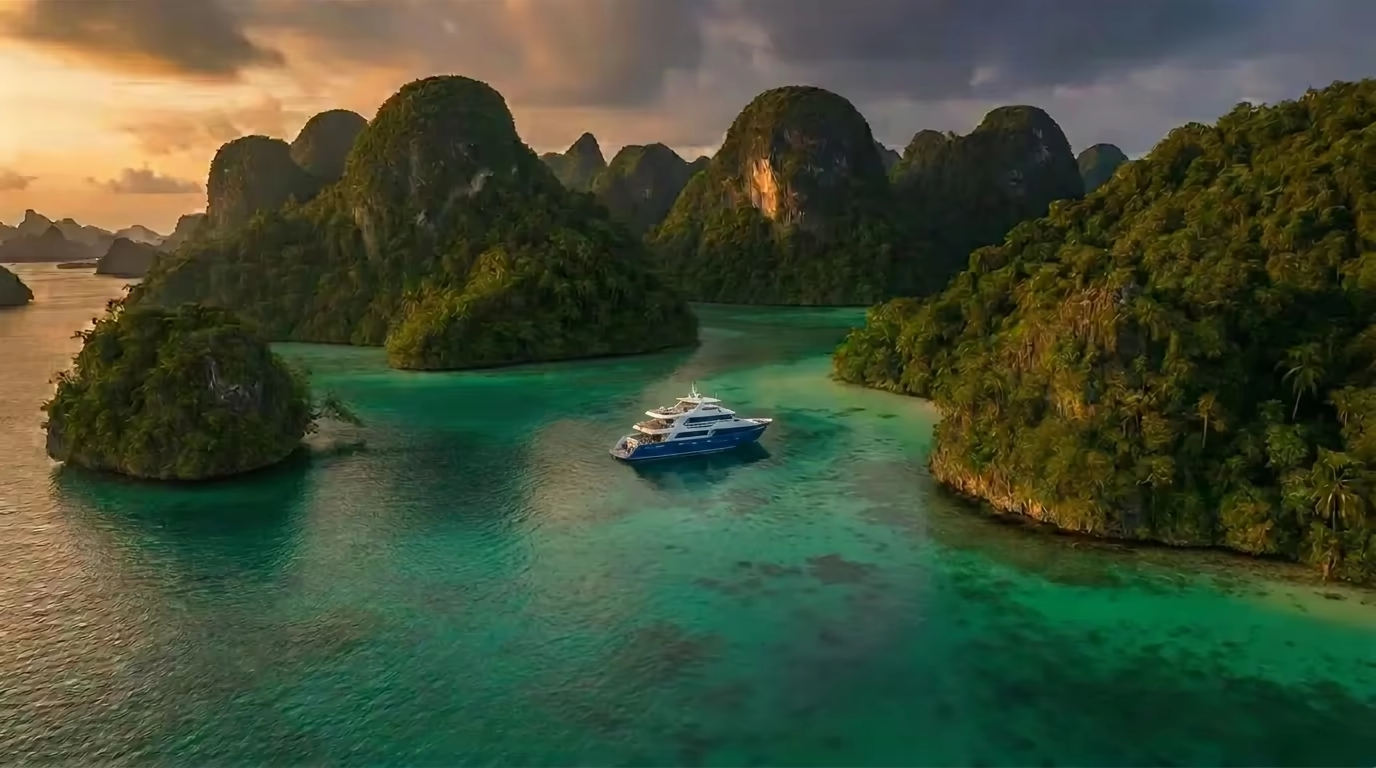
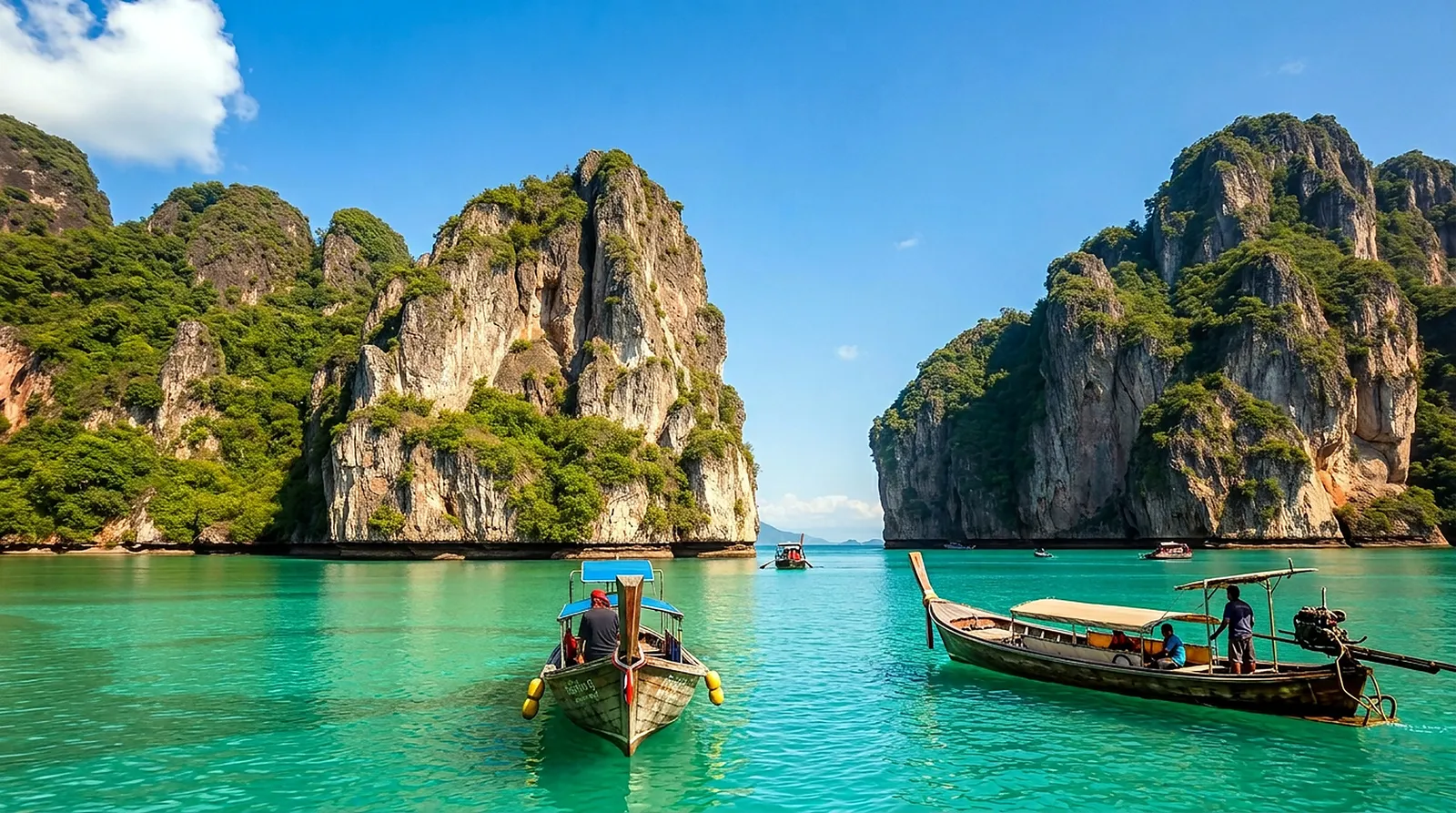
Situated at the very heart of the Coral Triangle, the Philippines offers a level of marine biodiversity and geographical variety that is simply staggering. With over 7,600 islands, a Philippines liveaboard is the definitive way to navigate…
About
Situated at the very heart of the Coral Triangle, the Philippines offers a level of marine biodiversity and geographical variety that is simply staggering. With over 7,600 islands, a Philippines liveaboard is the definitive way to navigate…
Available Liveaboards
Explore our handpicked fleet of liveaboards operating in this region
Loading vessels...
Why Dive Here
Coron's Japanese WWII shipwrecks are among the world's most accessible and photogenic wreck dives.
Malapascua is the only place on Earth with reliable daily sightings of pelagic thresher sharks.
Over 2,000 fish species and 500 coral species — one of the highest marine biodiversity counts on the planet.
Moalboal's resident sardine school of millions creates mesmerizing underwater tornadoes year-round.
Dive Season
Plan your trip around the best conditions for diving, visibility, and marine encounters
Best diving conditions across most regions. Calm seas, excellent visibility. Tubbataha Reef accessible Mar–Jun only. Thresher sharks year-round at Malapascua.
Weather shifts between seasons. Still excellent diving in many areas. Fewer crowds and lower prices. Some regions still offer perfect conditions.
Typhoon season — mainly affects northern regions. Southern Visayas and Mindanao still offer good diving. Reduced visibility. Best prices and fewest crowds.
Only in
Extraordinary natural events that make Philippines a once-in-a-lifetime diving destination

Malapascua
Dive with the elusive and elegant thresher sharks at Monad Shoal – one of the only places in the world where these pelagic beauties visit shallow cleaning stations.
Read more
Moalboal, Cebu
Snorkel above millions of sardines forming mesmerizing bait balls off Moalboal's coastline, creating one of the Philippines' most iconic underwater spectacles.
Read more
Sulu Sea
Join a liveaboard expedition to UNESCO-listed Tubbataha Reef, one of the world's top dive sites with pristine walls, sharks, and untouched coral gardens.
Read moreExplore
Aladin is a prominent dive site located within the Apo Reef Natural Park in the Philippines, distinguished by its extensive reef and dramatic wall topography. As a boat dive, it offers an immersive experience into one of the country's most biodiverse marine protected areas, characterized by exceptional coral health. The site features a dynamic depth range, with the reef crest starting around 4 meters and descending along a wall to a maximum depth of 40 meters. This varied underwater landscape supports a wide array of marine species, from intricate reef fish to larger pelagic visitors, often seen cruising the deeper sections. The visibility is typically very good, enhancing the visual spectacle of the coral formations. While specific seasonal sightings of pelagic marine life are not detailed for Aladin, the Apo Reef area generally offers consistent marine biodiversity. The best conditions for diving, including calmer seas and excellent visibility, are experienced during the dry season, particularly from January to May and in December. Divers at Aladin can expect a well-structured reef dive that transitions into a thrilling wall dive. Entry is typically by boat, requiring careful coordination with the dive guide. The site is best suited for Advanced Open Water divers or those with at least 25 logged dives, allowing for a comprehensive exploration of its deeper and more exposed sections.
Agnay Fish Sanctuary is nestled in a sheltered bay near the village of Agnay in Romblon, a province celebrated for its rich marine biodiversity. This sanctuary is a highlight for divers seeking untouched sites within the Verde Island Passage, recognized as the 'center of the center of marine biodiversity'. The most striking feature of the Agnay reef is its formation of dome-shaped Acropora corals, creating a unique underwater landscape. The site is suitable for all experience levels, with depths ranging from shallow areas to deeper sections, supporting a diverse array of marine species. While specific seasonality for marine life at Agnay is not detailed, the region generally boasts high biodiversity year-round. Expect to encounter large schools of various fish, and opportunistic sightings of eagle rays and sharks, particularly during the calm morning hours. Diving here offers a serene experience, often without other groups, providing an intimate encounter with the vibrant ecosystem. The consistent warm waters and good visibility typical of Romblon ensure comfortable and rewarding dives.
Angol Point is a prominent dive site located on Boracay Island, known for its tranquil conditions and rich biodiversity. Situated near the southern end of White Beach, it offers easy access and a serene underwater environment, making it a favorite for divers seeking both training and enjoyable recreational dives. The site boasts a gently sloping reef, vibrant coral formations, and abundant marine life. Depths at Angol Point range from 5 to 18 meters, extending to 10 to 16 meters in some areas. This shallow profile contributes to its calm reputation, allowing for extended bottom times and a comfortable experience for divers. The topography includes stony corals, leather corals, anemones, and sponges, providing ample habitat for various species. Marine life here is diverse year-round, featuring numerous reef fish, sea snakes, nudibranchs, and groupers. Its sheltered location ensures consistent conditions, with excellent visibility usually exceeding 20 meters. This combination of manageable depth, clear water, and flourishing ecosystems makes Angol Point suitable for a wide range of underwater activities. The dive experience at Angol Point is typically characterized by minimal currents, creating a relaxed atmosphere ideal for beginners, night diving, and underwater photography. Divers can explore the reef at a leisurely pace, observing both macro subjects and shoals of fish amidst colorful coral gardens. It's often included in Boracay itineraries for its accessibility and rewarding encounters.
San Miguel Island in the Philippines is a celebrated dive destination, known for its rich marine life and stunning underwater landscapes. Situated within the central Philippines, it benefits from the region's abundant biodiversity, forming part of the Coral Triangle, a global epicenter for marine species. The island provides an array of dive sites, featuring healthy coral reefs, fascinating walls, and diverse habitats that support both macro critters and larger pelagic species. The underwater topography around San Miguel Island typically includes sloping reefs descending to deeper walls, creating diverse environments for marine inhabitants. Depths generally range from shallow coral gardens suitable for less experienced divers to deeper areas accessible to advanced divers seeking more challenging profiles. The clarity of the water often provides excellent visibility, enhancing the exploration of its vibrant ecosystems. Marine life sightings are consistent throughout the year, with specific seasons potentially highlighting different species. The area is home to a wide variety of tropical fish, various coral species, and often includes encounters with sea turtles and reef sharks. Macro enthusiasts will also find an abundance of small, unique creatures among the corals. Diving at San Miguel Island is generally conducted via day boats or liveaboards, offering flexibility for divers to explore multiple sites. Conditions are typically favorable for diving for much of the year, providing opportunities for both beginner and experienced divers to enjoy its underwater wonders, with a focus on reef exploration and marine observation.
Beyond Diving
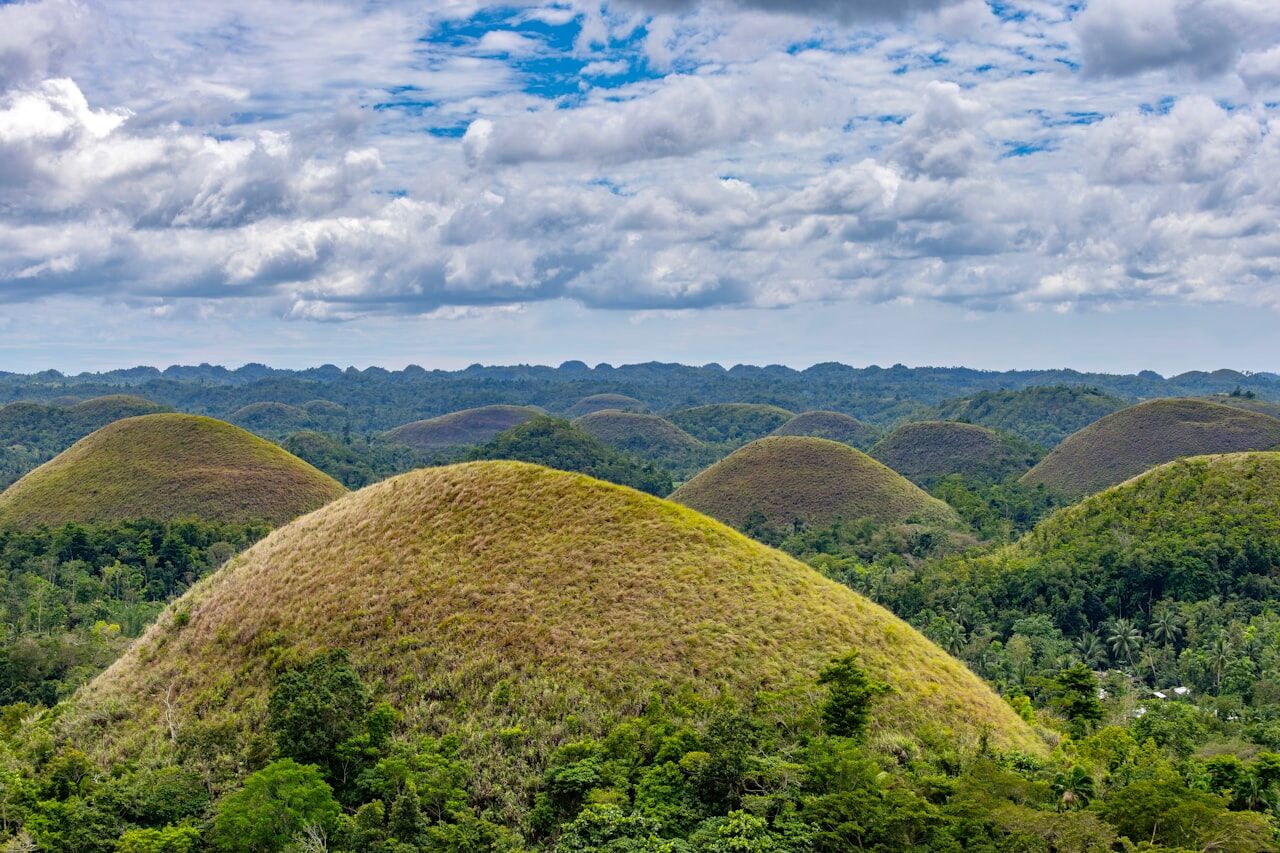
Marvel at over 1,200 perfectly symmetrical hills that turn chocolate-brown during the dry season. This geological wonder is one of the Philippines' most iconic natural landmarks.
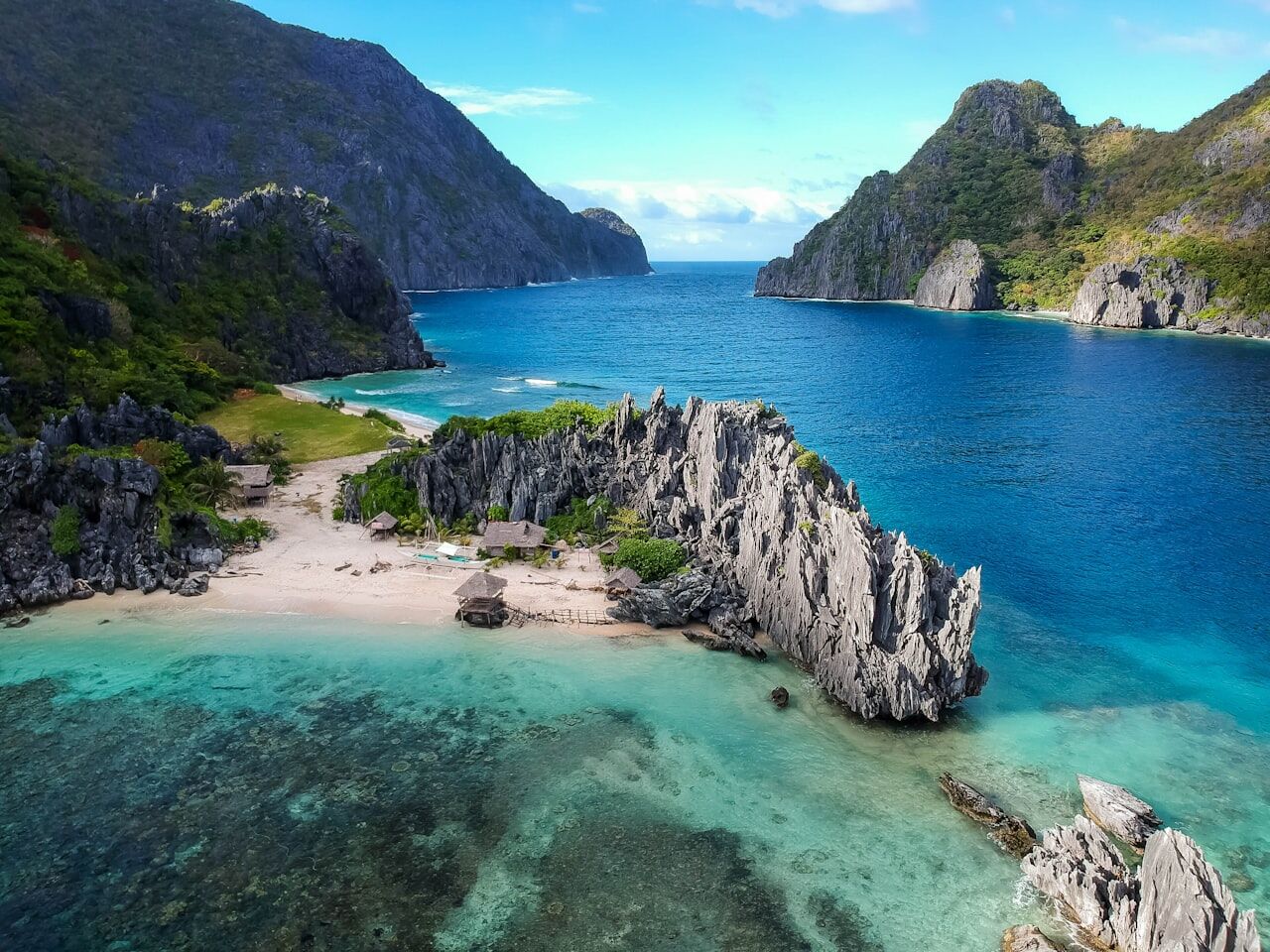
Explore the stunning limestone archipelago of El Nido in Palawan. Hidden lagoons, secret beaches, and towering karst cliffs create some of the most photogenic scenery in Southeast Asia.
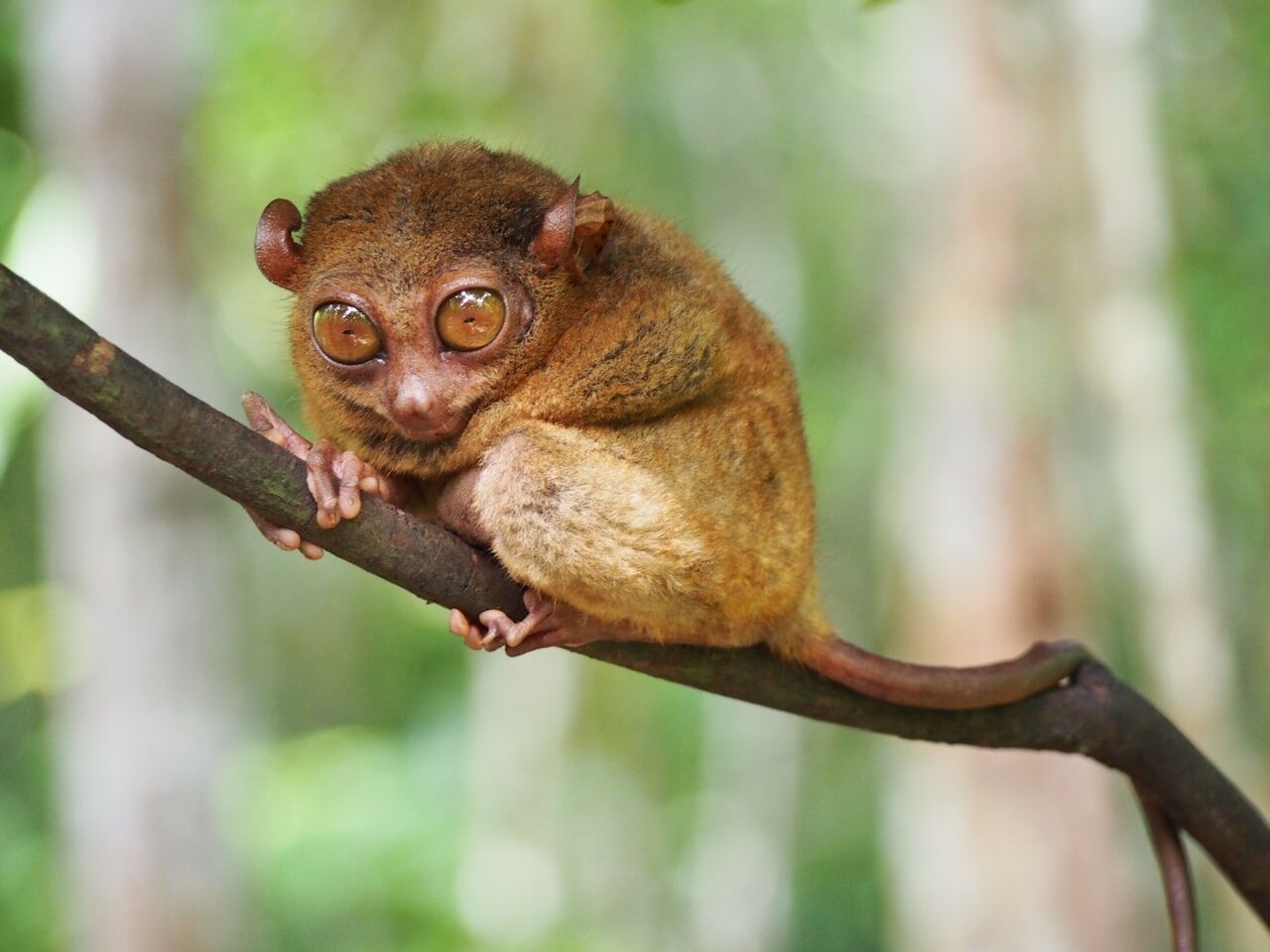
Meet the tiny Philippine tarsier, one of the world's smallest primates, at its protected sanctuary in Bohol. These saucer-eyed nocturnal creatures are endemic to the Philippines.
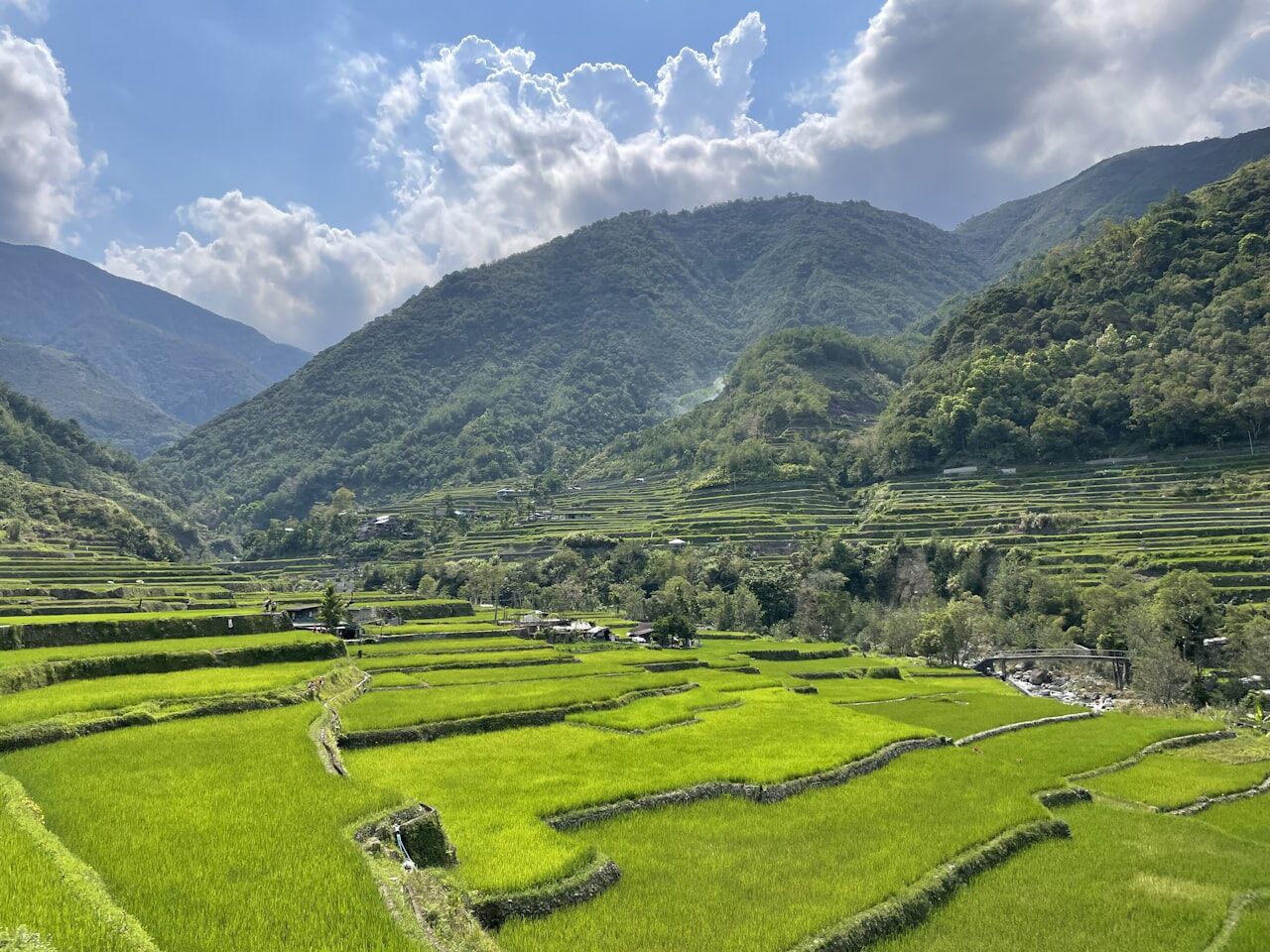
Stand before the 2,000-year-old Ifugao Rice Terraces, carved into the mountains by hand. This UNESCO World Heritage Site is often called the "Eighth Wonder of the World."
Budget
How Philippines compares to other diving destinations worldwide.
$150–$350
per day liveaboard
$25–$60
per 2-tank dive trip
$15–$150
hotel per night
Prices reflect typical costs for mid-range to premium options. Budget alternatives may be available.
Best diving conditions across most regions. Calm seas, excellent visibility. Tubbataha Reef accessible Mar–Jun only. Thresher sharks year-round at Malapascua.
Weather shifts between seasons. Still excellent diving in many areas. Fewer crowds and lower prices. Some regions still offer perfect conditions.
Typhoon season — mainly affects northern regions. Southern Visayas and Mindanao still offer good diving. Reduced visibility. Best prices and fewest crowds.
The Philippines is one of the most affordable diving destinations in the world.
Open Water certification courses start from $250 — among the cheapest globally.
Local guesthouses near dive sites cost $15–30/night.
Eat at local eateries (carinderias) for meals under $2.
Domestic flights with Cebu Pacific offer fares from $30 between islands.
Avoid Christmas/New Year peak season for lower prices.
Travel
Ninoy Aquino International Airport
Manila • MNL
Main gateway with worldwide connections
Mactan-Cebu International Airport
Cebu • CEB
Gateway for Visayas diving with direct flights from Asia, Middle East, and Australia
Visa-free for 30 days for most nationalities. Passport must be valid for 6+ months. Extension up to 36 months possible.
This information is provided without guarantee. Please visit the official website for the latest entry requirements.
Official Immigration Information →Plan Your Trip
Good to know
Explore our expedition vessels and find your perfect trip to Philippines