
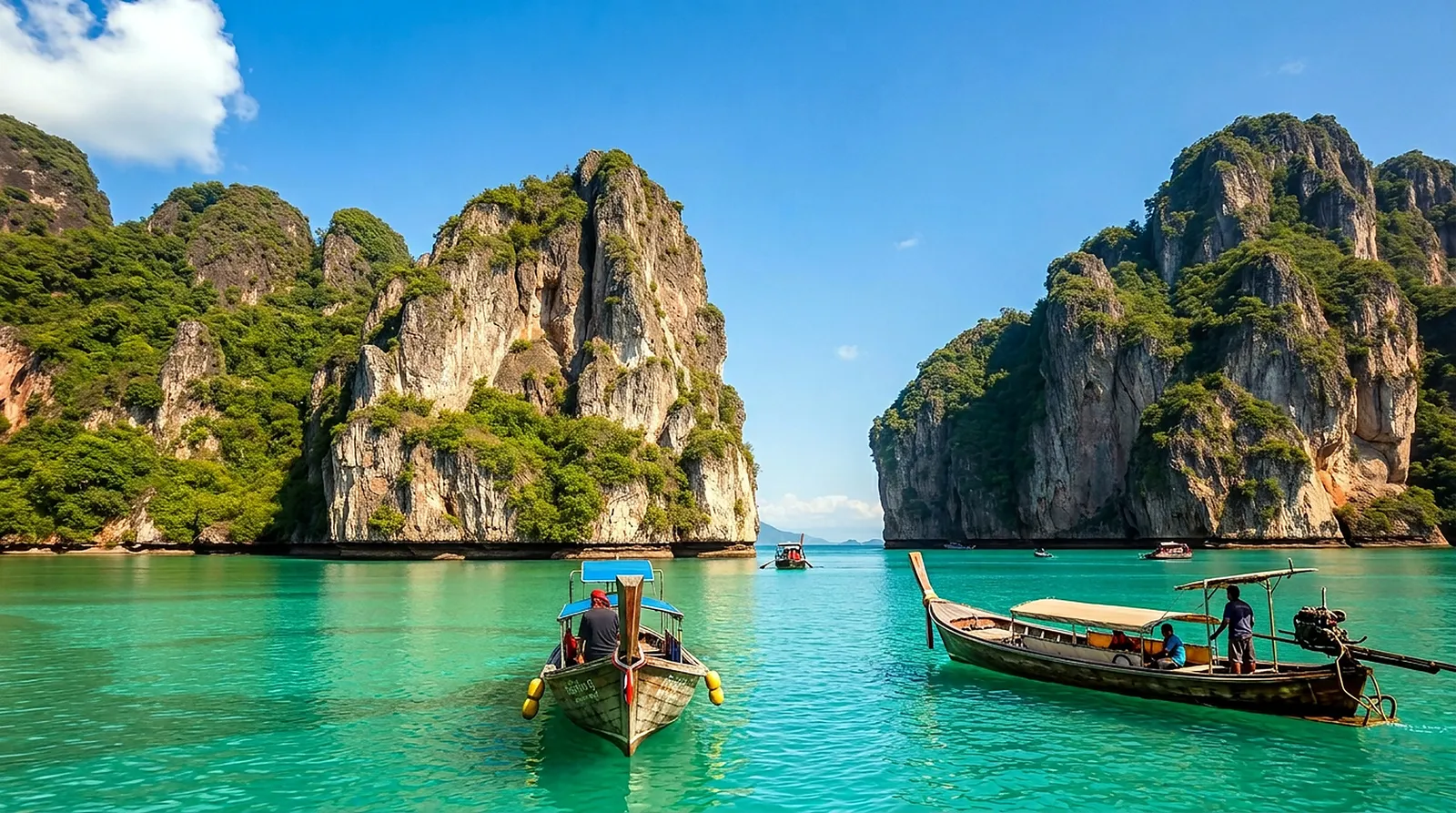
Tubbataha Reef, thresher sharks and the Coral Triangle's richest waters
The Philippines is a 7,641-island archipelago in the heart of the Coral Triangle, blessed with the second-highest marine biodiversity on Earth after Indonesia, and a coastline that runs for 36,000 kilometers — more than the Earth's circumference. Liveaboards in the Philippines are typically more affordable than their Indonesian or Maldivian neighbors and focus on three legendary regions: Tubbataha Reefs Natural Park (a remote UNESCO atoll system in the middle of the Sulu Sea, accessible only by liveaboard from March to June), the Visayas (Malapascua's thresher sharks, Apo Reef, Cebu's sardine runs), and the rich muck and coral of the Verde Island Passage near Mindoro. Add Filipino warmth, English fluency, world-class macro photography opportunities and a culture that blends Spanish, Malay and American influences, and you have one of Southeast Asia's most rewarding diving destinations.
Tubbataha Reefs has a strictly enforced season — the park is open to liveaboards only from mid-March to mid-June, when the seas are calmest and visibility is best. Within this window, April and May are peak: blue water, manta and whale shark sightings, schooling sharks, full pelagic action. The rest of the Philippines dives well year-round but the dry season (November to May) brings the best conditions across most of the country, with February to May being the absolute prime window. Typhoon season (June to October) primarily affects the eastern seaboard and northern Luzon; central Visayas remain diveable but trips can be rerouted. Thresher sharks at Monad Shoal (off Malapascua) are reliable year-round at dawn. Sardine runs near Moalboal happen daily but are most spectacular November to June.
Manila (MNL) is the main international gateway, served by direct flights from most of Asia, the Middle East and a handful of US/European hubs. Cebu (CEB) is a major secondary hub with direct flights from Singapore, Hong Kong, Tokyo and Seoul, and often the more convenient entry point for Visayan diving. Tubbataha liveaboards almost all embark from Puerto Princesa (PPS) on Palawan, reached by short domestic flights from Manila or Cebu (90 minutes). Visa-free entry is granted for 30 days to most Western nationalities. Build at least one buffer day in Manila or Puerto Princesa — domestic flights can be delayed and missing your liveaboard is expensive. Domestic baggage allowances are tight (usually 20 kg checked); confirm dive-gear allowance in advance.
Puerto Princesa (PPS), Palawan, is the sole gateway for Tubbataha trips — a working port with a small but functional marina district, a few hotels and most operators based here for the short March-June season. Cebu (CEB) and Mactan are the launching points for Visayan liveaboards (Apo Reef, Malapascua thresher trips, sardine run combinations). Some itineraries combining Tubbataha with the Visayas embark in Coron or Busuanga (USU). Batangas Port (south of Manila) serves a few Verde Island Passage / Anilao itineraries.
Tubbataha Reefs consists of two atolls (North and South) and the smaller Jessie Beazley Reef, all rising from 2,000 meters of open Sulu Sea. Walls drop vertically into the abyss, with platforms in 5-25 m hosting some of the most pristine hard coral cover in Asia. Sharks (whitetips, grey reefs, hammerheads, occasional tigers and threshers), schooling jacks and barracuda, manta rays and whale sharks (peak April-May) are the headliners. Apo Reef — Mindoro's UNESCO-listed atoll — offers similar pristine coral and sharks at a fraction of the cost, often combined with Verde Island. Malapascua's Monad Shoal is the world's only daily site for pelagic thresher sharks at dawn. Moalboal's million-strong sardine run plays out daily 5 meters off the beach. Anilao (Batangas) is the macro photographer's paradise — ribbon eels, blue-ringed octopus, frogfish, mandarin fish and rare critters in shallow coral and sand.
Filipino liveaboards are typically more relaxed and affordable than their Indonesian counterparts — expect comfortable rather than luxurious cabins, excellent fresh local cuisine (seafood, rice, tropical fruit) and a famously warm crew. Tipping is appreciated and pooled: $150-300 per guest per week is standard, paid in cash (USD or PHP). English is the working language of dive crew and most Filipinos speak it fluently. Bring small US bills and Philippine pesos for park fees (Tubbataha conservation fee around $130 per guest, paid in cash on arrival or in advance), bar tabs and souvenirs. Water temperatures are 27-30°C year-round in most areas, dropping to 25-26°C in Tubbataha during early season — a 3 mm wetsuit covers most situations. Nitrox is widely available, usually $80-120 per week.
Filipino dive guides are among the world's best at spotting macro critters — share your wish list (mandarin fish, blue-ringed octopus, hairy frogfish) and they will deliver. Tubbataha trips fill 12-18 months in advance — book early. Hyperbaric chambers are in Cebu, Subic Bay and Manila. Wi-Fi on Tubbataha trips is limited or absent; the Visayan boats often have it. Power outlets are mixed (American flat-pin and European round-pin both common); bring a universal adapter. Catholic public holidays (Holy Week in particular, in early April) can affect domestic flight schedules and ferry connections. The Philippines is generally safe for tourists in dive areas; basic urban precautions in Manila apply.
Tubbataha is a remote site and weather windows can vary — the published season is mid-March to mid-June but the best diving and most reliable weather is April-May. Strong currents are common at the corners and on the walls; Advanced Open Water plus a minimum of 50 logged dives is typically required, with some operators wanting 100+. Domestic flights to Puerto Princesa are sometimes delayed; build at least 24 hours of buffer on each side. Typhoons can disrupt itineraries from June to October; the dry-season Tubbataha months are typhoon-free. Marine park fees and conservation surcharges add $150-200 per guest above the headline price for Tubbataha. The Philippines is one of the world's most affordable liveaboard destinations relative to the quality of diving — a great choice for divers wanting big-animal action without Galápagos prices.
Compare every liveaboard, every itinerary, every cabin — book direct with the operator at the best price.