Pygmy Seahorse
Hippocampus bargibanti
About Pygmy Seahorse
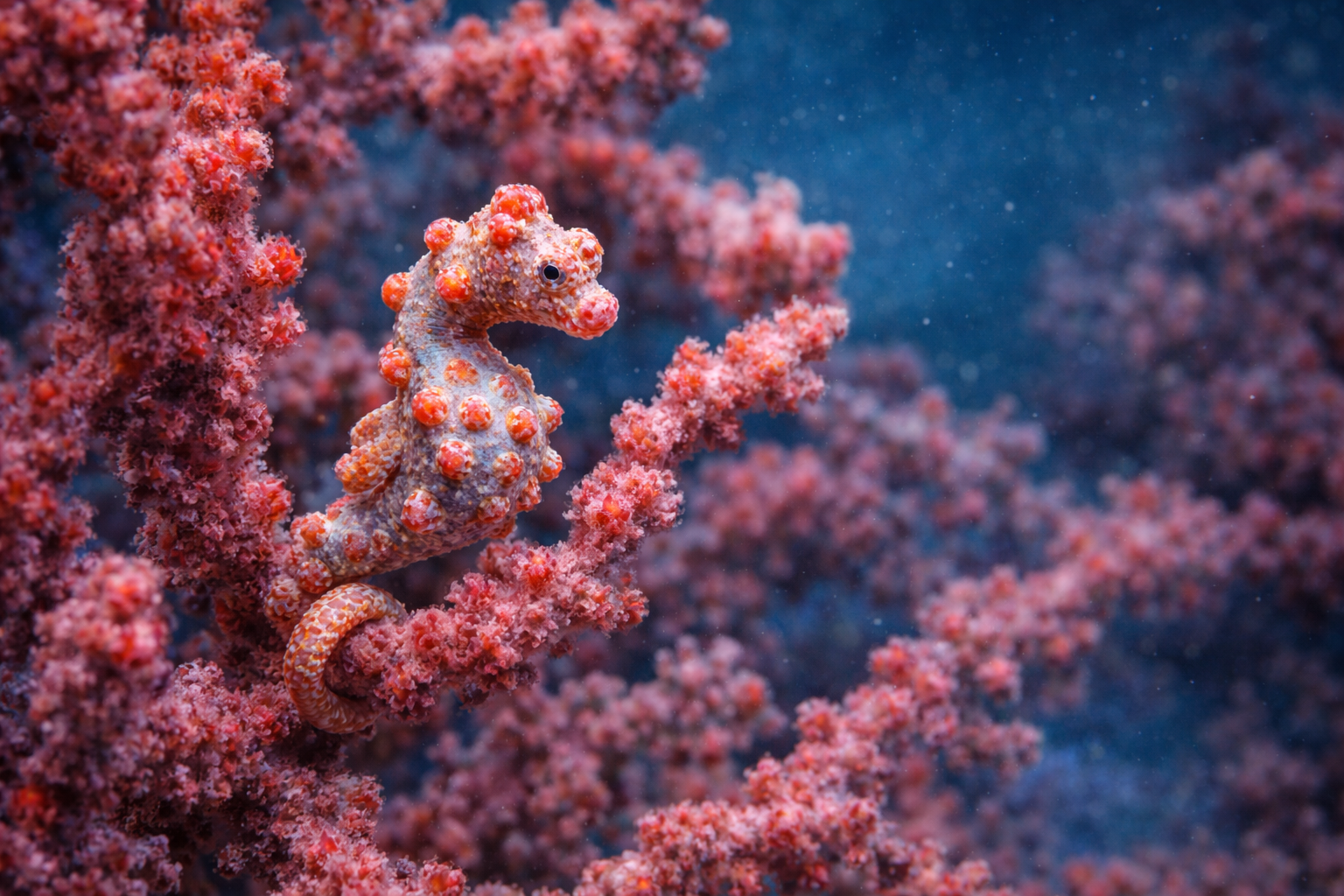
Pygmy seahorses are tiny marvels of camouflage, measuring less than 2cm and perfectly mimicking the gorgonian sea fans they inhabit. Raja Ampat hosts multiple species.
Quick Facts
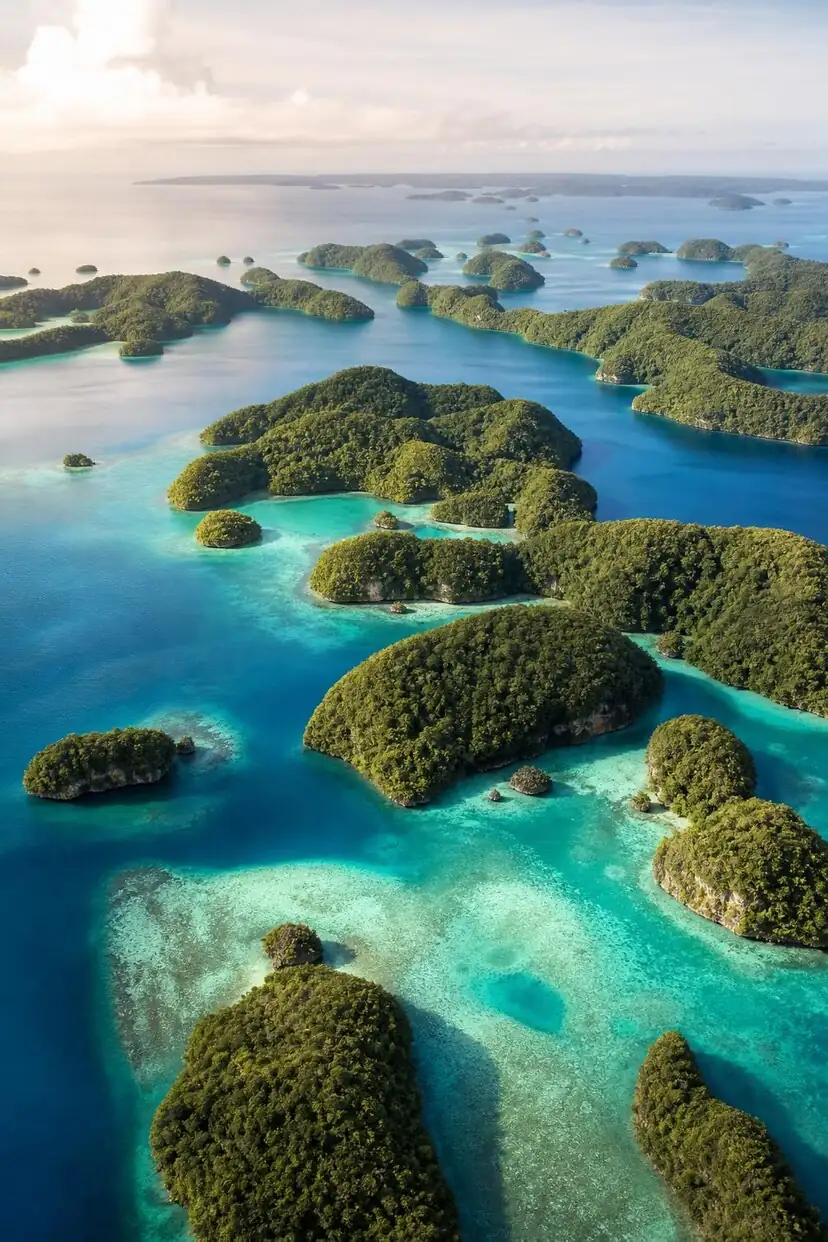
- Habitat: The pygmy seahorse, *Hippocampus bargibanti*, is a master of **camouflage**, living exclusively on Muricella gorgonian corals, primarily *Muricella plectana* and *Muricella parviflora*. These tiny, cryptic fish are found across the **Coral Triangle** and Western Pacific, ranging from Southern Japan to Australia's Great Barrier Reef, and westward to Indonesia, Malaysia, and the Philippines. Excellent locations to encounter them include **Lembeh Strait** in Indonesia, known for its muck diving, and the vibrant reefs of **Raja Ampat**. In the Philippines, divers often spot them in **Anilao Batangas** and the Visayas. Their habitat is typically on coral walls or slopes at depths ranging from **10 to 40 meters**, though they can be found shallower or deeper. They exhibit a strong site fidelity, often remaining on the **same coral fan** for their entire lives, blending seamlessly with its polyps in color and texture. Their microscopic size and perfect mimicry make them one of the ocean's most challenging and rewarding macro subjects for divers.
- Diet: Pygmy seahorses are **carnivorous micro-predators**, preying on tiny crustaceans, primarily copepods and other minute zooplankton. Due to their incredibly small size, reaching only about 2.7 cm (1 inch) in height, their diet consists of some of the ocean's smallest organisms. They are **ambush hunters**, relying heavily on their extraordinary camouflage to remain undetected by both prey and predators. Perched perfectly still on their host gorgonian coral, they wait for unsuspecting zooplankton to drift within striking distance. When a suitable meal approaches, they execute a rapid, precise strike, sucking the prey into their **tubular snout**. This feeding strategy is highly efficient, minimizing energy expenditure in their slow-paced existence. Their survival is entirely dependent on a healthy planktonic community surrounding their coral home.
- Best season: While pygmy seahorses can be found year-round in many parts of their range, specific seasons might offer **optimal diving conditions** or better visibility. In **Indonesia**, such as Lembeh Strait and Raja Ampat, the **dry season from May to October** generally brings calmer seas and clearer water, which can make locating these tiny creatures slightly easier. However, these sites are often excellent **year-round for macro life**. In the **Philippines**, particularly Anilao and the Visayas, the **best months are typically October to May**, avoiding the peak typhoon season. The visibility during these months tends to be superb, enhancing the chances of spotting these masters of disguise. Ultimately, their presence is dictated by the health of their host gorgonian coral and the surrounding environment, which typically remains stable across seasons, making them a **reliable year-round find** when local conditions permit diving.
Fun Facts
Males carry and give birth to the young, like all seahorses,They were discovered by accident when a sea fan was collected for research,At least seven species of pygmy seahorse have now been identified,They can change colour slightly to match their host fan
Diving Tips
Locating pygmy seahorses requires **exceptional patience and a keen eye**, often best achieved with an experienced local guide. They are extremely sensitive to disturbance, so **maintain neutral buoyancy** and **avoid any contact** with their host gorgonian coral. Hover motionless several feet away and let your guide point them out; once spotted, move slowly and deliberately. When viewing, limit your bottom time near the seahorse to allow other divers an opportunity and to minimize stress on the animal. **Never touch** or attempt to manipulate the seahorse or its coral. Bright, powerful dive lights can also stress these delicate creatures; use a **diffused light or red-light filter** for photography. Remember that illegal collection is a significant threat, so **report any suspicious activity**. Adhering to responsible diving practices, such as the **Project AWARE 10 Tips for Divers**, ensures the long-term protection of these incredible mini-marvels. Slow down, breathe deeply, and enjoy the reward of finding one of the ocean's most charismatic micro-fauna.