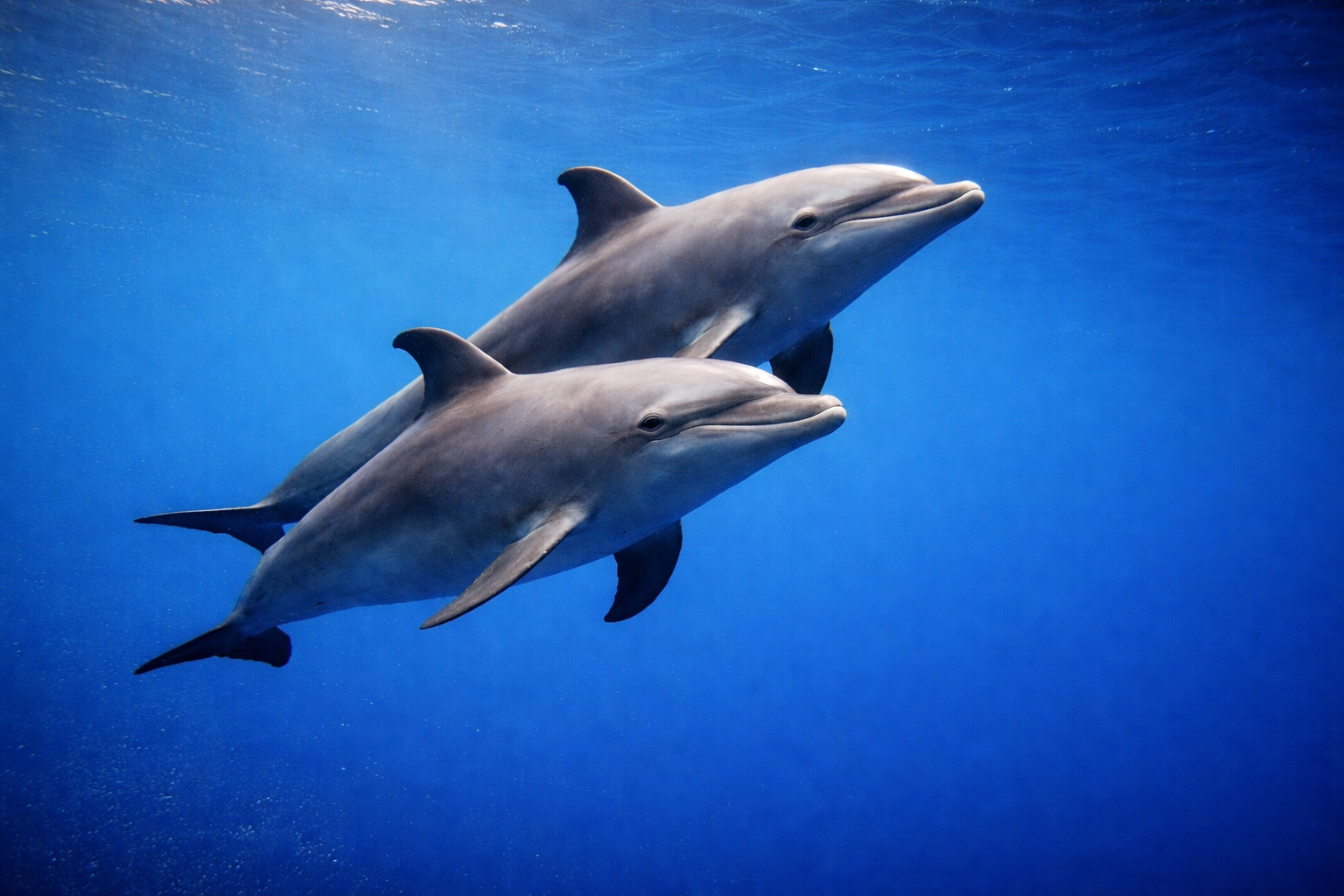
Bottlenose Dolphin
Tursiops truncatus
About Bottlenose Dolphin
Playful encounters
Quick Facts
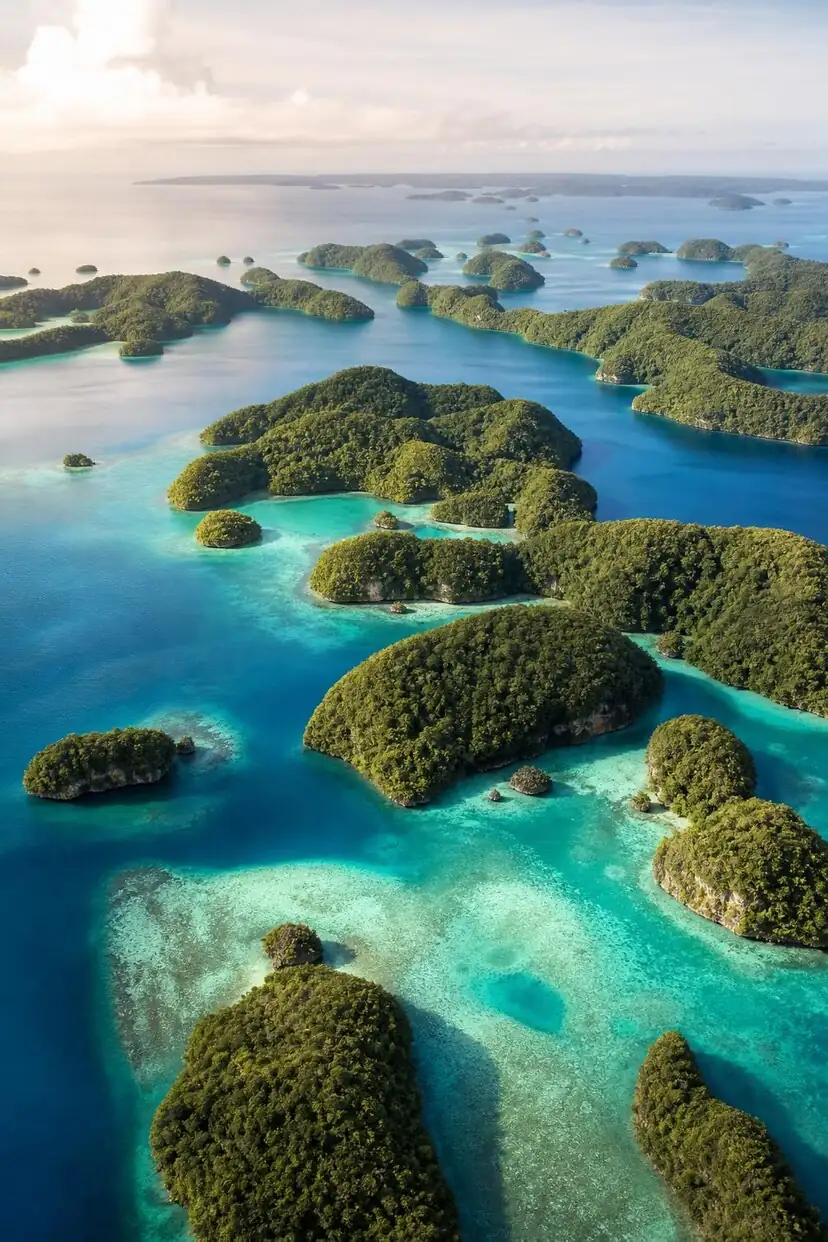
- Habitat: Bottlenose dolphins, *Tursiops truncatus*, are highly adaptable marine mammals found in **temperate and tropical waters** worldwide, showcasing a remarkable range of habitats. They are most commonly encountered in **coastal areas**, including bays, estuaries, harbors, and shallow offshore waters, typically over continental shelves. Their presence is notable in the **Caribbean Sea**, particularly around the Bahamas, Belize, and the Cayman Islands, where they frequent vibrant coral reefs and seagrass beds. In the **Pacific Ocean**, they are often sighted along the coasts of California, Mexico's Baja California Peninsula, and throughout the Indo-Pacific, including the Philippines and Indonesia, adapting to diverse underwater topographies. The **Atlantic Ocean** hosts robust populations along the eastern seaboard of the United States, from Florida to North Carolina, as well as along the coasts of Europe and Africa. While they primarily inhabit shallower waters, they can occasionally be found in **deeper oceanic environments**, especially transient populations or during migrations. Their habitat choice is often influenced by prey availability and water temperature, leading them to follow **seasonal movements** of their food sources. They demonstrate strong site fidelity in many regions, forming resident populations that divers can reliably encounter.
- Diet: Bottlenose dolphins are **opportunistic and skilled predators** with a varied diet consisting mainly of fish, squid, and crustaceans. Their hunting strategies are diverse and highly effective, making them apex predators in many marine ecosystems. They often employ **cooperative hunting techniques**, herding schools of fish into tight 'bait balls' against the surface or into shallow waters, making them easier to catch. Individual dolphins use **echolocation** to detect prey, emitting high-frequency clicks and interpreting the returning echoes to form a precise acoustic image of their surroundings, even in murky waters. Common prey items include schooling fish such as Atlantic croaker, spotted seatrout, mullet, and anchovies, depending on the geographic location and season. They also feed on bottom-dwelling fish like eels and small sharks. **Cephalopods**, particularly squid and octopuses, constitute a significant portion of their diet in some areas. Their powerful jaws and numerous conical teeth are perfectly adapted for **grasping and holding slippery prey**, which they typically swallow whole, headfirst. This diverse diet allows them to thrive in various marine environments.
- Best season: Encounters with bottlenose dolphins can be quite consistent throughout the year in many tropical locations due to their **non-migratory nature** in resident populations. However, specific seasons can offer **peak viewing opportunities** based on calmer waters, better visibility, and their reproductive cycles. In the **Caribbean**, particularly around the Bahamas and Turks & Caicos, **late spring through fall** (April to November) generally provides ideal conditions with reduced wind and excellent water clarity, leading to more surface activity and easier spotting. Along the **East Coast of the USA**, from Florida to North Carolina, **spring and summer** (March to September) are prime times, as warmer waters bring their preferred prey closer to shore, and calves are often observed with their mothers. In the **Pacific**, off the coast of Baja California, Mexico, **winter and spring** (December to May) coincide with whale migration season, during which dolphins are also frequently sighted, often accompanying larger cetaceans. For **Indo-Pacific** destinations like the Philippines or Indonesia, the **dry season** (typically May to October, varying by specific island) usually offers the best diving conditions and highest likelihood of dolphin encounters. Local populations in these regions are generally present year-round, but these periods enhance the **overall diving experience** and increase the probability of sightings.
Fun Facts
Dolphins sleep with one half of their brain at a time,They can recognise themselves in mirrors,Dolphins have been known to help injured humans,They can swim up to 35 km/h
Diving Tips
Encountering bottlenose dolphins underwater is a **truly special experience**, and divers must remember these are wild animals deserving of respect and minimal disturbance. Always maintain a **respectful distance**, generally at least 30-50 feet. **Never chase, touch, or feed** dolphins, as this can alter their natural behaviors, create dependency, and pose risks to both the animals and divers. Feeding wild dolphins is often **illegal and harmful**. Observe their behavior; if they show signs of stress or avoidance, move away slowly. Look for their distinct **surface breaches** or dorsal fins cutting through the water, often indicative of their presence nearby. Underwater, listen for their **whistles and clicks**, which might signal they are in the vicinity before you see them. When diving, keep movements **slow and deliberate** to avoid startling them. They are naturally curious and may approach divers on their own terms; if this happens, remain calm and **do not initiate contact**. Many regions have specific **marine mammal protection laws** (e.g., the Marine Mammal Protection Act in the US); familiarize yourself with local regulations before your dive trip. Responsible operators will brief you on appropriate interaction protocols. Remember, the **goal is observation**, not interaction, ensuring the long-term well-being of these magnificent creatures and preserving the integrity of their natural environment for **future generations of divers**.