Bluerides – Blue Rides - Reserva cruceros de buceo en todo el mundoOCEAN ADVENTURES
Cruceros de aventura

Adventure Cruise destinations

Small ships, remarkable places and unforgettable wildlife.

  • AlaskaAlaskaAmericas
  • Costa RicaCosta RicaAmericas
  • FloridaFloridaAmericas
  • GalápagosGalápagosAmericas
  • MexicoMexicoAmericas
  • New EnglandNew EnglandAmericas
  • Cape VerdeCape VerdeEMEA
  • CroatiaCroatiaEMEA
Adventure CruisesAdventure Cruise search
OfertasNaturaleza y faunaNuestra promesaContacto
Cruceros de aventuraOfertasNaturaleza y faunaNuestra promesaContactoIniciar sesión

Contacto

Contáctanos

Escríbenos cuando quieras: te ayudamos a elegir el viaje o a resolver cualquier duda.

Correo electrónicoEscríbenos: solemos responder en pocas horas.
contact@bluerides.com
WhatsAppEscríbenos por WhatsApp, lun–vie 10:00–16:00 (CET).
Iniciar chat de WhatsApp
TeléfonoLlámanos, estaremos encantados de ayudarte.
Llamada gratuita, lun–vie 10:00–20:00 (CET).
Europa+49 800 1144 990EE. UU.+1 888 557 7735Reino Unido+44 800 707 4152Australia+61 2 8599 6113Canadá+1 888 557 7735
Which expedition is yours?Answer 8 quick questions and find the adventure cruise that fits you.
8 questions, 1 minute·Plus Gift
Métodos de pago segurosSus pagos están completamente protegidos con cifrado AES-256.
Desarrollado porStripeWiseAMEXPayGoogle PaySEPABank

Operadores de flota

  • Aggressor Adventures
  • Master Liveaboards
  • Emperor Liveaboards
  • DUNE Liveaboards
  • Sea Serpent Fleet
  • Blue Force Fleet
  • Todos los liveaboards (A–Z) →

Mejores sitios de buceo

  • SS Thistlegorm
  • Great Blue Hole
  • Richelieu Rock
  • Blue Corner
  • Ras Mohammed
  • Elphinstone Reef
  • Mejores sitios de buceo (A–Z) →

Guías y FAQ

  • FAQ de liveaboards
  • Buceo en liveaboard en el mundo
  • Mejores Liveaboards del Mundo
  • Guía de Buceo Liveaboard
  • Glosario de Buceo
  • Comparativas de buceo
  • Ver todas las guías →

Ciencia

  • Alimentación y Cebo de Tiburones
  • Alimentación de Ballenas y Tiburones Ballena
  • Blanqueamiento de Corales y Calentamiento Oceánico
  • Acidificación del Océano
  • Sobrepesca: La Evaluación Mundial de los Caladeros
  • Fisiología del buceo e investigación sobre descompresión
  • Todos los artículos de Ciencia →
Aviso legal·Términos y condiciones·Política de privacidad·Sobre nosotros·Contacto·Exención de Responsabilidad·Programa de afiliados·Viajes especiales·
4.8 / 5 · 246Leer nuestras opiniones
Visítanos aquí

© 2026 Blue Rides. Todos los derechos reservados.·

Bluerides – Blue Rides - Reserva cruceros de buceo en todo el mundoOCEAN ADVENTURES
Cruceros de aventura

Adventure Cruise destinations

Small ships, remarkable places and unforgettable wildlife.

  • AlaskaAlaskaAmericas
  • Costa RicaCosta RicaAmericas
  • FloridaFloridaAmericas
  • GalápagosGalápagosAmericas
  • MexicoMexicoAmericas
  • New EnglandNew EnglandAmericas
  • Cape VerdeCape VerdeEMEA
  • CroatiaCroatiaEMEA
Adventure CruisesAdventure Cruise search
OfertasNaturaleza y faunaNuestra promesaContacto
Cruceros de aventuraOfertasNaturaleza y faunaNuestra promesaContactoIniciar sesión
Small-ship adventure cruise scenery in Arctic
Inicio›Adventure Cruises›Arctic
Arctic · Small-ship exploration

Arctic Cruises

Ice, tundra and northern island coasts

Small ships

Personal, guided voyages

Choose your season

Jun – Aug

Shore experiences

On your confirmed itinerary

Nature & wildlife

Coasts, trails & island habitats

Ice, tundra and northern island coasts

The destination is the experience

The Arctic is a broad region, not a single country. Svalbard, Greenland and other northern routes have different entry rules, communities and wildlife habitats. Ice and local restrictions shape every expedition landing.
AI-generated illustration of Svalbard ice coast

A journey through Svalbard ice coast and the surrounding region brings the landscape into focus. Your ship connects the coastal places while guided excursions reveal the details that are easy to miss from the deck.

Choose the actual stops on the program, not just the destination name. Routes that include Arctic tundra can offer a different balance of nature and culture from those centred on Sea-ice exploration. Activities, permits and walking demands vary by voyage.

When to go

Best time to travel: seasons & weather

Match your Arctic route to the season, the shore experiences you want and local conditions. Coastal regions can differ considerably within the same destination.

Shore-excursion season in Arctic at a glance

JanFebMarAprMayJunJulAugSepOctNovDec
ExcellentGoodOff-season

Excellent, peak season (Jun – Aug)

Midnight sun and retreating ice: polar bears, walrus, reindeer and tundra flowers on Svalbard and Greenland landings.

Good, shoulder season (May & Sep)

Edges of the season bring more ice or autumn colours and fewer sailings.

Off-season (Oct – Apr)

Polar night and pack ice; no expedition cruises.

Typical patterns for planning shore excursions; weather varies year to year and is never guaranteed.

Peak season · Jun – Aug

Midnight sun and retreating ice: polar bears, walrus, reindeer and tundra flowers on Svalbard and Greenland landings.

Shoulder season · May & Sep

Edges of the season bring more ice or autumn colours and fewer sailings.

Season & shore-walk conditions
Typical patternJanFebMarAprMayJunJulAugSepOctNovDec
Shore conditionsLimitedLimitedLimitedLimitedVariablePeakPeakPeakVariableLimitedLimitedLimited
Rain / snow · mm373837272821405660434546
CruisesLimitedLimitedLimitedLimitedSeasonalSeasonalSeasonalSeasonalSeasonalLimitedLimitedLimited

Temperatures describe Longyearbyen, Svalbard. Greenland and other Arctic regions differ substantially. Cruise operation depends on the published itinerary, not the weather rating.

Air temperatures through the year

Average daily highAverage daily low
-20°C-11°C-2°C6°C15°CJanFebMarAprMayJunJulAugSepOctNovDec

Temperatures in Longyearbyen, Svalbard shift clearly through the year: July is the warmest month with average highs near 9°C, while March is the coolest at around -10°C, a swing of roughly 19°C. Nights typically run about 3°C below the daytime high, so a layer for evenings is worth packing. The months between these extremes warm up and cool down gradually rather than abruptly.

Longyearbyen, Svalbard · 2015–2024. Monthly averages, rounded for planning; not a forecast or a local station measurement. Rainfall includes water-equivalent snowfall where relevant.

Wildlife on land & along the coast

Meet the locals

The most memorable encounters often happen at walking pace. Animals live in specific habitats, so the places on your route matter as much as the month. Follow local wildlife distances and your guide.
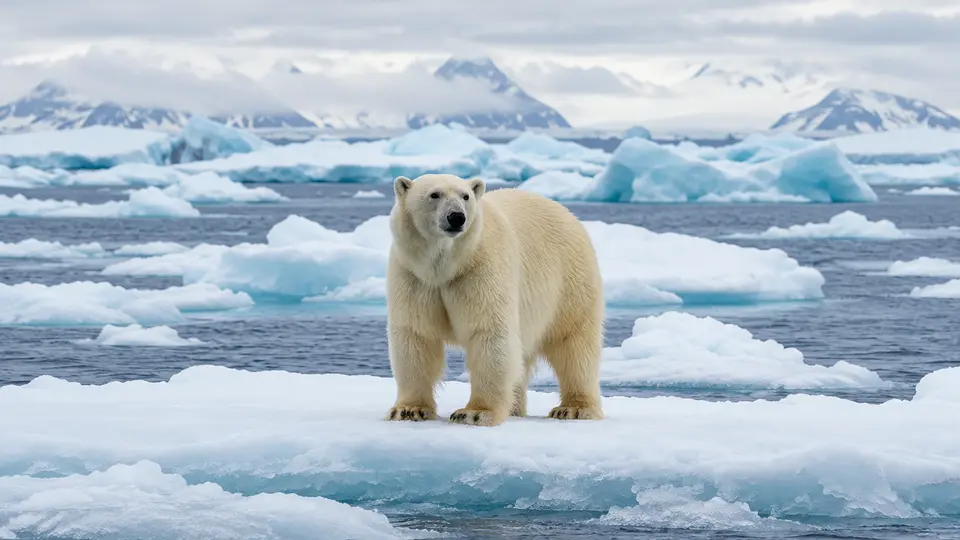
AI-generated illustration of Polar Bear

Varies by region — check locally

Polar Bear

Remote Arctic coastlines

Scan remote coastlines from secure decks or on guided, ice-aware excursions.

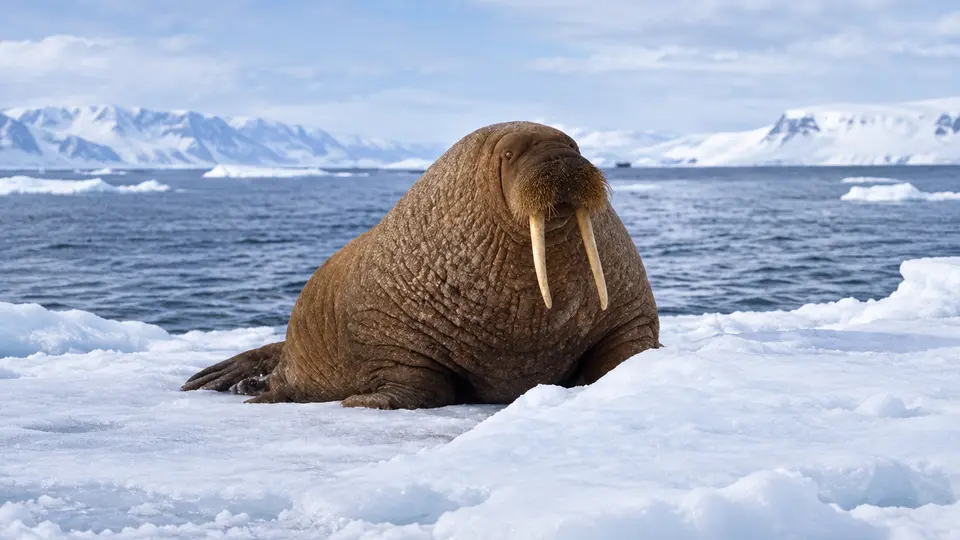
AI-generated illustration of Walrus

Summer (broad window)

Walrus

Shelf-sea coasts & ice margins

Look for walrus hauled out on gravel spits, coastal shelves or ice margins.

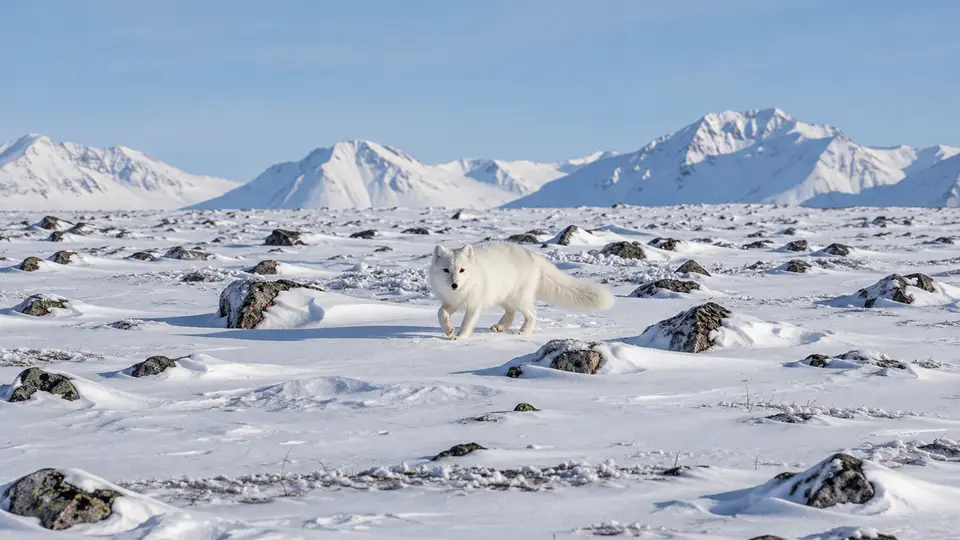
AI-generated illustration of Arctic Fox

Summer, varies by region

Arctic Fox

Tundra shorelines near seabird cliffs

Watch tundra shorelines, especially near seabird cliffs where foxes forage.

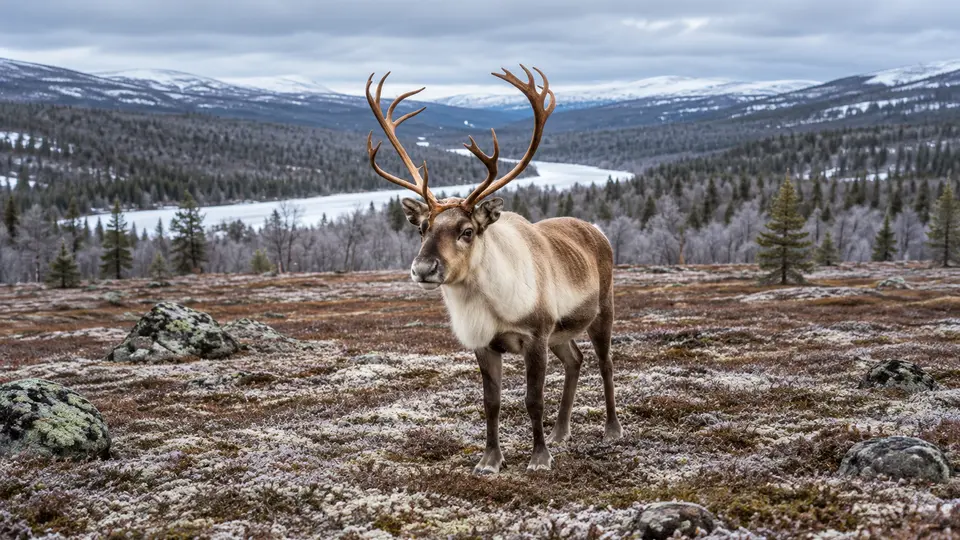
AI-generated illustration of Reindeer

Summer (broad window)

Reindeer

Coastal tundra & river valleys

Look for reindeer or caribou grazing coastal tundra and broad river valleys.

AI-generated illustration of Atlantic Puffin

Summer, Atlantic sector only

Atlantic Puffin

Atlantic-sector Arctic coasts

Watch Atlantic-sector coasts and cliffs — puffins aren't found across the wider Arctic.

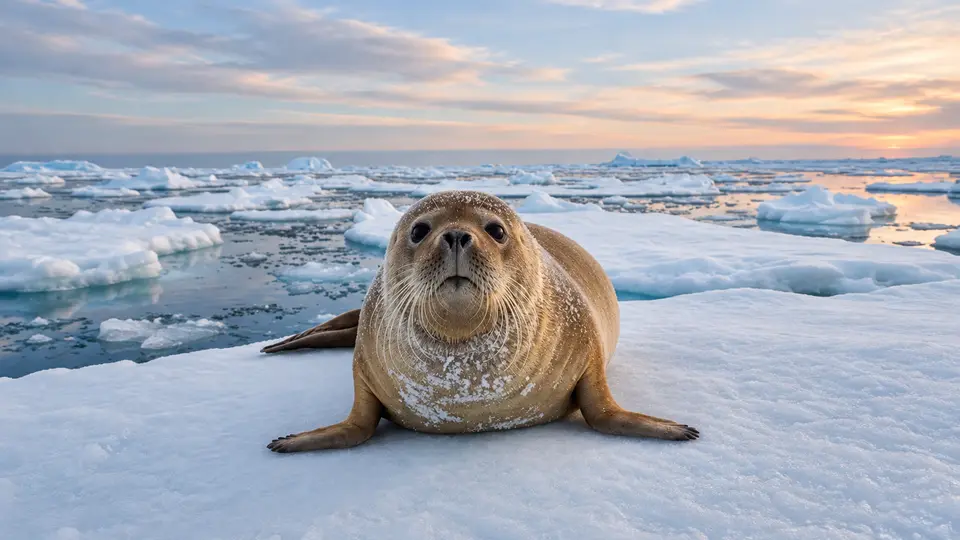
AI-generated illustration of Bearded Seal

Summer (ice-dependent)

Bearded Seal

Shelf coasts & ice margins

Scan ice margins and shelf coasts for this densely whiskered seal, visible from the deck.

Wildlife is wild: sightings, courtship displays and nesting activity cannot be guaranteed. Species occur in different parts of the region, not at every landing.

Show all other animals

Every shore tells a different story

Shore excursions worth planning around

These are examples of places and experiences, not a promised itinerary. Look for the actual landing names and included transfers in your ship’s day-by-day program.

01 · Coastal landscapes

Svalbard ice coast

Glaciers and cold coastal waters offer scenic exploration, with ice and wildlife controlling access.

Check access, activity level and inclusion on your confirmed itinerary.

02 · Local heritage

Arctic tundra

Short summer brings low-growing plants and delicate soils. Walk only as directed.

Check access, activity level and inclusion on your confirmed itinerary.

03 · Guided exploration

Bird cliffs

Large seabird colonies can be viewed from a safe distance without disturbance.

Check access, activity level and inclusion on your confirmed itinerary.

04 · Nature ashore

Greenland iceberg fjords

Routes in Greenland may include iceberg-filled fjords, with access governed by local conditions.

Check access, activity level and inclusion on your confirmed itinerary.

05 · Island experiences

Sea-ice exploration

Ship or Zodiac exploration near ice requires flexible plans and specialist expedition decisions.

Check access, activity level and inclusion on your confirmed itinerary.

06 · Route highlights

Northern settlements

Community visits differ across the Arctic. Respect local hosts, private property and cultural protocols.

Check access, activity level and inclusion on your confirmed itinerary.

AI-generated illustration of Ice & permafrost

Ice & permafrost

Glaciers, sea ice and frozen ground shape coastlines, with rapid seasonal change.

AI-generated illustration of Fragile tundra

Fragile tundra

Low shrubs, mosses and lichens grow slowly and are vulnerable to trampling.

AI-generated illustration of Wildlife & community rules

Wildlife & community rules

Polar-bear safety, wildlife distances and landing restrictions are region-specific. Follow the expedition leader and local authorities.

Choose places before cabins

Which Arctic route is right for you?

Route labels vary between operators. Compare the actual ports, landings and shore programs, not just the regional name.
AI-generated illustration of Svalbard

Svalbard

Longyearbyen-based routes focus on a regulated island wilderness.

AI-generated illustration of Greenland coast

Greenland coast

Choose the actual Greenland coast, gateway and settlement visits on your itinerary.

AI-generated illustration of Other Arctic expeditions

Other Arctic expeditions

Iceland or Canadian Arctic combinations require separate entry and access planning.

View Arctic cruise departures

Your base between shore days

Arctic cruise ships

Explore the cruise ships already in our collection. Compare cabins, guest numbers and day-by-day routes; daily prices appear only when current pricing is available.

Loading Arctic cruise ships…

Flights & arrival

How to get to Arctic

Svalbard voyages start in Longyearbyen (LYR) via Oslo; Greenland via Copenhagen or Reykjavík (KEF).
LYR

Flight gateway

Svalbard · Longyearbyen

Choose this airport only if it suits your confirmed embarkation port. Confirm the onward flight or harbour transfer from Svalbard with your operator before booking.

KEF

Flight gateway

Keflavík International

An Iceland gateway, not a Greenland arrival airport. Confirm the actual Greenland airport and whether the onward service uses Keflavík or Reykjavík Airport. Allow a buffer night for limited connections.

Connections & onward transfers

Onward journey

Flights are limited, so arrive one day early.

Arrive early, protect your departure

We recommend reaching the embarkation town at least one day before departure. Allow more time for remote destinations, separate flights, ferries or long transfers, and follow any earlier arrival or briefing required by your operator.

  • Confirm the embarkation town, harbour meeting point and check-in time before buying flights.
  • Ask which airport transfer, ferry or domestic connection is included in the cruise.
  • Book flexible connections where possible and allow extra time for remote routes.
  • The airports listed are alternatives for different routes, not confirmed flights for this ship. Check the port, meeting time and transfers in your final travel documents.

Flight schedules and entry requirements change. Confirm current arrangements with your operator before booking.

Before you set sail

A little preparation makes a big difference

Pack for the landings

  • Waterproof outer layers and warm insulating clothing
  • Operator-approved boots for wet landings, with clean soles
  • Warm gloves, hat and sun protection for snow and ice
  • Binoculars, camera protection and spare batteries
  • Personal medication and motion-sickness advice before departure

Respect the destination

  • Follow local guides, landing permissions and protected-area rules
  • Keep the required distance from wildlife and avoid nesting or resting areas
  • Never feed or touch animals; do not collect natural objects
  • Clean footwear and equipment before sensitive island landings
  • Respect local dress, community invitations and photography permission
AI-generated illustration of Northern settlements

Discuss health, mobility and dietary needs before choosing a route. Remote areas may have limited medical facilities; travel insurance should cover your activities and any necessary evacuation.

Good to know

Arctic cruise questions

When is the best time for a Arctic cruise?
Midnight sun and retreating ice: polar bears, walrus, reindeer and tundra flowers on Svalbard and Greenland landings. Edges of the season bring more ice or autumn colours and fewer sailings. The climate chart describes Longyearbyen, Svalbard; conditions elsewhere on the route can differ.
Which Arctic route should I choose?
Svalbard: Longyearbyen-based routes focus on a regulated island wilderness. Greenland coast: Choose the actual Greenland coast, gateway and settlement visits on your itinerary. Other Arctic expeditions: Iceland or Canadian Arctic combinations require separate entry and access planning.
Are shore excursions included?
Check the inclusions and actual day-by-day program. Visits such as Svalbard ice coast or Arctic tundra require the right route; park entry, transfers and optional activities may cost extra.
What wildlife can I see in Arctic?
The region supports species such as Polar Bear, Walrus, Arctic Fox. Different species use different habitats; not every animal occurs at every port. Sightings are never guaranteed.
Do I need to be an experienced hiker?
Not necessarily, but uneven paths, steps and wet transfers can be demanding. Ask about the exact walking distances, terrain and assistance before choosing your voyage.
Can the itinerary change?
Yes. Weather, sea state, tides, ice, permits and wildlife protection can change landings. Your captain and expedition team determine safe alternatives.
What entry documents do I need for Arctic?
Check the entry requirements for every country on your itinerary, including embarkation, disembarkation and transit countries. Requirements depend on your nationality and travel documents. Ask the relevant consulates about visas, electronic travel authorisations and passport validity before travelling. Polar regions are not a single immigration jurisdiction. The countries on your confirmed route determine the entry rules; check your departure gateway and every landing country separately.
When should I arrive before the cruise?
Reach the confirmed embarkation town at least one day early, or earlier if your operator requires briefing nights. Allow extra time for domestic flights, ferries and remote gateways.
On this page
  • 01Why this destination
  • 02Seasons & weather
  • 03Wildlife on land
  • 04Shore excursions
  • 05Choose your route
  • 06Cruise ships
  • 07Getting there
  • 08Plan your visit
  • 09Questions & answers

Find your adventure cruise

Planifica tu viaje

Your Arctic story starts here

Find the ship, route and travel dates that suit you.

  • Small-ship exploration
  • Individual shore programs
  • Routes for your travel season
Search Arctic cruises