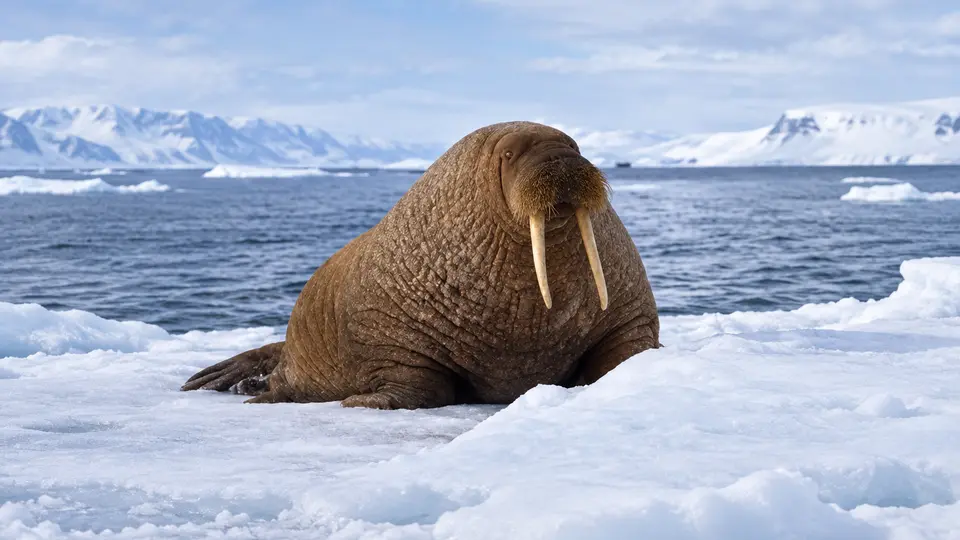
Walrus in its natural habitat, AI illustration

WalrusOdobenus rosmarusWhere and when to see them

Walrus at a glance

The walrus is a large Arctic pinniped distinguished by elongated canine tusks and a dense moustache of sensitive whiskers. Both sexes carry tusks, although males are generally larger and more heavily built. Atlantic and Pacific populations occupy different parts of the polar seas. Their dependence on productive shallow seabeds and resting platforms links their lives closely to coastal geography, sea ice and the increasing pressures associated with Arctic warming.

Behaviour & reproduction

Size
2.2–3.6 m total length
Weight
600–1,700 kg
Lifespan
30–40 years
Status
Vulnerable

Walruses gather in closely packed groups on ice or beaches, resting in prolonged bouts between feeding trips. Contact calls, body movements and tusk displays help regulate crowded social interactions. Mothers maintain close relationships with calves, which can nurse for more than a year. A startled group may rush toward the water, putting smaller animals at risk, so apparently sleepy haulouts require especially quiet, distant observation from visitors and passing vessels. The deep vocalizations of walruses, including bell-like calls and roars, are crucial for communication, especially during breeding season. Dominant males often display their tusks and engage in pushing contests for social hierarchy and mating access.

Top wildlife locations

Norway wildlife habitat

Norway

Svalbard's remote gravel shores and low Arctic islands provide plausible haulout habitat; mainland Norwegian sightings are rare. Access depends on permitted routes, weather and wildlife restrictions, with some shores closed to approach.

Arctic wildlife habitat

Arctic

Remote shelf-sea coasts, gravel spits and ice margins may support walruses across parts of the Arctic. Many haulouts are inaccessible or protected, and observation depends on regional distribution and authorised coastal access.

Destinations describe the species' habitat, not guaranteed cruise stops. Some animals require an optional inland excursion or are found in restricted reserves.

Fun facts about the Walrus

  • Both male and female walruses grow tusks.
  • Their scientific name refers to walking with teeth.
  • Facial whiskers can locate buried prey in murky water.
  • Males possess throat air sacs used in sound production and buoyancy.

Best time to see the Walrus

For shore and deck observation in the European Arctic, June to September generally offers more daylight and navigable coastal routes. Haulout use varies with ice, weather and disturbance. Other Arctic regions have different access windows, so local conditions matter more than a universal season. In Svalbard, walruses are often seen from expedition vessels and zodiacs during the summer months when the ice edge recedes. Peak walrus viewing often coincides with calving season for reindeer or migratory bird breeding, offering diverse wildlife experiences.

Walrus: season matrix by destination

Travel and observation windows vary by region. Highlighted months are an orientation for planning, not confirmed sightings or a guarantee of access.

Norway

These months suit Svalbard coastal travel; haulout occupancy and permitted access remain variable.

JanFebMarAprMayJunJulAugSepOctNovDec
Cruise ships in Norway

Arctic

A broad summer travel window for many Arctic coasts, not a species-wide peak or confirmation of presence on any itinerary.

JanFebMarAprMayJunJulAugSepOctNovDec
Cruise ships in Arctic

Where the Walrus lives

Walruses favour shallow Arctic shelf seas where bottom-dwelling prey is accessible and nearby ice or land provides resting space. Coastal haulouts include gravel beaches, low islands and rocky shores. Distribution shifts with ice conditions, food availability and human disturbance. Walruses also use large, stable ice floes as resting platforms, especially when migrating. They are particularly sensitive to noise and human presence, which can lead to haulout abandonment or stampedes.

What the Walrus eats

Their diet consists chiefly of seabed invertebrates, especially clams, located using highly sensitive facial whiskers. Powerful suction extracts soft tissues from shells. Worms, snails and other animals are also eaten, while some individuals take seals or scavenge marine mammal remains. In some areas, walruses have been observed preying on seabirds, including eiders, though this is less common. Their powerful tusks can also be used to rake the seafloor, dislodging benthic organisms from the substrate.

Species at a glance

Common name
Walrus
Scientific name
Odobenus rosmarus
Animal group
Mammals
Size
2.2–3.6 m total length
Weight
600–1,700 kg
Lifespan
30–40 years
Status
Vulnerable
Identification
Long paired tusks, broad whiskered muzzles and bulky bodies distinguish adult walruses from all Arctic seals. Male walruses typically have thicker, longer tusks that are more widely spaced at the base compared to females. Calves are born dark brown and gradually lighten in colour, often appearing more yellowish-brown as they age.

Walrus: frequently asked questions

Where can I see the Walrus?
Norway, Arctic. Watch haulouts through binoculars from a substantial distance and follow local exclusion rules. Never stand between walruses and the sea. Withdraw if animals raise their heads repeatedly or begin moving, since a stampede can crush calves. When observing walruses, watch for signs of disturbance such as increased head raising, vocalisations, or animals moving towards the water. Maintain a steady, slow approach to viewing sites to minimise stress on the animals.
When is the best time to see the Walrus?
For shore and deck observation in the European Arctic, June to September generally offers more daylight and navigable coastal routes. Haulout use varies with ice, weather and disturbance. Other Arctic regions have different access windows, so local conditions matter more than a universal season. In Svalbard, walruses are often seen from expedition vessels and zodiacs during the summer months when the ice edge recedes. Peak walrus viewing often coincides with calving season for reindeer or migratory bird breeding, offering diverse wildlife experiences.
How big does the Walrus get?
2.2–3.6 m total length. Adult weight: 600–1,700 kg. Size varies with age, sex and population.
How should I behave around the Walrus?
Watch haulouts through binoculars from a substantial distance and follow local exclusion rules. Never stand between walruses and the sea. Withdraw if animals raise their heads repeatedly or begin moving, since a stampede can crush calves. When observing walruses, watch for signs of disturbance such as increased head raising, vocalisations, or animals moving towards the water. Maintain a steady, slow approach to viewing sites to minimise stress on the animals.
What does the Walrus eat?
Their diet consists chiefly of seabed invertebrates, especially clams, located using highly sensitive facial whiskers. Powerful suction extracts soft tissues from shells. Worms, snails and other animals are also eaten, while some individuals take seals or scavenge marine mammal remains. In some areas, walruses have been observed preying on seabirds, including eiders, though this is less common. Their powerful tusks can also be used to rake the seafloor, dislodging benthic organisms from the substrate.
Are wildlife sightings guaranteed on an adventure cruise?
No. Animals move freely and routes, weather, access restrictions and local conditions influence every outing. Confirm the actual itinerary and shore program before booking.

Compare wildlife in the same destinations

Explore other mammals recorded in these destinations. Similar surroundings do not mean the animals share the same habits or viewing season.

Species comparison by animal group and destination
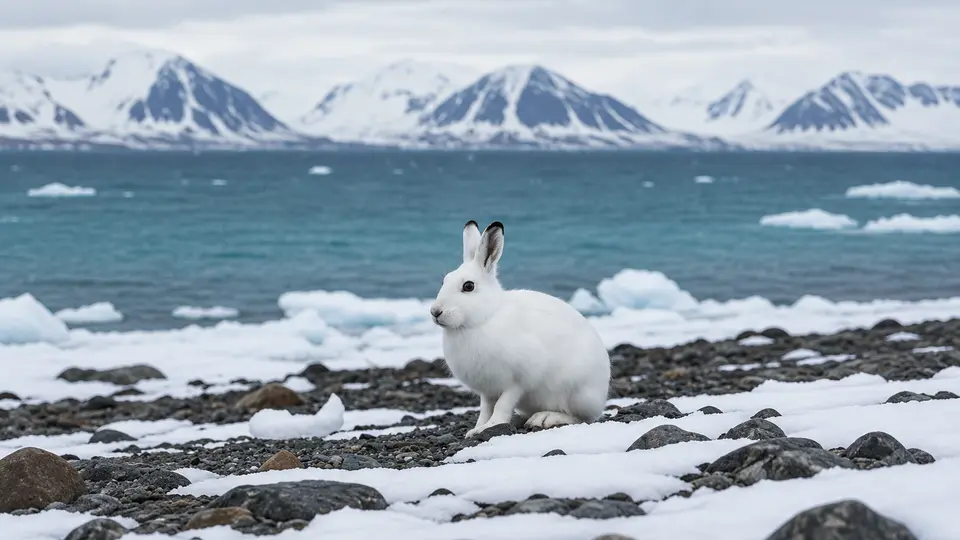
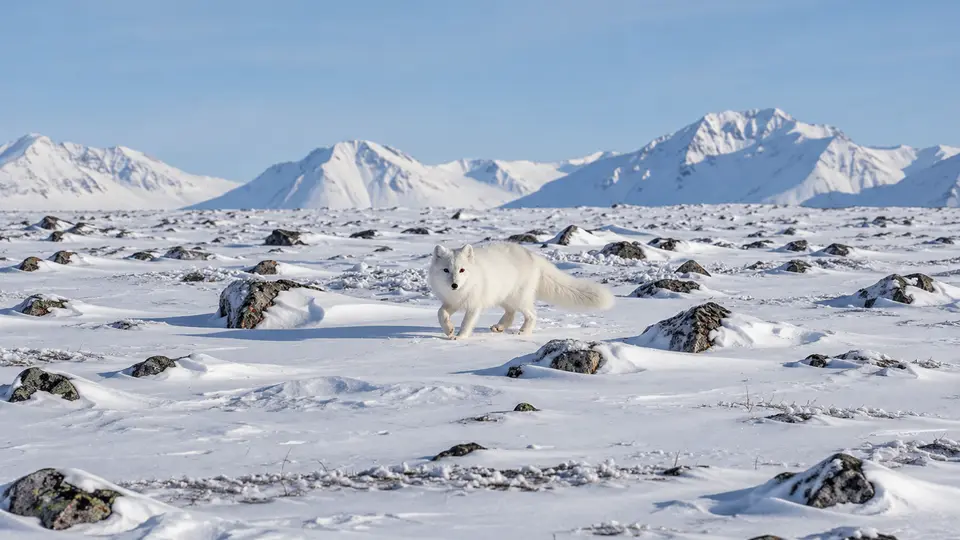
WalrusWalrusArctic FoxArctic FoxArctic HareArctic Hare
Animal groupMammalsAnimal groupMammalsAnimal groupMammals
DestinationsNorway, ArcticDestinationsNorway, ArcticDestinationsArctic
All wildlife destinations
Plan your trip

Find your next wildlife adventure

Compare destinations, shore programs and dates with the animals and habitats you would love to see.

  • Naturalist-led shore excursions
  • Responsible wildlife watching
  • Small expedition ships

Newsletter

Take Blue Rides with you

Adventure cruise offers, last-minute deals and trip inspiration.

Free, unsubscribe anytime. Details: Privacy Policy

Partner with Blue Rides

Affiliate Program

Recommend adventure cruises and earn commission on every confirmed booking.

Share. Track. Earn.

Your footage, our stage

Send us your videos or pictures.

Captured remarkable nature or wildlife on your journey? Share it with us, we may feature it on Blue Rides.