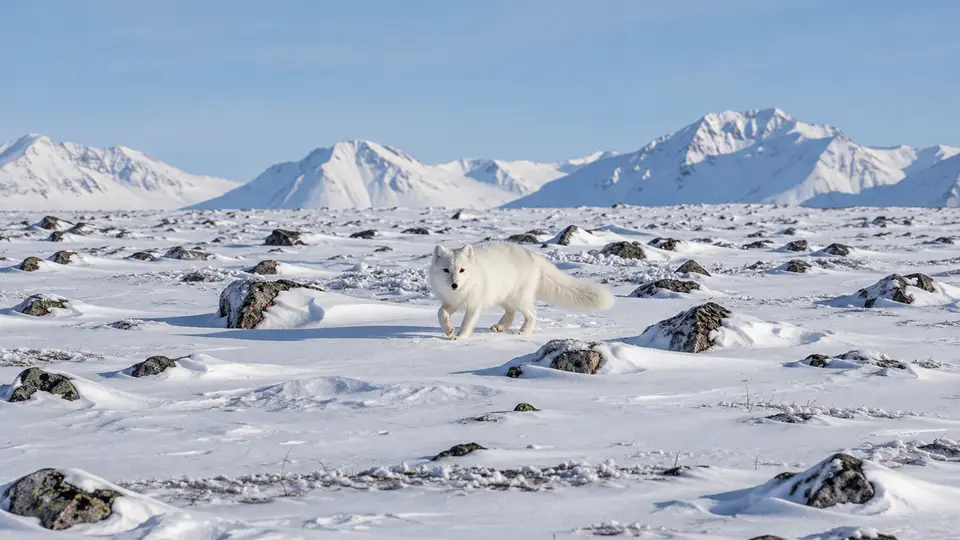
Arctic Fox in its natural habitat, AI illustration
Size46-68 cm head-body lengthLifespan3-6 years in the wildStatusLeast Concern

Arctic Fox: where and when to see them

Vulpes lagopus

Arctic Fox at a glance

The Arctic fox is a small northern canid adapted to cold through compact proportions, densely furred feet and exceptionally insulating fur. Its white and blue color morphs follow different seasonal coat patterns. Across the circumpolar Arctic, it occupies tundra, islands and coasts, surviving on a flexible diet. Global security masks major regional differences: mainland Scandinavian populations have required intensive conservation, while some island populations are considerably more numerous.

Behaviour & reproduction

Size
46-68 cm head-body length
Weight
3-8 kg
Lifespan
3-6 years in the wild
Status
Least Concern

Arctic foxes may hunt alone but commonly breed as pairs, sometimes with additional helpers. They rear pups in elaborate dens that can be reused for many generations. Inland populations often track lemming abundance, producing larger litters when food is plentiful. Coastal foxes exploit seabird colonies and stranded marine food. They cache surplus prey and can travel enormous distances, including journeys over sea ice when conditions permit movement between land areas. Arctic foxes exhibit a fascinating phenomenon known as 'lemming cycles,' where their population fluctuates dramatically in response to lemming availability. They possess exceptional endurance, with some individuals recorded making transcontinental migrations over thousands of kilometers.

Top wildlife locations

Norway wildlife habitat

Norway

Svalbard's tundra coasts offer plausible shore-based opportunities, subject to access rules. Mainland Norwegian populations occupy mountain tundra, requiring an inland excursion; they are conservation-sensitive and should not be sought at dens.

Adventure cruises in Norway
Arctic wildlife habitat

Arctic

Across the Arctic, tundra shorelines and areas near seabird cliffs can support foxes. Many coasts are remote or inaccessible, and local wildlife rules may require guided observation well away from dens.

Adventure cruises in Arctic

Destinations describe the species' habitat, not guaranteed cruise stops. Some animals require an optional inland excursion or are found in restricted reserves.

Fun facts about the Arctic Fox

  • White-morph foxes turn brown-gray in summer, whereas blue-morph animals remain darker.
  • Fur covers the soles of the feet.
  • Some dens have been used repeatedly for centuries.
  • Food caches help bridge periods when hunting is poor.

Best time to see the Arctic Fox

June through August offers long daylight and relatively accessible tundra and coasts. Pups may be active during summer, but dens must not become viewing targets. Winter coats are most distinctive in colder months, when safe access is much more restricted and location-dependent. Prime viewing in summer aligns with the foxes' active breeding season and the presence of their pups. However, observing them in their pristine white winter pelage requires carefully planned expeditions in the colder, darker months.

Arctic Fox: season matrix by destination

Travel and observation windows vary by region. Highlighted months are an orientation for planning, not confirmed sightings or a guarantee of access.

Norway

Summer improves daylight and access, particularly in Svalbard; this is not a guarantee of fox presence or permission to approach breeding sites.

JanFebMarAprMayJunJulAugSepOctNovDec
Cruise ships in Norway

Arctic

These months provide a broad coastal-access window; regional ice, weather and restrictions determine actual opportunities.

JanFebMarAprMayJunJulAugSepOctNovDec
Cruise ships in Arctic

Where the Arctic Fox lives

Habitats include treeless tundra, rocky Arctic coasts, seabird cliffs and alpine tundra in mainland Scandinavia. Dens are usually excavated in well-drained ground. Coastal food resources can support foxes where rodents are scarce, while inland populations often depend more heavily on small mammals. The species has a circumpolar distribution, inhabiting all major landmasses within the Arctic Circle. These foxes are incredibly resilient, surviving in some of Earth's harshest environments, including permanent sea ice areas.

What the Arctic Fox eats

Lemmings, voles, birds, eggs and carrion are important foods, supplemented by invertebrates and berries when available. Coastal animals use seabird colonies and marine remains. Food composition varies greatly across the range, so the species is better described as an opportunistic predator and scavenger. Their remarkable adaptations include a keen sense of smell, allowing them to locate prey under snow. They are known to follow polar bears and wolves to scavenge on their kills.

Species at a glance

Common name
Arctic Fox
Scientific name
Vulpes lagopus
Animal group
Mammals
Size
46-68 cm head-body length
Weight
3-8 kg
Lifespan
3-6 years in the wild
Status
Least Concern
Identification
Its short rounded ears, compact muzzle and furred soles distinguish it from the larger, longer-eared red fox, even when the Arctic fox has a dark coat. Beyond color, their relatively short legs and stocky build are adaptations to conserve heat in frigid environments. Their fur color can range from pure white to blue-grey, depending on the individual and local population.

Arctic Fox: frequently asked questions

Where can I see the Arctic Fox?
Norway, Arctic. Watch quietly from established routes and never feed a fox or approach a den. Retreat from unusually bold or disoriented animals, and report concerning behavior locally because Arctic foxes can carry rabies. Always maintain a respectful distance to avoid disturbing their natural behaviors, especially during the denning season. Binoculars are essential for close-up views without intruding on their space.
When is the best time to see the Arctic Fox?
June through August offers long daylight and relatively accessible tundra and coasts. Pups may be active during summer, but dens must not become viewing targets. Winter coats are most distinctive in colder months, when safe access is much more restricted and location-dependent. Prime viewing in summer aligns with the foxes' active breeding season and the presence of their pups. However, observing them in their pristine white winter pelage requires carefully planned expeditions in the colder, darker months.
How big does the Arctic Fox get?
46-68 cm head-body length. Adult weight: 3-8 kg. Size varies with age, sex and population.
How should I behave around the Arctic Fox?
Watch quietly from established routes and never feed a fox or approach a den. Retreat from unusually bold or disoriented animals, and report concerning behavior locally because Arctic foxes can carry rabies. Always maintain a respectful distance to avoid disturbing their natural behaviors, especially during the denning season. Binoculars are essential for close-up views without intruding on their space.
What does the Arctic Fox eat?
Lemmings, voles, birds, eggs and carrion are important foods, supplemented by invertebrates and berries when available. Coastal animals use seabird colonies and marine remains. Food composition varies greatly across the range, so the species is better described as an opportunistic predator and scavenger. Their remarkable adaptations include a keen sense of smell, allowing them to locate prey under snow. They are known to follow polar bears and wolves to scavenge on their kills.
Are wildlife sightings guaranteed on an adventure cruise?
No. Animals move freely and routes, weather, access restrictions and local conditions influence every outing. Confirm the actual itinerary and shore programme before booking.

Compare wildlife in the same destinations

Explore other mammals recorded in these destinations. Similar surroundings do not mean the animals share the same habits or viewing season.

Species comparison by animal group and destination
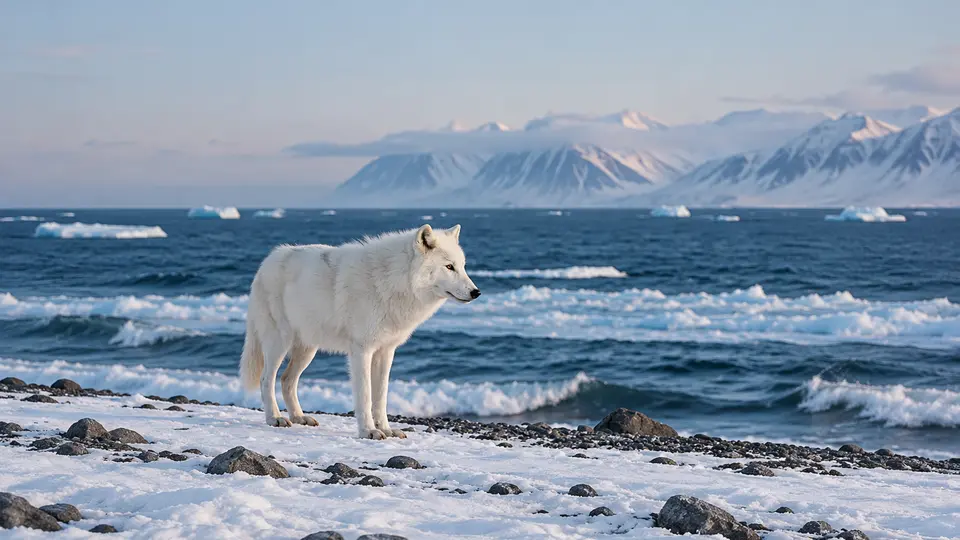
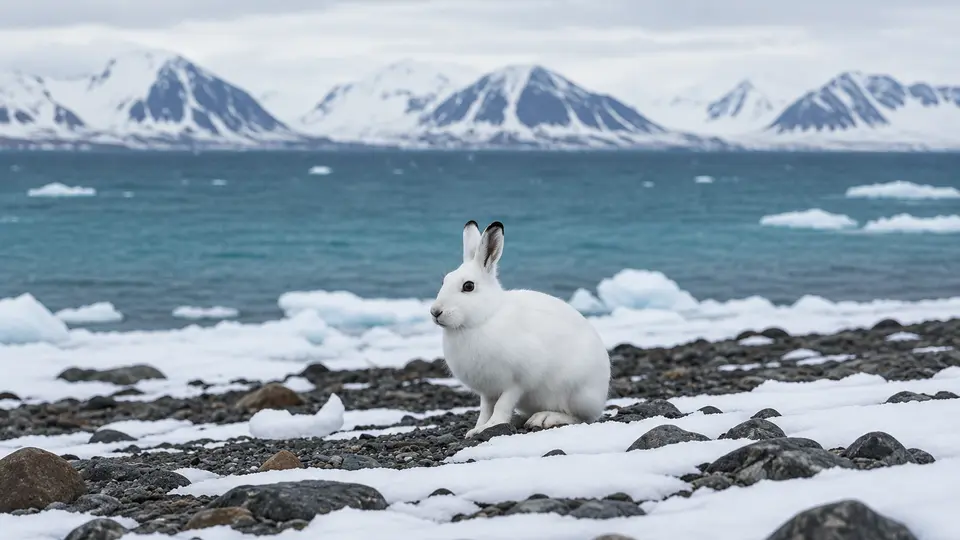
Arctic FoxArctic FoxArctic HareArctic HareArctic WolfArctic Wolf
Animal groupMammalsAnimal groupMammalsAnimal groupMammals
DestinationsNorway, ArcticDestinationsArcticDestinationsArctic
All wildlife destinations
Plan your trip

Find your next wildlife adventure

Compare destinations, shore programmes and dates with the animals and habitats you would love to see.

  • Naturalist-led shore excursions
  • Responsible wildlife watching
  • Small expedition ships

Newsletter

Take Blue Rides with you

Adventure cruise offers, last-minute deals and trip inspiration.

Free, unsubscribe anytime. Details: Privacy Policy

Partner with Blue Rides

Affiliate Program

Recommend adventure cruises and earn commission on every confirmed booking.

Share. Track. Earn.