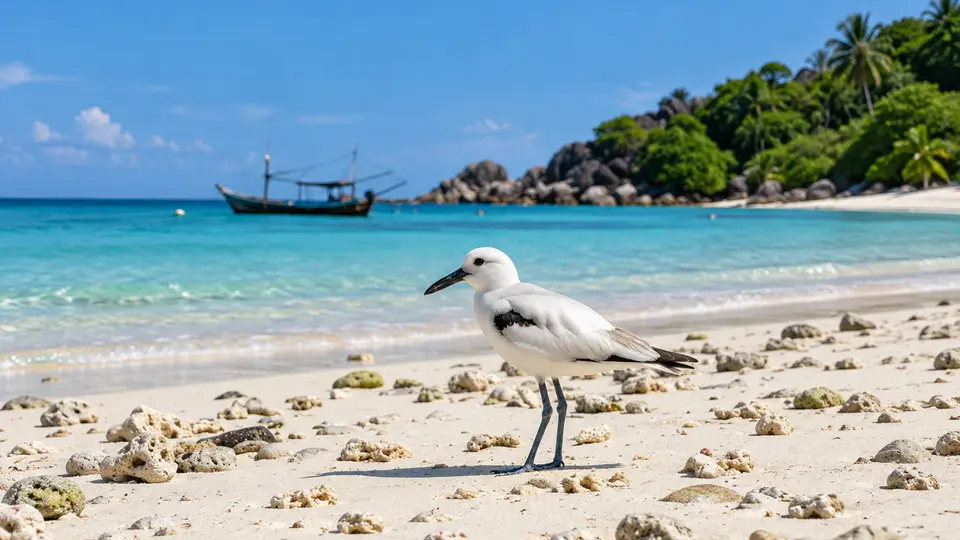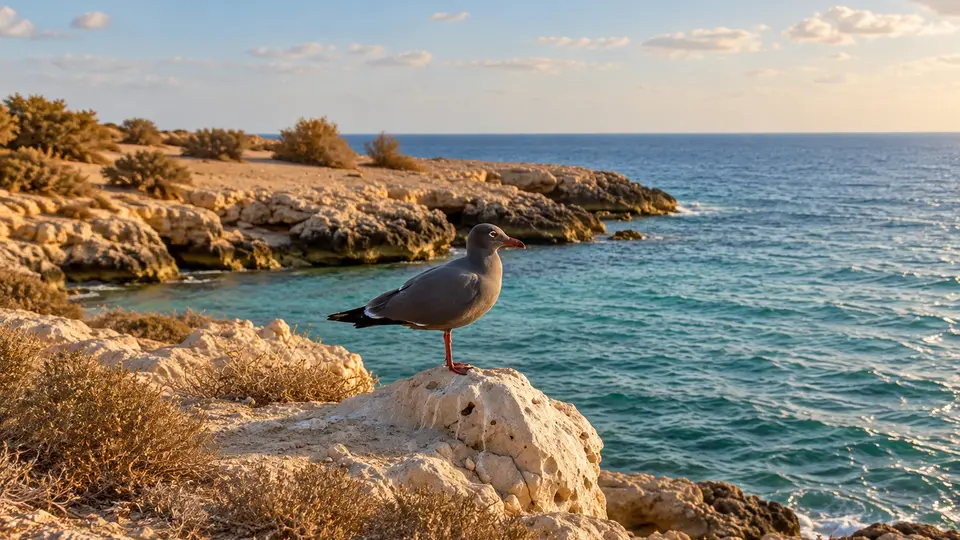
Sooty Gull in its natural habitat, AI illustration

Sooty GullIchthyaetus hemprichiiWhere and when to see them

Sooty Gull at a glance

The sooty gull is a characteristic dark gull of the Red Sea and neighboring northwestern Indian Ocean. Its smoky brown plumage, pale eye crescents and conspicuous bill make adults distinctive along arid coasts. It uses beaches, sheltered bays and offshore islands, often mixing with other gulls around productive feeding areas. Although capable of exploiting human food waste, it remains closely associated with marine shorelines and island breeding habitat rather than inland waters.

Behaviour & reproduction

Size
42-45 cm long
Weight
400-650 g
Lifespan
Not reliably established
Status
Least Concern

Sooty gulls patrol shorelines, rest in loose groups on sand or rocks, and gather where fish or discarded food become available. They take food from the surface and may steal items from other birds. Breeding pairs nest on the ground on islands, sometimes among other seabirds. Adults become vocal and defensive near nests, while nonbreeding groups can appear relaxed until people, vehicles or dogs approach their resting places too closely. Courtship displays involve head-tossing and ritualized feeding, often strengthening pair bonds before nesting. They are known to be territorial around their nests, vigorously defending their breeding site from perceived threats, including other gulls and larger birds.

Top wildlife locations

Egypt wildlife habitat

Egypt

Accessible Red Sea beaches, harbors and sheltered coastal bays offer plausible shore viewing. Offshore nesting islands may be inaccessible or protected; birds should not be expected during ordinary inland Nile excursions.
Destinations describe the species' habitat, not guaranteed cruise stops. Some animals require an optional inland excursion or are found in restricted reserves.

Fun facts about the Sooty Gull

  • The scientific name commemorates German naturalist Friedrich Wilhelm Hemprich.
  • Adults retain a smoky appearance rather than developing the pale gray body typical of many gulls.
  • Breeding sites can be on extremely dry islands with little vegetation.
  • The bill combines yellow, black and red markings.

Best time to see the Sooty Gull

Egypt's Red Sea coast can support observations throughout the year. October through April generally offers more comfortable shore watching than the hottest summer months. This weather-based window does not describe a universal breeding season, and local numbers vary among islands, harbors and beaches. While present year-round, observing fledged juveniles during late summer and early autumn can provide insights into local breeding success. Migration periods in spring and autumn might bring a slight increase in numbers or diversity of gull species to coastal areas.

Sooty Gull: season matrix by destination

Travel and observation windows vary by region. Highlighted months are an orientation for planning, not confirmed sightings or a guarantee of access.

Egypt

Cooler months improve viewing comfort; the species occurs regionally year-round, and this window does not imply breeding or assured presence at a particular beach.

JanFebMarAprMayJunJulAugSepOctNovDec
Cruise ships in Egypt

Where the Sooty Gull lives

Typical habitat includes hot, dry seacoasts, coral and sandy islands, harbors, tidal flats and sheltered bays. Nesting requires relatively undisturbed ground above the tide. In Egypt it is chiefly a Red Sea coastal bird, not a routine Nile Valley species. Though generally coastal, Sooty Gulls may occasionally visit inland freshwater lakes or oases, particularly during migration or when driven by weather. They often favor small offshore islands for safe nesting, which helps protect their eggs and chicks from terrestrial predators.

What the Sooty Gull eats

Fish, marine invertebrates, carrion and opportunistically obtained scraps form the diet. Birds also take eggs or chicks when opportunities arise. Feeding may involve picking from the water surface, searching the tideline or following fishing activity without depending exclusively on any one method. They are quite opportunistic feeders, consuming a wide variety of small marine life including crabs, mollusks, and small fish found in the intertidal zone. Scavenging on discards from fishing boats or human settlements is a significant part of their foraging strategy.

Species at a glance

Common name
Sooty Gull
Scientific name
Ichthyaetus hemprichii
Animal group
Birds
Size
42-45 cm long
Weight
400-650 g
Lifespan
Not reliably established
Status
Least Concern
Identification
Adults differ from white-eyed gulls in their browner body, less strongly patterned eye markings and yellow-based bill with a dark band and red tip. Juvenile Sooty Gulls have a mottled brown and buff plumage, gradually developing the adult's darker mantle and head over several molts. The bill color also changes with age, typically transitioning from a duller base to the distinctive yellow and red of adults.

Sooty Gull: frequently asked questions

Where can I see the Sooty Gull?
Egypt. Watch from established waterfront paths or beach access points using binoculars. Do not feed gulls or approach ground nests, and keep clear of fishing operations. Strong heat and glare make water and sun protection important. Binoculars are essential for observing details of plumage and behavior from a respectful distance, especially for identifying subtle differences between individuals. Early morning or late afternoon often provides the best light for photography and observing active foraging.
When is the best time to see the Sooty Gull?
Egypt's Red Sea coast can support observations throughout the year. October through April generally offers more comfortable shore watching than the hottest summer months. This weather-based window does not describe a universal breeding season, and local numbers vary among islands, harbors and beaches. While present year-round, observing fledged juveniles during late summer and early autumn can provide insights into local breeding success. Migration periods in spring and autumn might bring a slight increase in numbers or diversity of gull species to coastal areas.
How big does the Sooty Gull get?
42-45 cm long. Adult weight: 400-650 g. Size varies with age, sex and population.
How should I behave around the Sooty Gull?
Watch from established waterfront paths or beach access points using binoculars. Do not feed gulls or approach ground nests, and keep clear of fishing operations. Strong heat and glare make water and sun protection important. Binoculars are essential for observing details of plumage and behavior from a respectful distance, especially for identifying subtle differences between individuals. Early morning or late afternoon often provides the best light for photography and observing active foraging.
What does the Sooty Gull eat?
Fish, marine invertebrates, carrion and opportunistically obtained scraps form the diet. Birds also take eggs or chicks when opportunities arise. Feeding may involve picking from the water surface, searching the tideline or following fishing activity without depending exclusively on any one method. They are quite opportunistic feeders, consuming a wide variety of small marine life including crabs, mollusks, and small fish found in the intertidal zone. Scavenging on discards from fishing boats or human settlements is a significant part of their foraging strategy.
Are wildlife sightings guaranteed on an adventure cruise?
No. Animals move freely and routes, weather, access restrictions and local conditions influence every outing. Confirm the actual itinerary and shore program before booking.

Compare wildlife in the same destinations

Explore other birds recorded in these destinations. Similar surroundings do not mean the animals share the same habits or viewing season.

Species comparison by animal group and destination
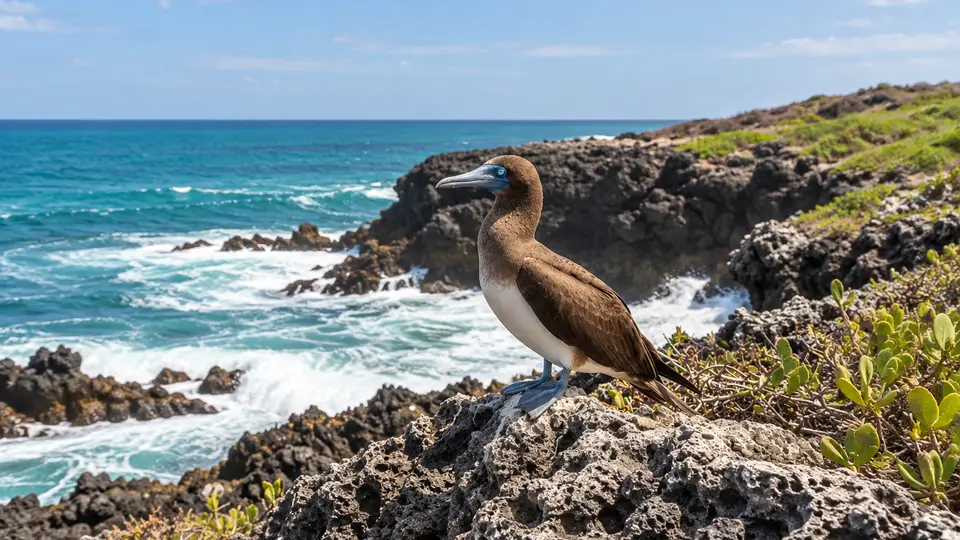
Sooty GullSooty GullBrown BoobyBrown BoobyCrab-ploverCrab-plover
Animal groupBirdsAnimal groupBirdsAnimal groupBirds
DestinationsEgyptDestinationsCosta Rica, Cape Verde, Egypt, Fiji, PolynesiaDestinationsEgypt, Seychelles
All wildlife destinations
Plan your trip

Find your next wildlife adventure

Compare destinations, shore programs and dates with the animals and habitats you would love to see.

  • Naturalist-led shore excursions
  • Responsible wildlife watching
  • Small expedition ships

Newsletter

Take Blue Rides with you

Adventure cruise offers, last-minute deals and trip inspiration.

Free, unsubscribe anytime. Details: Privacy Policy

Partner with Blue Rides

Affiliate Program

Recommend adventure cruises and earn commission on every confirmed booking.

Share. Track. Earn.

Your footage, our stage

Send us your videos or pictures.

Captured remarkable nature or wildlife on your journey? Share it with us, we may feature it on Blue Rides.