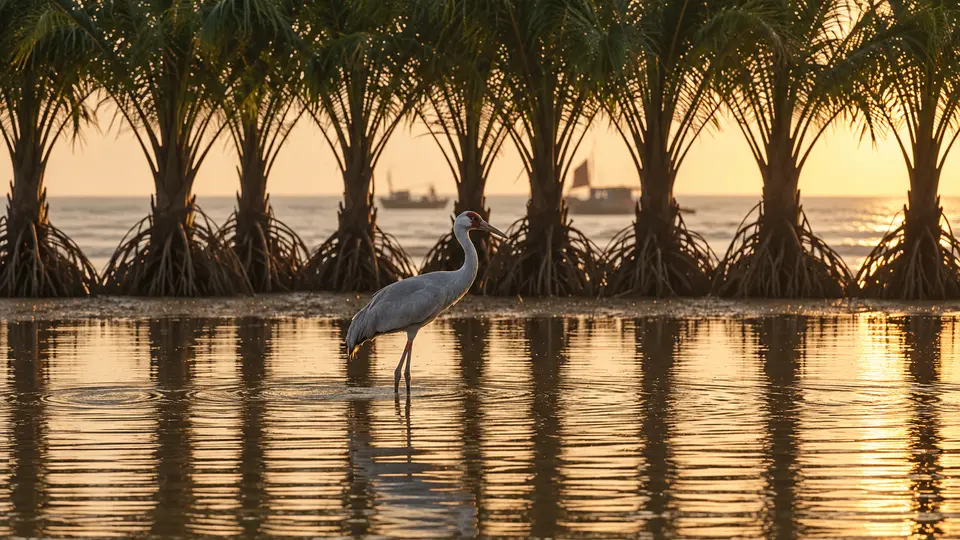
Sarus crane in its natural habitat, AI illustration

Sarus crane: where and when to see them

Antigone antigone

Sarus crane at a glance

The sarus crane is the tallest living flying bird, distinguished by its gray body and extensive bare red head and upper neck. Its fragmented range spans parts of South and Southeast Asia and northern Australia. Vietnam lies within the range of the eastern subspecies, whose wetland movements cross national boundaries. Severe regional declines mean that historical viewing locations cannot be assumed to retain visiting cranes every year.

Behaviour & reproduction

Size
1.5–1.8 m tall
Weight
5–12 kg
Lifespan
Not reliably established
Status
Vulnerable

Sarus cranes form enduring pairs and reinforce their bonds with synchronized calling and elaborate dances. Breeding pairs defend wetland territories, building substantial nests from marsh vegetation. Outside breeding, birds may gather in flocks where shallow water and suitable food remain available. In the lower Mekong region, seasonal movements track wetland conditions, so national borders and tourism calendars poorly describe the changing distribution of individual birds. Pairs engage in complex unison calls, a loud trumpeting sound that can be heard over long distances and serves to strengthen pair bonds. Their elaborate courtship dances involve bowing, jumping, and wing flapping, often performed in open areas. Outside the breeding season, large non-breeding flocks may gather at traditional roosting sites offering spectacular viewing opportunities.

Top wildlife locations

Vietnam wildlife habitat

Vietnam

Protected Mekong Delta wetlands with seasonally exposed sedge grasslands are the relevant habitat. An inland excursion is required, and wild cranes are now very rare, with historical sites sometimes receiving none.

Adventure cruises in Vietnam
Destinations describe the species' habitat, not guaranteed cruise stops. Some animals require an optional inland excursion or are found in restricted reserves.

Fun facts about the Sarus crane

  • It is the tallest living bird capable of flight.
  • Pair duets involve coordinated but different male and female call patterns.
  • Eastern populations make seasonal movements across the lower Mekong region.
  • The large nest is built from wetland vegetation in shallow water.

Best time to see the Sarus crane

Historically, Vietnam's dry-season wetlands offered the main observation opportunities, particularly during the first months of the year. Recent scarcity makes current reserve reports essential. A historical seasonal pattern is not evidence of present attendance, and breeding elsewhere should not be conflated with Vietnamese visitation. While historical patterns suggest early year observations, monitoring current local conditions and recent sightings is paramount for planning excursions. The timing of local wetland restoration efforts and water management practices can significantly influence their presence. Consulting with local reserve authorities will provide the most up to date information on seasonal crane presence.

Sarus crane: season matrix by destination

Travel and observation windows vary by region. Highlighted months are an orientation for planning, not confirmed sightings or a guarantee of access.

Vietnam

This is a historical dry-season viewing window, not confirmation of current wild birds; consult reserve updates and distinguish free-ranging birds from restoration programs.

JanFebMarAprMayJunJulAugSepOctNovDec
Cruise ships in Vietnam

Where the Sarus crane lives

Sarus cranes require mosaics of shallow wetlands and open feeding ground, including marshes, seasonally flooded grasslands and some agricultural landscapes. In Vietnam, remaining suitable habitat is concentrated in specialized inland wetlands. Water management, vegetation structure and disturbance strongly influence whether cranes use a site. In Vietnam, these vital inland wetlands, such as Tram Chim National Park, often include seasonally inundated floodplains and rice fields, providing critical foraging and roosting sites. The species shows a strong preference for open landscapes, avoiding heavily forested areas. Conservation efforts frequently focus on restoring and maintaining water regimes suitable for both the cranes and their invertebrate and plant food sources.

What the Sarus crane eats

The diet includes sedge tubers, roots, seeds, insects and other small animals. Eastern sarus cranes can depend heavily on seasonally accessible wetland tubers. Appropriate water depths and soil conditions matter because food may be present but unavailable when wetlands are excessively flooded. They forage by probing their long bills into soft mud and water, often consuming aquatic invertebrates and small vertebrates like frogs or fish alongside plant matter. Their diet can shift seasonally depending on the availability of different food items in their wetland environment. During periods of abundant aquatic life, insects and other small animals form a significant part of their intake.

Species at a glance

Common name
Sarus crane
Scientific name
Antigone antigone
Animal group
Birds
Size
1.5–1.8 m tall
Weight
5–12 kg
Lifespan
Not reliably established
Status
Vulnerable
Identification
Compared with brolga, sarus crane has much more extensive bare red skin continuing down the upper neck and lacks the brolga's conspicuous dark throat pouch. The Sarus crane is notably taller than most other crane species, standing as the world's tallest flying bird. Its plumage is a uniform grey with a distinctive red head and upper neck, clearly visible even at a distance. Juveniles have a brownish head and neck, gradually acquiring the characteristic red coloration as they mature.

Sarus crane: frequently asked questions

Where can I see the Sarus crane?
Vietnam. Use designated wetland viewpoints and follow reserve staff instructions. Keep a substantial distance from feeding cranes, never use playback or bait, and do not enter sensitive grassland to pursue increasingly rare birds. Be mindful of noise levels and avoid sudden movements, as these large birds are easily disturbed. A high-quality spotting scope or binoculars are essential for detailed observation from a respectful distance. Adhere strictly to marked trails and viewing platforms to minimize habitat disturbance, especially in sensitive breeding or feeding areas.
When is the best time to see the Sarus crane?
Historically, Vietnam's dry-season wetlands offered the main observation opportunities, particularly during the first months of the year. Recent scarcity makes current reserve reports essential. A historical seasonal pattern is not evidence of present attendance, and breeding elsewhere should not be conflated with Vietnamese visitation. While historical patterns suggest early year observations, monitoring current local conditions and recent sightings is paramount for planning excursions. The timing of local wetland restoration efforts and water management practices can significantly influence their presence. Consulting with local reserve authorities will provide the most up to date information on seasonal crane presence.
How big does the Sarus crane get?
1.5–1.8 m tall. Adult weight: 5–12 kg. Size varies with age, sex and population.
How should I behave around the Sarus crane?
Use designated wetland viewpoints and follow reserve staff instructions. Keep a substantial distance from feeding cranes, never use playback or bait, and do not enter sensitive grassland to pursue increasingly rare birds. Be mindful of noise levels and avoid sudden movements, as these large birds are easily disturbed. A high-quality spotting scope or binoculars are essential for detailed observation from a respectful distance. Adhere strictly to marked trails and viewing platforms to minimize habitat disturbance, especially in sensitive breeding or feeding areas.
What does the Sarus crane eat?
The diet includes sedge tubers, roots, seeds, insects and other small animals. Eastern sarus cranes can depend heavily on seasonally accessible wetland tubers. Appropriate water depths and soil conditions matter because food may be present but unavailable when wetlands are excessively flooded. They forage by probing their long bills into soft mud and water, often consuming aquatic invertebrates and small vertebrates like frogs or fish alongside plant matter. Their diet can shift seasonally depending on the availability of different food items in their wetland environment. During periods of abundant aquatic life, insects and other small animals form a significant part of their intake.
Are wildlife sightings guaranteed on an adventure cruise?
No. Animals move freely and routes, weather, access restrictions and local conditions influence every outing. Confirm the actual itinerary and shore program before booking.

Compare wildlife in the same destinations

Explore other birds recorded in these destinations. Similar surroundings do not mean the animals share the same habits or viewing season.

Species comparison by animal group and destination
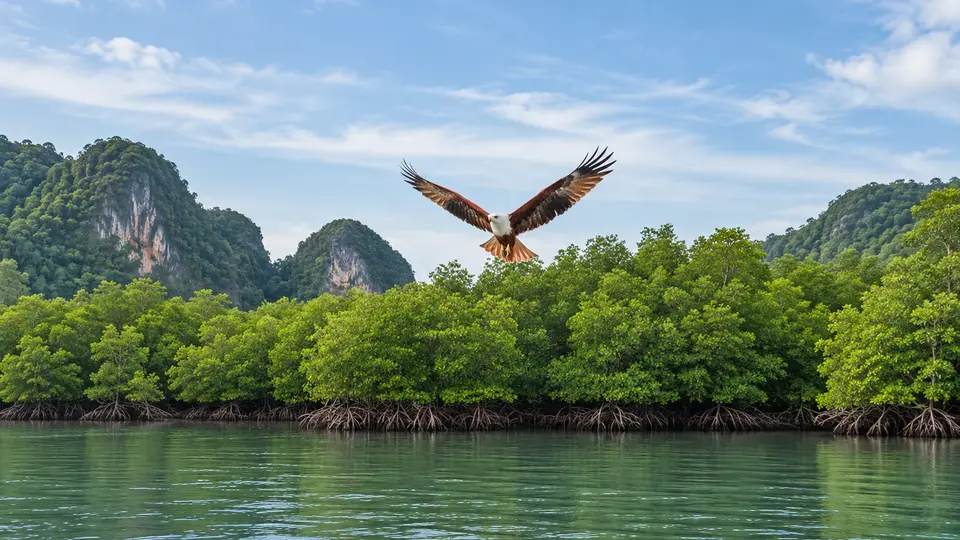
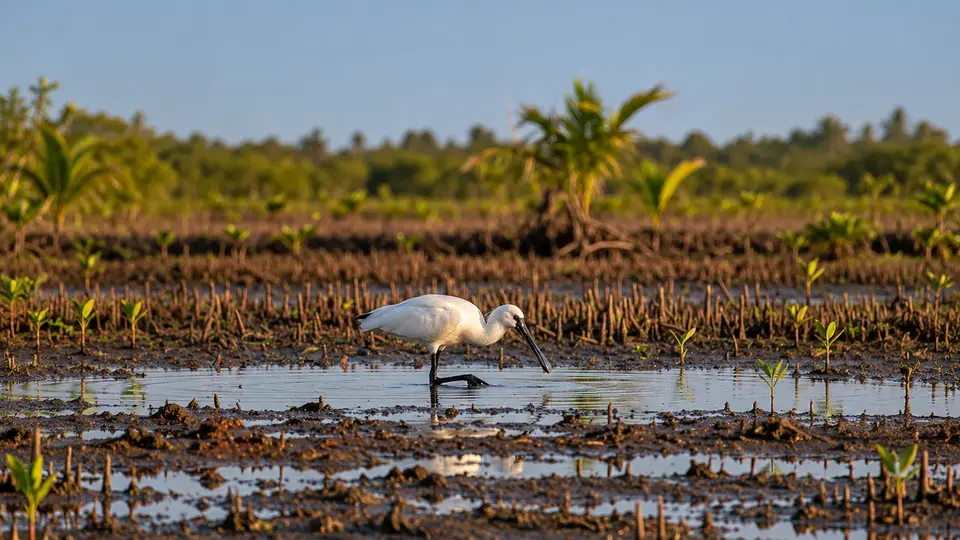
Sarus craneSarus craneBlack-faced spoonbillBlack-faced spoonbillBrahminy kiteBrahminy kite
Animal groupBirdsAnimal groupBirdsAnimal groupBirds
DestinationsVietnamDestinationsVietnamDestinationsIndonesia, Thailand, Vietnam
All wildlife destinations
Plan your trip

Find your next wildlife adventure

Compare destinations, shore programs and dates with the animals and habitats you would love to see.

  • Naturalist-led shore excursions
  • Responsible wildlife watching
  • Small expedition ships

Newsletter

Take Blue Rides with you

Adventure cruise offers, last-minute deals and trip inspiration.

Free, unsubscribe anytime. Details: Privacy Policy

Partner with Blue Rides

Affiliate Program

Recommend adventure cruises and earn commission on every confirmed booking.

Share. Track. Earn.

Your footage, our stage

Send us your videos or pictures.

Captured beautiful landscapes or wildlife? Share your videos and pictures with us, we may feature them on Blue Rides.