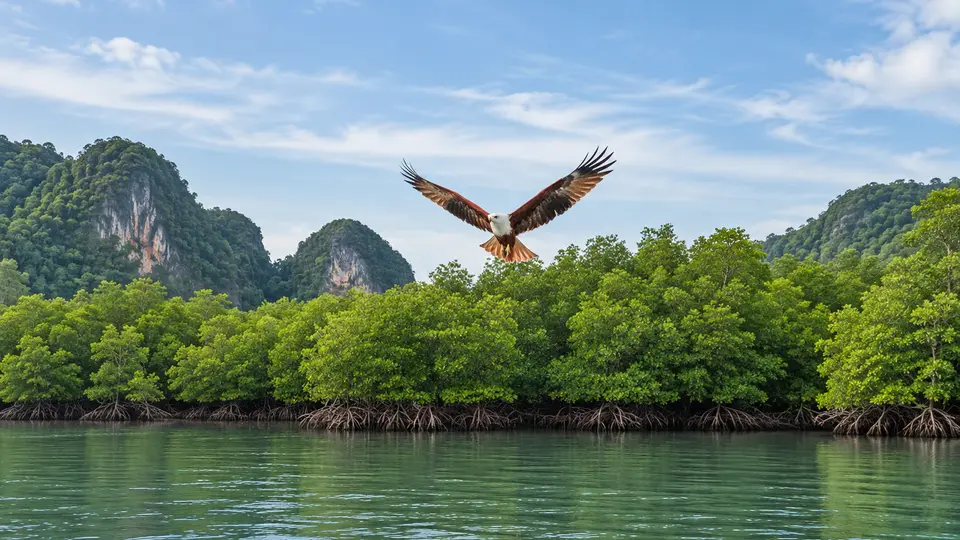
Brahminy kite in its natural habitat, AI illustration

Brahminy kite: where and when to see them

Haliastur indus

Brahminy kite at a glance

The Brahminy kite is a medium-sized raptor of tropical Asian and Australasian coasts, wetlands and rivers. Adults combine a white head and breast with rich chestnut wings and body, making them conspicuous above mangroves and fishing harbours. Despite its striking appearance, it is an adaptable opportunist rather than a specialist hunter. Estuaries with healthy wetlands can support resident birds, although disturbance, pollution and loss of nesting trees affect local populations.

Behaviour & reproduction

Size
44-52 cm long
Weight
320-670 g
Lifespan
Not reliably established
Status
Least Concern

Brahminy kites patrol shorelines with buoyant wingbeats and broad circling glides, watching for floating food or vulnerable prey. They often collect items from the surface without landing and sometimes steal food from other birds. Pairs build stick nests in trees, frequently near water, and defend the immediate nesting area. Outside breeding, several birds may gather around rich feeding sites or communal roosts, but their numbers vary considerably between coastlines and seasons. Courtship displays often involve aerial acrobatics and calling before nesting begins. They are known to be quite vocal, especially around their nesting territories, with a characteristic mewing call.

Top wildlife locations

Indonesia wildlife habitat

Indonesia

Mangrove boardwalks, estuary edges and public harbour viewpoints provide plausible observation habitat. Birds are locally distributed across the archipelago, so suitable coastal scenery alone does not establish that a site supports them.

Adventure cruises in Indonesia
Thailand wildlife habitat

Thailand

Look above mangrove creeks, tidal fishing settlements and wooded estuaries from established shore paths. Suitable habitat is accessible in several coastal regions, although local birds may be absent from heavily disturbed waterfronts.

Adventure cruises in Thailand
Vietnam wildlife habitat

Vietnam

Southern mangrove margins and broad estuaries offer plausible shore-viewing habitat. Distribution is uneven and encounters may be uncommon, making current local advice more useful than expecting birds at every coastal stop.

Adventure cruises in Vietnam

Destinations describe the species' habitat, not guaranteed cruise stops. Some animals require an optional inland excursion or are found in restricted reserves.

Fun facts about the Brahminy kite

  • Young birds are mostly brown and lack the adult's striking white head.
  • The species ranges from South Asia to Australia.
  • It can pick food from the water while remaining airborne.
  • Its scientific genus also includes Australia's whistling kite.

Best time to see the Brahminy kite

Resident birds can be watched throughout the year in suitable habitat. Drier months often make coastal observation more comfortable, but monsoon timing differs across Southeast Asia. Local nesting schedules also vary, so a destination's preferred travel season should not be treated as a universal breeding peak. In some regions, juvenile birds dispersing after breeding can be a common sight during certain months, adding to the year-round resident population. Monitoring local birding forums or tour operators can sometimes provide insights into specific seasonal highlights for different locations.

Brahminy kite: season matrix by destination

Travel and observation windows vary by region. Highlighted months are an orientation for planning, not confirmed sightings or a guarantee of access.

Indonesia

Often drier in southern Indonesia, but rainfall patterns differ substantially among islands; resident birds have no single nationwide observation season.

JanFebMarAprMayJunJulAugSepOctNovDec
Cruise ships in Indonesia

Thailand

Generally useful for coastal travel, especially on the Andaman side; Gulf rainfall differs, and these months do not define breeding.

JanFebMarAprMayJunJulAugSepOctNovDec
Cruise ships in Thailand

Vietnam

A practical dry-season window for southern wetlands, not all Vietnamese coasts; local occurrence and weather should be checked.

JanFebMarAprMayJunJulAugSepOctNovDec
Cruise ships in Vietnam

Where the Brahminy kite lives

Mangrove creeks, tidal flats, lagoons, river mouths and wooded lake margins are characteristic habitats. The species also uses fishing settlements and modified wetlands where food remains available. Large trees near water provide nest sites and resting perches, even in otherwise open coastal landscapes. They are often seen foraging over shallow coastal waters or flying along beaches and mudflats. While preferring coastal and estuarine areas, they can occasionally be found further inland along major rivers and large freshwater lakes, especially during the non-breeding season.

What the Brahminy kite eats

Fish, crabs, carrion and discarded animal material are major foods. Brahminy kites also take insects, amphibians and small vertebrates when opportunities arise. Their scavenging habits explain appearances around harbours, but deliberate feeding can expose them to hooks, entanglement and unhealthy dependence. They are opportunistic predators and scavengers, readily adapting their diet to local conditions and food availability. Their diet can also include small mammals and reptiles, particularly when insects or carrion are scarce.

Species at a glance

Common name
Brahminy kite
Scientific name
Haliastur indus
Animal group
Birds
Size
44-52 cm long
Weight
320-670 g
Lifespan
Not reliably established
Status
Least Concern
Identification
Adults have a white head and breast sharply contrasting with chestnut plumage, unlike the mostly brown black kite or the much larger grey-and-white white-bellied sea eagle. Juvenile birds initially exhibit a browner, streaky plumage with a paler head, gradually molting into the adult's distinct pattern over several years. Their distinctive two-toned appearance makes them relatively easy to identify even at a distance, separating them from other raptors found in the region.

Brahminy kite: frequently asked questions

Where can I see the Brahminy kite?
Indonesia, Thailand, Vietnam. Scan mangrove edges and estuaries from public paths or decks. Keep away from occupied nest trees, and never offer fish scraps; hooks and fishing line pose particular hazards to scavenging raptors. From a boat or cruise ship deck, pay close attention to snags, buoys, and other structures in the water where they might perch. They are often seen soaring high on thermals, providing excellent photographic opportunities against open skies.
When is the best time to see the Brahminy kite?
Resident birds can be watched throughout the year in suitable habitat. Drier months often make coastal observation more comfortable, but monsoon timing differs across Southeast Asia. Local nesting schedules also vary, so a destination's preferred travel season should not be treated as a universal breeding peak. In some regions, juvenile birds dispersing after breeding can be a common sight during certain months, adding to the year-round resident population. Monitoring local birding forums or tour operators can sometimes provide insights into specific seasonal highlights for different locations.
How big does the Brahminy kite get?
44-52 cm long. Adult weight: 320-670 g. Size varies with age, sex and population.
How should I behave around the Brahminy kite?
Scan mangrove edges and estuaries from public paths or decks. Keep away from occupied nest trees, and never offer fish scraps; hooks and fishing line pose particular hazards to scavenging raptors. From a boat or cruise ship deck, pay close attention to snags, buoys, and other structures in the water where they might perch. They are often seen soaring high on thermals, providing excellent photographic opportunities against open skies.
What does the Brahminy kite eat?
Fish, crabs, carrion and discarded animal material are major foods. Brahminy kites also take insects, amphibians and small vertebrates when opportunities arise. Their scavenging habits explain appearances around harbours, but deliberate feeding can expose them to hooks, entanglement and unhealthy dependence. They are opportunistic predators and scavengers, readily adapting their diet to local conditions and food availability. Their diet can also include small mammals and reptiles, particularly when insects or carrion are scarce.
Are wildlife sightings guaranteed on an adventure cruise?
No. Animals move freely and routes, weather, access restrictions and local conditions influence every outing. Confirm the actual itinerary and shore program before booking.

Compare wildlife in the same destinations

Explore other birds recorded in these destinations. Similar surroundings do not mean the animals share the same habits or viewing season.

Species comparison by animal group and destination
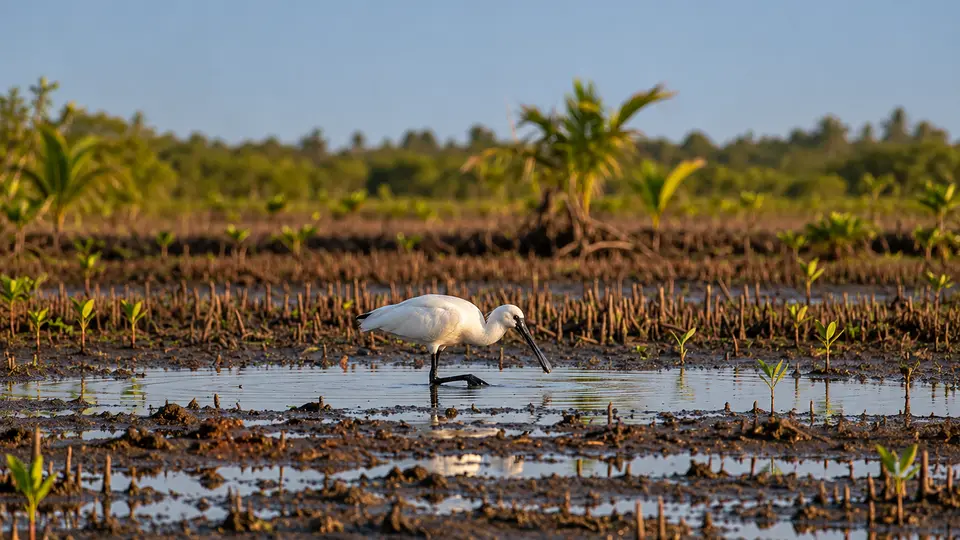
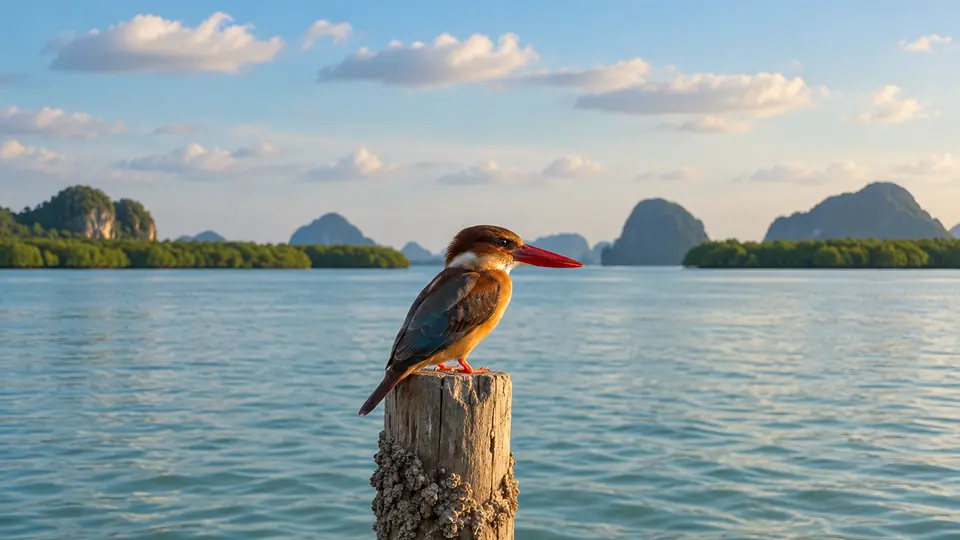
Brahminy kiteBrahminy kiteBlack-faced spoonbillBlack-faced spoonbillBrown-winged kingfisherBrown-winged kingfisher
Animal groupBirdsAnimal groupBirdsAnimal groupBirds
DestinationsIndonesia, Thailand, VietnamDestinationsVietnamDestinationsThailand
All wildlife destinations
Plan your trip

Find your next wildlife adventure

Compare destinations, shore programs and dates with the animals and habitats you would love to see.

  • Naturalist-led shore excursions
  • Responsible wildlife watching
  • Small expedition ships

Newsletter

Take Blue Rides with you

Adventure cruise offers, last-minute deals and trip inspiration.

Free, unsubscribe anytime. Details: Privacy Policy

Partner with Blue Rides

Affiliate Program

Recommend adventure cruises and earn commission on every confirmed booking.

Share. Track. Earn.

Your footage, our stage

Send us your videos or pictures.

Captured beautiful landscapes or wildlife? Share your videos and pictures with us, we may feature them on Blue Rides.