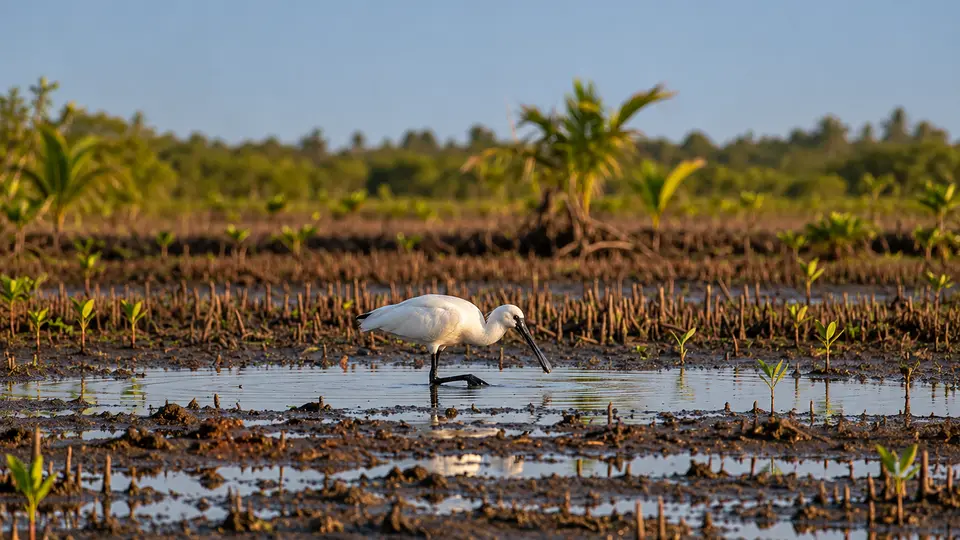
Black-faced spoonbill in its natural habitatAI-modified

Black-faced spoonbillPlatalea minorWhere and when to see them

Black-faced spoonbill at a glance

The black-faced spoonbill is an East Asian waterbird with white plumage, a flattened black bill and exposed dark facial skin. Its global distribution is restricted compared with that of the Eurasian spoonbill, and it depends on a network of coastal wetlands used for breeding, migration and wintering. Habitat protection has supported population recovery, but wetland conversion, disturbance and disease remain important concerns. Vietnam forms part of its nonbreeding range.

Behaviour & reproduction

Size
73–83 cm (29–33 in) long
Weight
1.5–1.9 kg (3.3–4.2 lb)
Lifespan
Up to 15 years in captivity
Status
Check current assessment

Black-faced spoonbills feed by walking through shallow water and sweeping their partly open bills from side to side. Contact with suitable prey triggers a rapid closure. They often feed and roost socially, sometimes alongside other wading birds. Breeding takes place colonially on islands in northeastern Asia, whereas winter groups move among tidal feeding areas and safe roosts according to water levels, disturbance and local food availability. Outside of breeding, Black-faced Spoonbills are largely silent, with calls primarily restricted to alarm or communication within the colony. Their social nature during non-breeding makes them relatively easy to spot within mixed wading bird flocks.

Top wildlife locations

Vietnam wildlife habitatAI-modified

Vietnam

Northern coastal estuaries and protected Red River Delta wetlands offer plausible embankment or hide viewing. Birds are localised and uncommon, so a dedicated wetland excursion and current reserve advice are usually needed.
Destinations describe the species' habitat, not guaranteed cruise stops. Some animals require an optional inland excursion or are found in restricted reserves.

Fun facts about the Black-faced spoonbill

  • Their feeding method relies strongly on touch rather than sight.
  • The flattened bill tip gives spoonbills their family resemblance.
  • Adults develop longer crests and a yellowish breast wash in breeding condition.
  • International winter counts help track a population spread across several East Asian countries.

Best time to see the Black-faced spoonbill

Vietnamese observation is most plausible during the cooler nonbreeding months, broadly November through March. Arrival and departure vary, and numbers at individual wetlands can be small. This is a wintering window, not a Vietnamese breeding season or assurance of local birds. Peak numbers are typically recorded between December and February, corresponding with the species' full wintering period. While present, their conservation status means sightings are always considered significant and special.

Black-faced spoonbill: season matrix by destination

Travel and observation windows vary by region. Highlighted months are an orientation for planning, not confirmed sightings or a guarantee of access.

Vietnam

This reflects the main nonbreeding period in Vietnam; wetland occupancy and accessible viewing conditions vary, and recent local information is essential.

JanFebMarAprMayJunJulAugSepOctNovDec
Cruise ships in Vietnam

Where the Black-faced spoonbill lives

Nonbreeding birds use shallow estuaries, tidal mudflats, lagoons, saltmarsh margins and suitable managed ponds. Feeding requires accessible shallow water, while nearby undisturbed roosts provide refuge at high tide. Breeding habitat is different, centred on offshore islands and rocky nesting areas farther north. Coastal wetlands with brackish or saline conditions are preferred, offering a mix of open water and sheltered areas. Its dependence on these specific environments makes it vulnerable to coastal development and habitat loss.

What the Black-faced spoonbill eats

The species eats small fish, shrimps and other aquatic animals detected through touch while sweeping its bill. Shallow water helps concentrate prey within reach. Diet composition changes among wetlands and tidal conditions, rather than depending on one particular fish or crustacean. In Vietnam, their diet often includes small mudskippers, crabs, and shrimp species common to mangrove and estuarine systems. This dietary flexibility allows them to adapt to varied local prey availability across their wintering grounds.

Species at a glance

Common name
Black-faced spoonbill
Scientific name
Platalea minor
Animal group
Birds
Size
73–83 cm (29–33 in) long
Weight
1.5–1.9 kg (3.3–4.2 lb)
Lifespan
Up to 15 years in captivity
Status
Check current assessment
Identification
Compared with Eurasian spoonbills, black-faced spoonbills have dark bare facial skin extending around the eyes and lack the adult Eurasian spoonbill's prominent yellow bill tip. Juvenile Black-faced Spoonbills have some black feathering on their primaries, differentiating them from adults which have all-white wings. The facial skin on juveniles is also duller and less extensive than on mature birds.

Black-faced spoonbill: frequently asked questions

Where can I see the Black-faced spoonbill?
Vietnam. Watch from wetland hides or designated embankments with a telescope. Keep well away from high-tide roosts, avoid flushing flocks for photographs, and follow reserve guidance because repeated disturbance can reduce essential feeding time. Shore excursions to designated protected areas like Xuan Thuy National Park are prime opportunities for observation. From deck, sightings are less common but possible if the vessel passes close to suitable, undisturbed coastal feeding areas.
When is the best time to see the Black-faced spoonbill?
Vietnamese observation is most plausible during the cooler nonbreeding months, broadly November through March. Arrival and departure vary, and numbers at individual wetlands can be small. This is a wintering window, not a Vietnamese breeding season or assurance of local birds. Peak numbers are typically recorded between December and February, corresponding with the species' full wintering period. While present, their conservation status means sightings are always considered significant and special.
How big does the Black-faced spoonbill get?
73–83 cm (29–33 in) long. Adult weight: 1.5–1.9 kg (3.3–4.2 lb). Size varies with age, sex and population.
How should I behave around the Black-faced spoonbill?
Watch from wetland hides or designated embankments with a telescope. Keep well away from high-tide roosts, avoid flushing flocks for photographs, and follow reserve guidance because repeated disturbance can reduce essential feeding time. Shore excursions to designated protected areas like Xuan Thuy National Park are prime opportunities for observation. From deck, sightings are less common but possible if the vessel passes close to suitable, undisturbed coastal feeding areas.
What does the Black-faced spoonbill eat?
The species eats small fish, shrimps and other aquatic animals detected through touch while sweeping its bill. Shallow water helps concentrate prey within reach. Diet composition changes among wetlands and tidal conditions, rather than depending on one particular fish or crustacean. In Vietnam, their diet often includes small mudskippers, crabs, and shrimp species common to mangrove and estuarine systems. This dietary flexibility allows them to adapt to varied local prey availability across their wintering grounds.
Are wildlife sightings guaranteed on an adventure cruise?
No. Animals move freely and routes, weather, access restrictions and local conditions influence every outing. Confirm the actual itinerary and shore program before booking.

Compare wildlife in the same destinations

Explore other birds recorded in these destinations. Similar surroundings do not mean the animals share the same habits or viewing season.

Species comparison by animal group and destination
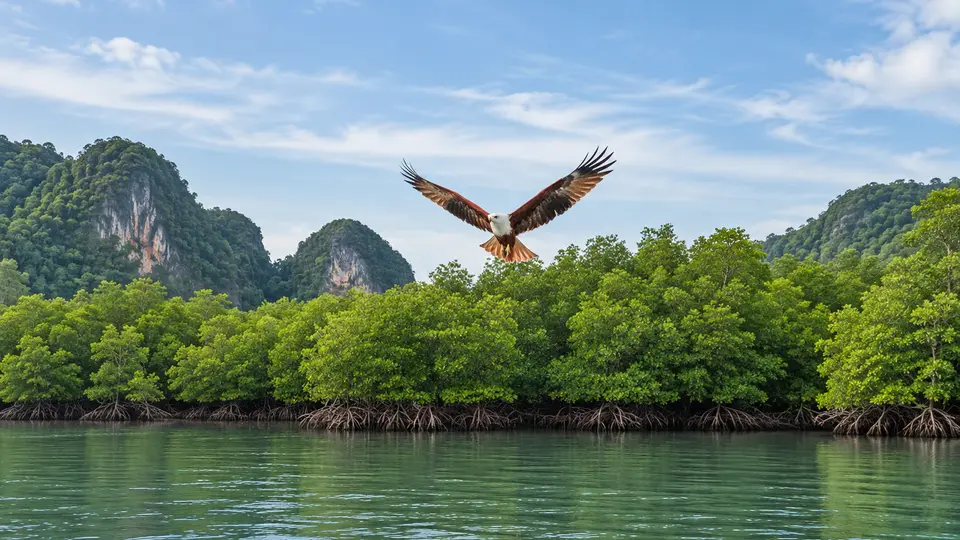
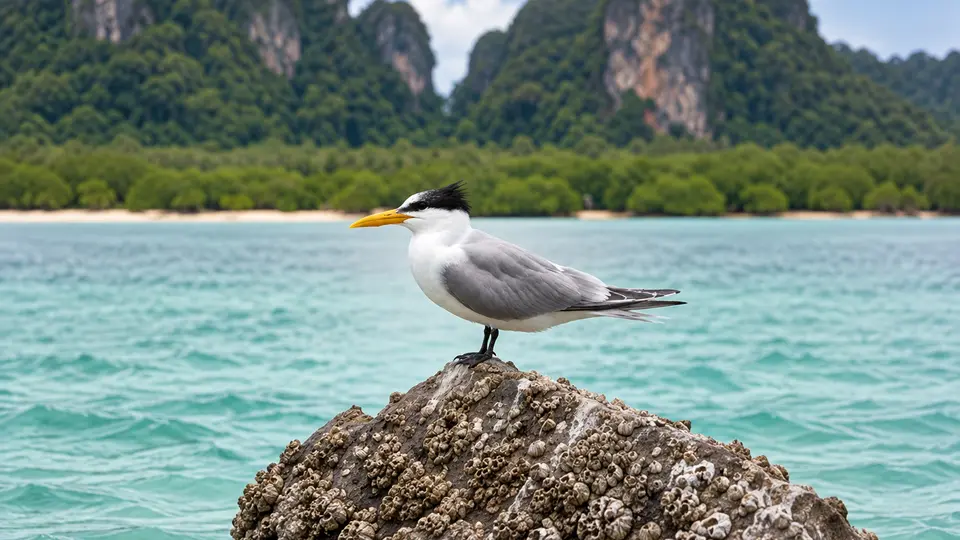
Black-faced spoonbillAI-modifiedBlack-faced spoonbillBrahminy kiteAI-modifiedBrahminy kiteGreat crested ternAI-modifiedGreat crested tern
Animal groupBirdsAnimal groupBirdsAnimal groupBirds
DestinationsVietnamDestinationsIndonesia, Thailand, VietnamDestinationsThailand, Vietnam
Scientific namePlatalea minorScientific nameScientific name
All wildlife destinations
AI-modified
Plan your trip

Find your next wildlife adventure

Compare destinations, shore programs and dates with the animals and habitats you would love to see.

  • Naturalist-led shore excursions
  • Responsible wildlife watching
  • Small expedition ships