01 · Coastal landscapes
Dubrovnik
Walk the historic harbour and old town, allowing for crowds and summer heat.
Check access, activity level and inclusion on your confirmed itinerary.

Adriatic islands and historic harbour towns
Small ships
Personal, guided voyages
Choose your season
May – Jun & Sep – Oct
Shore experiences
On your confirmed itinerary
Nature & wildlife
Coasts, trails & island habitats
Adriatic islands and historic harbour towns

A journey through Dubrovnik and the surrounding region brings the landscape into focus. Your ship connects the coastal places while guided excursions reveal the details that are easy to miss from the deck.
Choose the actual stops on the program, not just the destination name. Routes that include Split can offer a different balance of nature and culture from those centred on Mljet. Activities, permits and walking demands vary by voyage.
When to go
Warm, settled weather for old towns, island villages and national parks without the peak-summer heat.
July and August are hot and busy in the most popular ports; start excursions early.
Small-ship cruises rarely run in winter; many island services close.
Typical patterns for planning shore excursions; weather varies year to year and is never guaranteed.
Warm, settled weather for old towns, island villages and national parks without the peak-summer heat.
July and August are hot and busy in the most popular ports; start excursions early.
| Typical pattern | Jan | Feb | Mar | Apr | May | Jun | Jul | Aug | Sep | Oct | Nov | Dec |
|---|---|---|---|---|---|---|---|---|---|---|---|---|
| Shore conditions | Limited | Limited | Limited | Variable | Peak | Peak | Variable | Variable | Peak | Peak | Limited | Limited |
| Rain / snow · mm | 127 | 113 | 99 | 78 | 81 | 36 | 19 | 40 | 99 | 121 | 228 | 155 |
| Cruises | Limited | Limited | Limited | Seasonal | Seasonal | Seasonal | Seasonal | Seasonal | Seasonal | Seasonal | Limited | Limited |
Local conditions differ between coastlines and islands. The chart represents Split, not every stop on a voyage. Cruise operation depends on the published itinerary, not the weather rating.
Temperatures in Split shift clearly through the year: August is the warmest month with average highs near 28°C, while January is the coolest at around 11°C, a swing of roughly 17°C. Nights typically run about 5°C below the daytime high, so a layer for evenings is worth packing. The months between these extremes warm up and cool down gradually rather than abruptly.
Split · 2015–2024. Monthly averages, rounded for planning; not a forecast or a local station measurement. Rainfall includes water-equivalent snowfall where relevant.
Wildlife on land & along the coast
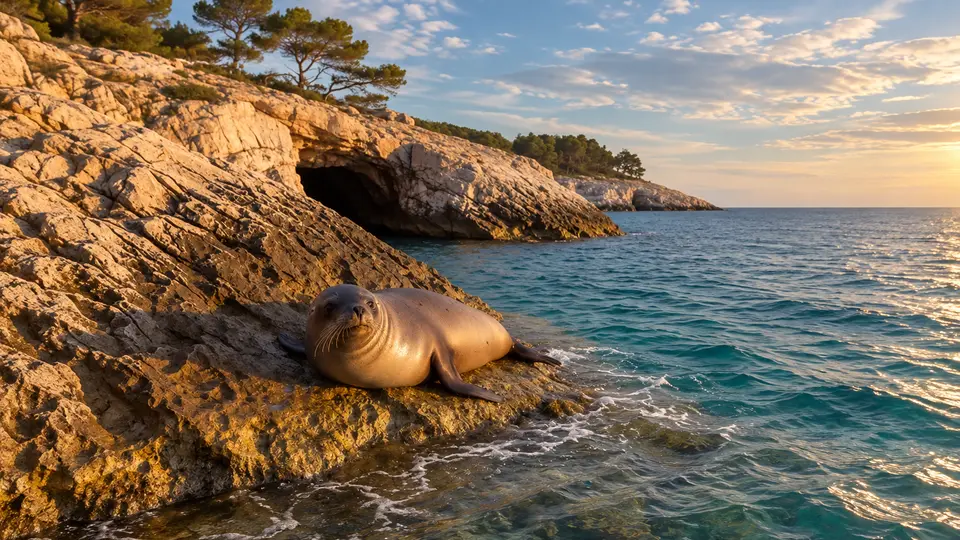
Year-round, very rare
Remote rocky Adriatic shores
One of the world's rarest seals — a sighting on quiet rocky shores would be exceptional.
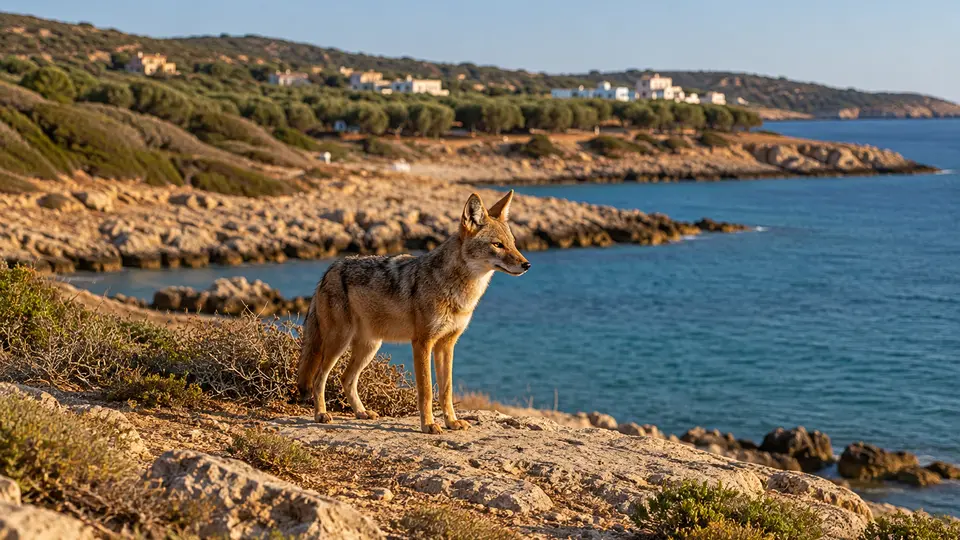
Spring & autumn, dawn/dusk
Coastal scrub & reed wetlands
Watch scrub and reed-fringed wetlands at dawn or dusk where jackals are established.

Year-round, uncommon by day
Coastal scrub & woodland
Look through woodland behind the shore, though daylight sightings of this shy animal are rare.
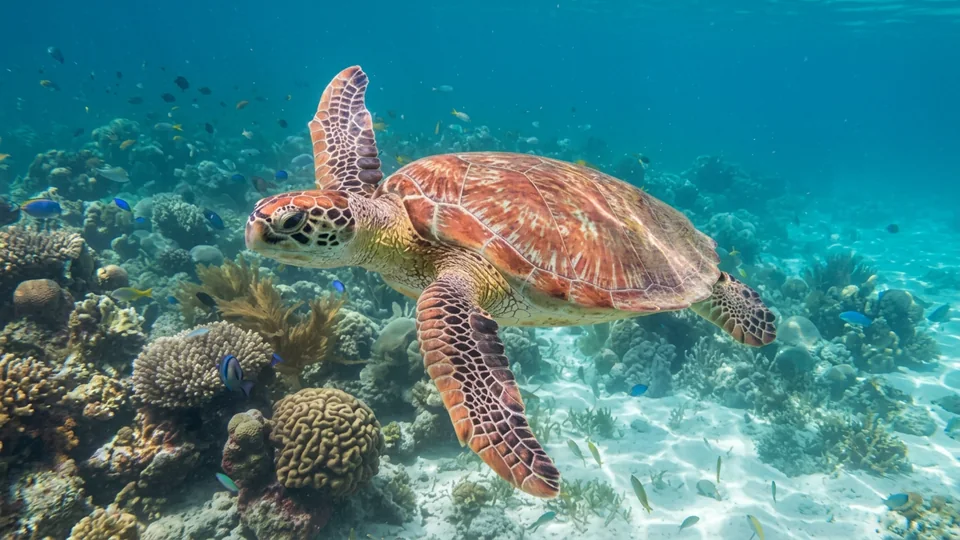
No set season
Adriatic coastal waters
Scan the sea from headlands or the deck for an occasional surfacing loggerhead.
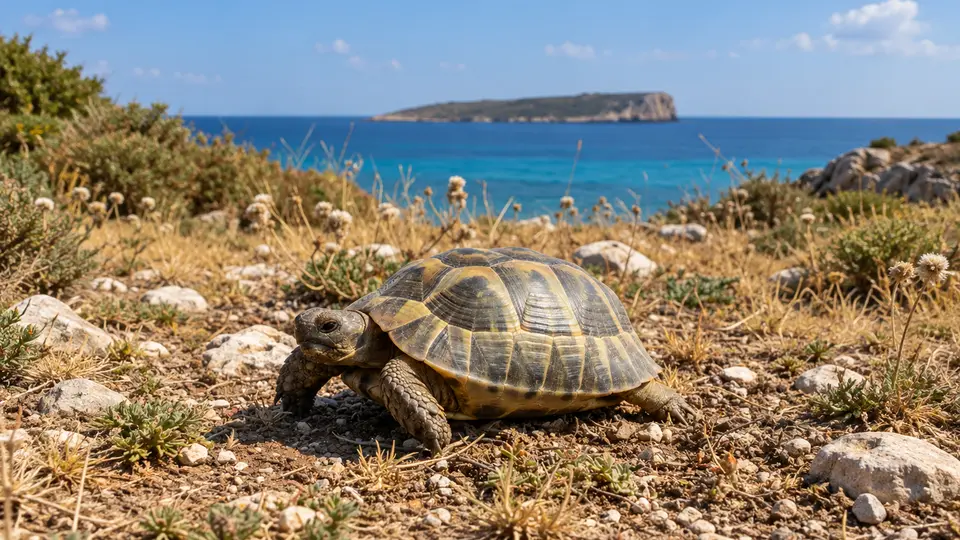
Spring & autumn
Dalmatian scrub & farmland
Look along sunny scrub, open woodland and old farmland in the Dalmatian region.
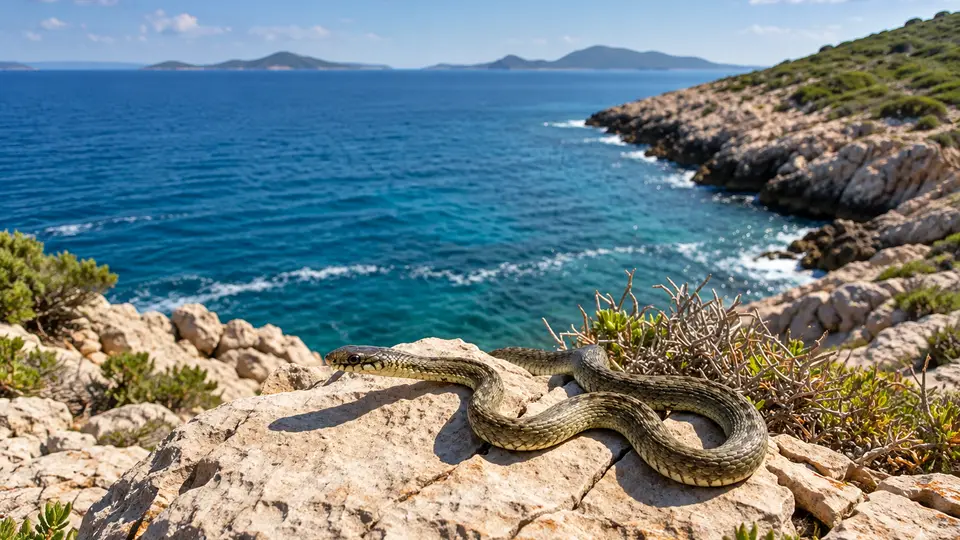
Warmer months
Coastal scrub & stone walls
Watch sunny paths and old field walls, sometimes near towns, for this fast-moving snake.
Wildlife is wild: sightings, courtship displays and nesting activity cannot be guaranteed. Species occur in different parts of the region, not at every landing.
Show all other animalsEvery shore tells a different story
01 · Coastal landscapes
Walk the historic harbour and old town, allowing for crowds and summer heat.
Check access, activity level and inclusion on your confirmed itinerary.
02 · Local heritage
Roman heritage and a lively waterfront centre on Diocletian’s Palace.
Check access, activity level and inclusion on your confirmed itinerary.
03 · Guided exploration
An island harbour with stone lanes, nearby hills and agricultural landscapes.
Check access, activity level and inclusion on your confirmed itinerary.
04 · Nature ashore
A walled old town and island villages offer a mix of heritage and coastal scenery.
Check access, activity level and inclusion on your confirmed itinerary.
05 · Island experiences
Forested island trails and saltwater-lake landscapes within the national park, if access is included.
Check access, activity level and inclusion on your confirmed itinerary.
06 · Route highlights
Sparse limestone islands and sheltered channels in a national park
Check access, activity level and inclusion on your confirmed itinerary.

Karst geology creates pale rocky shores, caves and islands with limited freshwater.

Pine woodland, olive groves and aromatic shrubs adapt to dry summers.

National-park access and heritage sites have visitor rules; respect old-town quiet hours and protected bays.
Choose places before cabins

Common coastal routes connect Hvar, Korčula and other islands between the two cities.

Choose Šibenik and Zadar-area routes for Kornati-oriented programs.

Dubrovnik-based routes can focus on Mljet, Korčula and southern bays.
Your base between shore days
40 published cruise ships. Ships remain listed even when departure dates are not yet available.
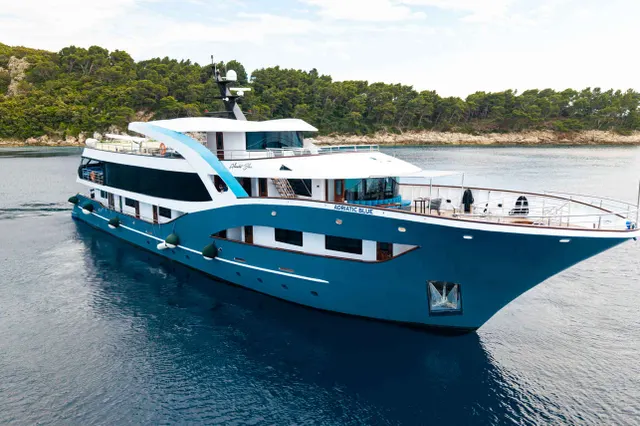
36 guests
Dates & pricing on request
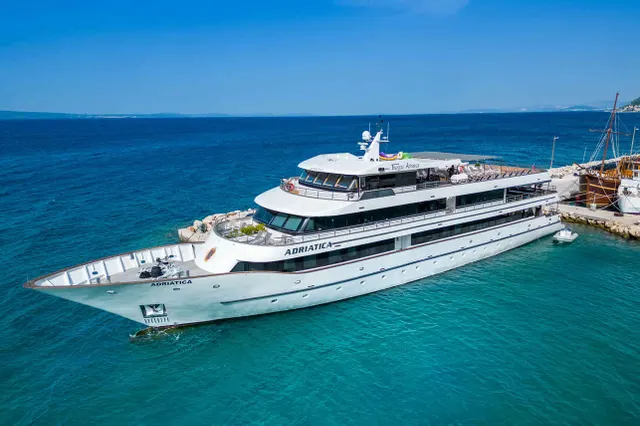
35 guests
Dates & pricing on request
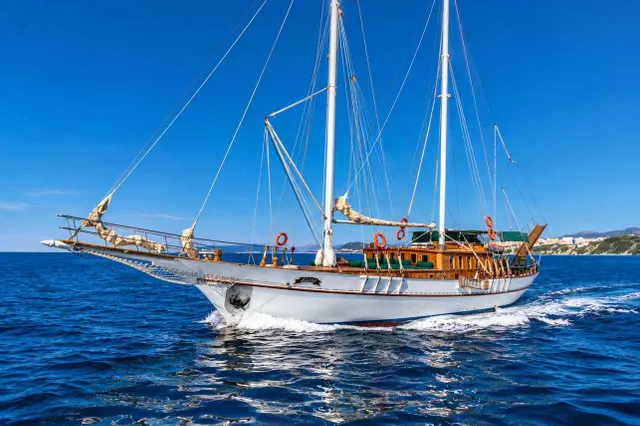
12 guests
Dates & pricing on request
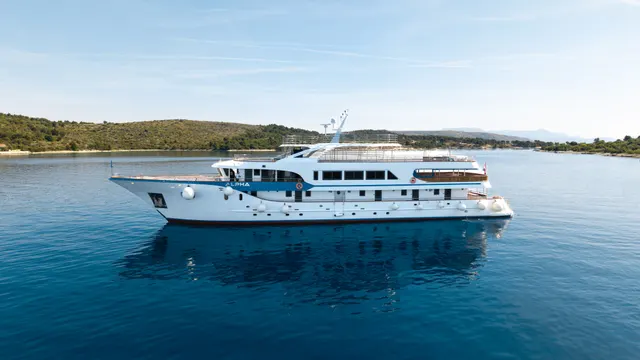
38 guests
Dates & pricing on request
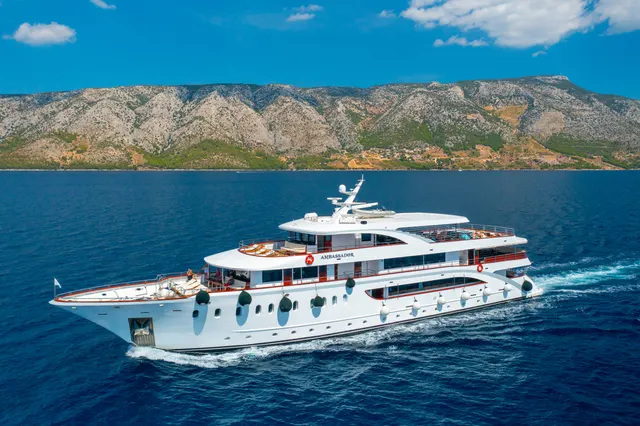
40 guests
Dates & pricing on request
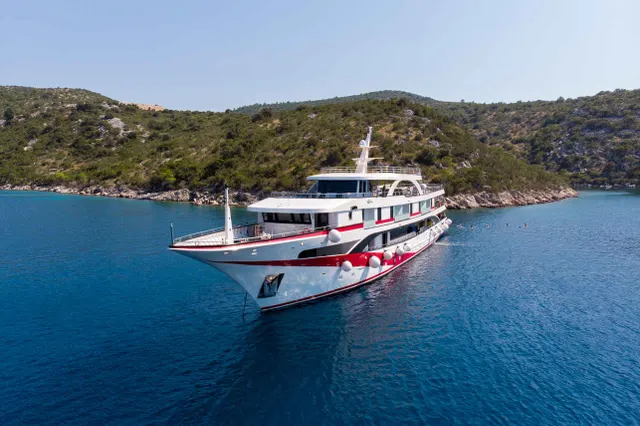
38 guests
Dates & pricing on request
Ready to compare ships and dates?
Open the adventure cruise search to filter every published expedition ship by destination and travel month.
Flights & arrival
Flight gateway
Harbours in Split and Dubrovnik are 20–40 min from the airport. Confirm the onward flight or harbour transfer from Split Airport with your operator before booking.
Flight gateway
Harbours in Split and Dubrovnik are 20–40 min from the airport. Confirm the onward flight or harbour transfer from Dubrovnik with your operator before booking.
Flight gateway
Harbours in Split and Dubrovnik are 20–40 min from the airport. Confirm the onward flight or harbour transfer from Zagreb with your operator before booking.
Onward journey
Harbours in Split and Dubrovnik are 20–40 min from the airport.
Before departure
Arrive a day early, especially in peak summer.
We recommend reaching the embarkation town at least one day before departure. Allow more time for remote destinations, separate flights, ferries or long transfers, and follow any earlier arrival or briefing required by your operator.
Flight schedules and entry requirements change. Confirm current arrangements with your operator before booking.
Before you set sail

Discuss health, mobility and dietary needs before choosing a route. Remote areas may have limited medical facilities; travel insurance should cover your activities and any necessary evacuation.
Good to know
Find the ship, route and travel dates that suit you.