Costa Rica CruisesAI-modified
Costa Rica · Small-ship exploration

Costa Rica Cruises

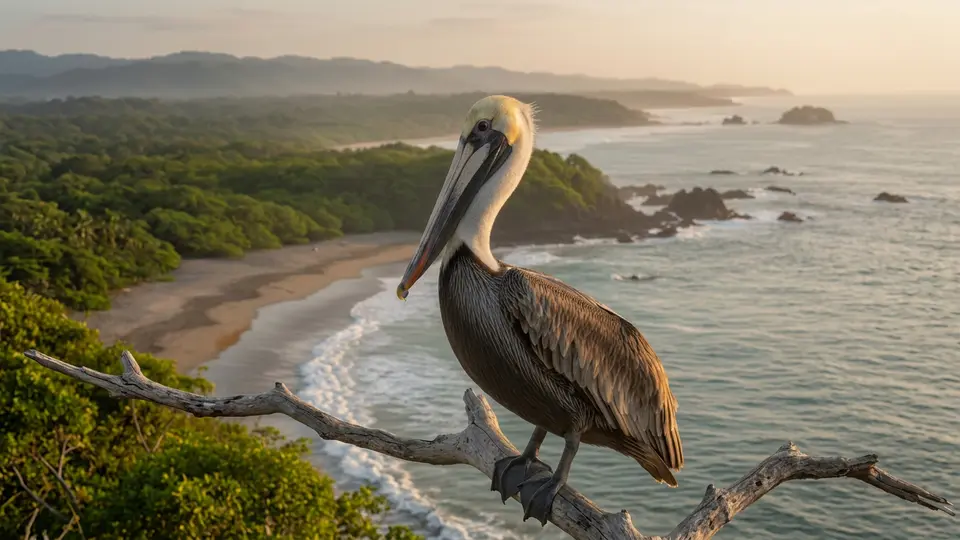
Rainforest shores on the Pacific coast

Small ships

Personal, guided voyages

Choose your season

Dec – Apr

Shore experiences

On your confirmed itinerary

Nature & wildlife

Coasts, trails & island habitats

Rainforest shores on the Pacific coast

The destination is the experience

Costa Rica’s Pacific coast links humid tropical forest, mangroves and small coastal communities. Expedition-style voyages can combine guided wildlife walks with beaches and sheltered bays, particularly around the Nicoya and Osa peninsulas.
Corcovado National ParkAI-modified

A journey through Corcovado National Park and the surrounding region brings the landscape into focus. Your ship connects the coastal places while guided excursions reveal the details that are easy to miss from the deck.

Choose the actual stops on the program, not just the destination name. Routes that include Manuel Antonio can offer a different balance of nature and culture from those centred on Isla Tortuga. Activities, permits and walking demands vary by voyage.

When to go

Best time to travel: seasons & weather

Match your Costa Rica route to the season, the shore experiences you want and local conditions. Coastal regions can differ considerably within the same destination.

Shore-excursion season in Costa Rica at a glance

ExcellentGoodOff-season

Excellent, peak season (Dec – Apr)

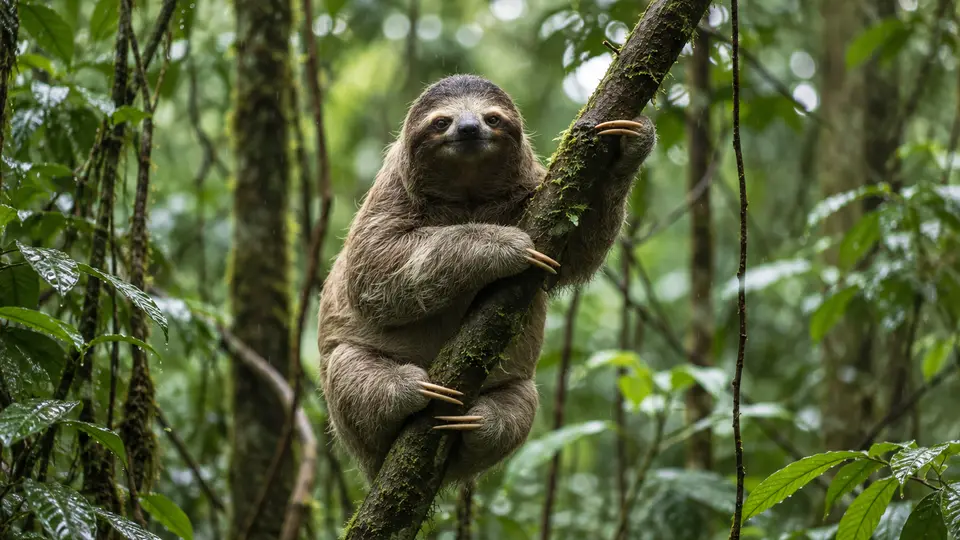
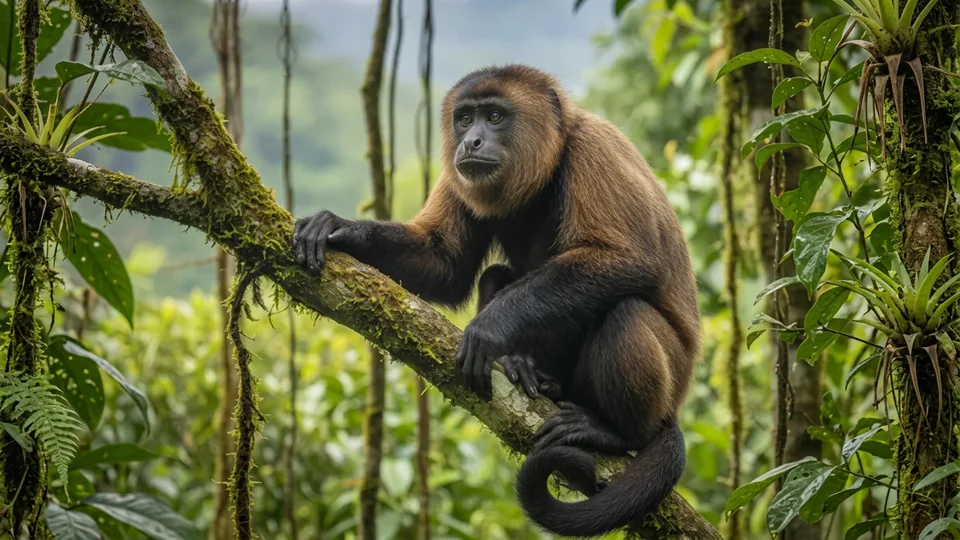
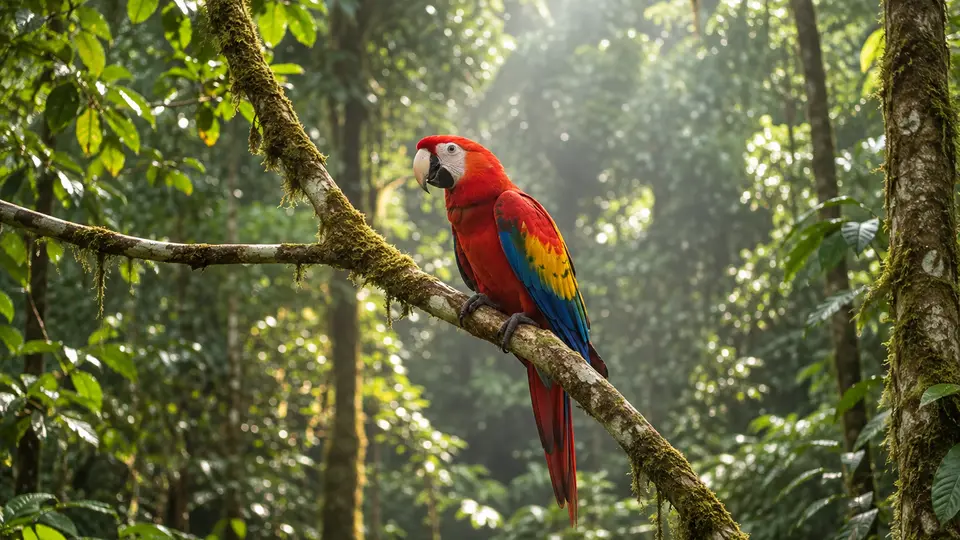
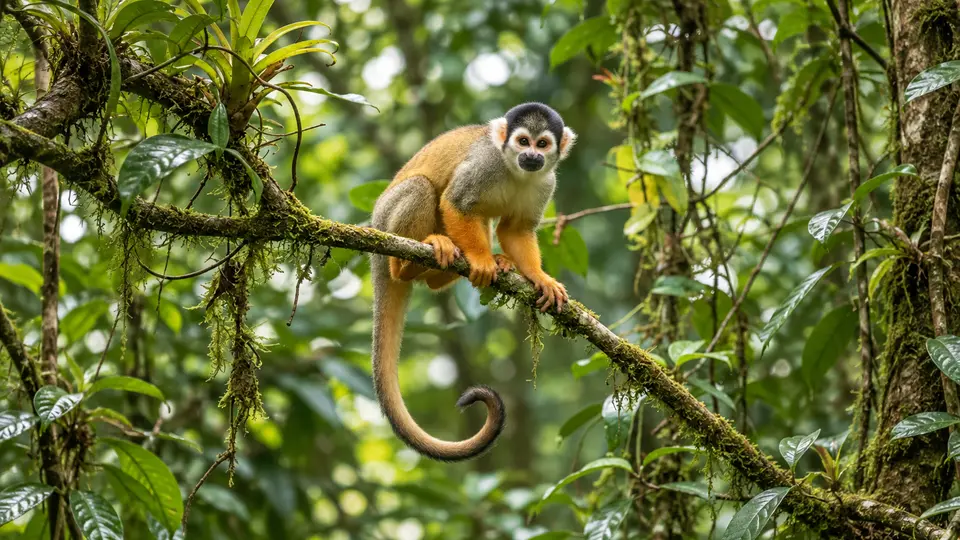
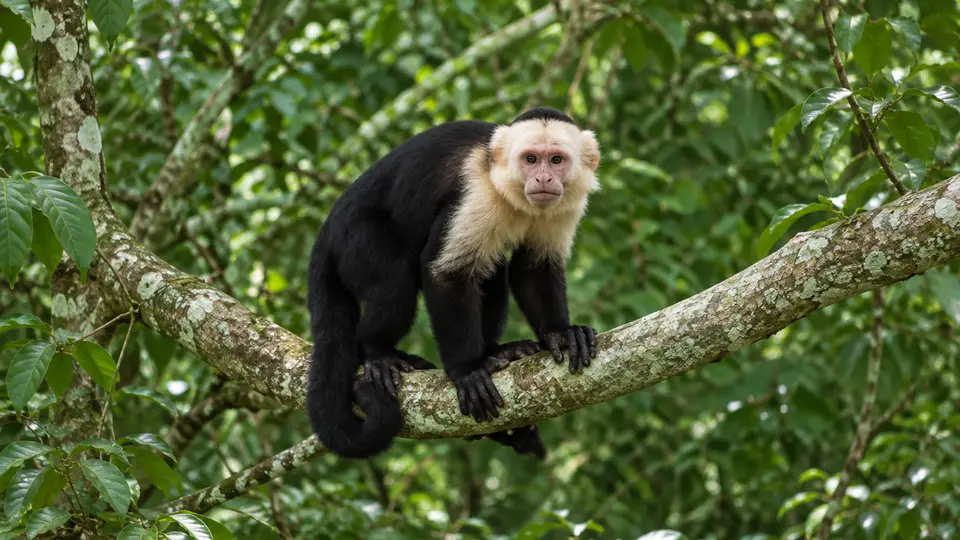
Dry season on the Pacific coast: easy rainforest hikes, clear river landings and reliable wildlife watching for monkeys, sloths and scarlet macaws.

Good, shoulder season (May & Nov)

Green season begins: lush forests, afternoon showers and turtle nesting; mornings stay good for guided walks.

Off-season (Jun – Oct)

Heaviest rains; muddy trails and some landings may change, though forests are at their greenest.

Typical patterns for planning shore excursions; weather varies year to year and is never guaranteed.

Peak season · Dec – Apr

Dry season on the Pacific coast: easy rainforest hikes, clear river landings and reliable wildlife watching for monkeys, sloths and scarlet macaws.

Shoulder season · May & Nov

Green season begins: lush forests, afternoon showers and turtle nesting; mornings stay good for guided walks.

Season & shore-walk conditions

Jan
Peak
90 mm
Seasonal
Feb
Peak
52 mm
Seasonal
Mar
Peak
99 mm
Seasonal
Apr
Peak
273 mm
Seasonal
May
Variable
512 mm
Seasonal
Jun
Limited
486 mm
Limited
Jul
Limited
546 mm
Limited
Aug
Limited
577 mm
Limited
Sep
Limited
480 mm
Limited
Oct
Limited
735 mm
Limited
Nov
Variable
639 mm
Seasonal
Dec
Peak
208 mm
Seasonal

Local conditions differ between coastlines and islands. The chart represents Puerto Jiménez, not every stop on a voyage. Cruise operation depends on the published itinerary, not the weather rating.

Air temperatures through the year

Average daily highAverage daily low
15°C20°C25°C30°C35°CJanFebMarAprMayJunJulAugSepOctNovDec

Temperatures in Puerto Jiménez barely change through the year: daytime highs stay close to 29°C in every month, and even the coolest month (November) averages around 28°C. Nights typically fall about 4°C below the daytime high, so evenings stay mild. Pack for consistent warmth rather than seasons.

Puerto Jiménez · 2015–2024. Monthly averages, rounded for planning; not a forecast or a local station measurement. Rainfall includes water-equivalent snowfall where relevant.

Wildlife on land & along the coast

Meet the locals

The most memorable encounters often happen at walking pace. Animals live in specific habitats, so the places on your route matter as much as the month. Follow local wildlife distances and your guide.

Wildlife is wild: sightings, courtship displays and nesting activity cannot be guaranteed. Species occur in different parts of the region, not at every landing.

Show all other animals

Every shore tells a different story

Shore excursions worth planning around

These are examples of places and experiences, not a promised itinerary. Look for the actual landing names and included transfers in your ship’s day-by-day program.

01 · Coastal landscapes

Corcovado National Park

Lowland rainforest supports monkeys, sloths and a remarkable variety of birds. Park entry requires advance arrangements and authorised guidance.

Check access, activity level and inclusion on your confirmed itinerary.

02 · Local heritage

Manuel Antonio

Coastal forest trails and beaches near Quepos. Check whether a park excursion is explicitly included in your route.

Check access, activity level and inclusion on your confirmed itinerary.

03 · Guided exploration

Osa Peninsula

Rainforest and tidal shoreline habitats around Drake Bay and Puerto Jiménez, with wildlife best noticed slowly.

Check access, activity level and inclusion on your confirmed itinerary.

04 · Nature ashore

Golfo Dulce

A deep tropical gulf bordered by rainforest and mangroves. Sheltered-water outings vary with tide and weather.

Check access, activity level and inclusion on your confirmed itinerary.

05 · Island experiences

Isla Tortuga

A Nicoya Gulf island stop with beach time and optional water activities where offered.

Check access, activity level and inclusion on your confirmed itinerary.

06 · Route highlights

Curú Wildlife Refuge

A protected coastal refuge on the Nicoya Peninsula, with trails through forest and mangrove habitat.

Check access, activity level and inclusion on your confirmed itinerary.

Pacific landscapesAI-modified

Pacific landscapes

Peninsulas, sheltered gulfs and exposed Pacific beaches bring very different landing conditions.

Forest & mangrovesAI-modified

Forest & mangroves

Lowland rainforest and mangroves support wildlife, while guided walks help distinguish habitats.

Protecting biodiversityAI-modified

Protecting biodiversity

Protected areas have entry limits and guide requirements. Stay on trails and never bait wildlife.

Choose places before cabins

Which Costa Rica route is right for you?

Route labels vary between operators. Compare the actual ports, landings and shore programs, not just the regional name.
Nicoya PeninsulaAI-modified

Nicoya Peninsula

Puntarenas-based routes can visit island beaches and Curú.

Osa & Golfo DulceAI-modified

Osa & Golfo Dulce

Southern routes emphasise rainforest, Drake Bay and Golfo Dulce.

Pacific coast combinationsAI-modified

Pacific coast combinations

Longer coastal voyages may combine several regions or continue into Panama

View Costa Rica cruise departures

Your base between shore days

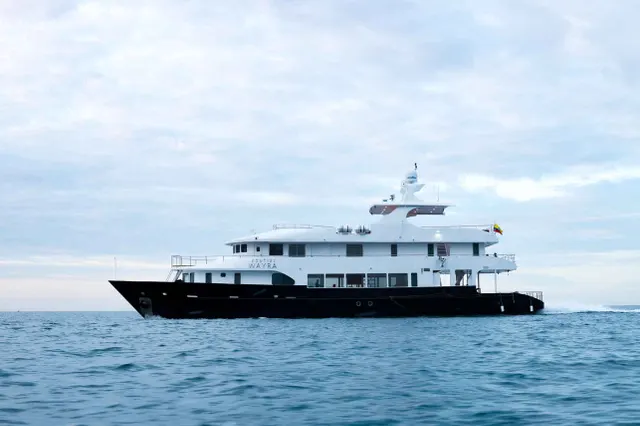
Costa Rica cruise ships

Explore the cruise ships already in our collection. Compare cabins, guest numbers and day-by-day routes; daily prices appear only when current pricing is available.

1 published cruise ships. Ships remain listed even when departure dates are not yet available.

Ready to compare ships and dates?

Open the adventure cruise search to filter every published expedition ship by destination and travel month.

Search cruise ships

Flights & arrival

How to get to Costa Rica

Fly into San José (SJO) or Liberia (LIR) on the Pacific coast.
SJO

Flight gateway

San José · Juan Santamaría

Embarkation ports such as Puntarenas or Los Sueños are a 1.5–2 h transfer from San José. Confirm the onward flight or harbour transfer from San José with your operator before booking.

LIR

Flight gateway

Guanacaste · Daniel Oduber Quirós

Embarkation ports such as Puntarenas or Los Sueños are a 1.5–2 h transfer from San José. Confirm the onward flight or harbour transfer from Guanacaste with your operator before booking.

Connections & onward transfers

Onward journey

Embarkation ports such as Puntarenas or Los Sueños are a 1.5–2 h transfer from San José.

Before departure

Arrive a day early to rest after long-haul flights.

Arrive early, protect your departure

We recommend reaching the embarkation town at least one day before departure. Allow more time for remote destinations, separate flights, ferries or long transfers, and follow any earlier arrival or briefing required by your operator.

  • Confirm the embarkation town, harbour meeting point and check-in time before buying flights.
  • Ask which airport transfer, ferry or domestic connection is included in the cruise.
  • Book flexible connections where possible and allow extra time for remote routes.
  • The airports listed are alternatives for different routes, not confirmed flights for this ship. Check the port, meeting time and transfers in your final travel documents.

Flight schedules and entry requirements change. Confirm current arrangements with your operator before booking.

Before you set sail

A little preparation makes a big difference

Pack for the landings

  • Grippy walking shoes and suitable footwear for wet landings
  • Sun hat, high-protection sunscreen and refillable water bottle
  • Light rain jacket and a wind layer for boat transfers
  • Binoculars and a camera, with no flash around wildlife
  • Personal medication and motion-sickness advice before departure

Respect the destination

  • Follow local guides, landing permissions and protected-area rules
  • Keep the required distance from wildlife and avoid nesting or resting areas
  • Never feed or touch animals; do not collect natural objects
  • Clean footwear and equipment before sensitive island landings
  • Respect local dress, community invitations and photography permission
Curú Wildlife RefugeAI-modified

Discuss health, mobility and dietary needs before choosing a route. Remote areas may have limited medical facilities; travel insurance should cover your activities and any necessary evacuation.

Good to know

Costa Rica cruise questions

When is the best time for a Costa Rica cruise?
Dry season on the Pacific coast: easy rainforest hikes, clear river landings and reliable wildlife watching for monkeys, sloths and scarlet macaws. Green season begins: lush forests, afternoon showers and turtle nesting; mornings stay good for guided walks. The climate chart describes Puerto Jiménez; conditions elsewhere on the route can differ.
Which Costa Rica route should I choose?
Nicoya Peninsula: Puntarenas-based routes can visit island beaches and Curú. Osa & Golfo Dulce: Southern routes emphasise rainforest, Drake Bay and Golfo Dulce. Pacific coast combinations: Longer coastal voyages may combine several regions or continue into Panama
Are shore excursions included?
Check the inclusions and actual day-by-day program. Visits such as Corcovado National Park or Manuel Antonio require the right route; park entry, transfers and optional activities may cost extra.
What wildlife can I see in Costa Rica?
The region supports species such as Brown-throated Sloth, Mantled Howler, Scarlet Macaw. Different species use different habitats; not every animal occurs at every port. Sightings are never guaranteed.
Do I need to be an experienced hiker?
Not necessarily, but uneven paths, steps and wet transfers can be demanding. Ask about the exact walking distances, terrain and assistance before choosing your voyage.
Can the itinerary change?
Yes. Weather, sea state, tides, ice, permits and wildlife protection can change landings. Your captain and expedition team determine safe alternatives.
What entry documents do I need for Costa Rica?
Your cruise visits Costa Rica. Visa requirements, electronic travel authorisations and passport-validity rules depend on your nationality and travel documents. Check the current official guidance linked below, including transit-country rules, before travelling.Official entry guidance
When should I arrive before the cruise?
Reach the confirmed embarkation town at least one day early, or earlier if your operator requires briefing nights. Allow extra time for domestic flights, ferries and remote gateways.
AI-modified
Plan your trip

Your Costa Rica story starts here

Find the ship, route and travel dates that suit you.

  • Small-ship exploration
  • Individual shore programs
  • Routes for your travel season