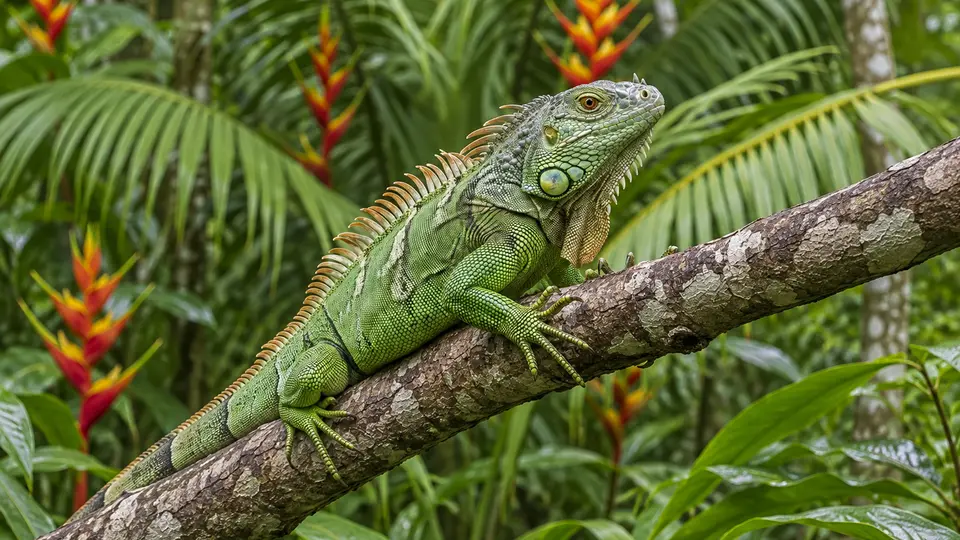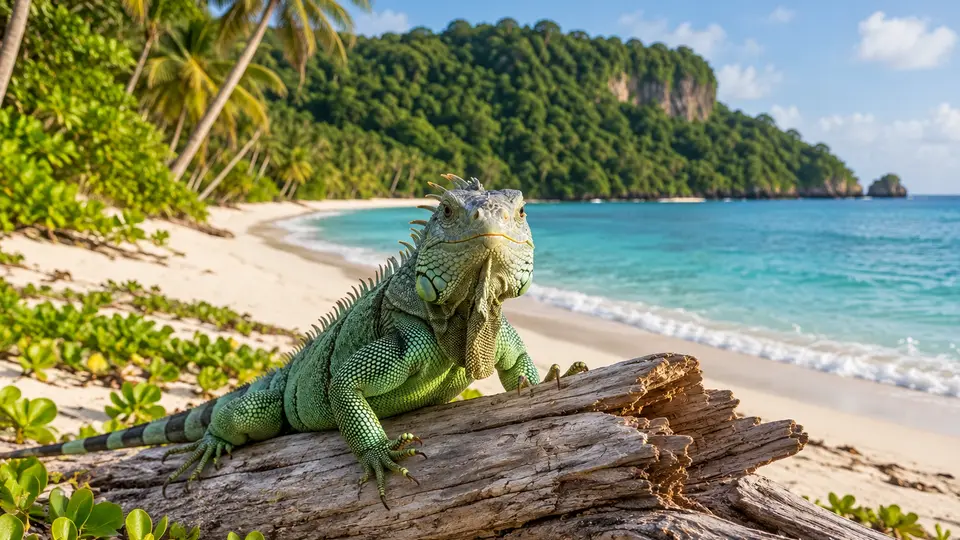
Brachylophus bulabula in its natural habitat, AI illustration

Brachylophus bulabula: where and when to see them

Brachylophus bulabula

Brachylophus bulabula at a glance

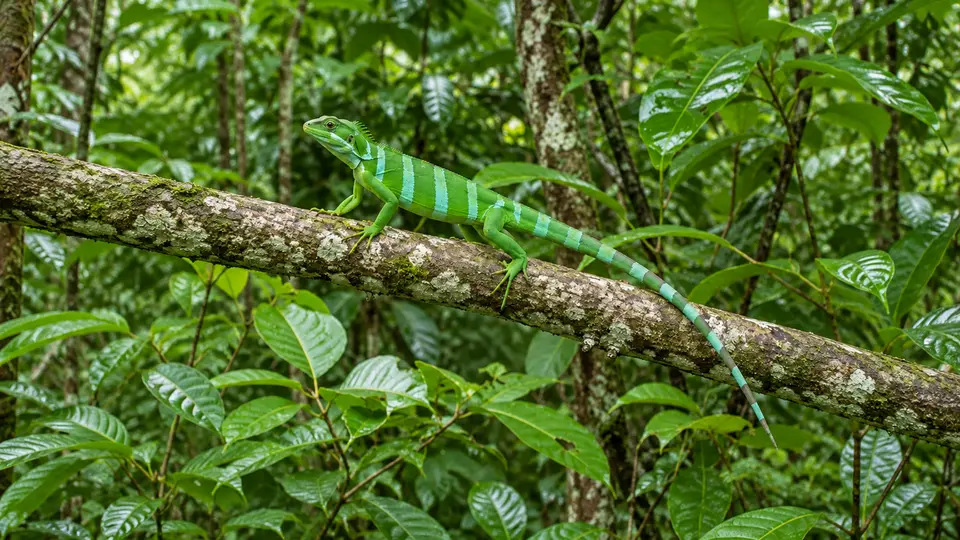
Brachylophus bulabula is a tree-dwelling iguana endemic to Fiji, recognized as a separate species in 2008. Its green body and, especially in males, pale vertical bands help it disappear among leaves and broken sunlight. It belongs to a remarkable Pacific lineage far removed geographically from most other iguanas. Forest loss, introduced predators and small, fragmented populations make its conservation important, while its camouflage makes casual wildlife sightings distinctly uncommon.

Behaviour & reproduction

Size
Up to about 60 cm total length
Weight
Not reliably established
Lifespan
Not reliably established
Status
Endangered

These iguanas are active by day, spending much of their time resting, feeding or basking among branches. They move carefully through vegetation and may remain motionless when threatened, relying on camouflage before retreating. Males use visual displays, including head movements and changes in posture, during territorial and courtship interactions. Females descend to the ground to excavate nests and lay eggs, making suitable soil and protection from introduced predators important components of their habitat. They are primarily arboreal, spending most of their lives in trees and shrubs, rarely descending to the ground except for nesting. These iguanas are known for their vibrant green coloration, which provides excellent camouflage among the leaves. During courtship, males may bob their heads, inflate their gular fold, and darken their body coloration to attract females.

Top wildlife locations

Fiji wildlife habitat

Fiji

Suitable wooded coastal margins may occur within its island range, but sightings are rare. An authorized forest excursion, sometimes inland, and a guide able to distinguish Fiji's iguana species are usually needed.

Adventure cruises in Fiji
Destinations describe the species' habitat, not guaranteed cruise stops. Some animals require an optional inland excursion or are found in restricted reserves.

Fun facts about the Brachylophus bulabula

  • The species was formally described in 2008.
  • Its name derives from a Fijian greeting associated with good health.
  • Its long tail helps it balance while moving through branches.
  • Females leave their arboreal surroundings to bury eggs in soil.

Best time to see the Brachylophus bulabula

May through October generally offers drier conditions for permitted forest walks in Fiji. The iguanas are resident rather than seasonal visitors, and no reliable tourist sighting season is established. Local access, correct species identification and the condition of forest habitat matter more than calendar month. Breeding activity, including egg laying, typically occurs during the wet season, which might influence juvenile sightings later in the year. However, their arboreal nature and cryptic coloration mean that visibility remains consistently challenging regardless of the season. Local conservation efforts and community engagement also significantly impact the reliability of viewing opportunities.

Brachylophus bulabula: season matrix by destination

Travel and observation windows vary by region. Highlighted months are an orientation for planning, not confirmed sightings or a guarantee of access.

Fiji

These are generally drier walking months, not a documented breeding or sighting peak; access and island-specific occurrence must be checked locally.

JanFebMarAprMayJunJulAugSepOctNovDec
Cruise ships in Fiji

Where the Brachylophus bulabula lives

Native forest and structurally complex wooded vegetation provide feeding branches, basking places and shelter. The species occurs on several Fijian islands, but island-level identification matters because other Brachylophus species occupy different ranges. Healthy canopy connections and secure ground nesting areas are both important. This species prefers low-lying coastal dry forest and limestone forest where suitable vegetation and microclimates are present. Habitat fragmentation and degradation from human activity, particularly agricultural expansion and logging, pose significant threats to their survival. Introduced predators like cats, rats, and mongooses also impact iguana populations by preying on eggs and young.

What the Brachylophus bulabula eats

Leaves, flowers and fruit supply most of its food. Young animals may take some invertebrates, but this is primarily a plant-eating lizard. Seasonal plant growth influences feeding opportunities, and wild iguanas should never be attracted with fruit or other visitor-provided food. They exhibit a strong preference for specific native plant species, often feeding on leaves and flowers of hibiscus and other shrubs. The dietary diversity can vary regionally depending on the available flora. Access to specific plants with high water content is particularly important during dry periods.

Species at a glance

Common name
Brachylophus bulabula
Scientific name
Brachylophus bulabula
Animal group
Reptiles
Size
Up to about 60 cm total length
Weight
Not reliably established
Lifespan
Not reliably established
Status
Endangered
Identification
Males resemble other banded Fijian iguanas, so island provenance and expert assessment are more dependable than pale body bands alone for distinguishing Brachylophus bulabula. Adult males are typically emerald green with two or three pale white or sky-blue transverse bands across their back and tail, a key feature in distinguishing them from other Brachylophus species. The presence of a small, blunt, fleshy horn-like scale above each nostril is a distinct morphological characteristic. Females are generally uniform green without prominent banding.

Brachylophus bulabula: frequently asked questions

Where can I see the Brachylophus bulabula?
Fiji. Use a knowledgeable local guide on authorized forest paths and scan branches without shaking vegetation. Never handle, feed or disclose precise nest locations; these endangered iguanas are vulnerable to disturbance and illegal collection. Look carefully for their emerald green bodies against the foliage, sometimes contrasting with pale banding. Binoculars are essential for observing these well-camouflaged reptiles from a respectful distance without disturbing them. Respect local customs and regulations regarding access to natural areas, as some sites may be sacred or privately owned.
When is the best time to see the Brachylophus bulabula?
May through October generally offers drier conditions for permitted forest walks in Fiji. The iguanas are resident rather than seasonal visitors, and no reliable tourist sighting season is established. Local access, correct species identification and the condition of forest habitat matter more than calendar month. Breeding activity, including egg laying, typically occurs during the wet season, which might influence juvenile sightings later in the year. However, their arboreal nature and cryptic coloration mean that visibility remains consistently challenging regardless of the season. Local conservation efforts and community engagement also significantly impact the reliability of viewing opportunities.
How big does the Brachylophus bulabula get?
Up to about 60 cm total length. Adult weight: Not reliably established. Size varies with age, sex and population.
How should I behave around the Brachylophus bulabula?
Use a knowledgeable local guide on authorized forest paths and scan branches without shaking vegetation. Never handle, feed or disclose precise nest locations; these endangered iguanas are vulnerable to disturbance and illegal collection. Look carefully for their emerald green bodies against the foliage, sometimes contrasting with pale banding. Binoculars are essential for observing these well-camouflaged reptiles from a respectful distance without disturbing them. Respect local customs and regulations regarding access to natural areas, as some sites may be sacred or privately owned.
What does the Brachylophus bulabula eat?
Leaves, flowers and fruit supply most of its food. Young animals may take some invertebrates, but this is primarily a plant-eating lizard. Seasonal plant growth influences feeding opportunities, and wild iguanas should never be attracted with fruit or other visitor-provided food. They exhibit a strong preference for specific native plant species, often feeding on leaves and flowers of hibiscus and other shrubs. The dietary diversity can vary regionally depending on the available flora. Access to specific plants with high water content is particularly important during dry periods.
Are wildlife sightings guaranteed on an adventure cruise?
No. Animals move freely and routes, weather, access restrictions and local conditions influence every outing. Confirm the actual itinerary and shore program before booking.

Compare wildlife in the same destinations

Explore other reptiles recorded in these destinations. Similar surroundings do not mean the animals share the same habits or viewing season.

Species comparison by animal group and destination
Brachylophus bulabulaBrachylophus bulabulaCentral Fijian banded iguanaCentral Fijian banded iguanaFiji crested iguanaFiji crested iguana
Animal groupReptilesAnimal groupReptilesAnimal groupReptiles
DestinationsFijiDestinationsFijiDestinationsFiji
All wildlife destinations
Plan your trip

Find your next wildlife adventure

Compare destinations, shore programs and dates with the animals and habitats you would love to see.

  • Naturalist-led shore excursions
  • Responsible wildlife watching
  • Small expedition ships

Newsletter

Take Blue Rides with you

Adventure cruise offers, last-minute deals and trip inspiration.

Free, unsubscribe anytime. Details: Privacy Policy

Partner with Blue Rides

Affiliate Program

Recommend adventure cruises and earn commission on every confirmed booking.

Share. Track. Earn.