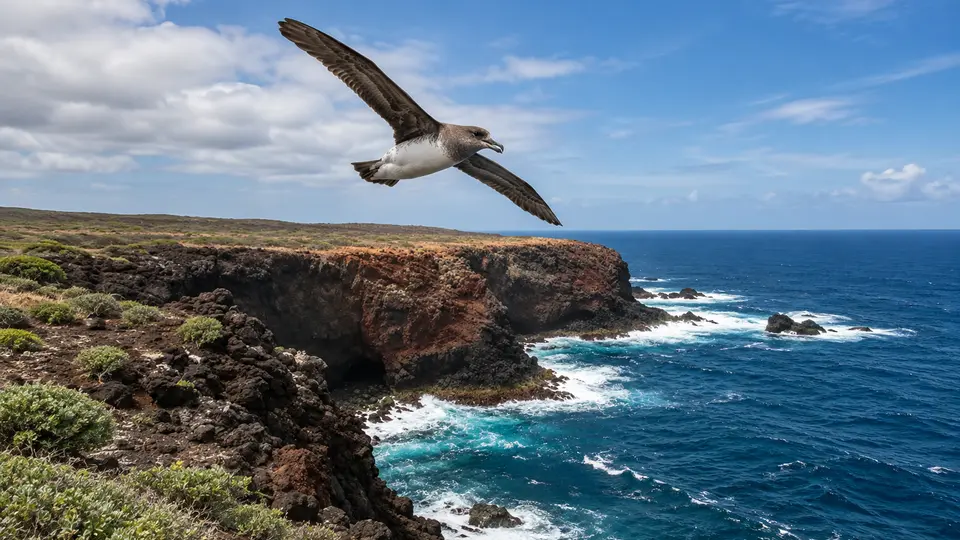
Boyd's Shearwater in its natural habitatAI-modified

Boyd's ShearwaterPuffinus boydiWhere and when to see them

Boyd's Shearwater at a glance

Boyd's shearwater is a small, dark-backed seabird whose breeding range is confined to the Cape Verde archipelago. Formerly grouped with other small shearwaters, it is now generally recognized as a distinct species. Its compact shape and low, rapid flight suit a life spent searching tropical Atlantic waters for food. Most visitors encounter it, if at all, passing offshore rather than at its concealed nesting places on rocky islands and coastal slopes.

Behaviour & reproduction

Size
25-30 cm (9.8-11.8 in) long
Weight
140-210 g (4.9-7.4 oz)
Lifespan
Not reliably established
Status
Check current assessment

At sea, Boyd's shearwaters alternate quick wingbeats with short glides close to the waves. They may feed alone or gather where prey becomes concentrated, sometimes alongside other seabirds. Breeding birds return to crevices and burrows mainly after darkness, reducing exposure to predators. Pairs share incubation and chick care, with one adult remaining at the nest while the other feeds offshore. Their nocturnal colony calls can reveal birds that remain almost impossible to see. They exhibit typical petrel flight behavior, dynamically soaring and banking over waves, which helps conserve energy during long foraging trips. During breeding, adults perform transoceanic foraging trips, sometimes traveling hundreds of kilometers to productive feeding grounds before returning to provision their chick.

Top wildlife locations

Cape Verde wildlife habitatAI-modified

Cape Verde

Exposed coastal headlands offer possible views of small shearwaters passing offshore. Nesting cavities are generally inaccessible to ordinary visitors, and species identification from land is difficult even when birds are present.
Destinations describe the species' habitat, not guaranteed cruise stops. Some animals require an optional inland excursion or are found in restricted reserves.

Fun facts about the Boyd's Shearwater

  • Its known breeding range is restricted to Cape Verde.
  • It was formerly treated within the little or Audubon's shearwater complex.
  • Adults typically approach nesting sites after dark.
  • Like other shearwaters, it has tubular nostrils associated with its highly developed sense of smell.

Best time to see the Boyd's Shearwater

Breeding activity is concentrated broadly in the boreal winter and spring, although timing varies between colonies. November through May offers a reasonable travel window for coastal watching in Cape Verde. Wind, sea conditions and distance offshore strongly influence whether small shearwaters can be identified. The breeding period in Cape Verde generally aligns with the austral summer, making observation opportunities peak when adults are tied to the nesting sites. Visiting in late winter or early spring offers the best chance to see birds actively returning to colonies or foraging relatively close to shore.

Boyd's Shearwater: season matrix by destination

Travel and observation windows vary by region. Highlighted months are an orientation for planning, not confirmed sightings or a guarantee of access.

Cape Verde

A practical coastal observation window overlapping much breeding activity, not a guarantee of birds near shore; rough seas can limit viewing.

JanFebMarAprMayJunJulAugSepOctNovDec
Cruise ships in Cape Verde

Where the Boyd's Shearwater lives

This species uses tropical and subtropical Atlantic waters around Cape Verde, ranging beyond the immediate island shelves. Nesting habitat consists of sheltered cavities, rock crevices and burrows on islands or coastal slopes, particularly where disturbance and introduced mammalian predators are limited. While specific habitat use can be challenging to study for pelagic species, studies suggest they favor areas with oceanic upwellings or shelf breaks where productivity is higher. Their pelagic existence means they spend the vast majority of their lives at sea, only returning to land for breeding.

What the Boyd's Shearwater eats

Small fish, squid and crustaceans form its marine diet. Birds capture prey at or beneath the surface, using short pursuit dives when necessary. Feeding opportunities depend on local productivity and prey concentrations, rather than a predictable association with any particular beach. Prey items include small pelagic fish like anchovies and sardines, as well as various species of squids and crustaceans, which are typically found in the upper water column. They are opportunistic feeders, taking advantage of localized food patches that may arise due to oceanographic features.

Species at a glance

Common name
Boyd's Shearwater
Scientific name
Puffinus boydi
Animal group
Birds
Size
25-30 cm (9.8-11.8 in) long
Weight
140-210 g (4.9-7.4 oz)
Lifespan
Not reliably established
Status
Check current assessment
Identification
A small black-and-white shearwater with relatively short wings and pale underparts, Boyd's is difficult to separate from other small Puffinus shearwaters without close views and geographic context. Key distinguishing features from similar shearwaters include its relatively short tail and a distinct flight pattern of rapid wingbeats. The extent of dark plumage on the flanks and underwing can also be subtle but useful diagnostic features when observed closely.

Boyd's Shearwater: frequently asked questions

Where can I see the Boyd's Shearwater?
Cape Verde. Watch from established coastal viewpoints or a stable vessel deck with binoculars. Avoid approaching nesting cavities or using lights at colonies, where nocturnal adults can be disturbed and fragile burrow entrances damaged. When viewing from a vessel, keep an eye on the wake and areas where other seabirds or marine mammals are feeding, as this often indicates concentrated prey. At known colonies, listening for their distinctive calls after dusk can confirm their presence, even if the birds themselves remain hidden.
When is the best time to see the Boyd's Shearwater?
Breeding activity is concentrated broadly in the boreal winter and spring, although timing varies between colonies. November through May offers a reasonable travel window for coastal watching in Cape Verde. Wind, sea conditions and distance offshore strongly influence whether small shearwaters can be identified. The breeding period in Cape Verde generally aligns with the austral summer, making observation opportunities peak when adults are tied to the nesting sites. Visiting in late winter or early spring offers the best chance to see birds actively returning to colonies or foraging relatively close to shore.
How big does the Boyd's Shearwater get?
25-30 cm (9.8-11.8 in) long. Adult weight: 140-210 g (4.9-7.4 oz). Size varies with age, sex and population.
How should I behave around the Boyd's Shearwater?
Watch from established coastal viewpoints or a stable vessel deck with binoculars. Avoid approaching nesting cavities or using lights at colonies, where nocturnal adults can be disturbed and fragile burrow entrances damaged. When viewing from a vessel, keep an eye on the wake and areas where other seabirds or marine mammals are feeding, as this often indicates concentrated prey. At known colonies, listening for their distinctive calls after dusk can confirm their presence, even if the birds themselves remain hidden.
What does the Boyd's Shearwater eat?
Small fish, squid and crustaceans form its marine diet. Birds capture prey at or beneath the surface, using short pursuit dives when necessary. Feeding opportunities depend on local productivity and prey concentrations, rather than a predictable association with any particular beach. Prey items include small pelagic fish like anchovies and sardines, as well as various species of squids and crustaceans, which are typically found in the upper water column. They are opportunistic feeders, taking advantage of localized food patches that may arise due to oceanographic features.
Are wildlife sightings guaranteed on an adventure cruise?
No. Animals move freely and routes, weather, access restrictions and local conditions influence every outing. Confirm the actual itinerary and shore program before booking.

Compare wildlife in the same destinations

Explore other birds recorded in these destinations. Similar surroundings do not mean the animals share the same habits or viewing season.

Species comparison by animal group and destination
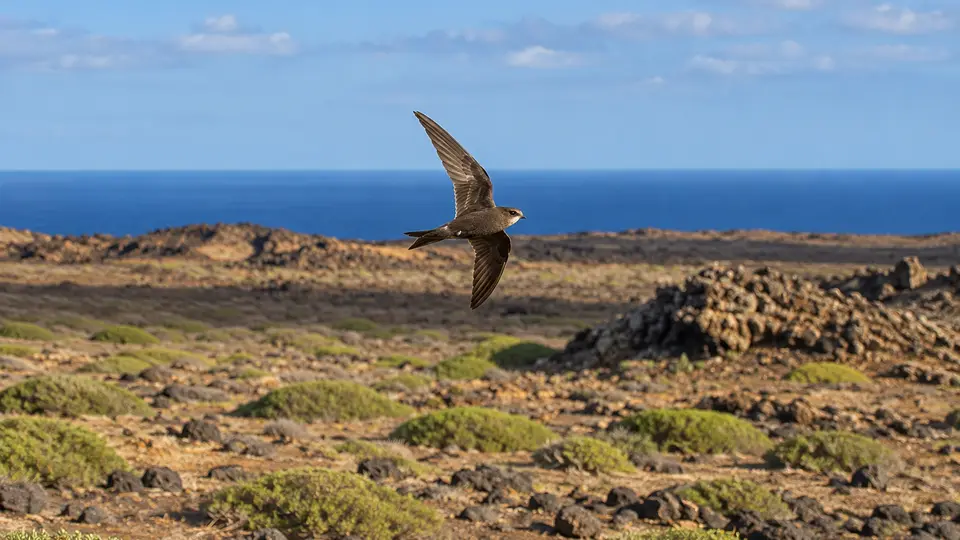
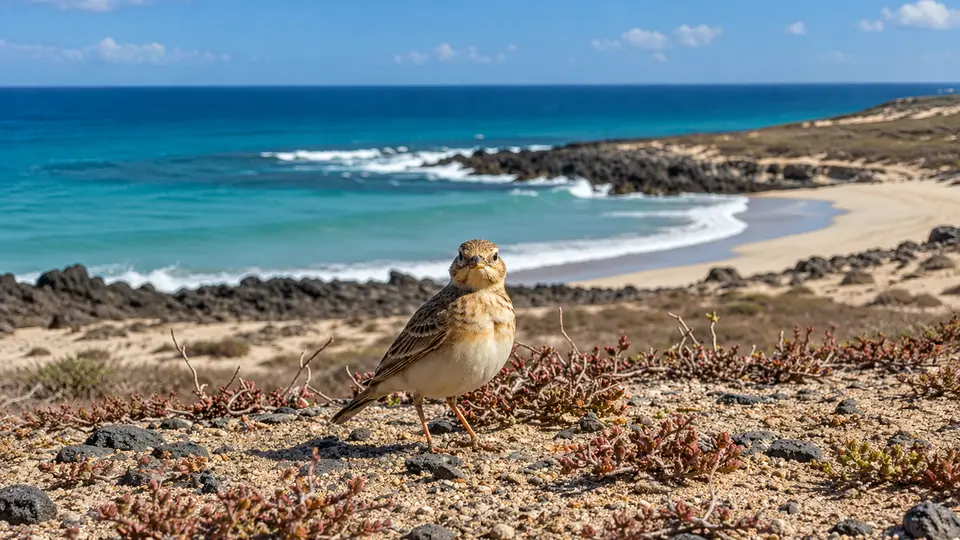
Boyd's ShearwaterAI-modifiedBoyd's ShearwaterAlexander's SwiftAI-modifiedAlexander's SwiftBar-tailed LarkAI-modifiedBar-tailed Lark
Animal groupBirdsAnimal groupBirdsAnimal groupBirds
DestinationsCape VerdeDestinationsCape VerdeDestinationsCape Verde
Scientific namePuffinus boydiScientific nameScientific name
All wildlife destinations
AI-modified
Plan your trip

Find your next wildlife adventure

Compare destinations, shore programs and dates with the animals and habitats you would love to see.

  • Naturalist-led shore excursions
  • Responsible wildlife watching
  • Small expedition ships