Oriental darter in its natural habitat, AI illustration

Oriental darterAnhinga melanogasterWhere and when to see them

Oriental darter at a glance

The Oriental darter is a tropical Asian waterbird with an unusually slender neck and a straight, pointed bill. Often called a snakebird, it can swim with most of its body concealed and only its head and neck visible. It depends on productive wetlands containing fish and secure resting trees. Drainage, disturbance, pollution and loss of nesting habitat have reduced populations across parts of its extensive but increasingly fragmented range.

Behaviour & reproduction

Size
85-97 cm long
Weight
1.1-1.8 kg
Lifespan
Not reliably established
Status
Near Threatened

A darter searches for fish while swimming, then strikes forward with its sharply pointed bill. After returning to the surface, it manipulates its catch before swallowing it head first. Resting birds commonly spread their wings on exposed branches. They may nest alongside cormorants, herons and other colonial waterbirds, although feeding is often solitary. Flight alternates purposeful wingbeats with gliding, and birds sometimes soar above wetlands as rising air develops. When threatened, it often sinks its body into the water, leaving only its head and neck visible, earning it the nickname 'snakebird'. Its flight pattern is strong and direct, often involving long glides on outstretched wings. During the breeding season, they form monogamous pairs and build stick nests in colonies, often alongside other waterbirds.

Top wildlife locations

Vietnam wildlife habitat

Vietnam

Southern freshwater marshes and wooded wetland reserves offer possible bank or hide views. An inland wetland excursion is usually required, and the species is localized rather than a routine coastal bird.
Destinations describe the species' habitat, not guaranteed cruise stops. Some animals require an optional inland excursion or are found in restricted reserves.

Fun facts about the Oriental darter

  • Its neck vertebrae help power a rapid forward strike.
  • Wettable plumage helps reduce buoyancy while it hunts.
  • Pale streaks on the upper wings produce a finely patterned appearance.
  • A swimming bird may show little more than its neck above the surface.

Best time to see the Oriental darter

In southern Vietnam, the drier months often make wetland trails and viewing areas easier to use, with birds concentrating around remaining water. Local water levels and colony activity matter more than a national calendar, and breeding timing varies among wetlands. Breeding can occur year-round in some parts of its range, depending on water availability and food resources. Outside of the breeding season, darters may disperse more widely, making them observable in a broader array of suitable wetlands. Checking local birding reports for recent sightings can pinpoint active areas.

Oriental darter: season matrix by destination

Travel and observation windows vary by region. Highlighted months are an orientation for planning, not confirmed sightings or a guarantee of access.

Vietnam

A practical southern dry-season access window, not a nationwide breeding season or assurance of darter presence.

JanFebMarAprMayJunJulAugSepOctNovDec
Cruise ships in Vietnam

Where the Oriental darter lives

Freshwater lakes, marshes, slow rivers, reservoirs and wooded floodplains provide its principal habitat. It also uses some brackish wetlands. Suitable sites combine fish-rich water with emergent branches or trees for resting and relatively undisturbed vegetation for nesting colonies. This species exhibits a wide distribution across tropical South and Southeast Asia. Its adaptability allows it to utilize a variety of aquatic environments, favoring areas with submerged vegetation or snags where fish can hide. While primarily a lowland species, it can occasionally be found in suitable habitats at higher elevations.

What the Oriental darter eats

Fish form the overwhelming majority of its diet, captured through rapid thrusts of the neck and bill. Smaller aquatic animals may occasionally be taken. Clear enough water for visual hunting and accessible fish populations are important features of productive feeding areas. Its unique neck structure, with a hinge between the 8th and 9th vertebrae, allows for the rapid protraction of its neck to impale fish. Unlike cormorants, darters do not dive deeply but typically hunt in the upper layers of the water column. They are opportunistic predators, consuming fish of various sizes.

Species at a glance

Common name
Oriental darter
Scientific name
Anhinga melanogaster
Animal group
Birds
Size
85-97 cm long
Weight
1.1-1.8 kg
Lifespan
Not reliably established
Status
Near Threatened
Identification
Its thin snake-like neck, straight spear-shaped bill and long fan-shaped tail distinguish it from the stockier, hook-billed cormorants sharing Asian wetlands. The male has a black head, neck, and upperparts with a white lateral streak on the neck and black scapulars with white streaking. Females are similar but generally have a paler, more brownish neck and underparts. Juveniles are even paler brown overall, gradually acquiring adult plumage.

Oriental darter: frequently asked questions

Where can I see the Oriental darter?
Vietnam. Use binoculars from wetland banks or established hides, keeping well away from nesting trees. Do not flush drying birds into the water, and stay on firm paths beside deep channels and unstable muddy margins. Be mindful of their tendency to perch low over the water, making them easily camouflaged against riparian vegetation. Look for their distinctive shape as they perch with wings spread, drying their plumage after a fishing excursion. Patience is key, as they can remain submerged for extended periods while hunting.
When is the best time to see the Oriental darter?
In southern Vietnam, the drier months often make wetland trails and viewing areas easier to use, with birds concentrating around remaining water. Local water levels and colony activity matter more than a national calendar, and breeding timing varies among wetlands. Breeding can occur year-round in some parts of its range, depending on water availability and food resources. Outside of the breeding season, darters may disperse more widely, making them observable in a broader array of suitable wetlands. Checking local birding reports for recent sightings can pinpoint active areas.
How big does the Oriental darter get?
85-97 cm long. Adult weight: 1.1-1.8 kg. Size varies with age, sex and population.
How should I behave around the Oriental darter?
Use binoculars from wetland banks or established hides, keeping well away from nesting trees. Do not flush drying birds into the water, and stay on firm paths beside deep channels and unstable muddy margins. Be mindful of their tendency to perch low over the water, making them easily camouflaged against riparian vegetation. Look for their distinctive shape as they perch with wings spread, drying their plumage after a fishing excursion. Patience is key, as they can remain submerged for extended periods while hunting.
What does the Oriental darter eat?
Fish form the overwhelming majority of its diet, captured through rapid thrusts of the neck and bill. Smaller aquatic animals may occasionally be taken. Clear enough water for visual hunting and accessible fish populations are important features of productive feeding areas. Its unique neck structure, with a hinge between the 8th and 9th vertebrae, allows for the rapid protraction of its neck to impale fish. Unlike cormorants, darters do not dive deeply but typically hunt in the upper layers of the water column. They are opportunistic predators, consuming fish of various sizes.
Are wildlife sightings guaranteed on an adventure cruise?
No. Animals move freely and routes, weather, access restrictions and local conditions influence every outing. Confirm the actual itinerary and shore program before booking.

Compare wildlife in the same destinations

Explore other birds recorded in these destinations. Similar surroundings do not mean the animals share the same habits or viewing season.

Species comparison by animal group and destination
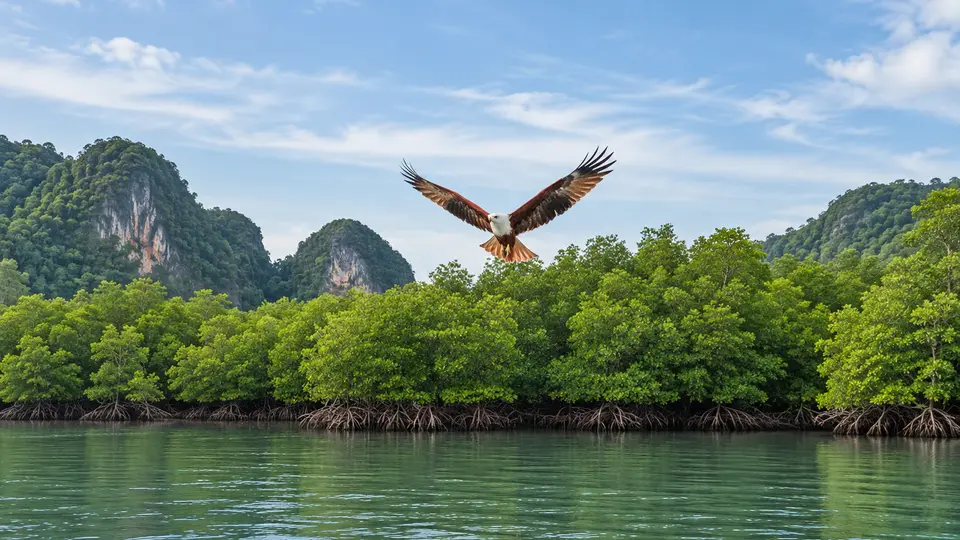
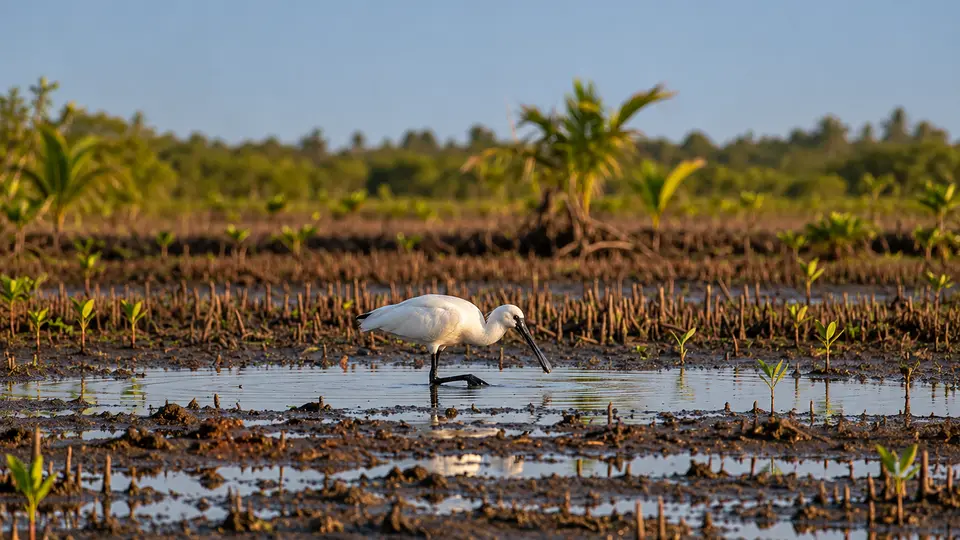
Oriental darterOriental darterBlack-faced spoonbillBlack-faced spoonbillBrahminy kiteBrahminy kite
Animal groupBirdsAnimal groupBirdsAnimal groupBirds
DestinationsVietnamDestinationsVietnamDestinationsIndonesia, Thailand, Vietnam
All wildlife destinations
Plan your trip

Find your next wildlife adventure

Compare destinations, shore programs and dates with the animals and habitats you would love to see.

  • Naturalist-led shore excursions
  • Responsible wildlife watching
  • Small expedition ships

Newsletter

Take Blue Rides with you

Adventure cruise offers, last-minute deals and trip inspiration.

Free, unsubscribe anytime. Details: Privacy Policy

Partner with Blue Rides

Affiliate Program

Recommend adventure cruises and earn commission on every confirmed booking.

Share. Track. Earn.

Your footage, our stage

Send us your videos or pictures.

Captured remarkable nature or wildlife on your journey? Share it with us, we may feature it on Blue Rides.