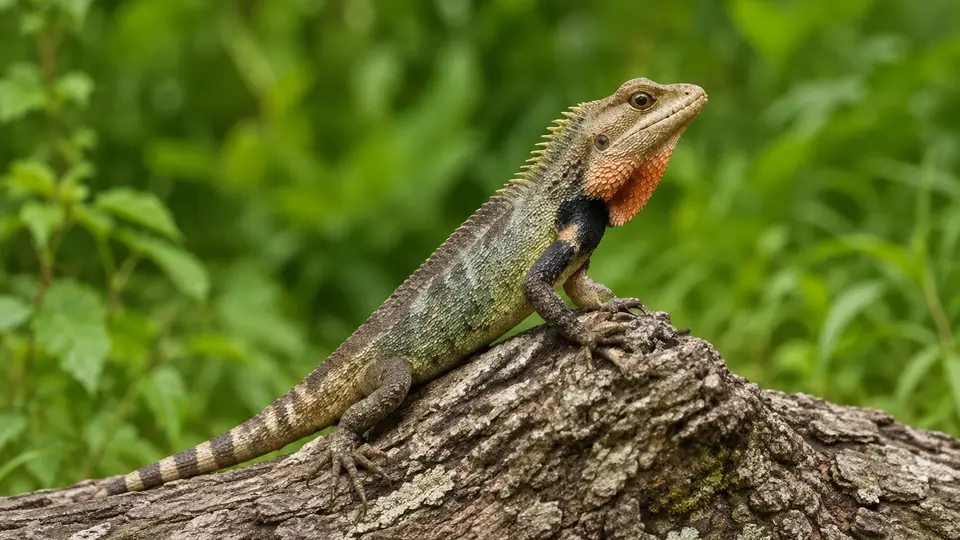
Oriental garden lizard in its natural habitat, AI illustration

Oriental garden lizard: where and when to see them

Calotes versicolor

Oriental garden lizard at a glance

The Oriental garden lizard is an adaptable agamid associated with sunny vegetation, gardens and disturbed woodland. Its long tail, rough-looking scales and small crest give it a miniature dragon-like appearance. Native to southern Asia and introduced elsewhere, it thrives in many human-modified settings. Colour changes with temperature, mood and reproductive condition, so photographs of the same species can look strikingly different. Its traditional scientific classification also encompasses populations requiring continuing taxonomic study.

Behaviour & reproduction

Size
25-40 cm total length
Weight
Not reliably established
Lifespan
Not reliably established
Status
Least Concern

Garden lizards spend much of the day watching from low branches, fences or shrubs, making short movements to seize prey or adjust their position in the sun. Territorial males perform head-bobbing displays and may develop vivid reddish coloration during breeding activity. When disturbed, a lizard often moves around the far side of a trunk rather than immediately fleeing. Females lay eggs in soil, choosing sheltered places with suitable moisture and warmth. They are diurnal, meaning they are active during the day, and will often return to the same favored perches. Despite being territorial, they can be surprisingly cryptic, relying on camouflage when motionless.

Top wildlife locations

Maldives wildlife habitat

Maldives

Planted paths, shrubs and gardens on inhabited islands provide plausible habitat for introduced garden lizards. Occurrence varies between islands, so neither a resort garden nor a coastal stop guarantees presence.

Adventure cruises in Maldives
Destinations describe the species' habitat, not guaranteed cruise stops. Some animals require an optional inland excursion or are found in restricted reserves.

Fun facts about the Oriental garden lizard

  • Breeding males can develop a red head and forebody.
  • Head-bobbing communicates territorial and courtship signals.
  • The tail makes up much of the animal's total length.
  • Unlike many geckos, it is principally active by day.

Best time to see the Oriental garden lizard

Warm conditions permit activity throughout the year in the Maldives. Drier months generally provide easier garden walking and more uninterrupted basking periods. Sunny intervals after rain can also be productive, while intense midday heat may push lizards into partial shade. Early mornings and late afternoons are often the most active periods for these lizards, as they avoid the intense heat of midday. During cooler, cloudy periods, they may spend more time basking to raise their body temperature.

Oriental garden lizard: season matrix by destination

Travel and observation windows vary by region. Highlighted months are an orientation for planning, not confirmed sightings or a guarantee of access.

Maldives

These generally drier travel months favour garden observation; lizard activity is possible year-round and is not tied to a documented national breeding season.

JanFebMarAprMayJunJulAugSepOctNovDec
Cruise ships in Maldives

Where the Oriental garden lizard lives

Open scrub, gardens, plantation edges and lightly wooded ground suit this sun-loving species. It needs perches, basking opportunities and nearby cover. On inhabited tropical islands it is more plausibly encountered in planted vegetation than on bare beaches or exposed coral shorelines. This adaptable species thrives in disturbed habitats and is a common sight in human-modified landscapes across its range. It is often encountered in hotel gardens and resort grounds, making it easily accessible for viewing during shore excursions.

What the Oriental garden lizard eats

Insects and other small invertebrates provide most food, including grasshoppers, beetles, ants and caterpillars. Larger individuals can take small vertebrates, including other lizards. It usually hunts visually from a perch, moving rapidly when suitable prey comes within reach. Prey items are usually swallowed whole, and their varied diet makes them effective pest controllers in gardens. Juveniles typically consume smaller insects like ants and flies, while adults can overpower larger prey.

Species at a glance

Common name
Oriental garden lizard
Scientific name
Calotes versicolor
Animal group
Reptiles
Size
25-40 cm total length
Weight
Not reliably established
Lifespan
Not reliably established
Status
Least Concern
Identification
Its spiny neck crest, long tapering tail and lack of the broad adhesive toe pads of geckos distinguish this agamid from common island house lizards. The presence of a prominent gular sac, often brightened during displays, is another key feature distinguishing it from other lizard species. Its rough, keeled scales contrast with the smooth skin of geckos.

Oriental garden lizard: frequently asked questions

Where can I see the Oriental garden lizard?
Maldives. Search planted paths and low branches without grabbing or cornering lizards. Territorial animals may bite if handled. Avoid trampling garden beds or approaching nesting soil patches, and never feed individuals to obtain closer photographs. When observing, look for slight movements of their head or tail, indicating they are scanning for prey or predators. Patience is key, as they often remain motionless for extended periods before making a sudden dash.
When is the best time to see the Oriental garden lizard?
Warm conditions permit activity throughout the year in the Maldives. Drier months generally provide easier garden walking and more uninterrupted basking periods. Sunny intervals after rain can also be productive, while intense midday heat may push lizards into partial shade. Early mornings and late afternoons are often the most active periods for these lizards, as they avoid the intense heat of midday. During cooler, cloudy periods, they may spend more time basking to raise their body temperature.
How big does the Oriental garden lizard get?
25-40 cm total length. Adult weight: Not reliably established. Size varies with age, sex and population.
How should I behave around the Oriental garden lizard?
Search planted paths and low branches without grabbing or cornering lizards. Territorial animals may bite if handled. Avoid trampling garden beds or approaching nesting soil patches, and never feed individuals to obtain closer photographs. When observing, look for slight movements of their head or tail, indicating they are scanning for prey or predators. Patience is key, as they often remain motionless for extended periods before making a sudden dash.
What does the Oriental garden lizard eat?
Insects and other small invertebrates provide most food, including grasshoppers, beetles, ants and caterpillars. Larger individuals can take small vertebrates, including other lizards. It usually hunts visually from a perch, moving rapidly when suitable prey comes within reach. Prey items are usually swallowed whole, and their varied diet makes them effective pest controllers in gardens. Juveniles typically consume smaller insects like ants and flies, while adults can overpower larger prey.
Are wildlife sightings guaranteed on an adventure cruise?
No. Animals move freely and routes, weather, access restrictions and local conditions influence every outing. Confirm the actual itinerary and shore programme before booking.

Compare wildlife in the same destinations

Explore other reptiles recorded in these destinations. Similar surroundings do not mean the animals share the same habits or viewing season.

Species comparison by animal group and destination
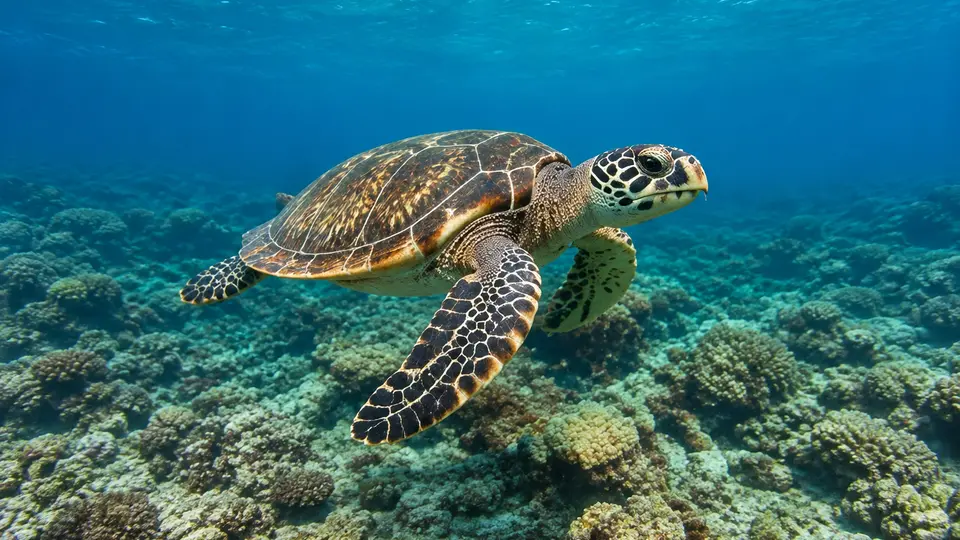
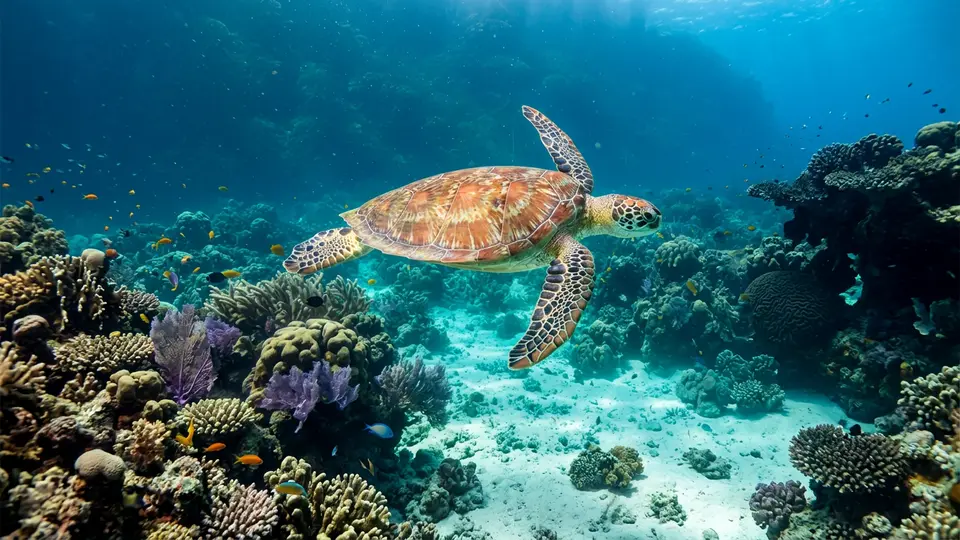
Oriental garden lizardOriental garden lizardGreen Sea TurtleGreen Sea TurtleHawksbill Sea TurtleHawksbill Sea Turtle
Animal groupReptilesAnimal groupReptilesAnimal groupReptiles
DestinationsMaldivesDestinationsCosta Rica, Florida, Galapagos, Mexico, Cape Verde, Egypt, Greece, Seychelles, Turkey, Indonesia, Maldives, Thailand, Vietnam, Australia, Fiji, PolynesiaDestinationsEgypt, Seychelles, Indonesia, Maldives, Thailand, Vietnam, Fiji, Polynesia
All wildlife destinations
Plan your trip

Find your next wildlife adventure

Compare destinations, shore programmes and dates with the animals and habitats you would love to see.

  • Naturalist-led shore excursions
  • Responsible wildlife watching
  • Small expedition ships

Newsletter

Take Blue Rides with you

Adventure cruise offers, last-minute deals and trip inspiration.

Free, unsubscribe anytime. Details: Privacy Policy

Partner with Blue Rides

Affiliate Program

Recommend adventure cruises and earn commission on every confirmed booking.

Share. Track. Earn.