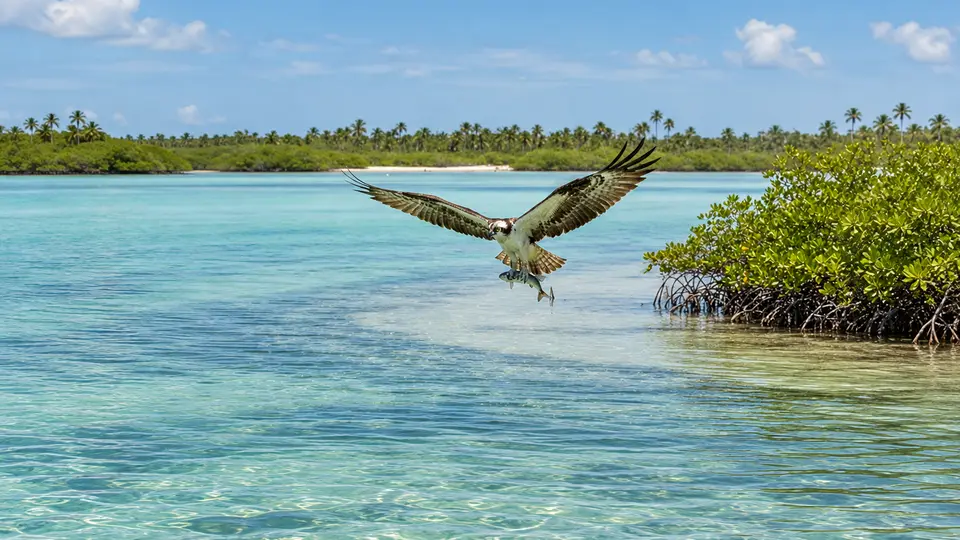
Osprey in its natural habitat, AI illustration

Osprey: where and when to see them

Pandion haliaetus

Osprey at a glance

The osprey is a fish-catching raptor distributed across much of the world, recognizable by its pale underside, dark eye stripe and long, angled wings. It links freshwater and coastal food webs, nesting wherever secure elevated structures lie within reach of productive fishing water. Some populations migrate across continents, while others remain near breeding territories throughout the year. Recovery from historical pesticide impacts has been substantial in several regions, although disturbance and habitat pressures persist.

Behaviour & reproduction

Size
50-66 cm long; 147-180 cm wingspan
Weight
1.2-2.0 kg
Lifespan
10-20 years
Status
Least Concern

An osprey patrols above water, sometimes hovering briefly before dropping feet first toward a fish. After capture, it commonly turns the fish head forward for easier transport. Pairs build bulky stick nests and may reuse the same structure for years. Adults defend the immediate nest area vigorously but often tolerate other ospreys at productive fishing sites. Migrants can travel enormous distances, with young birds making their first journeys without following their parents. Ospreys often perform a distinctive 'mantling' behavior over their fish, spreading their wings to shield their catch from other scavengers. Courtship displays can involve aerial acrobatics and the male presenting fish to the female at the nest. They are one of the few raptors that plunge feet-first into the water to catch fish, often submerging completely.

Top wildlife locations

Alaska wildlife habitat

Alaska

River mouths, lakeshores and sheltered coastal waters offer possible views of fishing birds. Distribution is uneven, and inland freshwater excursions can be more productive than exposed marine coastlines.

Adventure cruises in Alaska
Florida wildlife habitat

Florida

Estuaries, coastal lagoons, causeways and waterfront parks provide accessible viewing habitat. Birds also use inland lakes, while occupied nest platforms require generous separation even where they stand beside public paths.

Adventure cruises in Florida
Mexico wildlife habitat

Mexico

Coastal lagoons, estuary edges and Baja California shores offer plausible views, with additional birds at inland reservoirs. Resident and migratory populations overlap unevenly, so local information is more useful than national expectations.

Adventure cruises in Mexico
New England wildlife habitat

New England

Salt-marsh overlooks, estuary paths and sheltered coastal bays are suitable places to scan. Nest platforms are conspicuous locally, but observers should remain on public routes and avoid approaching active nests.

Adventure cruises in New England
Egypt wildlife habitat

Egypt

Red Sea shores, sheltered bays and coastal islands support suitable habitat, while migration can bring additional birds elsewhere. Island nesting areas may be inaccessible or restricted and should be viewed only from afar.

Adventure cruises in Egypt
Vietnam wildlife habitat

Vietnam

Estuaries, coastal lagoons and large reservoirs provide potential winter habitat. Birds are localized, and an inland reservoir excursion may be necessary where nearby coastal waters offer few suitable fishing areas.

Adventure cruises in Vietnam

Destinations describe the species' habitat, not guaranteed cruise stops. Some animals require an optional inland excursion or are found in restricted reserves.

Fun facts about the Osprey

  • The outer toe can rotate backward to improve its grip on fish.
  • Rough pads beneath the toes help hold slippery prey.
  • Ospreys usually carry fish with the head pointing forward.
  • Long-used stick nests can become exceptionally large and heavy.

Best time to see the Osprey

Northern breeding populations are easiest to seek from spring through early autumn. Florida and parts of Mexico support birds year-round, with winter migrants increasing numbers locally. In Vietnam, winter is generally the more relevant period; Egyptian coastal residents follow different local patterns. In New England and Alaska, migratory ospreys are prominent during the spring and summer breeding season before departing for southern wintering grounds. Mexico hosts both resident populations and a significant influx of northern migrants during its cooler months. Along the coast of Vietnam, many northern hemisphere ospreys arrive for the winter, offering good viewing opportunities then.

Osprey: season matrix by destination

Travel and observation windows vary by region. Highlighted months are an orientation for planning, not confirmed sightings or a guarantee of access.

Alaska

A broad breeding and migration window; arrival and departure vary with latitude, ice conditions and local populations.

JanFebMarAprMayJunJulAugSepOctNovDec
Cruise ships in Alaska

Florida

Residents occur year-round, with additional seasonal migrants; breeding schedules and local abundance vary across Florida.

JanFebMarAprMayJunJulAugSepOctNovDec
Cruise ships in Florida

Mexico

Winter broadly adds northern migrants; some Mexican coastal populations remain throughout the year.

JanFebMarAprMayJunJulAugSepOctNovDec
Cruise ships in Mexico

New England

Spring arrival through late-summer breeding and autumn departure provides the main window; exact timing varies annually.

JanFebMarAprMayJunJulAugSepOctNovDec
Cruise ships in New England

Egypt

Cooler months favour coastal observation; resident Red Sea birds are not restricted to this travel window.

JanFebMarAprMayJunJulAugSepOctNovDec
Cruise ships in Egypt

Vietnam

A reasonable winter-visitor window, with strong regional variation and no assurance of presence at individual wetlands.

JanFebMarAprMayJunJulAugSepOctNovDec
Cruise ships in Vietnam

Where the Osprey lives

Coasts, estuaries, lakes, reservoirs and large rivers all support ospreys where fish are accessible near the surface. Nest sites include tall trees, cliffs, utility structures and purpose-built platforms. Clear hunting water and secure nesting supports matter more than a particular vegetation type. The species demonstrates remarkable adaptability, establishing nests in a variety of coastal and inland freshwater environments worldwide. Their tolerance for human disturbance allows them to thrive in suburban areas with suitable water bodies and nesting structures. Global distribution is nearly cosmopolitan, found on every continent except Antarctica.

What the Osprey eats

Fish account for almost all food. Ospreys take a wide variety of freshwater and marine species, usually selecting manageable fish swimming near the surface. Their feet and talons are specialized for gripping slippery prey, which is carried to a perch or nest. Ospreys possess reversible outer toes, an adaptation that significantly aids in gripping their slippery prey. Their unique spiny footpads provide additional friction, further securing captured fish during flight. While overwhelmingly piscivorous, they occasionally snatch small mammals, birds, or reptiles when fish are scarce.

Species at a glance

Common name
Osprey
Scientific name
Pandion haliaetus
Animal group
Birds
Size
50-66 cm long; 147-180 cm wingspan
Weight
1.2-2.0 kg
Lifespan
10-20 years
Status
Least Concern
Identification
A white underside, dark wrist patches, bold eye stripe and kinked-wing silhouette distinguish the osprey from most eagles and large gulls. Juvenile ospreys typically have buff-tipped feathers on their backs and a slightly streaked chest band, which helps distinguish them from adults. The piercing yellow eyes of adults stand out against their dark eye stripe. In flight, their wings form a distinct M or W shape when soaring, unlike the flatter wings of many raptors.

Osprey: frequently asked questions

Where can I see the Osprey?
Alaska, Florida, Mexico, New England, Egypt, Vietnam. Watch fishing areas from shore or established deck viewpoints, leaving ample space around nests. Never stand beneath an occupied platform or provoke alarm flights; adults carrying fish need an unobstructed route back to their young. When viewing from a ship, look for ospreys perched on navigational aids, channel markers, or tall dead trees overlooking fishing grounds. Observe carefully for their characteristic plunge-diving behavior, a spectacular sight from a distance. During shore excursions, always maintain a respectful distance from nesting sites, especially when young are present.
When is the best time to see the Osprey?
Northern breeding populations are easiest to seek from spring through early autumn. Florida and parts of Mexico support birds year-round, with winter migrants increasing numbers locally. In Vietnam, winter is generally the more relevant period; Egyptian coastal residents follow different local patterns. In New England and Alaska, migratory ospreys are prominent during the spring and summer breeding season before departing for southern wintering grounds. Mexico hosts both resident populations and a significant influx of northern migrants during its cooler months. Along the coast of Vietnam, many northern hemisphere ospreys arrive for the winter, offering good viewing opportunities then.
How big does the Osprey get?
50-66 cm long; 147-180 cm wingspan. Adult weight: 1.2-2.0 kg. Size varies with age, sex and population.
How should I behave around the Osprey?
Watch fishing areas from shore or established deck viewpoints, leaving ample space around nests. Never stand beneath an occupied platform or provoke alarm flights; adults carrying fish need an unobstructed route back to their young. When viewing from a ship, look for ospreys perched on navigational aids, channel markers, or tall dead trees overlooking fishing grounds. Observe carefully for their characteristic plunge-diving behavior, a spectacular sight from a distance. During shore excursions, always maintain a respectful distance from nesting sites, especially when young are present.
What does the Osprey eat?
Fish account for almost all food. Ospreys take a wide variety of freshwater and marine species, usually selecting manageable fish swimming near the surface. Their feet and talons are specialized for gripping slippery prey, which is carried to a perch or nest. Ospreys possess reversible outer toes, an adaptation that significantly aids in gripping their slippery prey. Their unique spiny footpads provide additional friction, further securing captured fish during flight. While overwhelmingly piscivorous, they occasionally snatch small mammals, birds, or reptiles when fish are scarce.
Are wildlife sightings guaranteed on an adventure cruise?
No. Animals move freely and routes, weather, access restrictions and local conditions influence every outing. Confirm the actual itinerary and shore programme before booking.

Compare wildlife in the same destinations

Explore other birds recorded in these destinations. Similar surroundings do not mean the animals share the same habits or viewing season.

Species comparison by animal group and destination
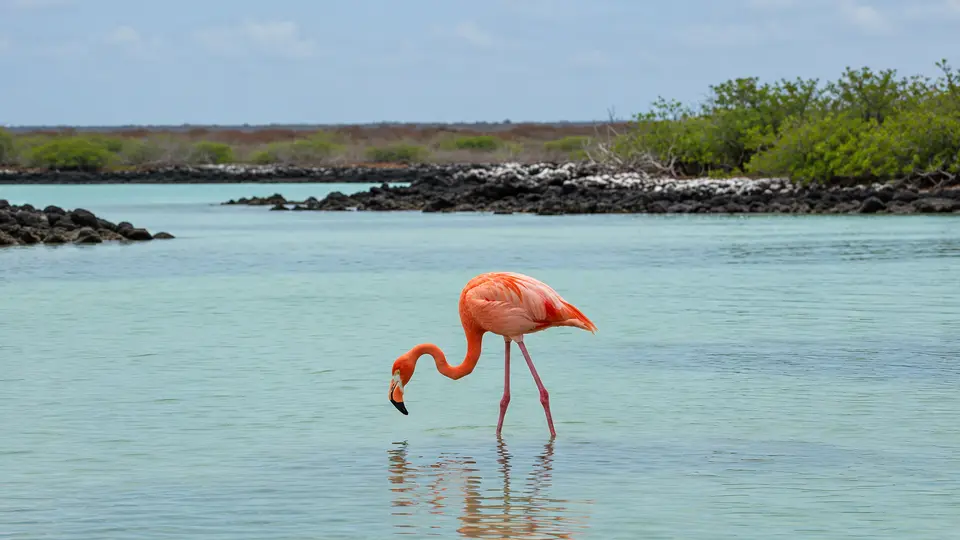
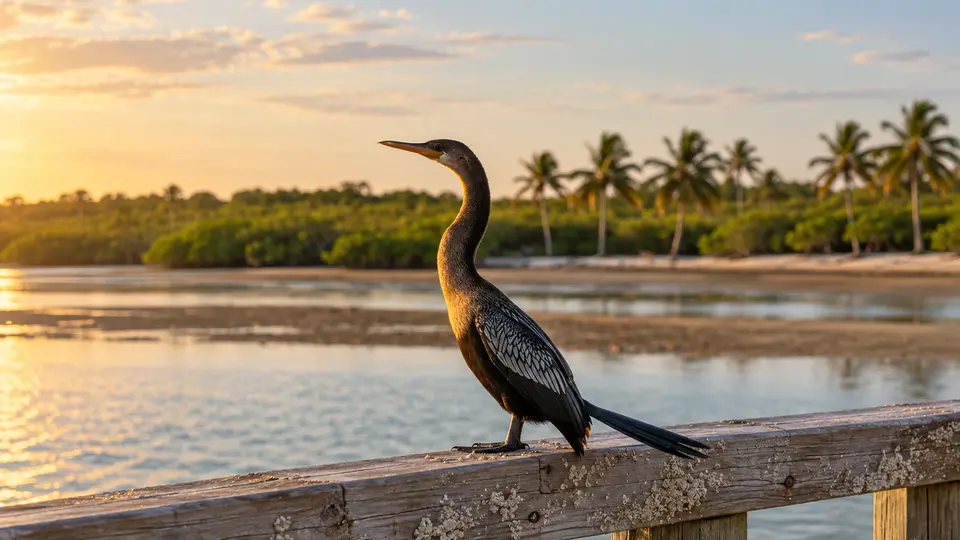
OspreyOspreyAmerican FlamingoAmerican FlamingoAnhingaAnhinga
Animal groupBirdsAnimal groupBirdsAnimal groupBirds
DestinationsAlaska, Florida, Mexico, New England, Egypt, VietnamDestinationsGalapagos, MexicoDestinationsFlorida
All wildlife destinations
Plan your trip

Find your next wildlife adventure

Compare destinations, shore programmes and dates with the animals and habitats you would love to see.

  • Naturalist-led shore excursions
  • Responsible wildlife watching
  • Small expedition ships

Newsletter

Take Blue Rides with you

Adventure cruise offers, last-minute deals and trip inspiration.

Free, unsubscribe anytime. Details: Privacy Policy

Partner with Blue Rides

Affiliate Program

Recommend adventure cruises and earn commission on every confirmed booking.

Share. Track. Earn.