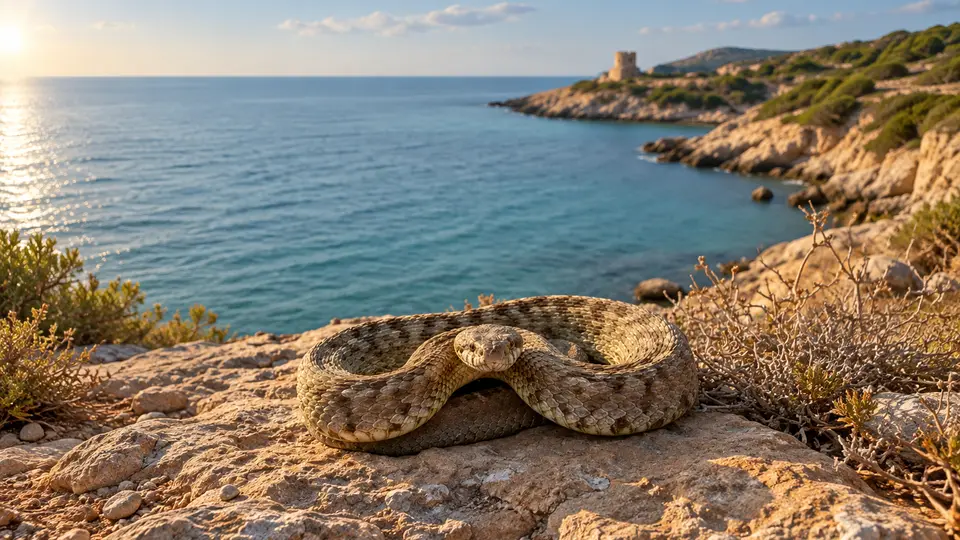
Ottoman Viper in its natural habitatAI-modified

Ottoman ViperMontivipera xanthinaWhere and when to see them

Ottoman Viper at a glance

The Ottoman viper is a stout, venomous snake of western Turkey and nearby eastern Aegean islands. Its patterned body blends effectively with stones, leaf litter and scrub shadows, so an animal may remain unnoticed beside a path. It is an important small-predator component of these landscapes, not an animal to handle or approach. Coastal travel can overlap its range, although suitable habitat extends into inland hills and mountain country.

Behaviour & reproduction

Size
70-100 cm (28-39 in) total length
Weight
Not reliably established
Lifespan
Not reliably established
Status
Least Concern

Ottoman vipers rely heavily on camouflage and commonly remain still rather than flee immediately when disturbed. They hunt largely by ambush, waiting where small animals pass. Activity shifts with temperature: basking and daytime movement are more likely in mild conditions, while hot weather can favor evening or nocturnal activity. A threatened snake may hiss or strike defensively, especially if cornered, stepped on or deliberately manipulated. Montivipera xanthina exhibits a largely solitary lifestyle, only congregating briefly for mating. Their venom is a potent hemotoxin, primarily affecting blood and tissue, and serves both for prey capture and self-defense.

Top wildlife locations

Turkey wildlife habitatAI-modified

Turkey

Rocky scrub above western coastal districts provides plausible habitat, though some locations require an inland excursion. Encounters are uncommon and should remain incidental; never leave established paths to search stone piles or dense cover.
Destinations describe the species' habitat, not guaranteed cruise stops. Some animals require an optional inland excursion or are found in restricted reserves.

Fun facts about the Ottoman Viper

  • It gives birth to live young rather than laying eggs.
  • Its long front fangs fold back when the mouth closes.
  • Temperature influences whether it is active by day or after dark.
  • Its camouflage can be more important for avoiding danger than rapid escape.

Best time to see the Ottoman Viper

Spring and autumn often provide suitable temperatures for surface activity in western Turkey. Summer observations depend more strongly on time of day and elevation. Winter activity is generally reduced, and no season makes deliberate close searching safe or appropriate. In the colder, higher elevations of its range, activity is more restricted to the warmer months of late spring and early summer. Mating typically occurs in the spring, which can increase the likelihood of encountering active individuals.

Ottoman Viper: season matrix by destination

Travel and observation windows vary by region. Highlighted months are an orientation for planning, not confirmed sightings or a guarantee of access.

Turkey

These are plausible mild-weather activity months; elevation and local temperatures strongly affect emergence, and presence at a particular trail is uncertain.

JanFebMarAprMayJunJulAugSepOctNovDec
Cruise ships in Turkey

Where the Ottoman Viper lives

Rocky hillsides, Mediterranean scrub, open woodland and rough agricultural margins provide cover and hunting opportunities. Stone walls and dense vegetation can conceal resting snakes. Although some habitat lies near the coast, encounters may require inland travel into suitable rocky terrain. This viper species can be found from sea level up to elevations of around 2,500 meters, adapting to various terrains within its range. They often utilize crevices, rock piles, and dense shrubs for shelter and thermoregulation, especially during extreme temperatures.

What the Ottoman Viper eats

Small mammals are important prey, with lizards and occasionally birds also taken. Young vipers tend to eat smaller prey, including lizards. Venom subdues prey before swallowing and contributes to the species' effectiveness as an ambush predator in structurally complex habitat. Prey is typically consumed headfirst after envenomation, with the viper's flexible jaw allowing it to swallow relatively large items. Juveniles may also consume invertebrates like large insects, supplementing their diet of small vertebrates.

Species at a glance

Common name
Ottoman Viper
Scientific name
Montivipera xanthina
Animal group
Reptiles
Size
70-100 cm (28-39 in) total length
Weight
Not reliably established
Lifespan
Not reliably established
Status
Least Concern
Identification
It is a heavy-bodied viper with a broad head and bold dark dorsal pattern, but separating related Montivipera species requires geographic context and expert assessment. Key identification features include a distinctive, often zig-zag or rhomboid dark pattern against a lighter grey or yellowish-brown ground color, though coloration can vary geographically. The head is clearly distinct from the neck, and the eyes have vertical pupils, typical of nocturnal or crepuscular species.

Ottoman Viper: frequently asked questions

Where can I see the Ottoman Viper?
Turkey. Stay on clear paths, wear sturdy footwear and never place hands into rock gaps. If a viper appears, stop and retreat slowly. Never handle it; any suspected bite requires urgent medical attention. Always maintain a respectful distance from any viper you encounter and avoid sudden movements that might provoke a defensive response. Binoculars can be very useful for observing these camouflaged snakes from a safe distance without disturbing them.
When is the best time to see the Ottoman Viper?
Spring and autumn often provide suitable temperatures for surface activity in western Turkey. Summer observations depend more strongly on time of day and elevation. Winter activity is generally reduced, and no season makes deliberate close searching safe or appropriate. In the colder, higher elevations of its range, activity is more restricted to the warmer months of late spring and early summer. Mating typically occurs in the spring, which can increase the likelihood of encountering active individuals.
How big does the Ottoman Viper get?
70-100 cm (28-39 in) total length. Adult weight: Not reliably established. Size varies with age, sex and population.
How should I behave around the Ottoman Viper?
Stay on clear paths, wear sturdy footwear and never place hands into rock gaps. If a viper appears, stop and retreat slowly. Never handle it; any suspected bite requires urgent medical attention. Always maintain a respectful distance from any viper you encounter and avoid sudden movements that might provoke a defensive response. Binoculars can be very useful for observing these camouflaged snakes from a safe distance without disturbing them.
What does the Ottoman Viper eat?
Small mammals are important prey, with lizards and occasionally birds also taken. Young vipers tend to eat smaller prey, including lizards. Venom subdues prey before swallowing and contributes to the species' effectiveness as an ambush predator in structurally complex habitat. Prey is typically consumed headfirst after envenomation, with the viper's flexible jaw allowing it to swallow relatively large items. Juveniles may also consume invertebrates like large insects, supplementing their diet of small vertebrates.
Are wildlife sightings guaranteed on an adventure cruise?
No. Animals move freely and routes, weather, access restrictions and local conditions influence every outing. Confirm the actual itinerary and shore program before booking.

Compare wildlife in the same destinations

Explore other reptiles recorded in these destinations. Similar surroundings do not mean the animals share the same habits or viewing season.

Species comparison by animal group and destination
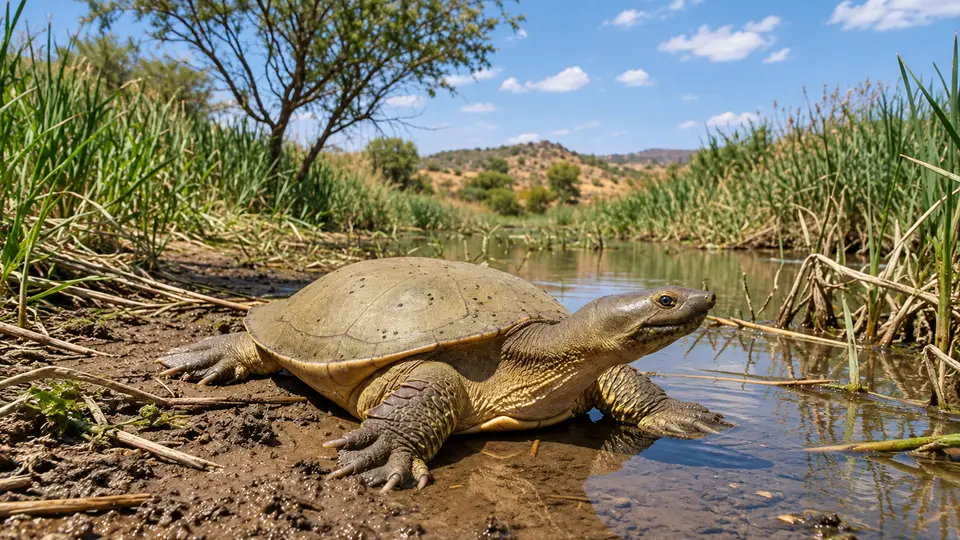
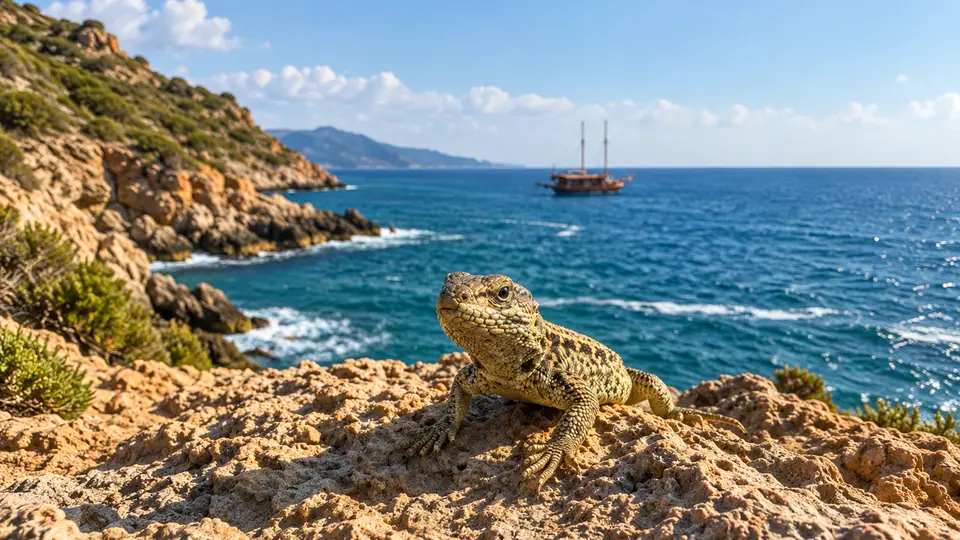
Ottoman ViperAI-modifiedOttoman ViperAfrican Softshell TurtleAI-modifiedAfrican Softshell TurtleAnatolian Rock LizardAI-modifiedAnatolian Rock Lizard
Animal groupReptilesAnimal groupReptilesAnimal groupReptiles
DestinationsTurkeyDestinationsTurkeyDestinationsTurkey
Scientific nameMontivipera xanthinaScientific nameScientific name
All wildlife destinations
AI-modified
Plan your trip

Find your next wildlife adventure

Compare destinations, shore programs and dates with the animals and habitats you would love to see.

  • Naturalist-led shore excursions
  • Responsible wildlife watching
  • Small expedition ships